
How to Stop Your Milk Pitcher from Screaming During the Stretch
I remember the first time my milk pitcher squealed like a banshee during a crucial stretch. It was mid-morning rush, the kitchen filled with the aroma of freshly brewed espresso, and there I was, pretending everything was under control while my froth was turning into a medieval torture device. That screech was deafening—an unplanned alarm that seemed to announce my failure to even the simplest tasks. Honestly, I felt my cheeks flush with embarrassment, wondering if my home setup was destined to be a comedic disaster.
After countless attempts and a few frustrated experiments, I realized that this little annoyance isn’t just about noise—it’s about the quality of your milk microfoam and your overall barista confidence. The good news? There’s a way to keep that scream at bay, and it’s simpler than you might think. In fact, most of the time, a tweak here and a method there can totally transform your frothing experience. Today, I’ll walk you through proven techniques to stop your milk pitcher from screaming during the stretch.
Why the Noise Matters More Than You Think
The loud squealing isn’t just annoying; it’s often a sign that something’s off in your frothing technique or equipment. Excessive noise can lead to overfilling or tearing your milk’s microfoam, affecting taste and texture. Plus, it’s unsettling—especially if you’re trying to impress friends or simply enjoy a peaceful morning coffee ritual. Interestingly, a high-pitched scream can also be a precursor to equipment issues like steam tip clogging or improper pressure, which might cause long-term damage. According to barista experts, maintaining quietness during steaming is a vital sign of proper technique and machine health. So, it’s worth fixing the root cause rather than silencing the symptom with quick fixes.
Have you ever faced this problem while frothing? That feeling of helplessness when you hear the shriek? Believe me, I’ve been there, and I learned some critical lessons early on. One common mistake I made was neglecting to check the milk’s temperature or the steam wand’s position, which can cause uneven microfoam and, you guessed it, noise. But enough about my mishaps! Let’s get into the practical stuff—the foolproof ways to end that squeal once and for all.
Adjust the Steam Wand Position for Smooth Frothing
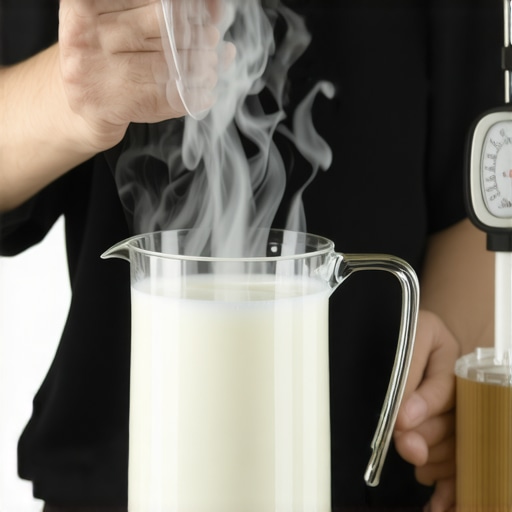
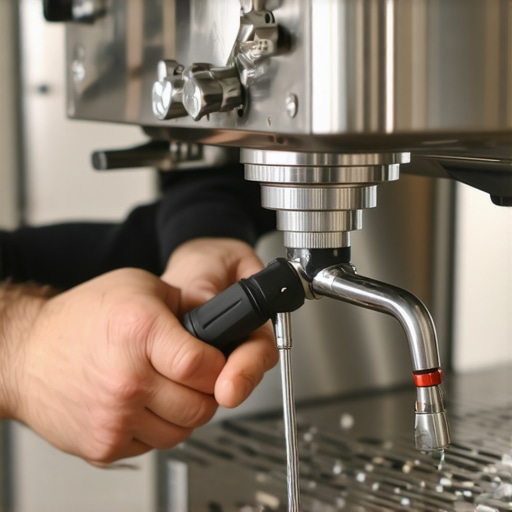
Begin by ensuring your steam wand is correctly positioned. Hold the pitcher at a slight angle, with the tip just below the milk’s surface. When I first did this, I noticed my pitcher squealed less, and the microfoam improved dramatically. Think of the wand like a diver entering water—angle matters to avoid turbulence that causes noise.
Tweak the Angle and Depth
Lower the wand slightly deeper if you’re hearing screeching, as too close to the surface creates rapid steam escape, resulting in high-pitched sounds. Conversely, raising it too high can cause splattering. Experiment with small adjustments—usually 1-2mm—until the noise diminishes. My go-to was adjusting after each attempt, and within three tries, the squeal vanished and microfoam became velvety.
Control the Steam Pressure with Your Hand
Most home machines have a pressure limiter, but a subtle hand motion can help. Gently reduce or increase pressure by softly pressing or relaxing your palm on the steam wand’s knob, if possible, or by controlling the pitcher angle to modulate the flow. I found that lighter pressure prevented sudden bursts that lead to squealing, much like how a gentle squeeze on a garden hose reduces loud sprays.
Preheat Your Milk and Equipment
Cold milk or a cold pitcher can cause abrupt steam releases, leading to noise. Always preheat your pitcher by rinsing with hot water or warming it slightly. When I switched to pre-warmed tools, I experienced quieter sessions and better microfoam quality. This step is akin to warming a guitar string before playing—it creates smoother, more controlled vibrations.
Monitor and Adjust Your Technique During Frothing
Stay attentive to the sound and milk texture. Once frothing, listen for a high-pitched squeal—if it appears, immediately lower the pitcher or adjust the wand. I learned this the hard way when ignoring minor sounds led to a full-blown screech, but catching it early saved my microfoam and reduced noise. Think of it like tuning a musical instrument: constant minor adjustments lead to harmony.
Clean and Inspect Your Steam Tip Regularly
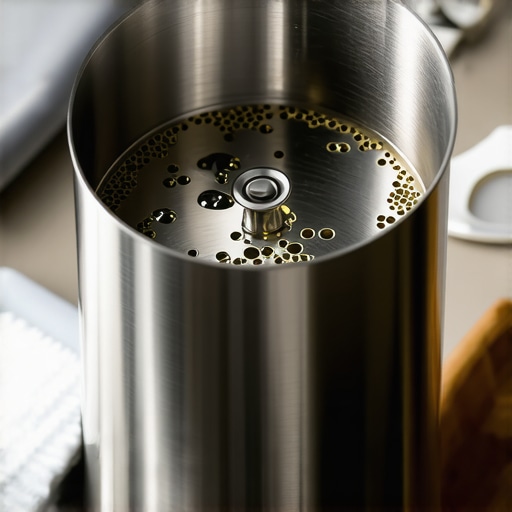
Clogged or dirty steam tips can cause uneven steam distribution, resulting in noise. Unscrew the tip periodically and soak in citric acid solution or run a cleaning cycle. When I cleaned mine, the difference was night and day—fewer squeals and more consistent steam flow. For detailed cleaning steps, consult the guide on high-pitched noise.
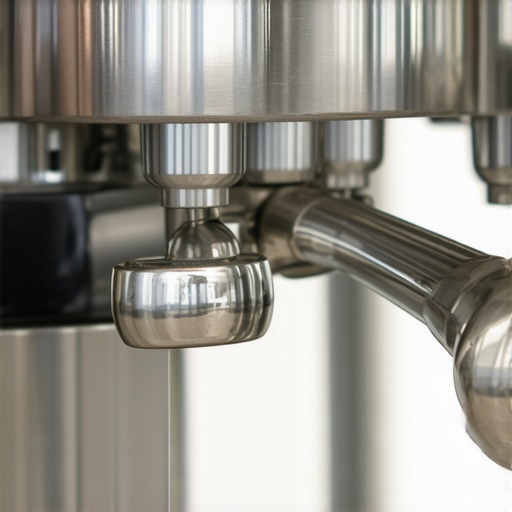
Imagine a close-up of a clean steam tip with clearly visible tiny nozzles, sparkling after a proper cleaning, illustrating how maintenance reduces noise and improves steam quality.
Even seasoned enthusiasts often fall prey to misconceptions that hinder their espresso journey. One prevalent myth is that more expensive equipment guarantees better results. While high-end gear offers advantages, many home baristas overlook that technique, cleanliness, and understanding nuances play a larger role in achieving stellar espresso. For example, some believe that dialing in grind size is a straightforward process, but in reality, subtle adjustments—like fine-tuning the tamping pressure or temperature stability—can significantly Impact shot quality and consistency, as emphasized by experts in coffee science.
Can Perfecting Technique Outweigh Upgrading Equipment?
It’s tempting to think that swapping out your grinder or espresso machine is the ultimate fix, but studies show that modest improvements in technique—such as consistent dosing and tamping—often yield more dramatic results than hardware upgrades alone. Rushing to replace your gear without mastering current capabilities is a trap that can lead to unnecessary expenses and frustration. Instead, consider refining your process first; consult comprehensive guides like those on mastering the art of home espresso to unlock hidden potential.
Another common mistake involves neglecting regular maintenance. Many users assume that modern machines are maintenance-free, but deposits and wear can subtly affect pressure and extraction quality. Cleaning your group head, checking gasket integrity, and calibrating your grinder are often overlooked steps that make a tangible difference. Ignoring these details is an Maintaining your espresso setup is essential for achieving cafe-quality brews at home. One of the most critical aspects is regular, targeted cleaning, especially of your grinder burrs and steam wand, which are prone to buildup. I personally prefer using a dedicated burr cleaning brush from our recommended maintenance tools collection because it effectively removes oils and old grounds without damaging the burrs. For steam wands, a routine purge and weekly descaling with a vinegar solution help prevent blockages and maintain consistent steam pressure, ensuring silky microfoam every time. Additionally, investing in a high-quality water filtration system, like the Everpure CLR series, can extend the lifespan of your machine while keeping mineral deposits at bay. Remember, accuracy in calibration—like adjusting your grinder’s burrs with a precision gauge—keeps your shots consistent; you can find a detailed guide on calibrating your grinder. As the trend moves toward smarter home barista setups, integrating software that tracks your extraction parameters can help you identify maintenance needs before they become issues. My challenge to you: try calibrating your grinder with a digital gauge this week, and notice the difference in shot quality and flavor clarity. Regular, intentional maintenance not only prolongs the life of your equipment but also elevates your home barista game—making every cup a step closer to professional standards.
The Nuggets Hidden in Squealing Snippets
Over the years, I’ve discovered that those moments when your milk pitcher screams mid-froth aren’t just nuisances—they’re messages from your equipment and technique crying out for attention. My biggest revelation? Embracing those high-pitched alerts as opportunities to refine my process instead of dismissing them as mere annoyances. Through trial, error, and a keen ear, I learned to interpret these sounds as signs of airflow imbalance and brewing health, not just equipment flaws.
One lightbulb moment was realizing that consistent preheating of the pitcher and adjusting the wand angle in response to noises can make all the difference. These small tweaks contributed to tranquility and microfoam perfection, elevating my home espresso ritual from chaotic to calming. I’ve come to trust that understanding the language of sound—especially squeals—can unlock new levels of barista confidence and espresso elegance.
My Secrets to a Noise-Free Frothing Arsenal
After extensive personal experiments, I’ve curated a toolbox of strategies that help keep that dreaded scream at bay. Regularly inspecting and cleaning the steam tip with a dedicated maintenance tool set can eliminate blockages that cause uneven steam flow. Adjusting the wand position—keeping the tip just below the milk’s surface to prevent turbulence—has become second nature. Pairing this with a habit of pre-warming both pitcher and machine ensures a smoother, quieter experience.
Monitoring your steam pressure and practicing gentle, consistent motions—much like a musical conductor—can prevent sudden bursts of high-pitched noise. Personally, I set reminders to clean and descale every few weeks, knowing well-maintained equipment sings in harmony rather than screeches. These practices are simple yet profound; they transform your frothing routine into a serene, artful process.
Beyond Quick Fixes: Building a Barista Routine
It’s tempting to seek instant remedies for squeals, but the true power lies in cultivating a routine rooted in ongoing maintenance and technique refinement. Regularly calibrating your grinder using detailed guides helps ensure consistent pressure and flow, which directly impacts the quietness of your steam. Additionally, investing in high-quality, filtered water and using appropriate cleaning agents prolongs your setup’s health, making squeals a thing of the past.
What’s been truly transformative for me is adopting a mindset of curiosity rather than frustration. Each squeal became a chance to learn more about my machine’s needs, much like tuning a musical instrument. This approach not only improves sound and microfoam but deepens my appreciation for the craft of espresso making—reminding me that mastery involves listening, adjusting, and respecting the nuances of my tools.
Imagine the Silence, Taste the Difference
Envision a morning where your frothing is as quiet as a whisper, yet every cup is bursting with rich, velvety microfoam. That’s the magic of paying attention to the subtle cues your equipment offers. When I stopped fighting the squeals and instead learned their lessons, my espresso experience transformed—not just in sound, but in flavor and satisfaction. Remember, the journey to perfect microfoam is as much about inner patience as it is about external technique.