The Best Way to Organize Your Barista Tools for Speed
Ever rushed to prepare your morning espresso, only to find your tools scattered, tangled, or buried under clutter? That frantic scramble—fumble with the tamper, hunt for the milk frother, fumble with the grinder—feels all too familiar, doesn’t it? One morning, after a particularly stressful attempt to get my shot just right before leaving the house, I had what I call my “lightbulb moment.” I realized that my disorganized setup was not just wasting time but also compromising the quality of my brew and my mood. That eye-opening awareness sparked my journey toward a more efficient and enjoyable coffee routine.
The Real Cost of a Messy Barista Station
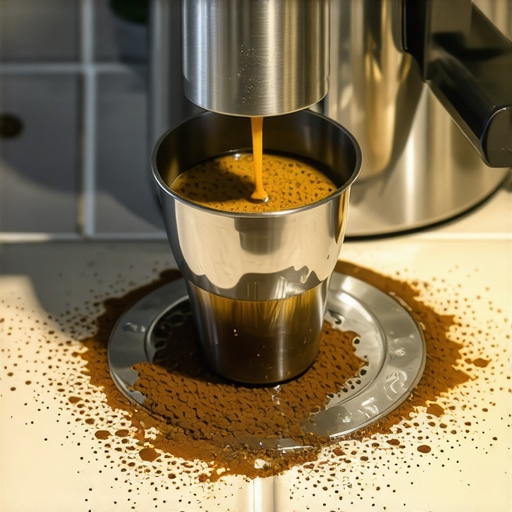
Let’s face it: no matter how passionate we are about our coffee, chaos in the workspace hampers speed, consistency, and even safety. I used to think that piling tools randomly on my countertop was harmless, but I discovered the hard way that misplaced wrenches, spilled powders, or improperly stored accessories could lead to broken equipment or worse, injury. Research confirms that cluttered workspaces reduce efficiency and increase error rates—something I experienced firsthand when I struggled for minutes just trying to find my tamper or clean my steam wand.
Over time, I realized that a well-organized station doesn’t just look good; it actually saves you precious seconds—sometimes even minutes—per shot. In a world where timing is everything, especially during busy mornings or when serving clients, having your gear at your fingertips makes all the difference. Plus, a tidy setup reduces mess and makes cleaning easier, keeping your equipment in top shape longer. Trust me, once I streamlined my tools, my shots improved, and I enjoyed my mornings so much more. Curious if your current setup might be holding you back? If you’ve ever felt the sinking feeling of fumbling during a busy rush, this guide is for you.
Is Keeping Your Tools Neat Really Worth the Hype?
Early on, I made a classic mistake—thinking that, as long as my grinder was working and my machine was running, I could ignore the little details. But neglecting organization led to inconsistent shots, wasted time, and frustration. Once I started paying attention to how I stored and arranged my tools, everything changed. This shift in mindset reinforced that proper organization isn’t about perfection; it’s about making your workflow smoother and more predictable. For insights on how to refine your setup even further, check out this helpful guide.
In the following sections, I’ll share practical tips and tried-and-true methods to organize your barista tools for maximum speed and efficiency—so you can enjoy your coffee, not hunt for your gear. Ready to transform your routine from chaos to harmony? Let’s dive in.
Designate a Zone for Each Tool
Start by assigning a specific spot for every item—espresso portafilters, tamper, milk frother, grinder, and cleaning brushes. I once spent 10 minutes hunting for my blind filter when I needed it urgently, which threw off my whole rhythm. To prevent this, I placed each tool in a labeled container or drawer close to your machine, so it’s always at your fingertips. Think of your workspace like a well-organized kitchen: everything has its place, making your workflow smooth and efficient.
Use Magnetic Holders for Small Accessories
Small parts like the shower screen or portafilter baskets often get lost. I now attach magnetic strips on the side of my machine to hold metal accessories securely. As a micro-story, I once dropped a tiny screw just before pulling a shot; having a magnet saved my sanity and time. Magnetic holders keep essentials visible and accessible, reducing fumbling and frustration during busy mornings.
Implement Daily Cleaning Stations
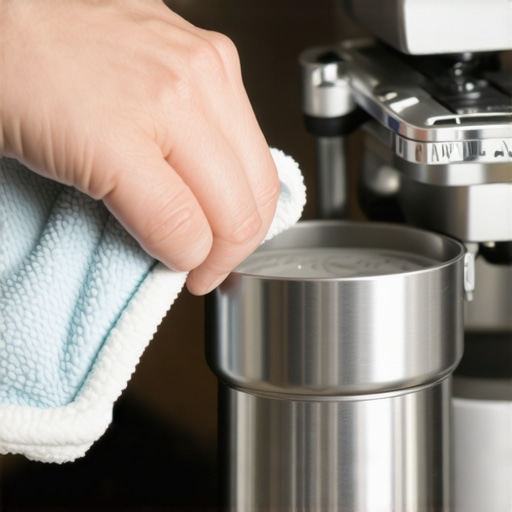
Cluttered tools lead to sluggish performance. Dedicate a small section with cleaning brushes, towels, and descaling supplies. After every use, I quickly wipe my steam wand and clean my portafilter, preventing buildup that can cause off-flavors. This habit keeps your tools in top condition and prevents delays caused by last-minute cleaning. Regular maintenance like this is vital, especially if you’re aiming for consistent quality.
Optimize Grind and Dose Stations
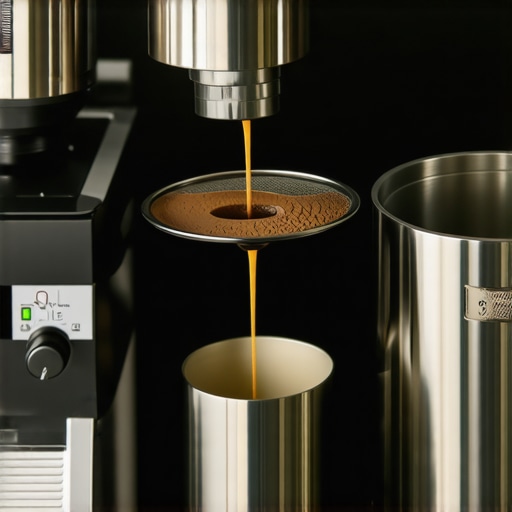
Keep your grinder and dosing tools in a dedicated, stable spot. Use a programmed scale and a calibrated grind station to portion coffee. I faced inconsistent shots until I started weighing each dose; it’s like baking with precise measurements. A consistent grind and dose station streamline your preparation, saving seconds per shot and ensuring flavor stability. Pair this with grinder calibration for best results.
Create a Routine for Tool Maintenance
Set a weekly schedule to check seal gaskets, clean burrs, and descale machines. I once ignored my group head gasket until it started leaking, causing uneven extractions. Now, I keep a checklist and perform small maintenance tasks regularly. This prevents more extensive repairs and downtime, keeping your setup in prime condition. Keeping tools clean also enhances shot quality and prolongs equipment lifespan.
Arrange Milk Frother and Steam Wand Close by
Position your milk frother and steam wand within easy reach, perhaps mounted or placed on a dedicated tray. I once spent precious minutes searching for my frothing wand in the drawer while my milk was heating. Now, I use a small magnetic or clip-mounted holder, making microadjustments during steaming simple and fast. Quick access minimizes disruptions during busy service or morning routines.
Special Tricks for a Clutter-Free Counter
Utilize vertical storage solutions, such as wall-mounted shelves or hangers, for towels, brushes, and cleaning supplies. I attached a pegboard behind my setup, which keeps everything visible. This approach frees up surface space and creates a tidy environment that motivates you to keep it organized. A clutter-free counter isn’t just aesthetic; it impacts your speed and safety when operating heavy or hot equipment.
Refine Your Setup Over Time
Evaluate your workflow weekly: Are tools within arm’s reach? Do you spend time searching? Once, I realized my milk frother was awkwardly placed, so I moved it to a more ergonomic spot—cutting my session time by half. Continually optimizing your workspace based on your habits ensures sustained efficiency. Remember, customization is key; what works for one person might not for another.
KeepTools Visible and Consistent
Use clear containers or labels so you can identify items at a glance. I found that seeing my tamper and scoop instantly reduced the distraction and delays. Consistent placement helps form muscle memory, meaning you’ll reach for the right tool without thinking. Over time, this consistency boosts confidence and speed in your brewing routine.
Separate Daily and Deep-Cleaning Supplies
Create a dedicated storage for daily-use cleaning items versus deep-clean equipment like descaling solutions. I kept a small kit on my counter for quick wipe-downs and reserved a cabinet for heavy cleaning. This separation prevents cross-contamination and keeps my workspace tidy. Regular, quick cleaning encourages habit formation and maintains the quality of your gear, ensuring each shot is as good as the first.
Many home espresso enthusiasts believe that investing in high-end equipment or using expensive beans guarantees perfect shots, but in my experience, this is a misconception. The real secret lies in understanding the nuanced details of your gear and technique. For example, many assume that a more expensive grinder will automatically improve flavor, yet without proper calibration and understanding of burr alignment, you might still end up with inconsistent grounds. Studies show that even minor misalignments in burrs can lead to significant flavor deterioration, highlighting the importance of meticulous maintenance. Moreover, a prevalent myth is that milk frothers are all created equal; however, not all frothers produce microfoam of the same quality. Achieving silky microfoam involves understanding the steam wand’s pressure profile and the milk’s temperature, rather than simply turning on the machine and waiting. Another common error is neglecting routine machine calibration. Most users overlook the importance of regularly checking pressure gauges or cleaning shower screens, which can cause subtle flavor deviations that are difficult to diagnose. When it comes to espresso machines, many think that turning up the pressure always improves extraction, but higher pressure can actually lead to over-extraction and bitterness if not dialed in correctly. This is why understanding how to calibrate your machine and monitor extraction parameters is vital. For advanced users, monitoring pressure gauges and ensuring proper pressure build-up is crucial for consistent results. You’ve probably heard that a finer grind always yields stronger flavor—that’s not necessarily true. Overly fine grounds can cause channeling or increase resistance, which compromises the extraction. Proper grinder calibration, including burr alignment and understanding retention issues, is essential for optimal flavor, as discussed here. So, before investing more money, focus on mastering the nuances of your current equipment. Regular maintenance, calibration, and a deep understanding of how each component interacts will yield better results than simply upgrading gear constantly. Have you ever fallen into this trap? Let me know in the comments.
To keep your home espresso setup running smoothly, investing in quality tools is just the start. Regular maintenance extends the lifespan of your equipment and ensures consistently excellent shots. Personally, I swear by using calibrating my grinder weekly—it’s a small step that dramatically improves flavor clarity and shot consistency. Similarly, inspection of seals and gaskets on your espresso machine every few months can prevent leaks and pressure issues, which directly impact extraction quality. For example, routinely checking your pressure gauge offers invaluable insight into your machine’s health and can help catch problems before they escalate.
Modern tools like the top-rated espresso machines in 2025 are built with maintenance in mind, but even the most advanced models require attentive care. Clean your steam wand and frothing attachments at least once a week using dedicated cleaning brushes—this prevents milk residue build-up that can clog your wand or cause off-flavors.
One often overlooked aspect is the motor capacitor inspection on grinders and pumps, which can silently degrade performance over time. Keep your tools welldialed-in, and you’ll enjoy trouble-free brewing for years to come. Ready to take your maintenance routine up a notch? Try integrating a weekly inspection of your coffee grinder and machine seals—it’s a game-changer for long-term reliability and flavor consistency.
Looking ahead, I predict that AI-driven diagnostics and smart cleaning systems will become standard, providing real-time alerts when parts need attention—making maintenance even easier. Until then, a disciplined approach to regular check-ups and cleaning will serve every home barista well.
What I Wish I Knew About Setting Up My Coffee Space
One unexpected lesson was realizing that the smallest adjustments—like moving my milk frother a few inches closer or labeling my tools—made a massive difference in my workflow. It’s like tuning a musical instrument; each tweak brings harmony and efficiency, transforming mornings from rushed chaos to mindful ritual.
The Surprising Power of Simple Routines
Establishing a daily maintenance ritual, such as cleaning my steam wand immediately after steaming, prevented buildup and saved me from bigger, messier problems down the line. These micro-habits compound over time, ensuring my equipment stays reliable and my shots stay consistent.
How Personalizing Your Space Unlocks Consistency
Customizing my station with magnetic accessories and labeled containers created muscle memory and decreased hesitation. Now, I instinctively reach for the right tool, making every shot feel more deliberate and confident—proof that personalization fuels mastery in home barista routines.
Curated Gear That Quietly Changes Everything
I found immense value in investing in quality calibration tools, like precision scales and gauge readers, which are often overlooked. Trusted sources like this guide helped me select tools that turned routine adjustments into effortless, automatic steps, elevating my brew quality without extra effort.
Shift Your Perspective, Elevate Your Coffee Game
Mastering a tidy, efficient setup isn’t just about aesthetics—it’s about transforming your entire experience. When your tools align seamlessly with your workflow, brewing becomes a mindful act of creation rather than a frantic search. Embrace these lessons, and you’ll find that good organization is the secret ingredient in every perfect cup.
Have you ever discovered a small setup change that drastically improved your brewing? Share your insights below—I’d love to hear what worked for you!