Why Your Bottomless Portafilter Still Sprays the Counter
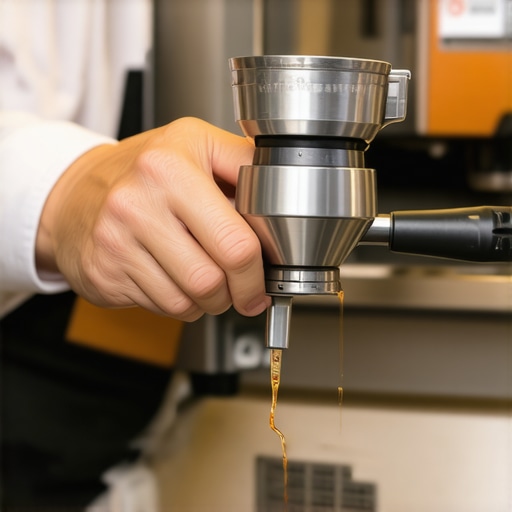
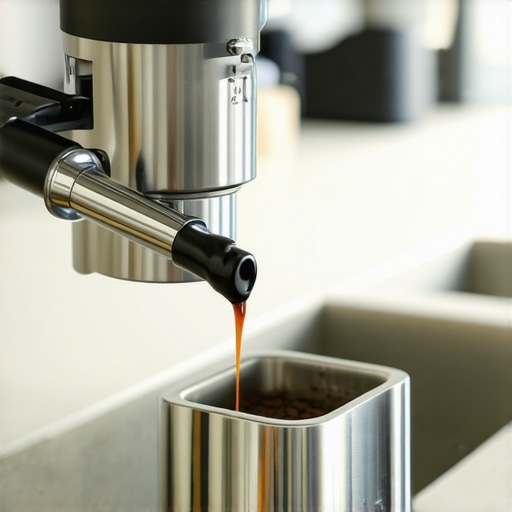
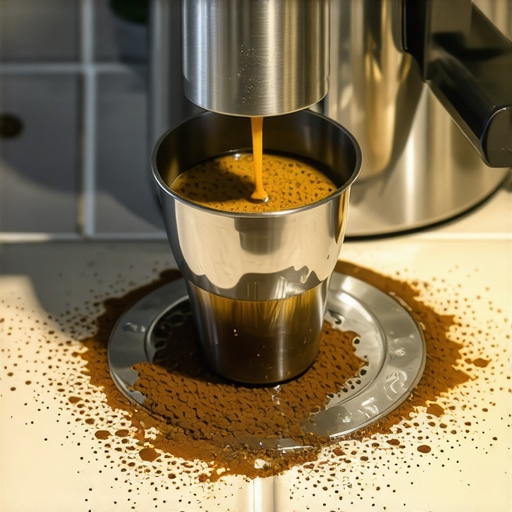
I’ll never forget the moment I watched my freshly pulled espresso shot explode in a fine spray, splattering coffee grounds and crema all over my clean countertop. It was frustrating, confusing, and honestly a little embarrassing. I had been working on my pour for months, thinking I was doing everything right, only to be met with a relentless spray that messed up the perfect crema I was striving for. That lightbulb moment made me realize I wasn’t alone in this struggle—many home baristas face the same issue with their bottomless portafilters, and it often leaves us wondering, “What am I doing wrong?”
The Silent Spray—A Common Espresso Dilemma
There’s something about a beautiful, balanced espresso shot—rich aroma, silky crema—that makes all the effort worthwhile. But when that shot turns into a mini pressure cooker, spraying hot coffee and grounds everywhere, it’s a mood killer. The worst part? It seems so unpredictable. One day your shot pours flawlessly, and the next, the bottomless portafilter turns into a mini firework show. If you’re tired of cleaning coffee splatters off your workspace and feeling like your machine is fighting against you, then this post is exactly what you need.
In the next sections, I’ll guide you through the typical reasons behind this spray and, more importantly, how to fix it. Trust me, this isn’t some mystical problem—there are clear, actionable steps to tame that spurious spray and reclaim your barista confidence.
Is Replacing Equipment the Only Solution? The Truth About Pistons and Portafilters
Early on, I made the mistake of thinking I needed newer, pricier gear to fix my issues—until I realized that most problems stem from adjustments and maintenance. It’s tempting to believe that your portafilter or espresso machine is inherently faulty, but often, the culprit is something you can fix without upgrading. For more insights on maintaining your espresso gear, check out this resource about water filtration and boiler health.
So, are you ready to find out what’s causing your espresso shot to spray and how to put an end to it? Let’s dive into the common mistakes and easy fixes that will turn your messy mornings into smooth, professional-quality pours.
Adjust Your Grind Size for Consistent Pressure
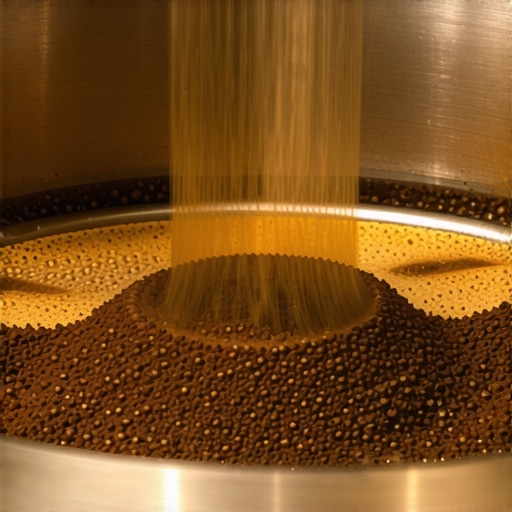
If your espresso shot suddenly erupts into a spray, the first thing to check is your grind setting. A grind that’s too fine can increase resistance, causing the coffee to pack tightly and create uneven extraction, which leads to channeling and spray. Conversely, a grind that’s too coarse lets water flow too quickly, resulting in under-extraction and high pressure buildup. Set your grinder to a slightly coarser or finer setting, then pull a shot. I remember adjusting mine from a super fine to a slightly coarser grind and noticing a marked decrease in spray frequency. Think of your grind as the gatekeeper; it controls how water interacts with coffee, making precise adjustments essential. For stubborn cases, refer to this guide on freeing stuck grinder rings.
Clean and Discard Old Beans to Improve Flow
Next, evaluate your coffee beans. Oily beans, especially dark roasts, can cling to grinder burrs and cause uneven grinding. They also affect water flow during extraction. To prevent channeling, ensure your beans are fresh and properly stored—ideally in an airtight container away from light and moisture. Stale or oily beans can cause clogging and inconsistency, leading to spray. I once experienced this firsthand; after switching to fresh, dry beans, my shots became more uniform and free of spray. Regularly cleaning your grinder is crucial, too. Use a specialized cleaning method for oily beans to keep burrs free of residue which can disrupt flow.
Calibrate Your Portafilter's Tamping Pressure
Uneven tamping is a common culprit for spray issues. Applying inconsistent pressure leaves channels along the puck, causing water to punch through weak spots and create sprays. Aim for uniform tamping with roughly 30 pounds of force—you can develop a feel for this with consistent practice. I invested in a tamper with a built-in force gauge, which made training my hand much easier, turning inconsistent tamping into a thing of the past. Also, verify that your tamper’s diameter matches your basket size—an ill-fitting tamper can leave unpressed edges that cause uneven extraction. Check this guide on proper tamper fit and technique for more tips.
Level Your Machine for Better Extraction
An uneven espresso machine can cause inconsistent pressure buildup, resulting in sprays. Use a spirit level placed on the drip tray or countertop to check if your machine sits perfectly level. Adjust the adjustable feet accordingly. I found this surprisingly effective; after leveling my machine, my shot flow became noticeably smoother. In cases of persistent unevenness, inspect the mountings and ensure the machine is installed on a stable, flat surface. Proper leveling influences water distribution through the coffee bed, so don’t overlook this step. For advanced troubleshooting, consider this detailed alignment guide.
Test and Optimize Your Technique
Once the above adjustments are in place, perform test shots. Observe the flow: a steady, even stream suggests your setup is on point. If spray persists, slightly tweak your grind size and tamping pressure, then retest. Think of your espresso process as a chain—tighten one link at a time. Practicing this methodical approach helped me eliminate sprays over several sessions; consistency is key. Remember, small adjustments matter—sometimes, a quarter turn of the grind wheel or a gentle extra tamp can make all the difference. For further fine-tuning, explore techniques in ground distribution hacks that ensure even flow across the puck.
Maintain Your Equipment Regularly
Finally, regular maintenance prevents spray issues. Clean your portafilter gasket, shower screen, and group head to remove residual coffee oils and mineral deposits. Inspect your seals and gaskets for wear, replacing them when necessary to maintain proper pressure. Check for scale buildup in heat exchangers, which can cause inconsistent temperature and pressure. Regular upkeep saved me from frequent sprays and improved overall shot quality, turning a messy frustration into reliable precision. Use resources like scale detection tips to keep your machine humming.
Many enthusiasts believe that upgrading equipment or obsessing over grind size alone will solve their espresso issues, but the real nuances often lie beneath the surface. A common myth is that more expensive gear automatically yields better shots. While high-end machines and grinders can provide consistency, improper maintenance and overlooked setup details can negate these advantages. For example, failing to regularly clean grinder burrs from oily beans can cause uneven grinding and water flow disruptions, directly impacting shot quality. In fact, oily beans are a notorious culprit for increasing wear on grinder motors and creating channeling issues, which often lead to unpredictable sprays and poor extraction.
Let’s dig deeper into how small, advanced mistakes can have outsized effects on your espresso. For instance, many believe that tamping with maximum pressure ensures better puck density, but over-tamping can restrict water flow and increase pressure buildup, leading to sprays or burnt flavors. Instead, aim for consistent, moderate tamping with roughly 30 pounds of force—precision here is often overlooked but crucial. Additionally, a technique traps many: neglecting to level your machine can cause uneven extraction, as water preferentially flows through the path of least resistance. Using a simple spirit level to check your machine’s alignment can prevent sprays caused by uneven pressure distribution.
Another hidden pitfall involves water quality. Many home brewers overlook the significance of proper filtration, assuming their tap water is suitable. However, mineral deposits and impurities can cause scale buildup in heat exchangers, subtly affecting temperature stability and pressure. This can manifest as inconsistent shots or spitting steam. Regularly checking for scale accumulation with guides like this detailed inspection can help you stay ahead of technical issues.
So, what might be the most underestimated factor? The importance of routine maintenance. For example, not routinely replacing worn-out gaskets or cleaning shower screens can create pressure leaks or uneven water distribution, leading to sprays and channeling. An overlooked component like the portafilter gasket, if degraded, diminishes seal integrity, causing uneven extraction and potential sprays. Regular inspection and replacement are simple steps with outsized benefits, but many skip this essential maintenance.
Have you ever fallen into this trap? Let me know in the comments.
Keep It Running: Tools and Techniques for Long-Term Espresso Success
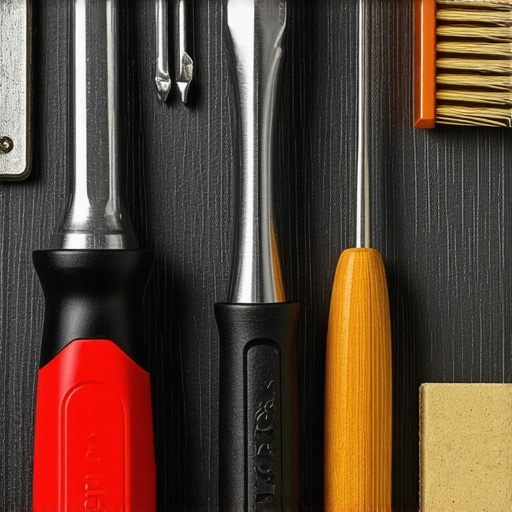
Maintaining your home espresso gear is crucial for consistently excellent shots and avoiding unexpected breakdowns. Investing in the right tools and establishing a routine can save you time, money, and frustration. One of my top recommendations is a high-quality precision screwdriver set tailored for coffee equipment. I use a set with multiple flat-head and Phillips screwdrivers to clean and replace gaskets, adjust internal components, and perform minor repairs. These tools allow me to perform meticulous maintenance without risking damage to delicate parts. Regular descaling kits are also essential, especially if you live in hard water areas. I prefer using a commercially available descaler that is compatible with my machine’s materials, ensuring calcium deposits don’t build up and affect pressure or temperature stability.
Another must-have is a food-grade silicone brush, which I use to clean crevices like the shower screen and gasket seat. Keeping these parts free of coffee oils and mineral deposits maintains proper water flow and prevents sprays. For deeper internal cleaning, a double boiler cleaner is invaluable. It safely dissolves scale inside heat exchangers—refer to this guide for detailed instructions.
In addition to physical tools, consider software solutions for calibration and monitoring. If your espresso setup includes a smart water filtration system, automate your water quality checks to prevent scale and pressure fluctuations. Some advanced espresso machines also offer digital calibration features that can be fine-tuned via companion apps—these are game-changers for long-term consistency.
How do I maintain my espresso equipment over time?
Consistency is key; schedule weekly or bi-weekly routines to clean group heads, replace worn gaskets, and descale your machine as recommended by the manufacturer. Regularly inspecting parts like the portafilter and shower screen ensures they stay in optimal condition. Document your maintenance schedule and note any changes in shot quality—this habit helps catch issues early before they turn into costly repairs. For example, a simple inspection of leaks can prevent pressure drops that lead to sprays or under-extraction. Staying vigilant protects your investment and ensures consistently delicious espresso.
Looking ahead, the trend points toward smarter, integrated maintenance systems. Already, some brands incorporate sensor-based diagnostics that alert you to scale buildup or gasket wear via your smartphone. Embracing these innovations can save time and prolong the lifespan of your gear, making maintenance less of a chore and more of a proactive safeguard.
Finally, I highly recommend trying the advanced technique for freeing a stuck grinder adjustment ring. It’s saved me from costly repairs and keeps my grinder performing at peak efficiency. Allocate a few minutes each month to perform such precise maintenance—your coffee will thank you.
Little Secrets That Transformed My Espresso Routine
One of the most valuable lessons I discovered was that the smallest tweaks—like adjusting tamping pressure or leveling my machine—can have outsized impacts on shot quality and consistency. I used to believe that equipment upgrades were the magic bullet, but I realized that mastery lies in understanding and fine-tuning every detail, from grind size to machine calibration. These lightbulb moments reminded me that patience and attention to detail are your best allies in delivering perfect espresso every time.
What Tools and Resources Can Elevate Your Espresso Game
Over the years, I’ve curated a set of tools and references that continually improve my skills. For instance, a manual adjustment guide helped me fix my grinder, preventing costly fixes down the line. I also trust water filtration insights to maintain optimal boiler performance. These resources empower me to troubleshoot and optimize, turning routine maintenance into a source of pride rather than frustration.
Empowering Your Next Espresso Adventure
The journey to spray-free espresso isn’t just about fixing issues; it’s about embracing continuous learning and experimentation. I encourage you to view each shot as a test, a chance to refine your technique and deepen your understanding of your equipment. Remember, every barista faced challenges initially—what matters most is your willingness to adapt and grow. Dive in, try something new today, and watch your espresso craft flourish. How will you adjust your routine to achieve more consistent shots? Share your thoughts below and keep the espresso passion alive!