The Best Way to Store Your Portafilter Between Shots
I remember the first time I brewed espresso at home and accidentally knocked over my portafilter while juggling the milk frother. That sinking feeling of wasted coffee and the hassle of clean-up made me realize I needed a better way to handle my equipment during those quick turnaround moments. It’s a small detail, but one that can significantly impact your brewing consistency and overall experience. If you’ve ever left your portafilter sitting on your machine, only to find it cold, sticky, or misplaced, you’re not alone. Many home baristas face this exact dilemma, often unaware that there are simple, effective solutions.
The Secret to Keeping Your Portafilter Ready for Action
In today’s post, I’m going to share practical tips based on my personal journey—things that helped me go from fumbling to confident during my brewing sessions. We’ll explore why proper storage matters, how it affects your shot quality, and the best ways to keep your portafilter warm, clean, and at the ready. Trust me, a little knowledge here makes a big difference in your espresso game. Curious? Read on to discover how you can streamline your routine and enjoy consistently great coffee every time.
Is Storing Your Portafilter Somehow Harmful or Overhyped?
I used to think that just placing my portafilter on the drip tray or neglecting it until my next shot was fine. But I made the mistake early on of leaving it wet or cold, which led to uneven extraction and a bitter taste—something I found out the hard way when my shots started tasting off. According to coffee expert Scott Rao, maintaining proper temperature and cleanliness of your portafilter is essential for optimal extraction. So, it’s not just about convenience; it’s about quality. Do you find yourself skipping the little storage steps because you’re in a rush? Trust me, those seconds matter.
Now that we’ve established why this tiny detail counts, let’s look at how you can master this part of your routine. It’s simpler than you might think, and a few adjustments can elevate your espresso from so-so to spectacular. Ready to transform your brewing process? Let’s dive into the most effective methods for storing your portafilter between shots, and keep your coffee consistently delicious.
,
Prepare Your Workspace for Quick Access
Start by designating a dedicated spot near your espresso machine for your portafilter. Use a small, heat-resistant mat or a silicone pad to keep it warm. Having this ready reduces fumbling and ensures your portafilter stays at an optimal temperature, making your shots more predictable.
Keep the Portafilter Warm and Dry
Use a knock box or towel to wipe the portafilter immediately after brewing. Store it upside down on your designated pad to retain heat and prevent dust or moisture from settling. During my own routine, I installed a magnetic hook underneath my espresso setup, which keeps my portafilter hanging securely and warm—a small adjustment with a big payoff.
Use a Cover or Sleeve for Insulation
If your environment is cooler, consider wrapping the portafilter in a small cloth or insulating sleeve to maintain warmth between shots. This simple layer helps preserve temperature stability, minimizing fluctuations that can affect extraction quality.
Maintain Cleanliness to Avoid Flavor Interference
Wipe the portafilter thoroughly with a damp cloth after each use, especially if you’re switching beans or grinding adjustments. This prevents old coffee oils from contaminating new shots. Once, I neglected this step and noticed my espresso tasted off—quickly realizing that residual oils were the culprit, I adopted a routine cleaning method outlined on this guide.
Integrate Storage into Your Workflow
Set specific times for cleaning and storing your portafilter—preferably right after brewing. Doing so creates a habit, reducing mistakes. If you’re unsure about preserving optimal temperature, consider using a dedicated warm place or heat-maintaining gear recommended in this resource.
Practice and Iterate
I recall a morning when I decided to keep my portafilter upside down on my espresso mat, minimizing movement. The result? More consistent shots and less stress during peak hours. It might take a few tries to perfect your arrangement, but attention to these small storage details embodies a critical step toward mastering your brew. For further insights on optimizing your setup, explore gear selection.
Even seasoned coffee enthusiasts sometimes fall prey to misconceptions about barista gear that can hamper their brewing mastery. One widespread myth is that cheaper espresso machines are inherently inferior; in reality, many budget models perform remarkably well if properly maintained and paired with the right techniques, as discussed in this recent review. Another common mistake is believing that all coffee grinders are created equal — but, as emphasized in this guide, grind consistency depends heavily on burr type, adjustment precision, and even motor quality.
What advanced espresso enthusiasts often overlook when choosing their gear?
Many overlook the importance of heater stability and internal water pressure management, which are critical for achieving temperature stability and shot consistency. Even high-end machines can underperform if their internal components aren’t properly calibrated or maintained, as per expert insights in this article. Beware the trap of upgrading to shiny new equipment without understanding the technical nuances—doing so may not yield better results and can even complicate your routine. Instead, focus on mastering the adjustments and maintenance aspects of your current gear, which can vastly improve your espresso quality.
For example, incorrectly calibrating your grinder’s fineness can cause over-extraction or under-extraction, leading to bitter or sour flavors, respectively. Regularly checking and tuning your grinder is a step often ignored by home users eager to buy the latest model. Remember, solid knowledge and maintenance beat flashy features every time. For more tips on optimizing your equipment, explore this detailed guide and start questioning assumptions about your gear today.
Invest in Quality Tools Designed for Durability and Precision
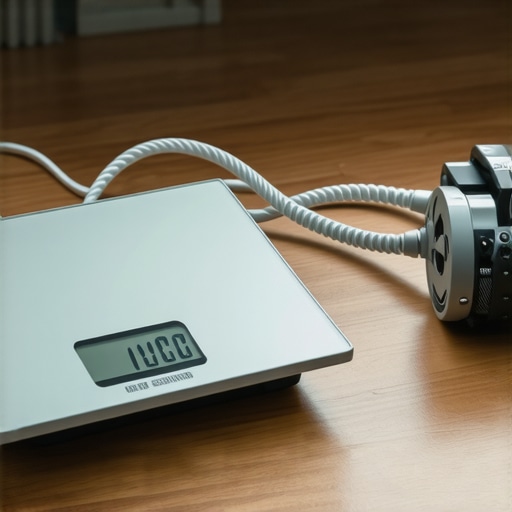
When it comes to maintaining your espresso setup, having the right tools makes all the difference. I personally swear by a calibrated digital scale, like the Acaia Lunar, which I use for every shot to ensure consistent grind dosing and extraction times. Its advanced sensors and Bluetooth connectivity help me track my brew data and fine-tune my technique over time. Additionally, a dedicatedprecision calibration wrench for my grinder allows me to make micro-adjustments that significantly improve shot consistency. Using high-quality, purpose-built tools not only extends the lifespan of your equipment but also elevates your brewing precision.
Regular Maintenance Preserves Performance and Flavor
Preventative care is crucial. I schedule a monthly deep-clean of my espresso machine using descaling solutions recommended in this article. This keeps internal components free from calcium buildup, which can cause pressure inconsistencies and off-flavors. My grinder is cleaned weekly with a brush and occasional burr replacements—neglecting these steps leads to stale-tasting coffee and equipment strain. Incorporating routine cleaning into your maintenance schedule guarantees long-term reliability and maintains optimal flavor extraction.
Invest in Scalable Equipment to Grow with Your Skills
As your proficiency develops, so should your gear. I started with a budget espresso machine but quickly realized that upgrading to a machine like the best-rated model in 2025 provided better temperature stability and pressure control. For home enthusiasts aiming to scale, modular components—like PID controllers, high-quality PID temperature probes, and advanced flow regulators—can be added later. Planning for scalability ensures your investment continues to support your growing expertise without the need for premature replacement.
How do I maintain my espresso machine over time?
Consistent maintenance involves cleaning, descaling, inspecting, and replacing worn parts. It’s essential to follow manufacturer guidelines and consult expert advice, such as those outlined in this resource. Periodic internal checks and adjusting safety valves or water sensors keep your machine reliable. Remember, neglecting routine upkeep can lead to costly repairs or degraded performance down the line. Keeping detailed logs of your maintenance schedule helps track when each component was last serviced, ensuring nothing slips through the cracks.
Future Trends in Espresso Maintenance and Tools
The trend toward smart, connected equipment is poised to revolutionize how we care for our barista gear. Machines integrated with IoT sensors and app-based diagnostic tools will enable proactive maintenance alerts, reducing downtime and optimizing flavor consistency. For instance, innovations like the smart sensor systems will give immediate feedback on internal pressure stability and temperature fluctuations. Embracing these advancements now positions you at the forefront of home brewing and ensures your setup remains cutting-edge.
Try This Advanced Maintenance Tip Today
Focus on calibrating your grinder’s burrs using a professional-grade precision calibration method. Accurate grind size directly correlates with extraction quality and shot consistency. Take 15 minutes to fine-tune your grinder, and you’ll notice immediate improvements in flavor clarity. Don’t underestimate the impact of detailed calibration—small adjustments can drastically enhance your espresso experience.
What The Unexpected Revealed About Barista Gear,Home Espresso,Milk Frothers,Coffee Grinders,Espresso Machines
One of the most profound lessons I learned was that premium equipment becomes less critical when neglecting basic maintenance routines—often, it’s the small habits like regular cleaning and precise calibration that make the biggest difference. I once believed upgrading to the latest espresso machine was the key to better coffee—but I soon discovered that consistent upkeep and understanding my existing gear’s quirks trump shiny new features. Furthermore, I realized that many home baristas overlook the significance of environment control; maintaining a stable temperature and humidity level can transform your brew quality, regardless of the equipment’s price tag. Lastly, I found that mastering foundational skills such as tamping, dosing, and flow control remains essential—even when experimenting with high-end gear; often, technique outweighs technology, and excellence starts with those small, mindful steps.