The One Tool That Actually Fixes Clumping in Cheap Grinders
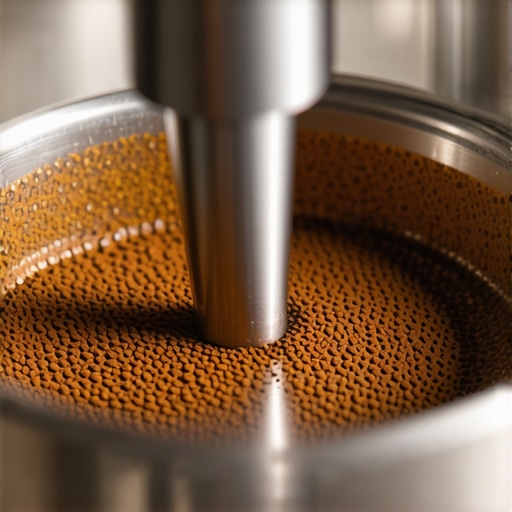
Have you ever pulled a shot of espresso only to find your coffee grounds stuck in a stubborn, unbreakable mass? That frustrating clump that refuses to break apart even after multiple tamping attempts? I’ve been there too. I remember the first time I faced this nightmare—thinking I’d wasted my beans and money. It was a sharp moment of realization that my cheap grinder was the culprit, turning perfect grind size into an unwieldy mess every single morning.
Why Clumping Ruins Your Coffee Experience—and How to Fix It
Clumping isn’t just a minor annoyance; it directly impacts the consistency of your grind, extraction, and ultimately, the flavor of your brew. When grounds stick together, water struggles to flow evenly through the coffee, leading to under-extraction or over-extraction, which can make your espresso taste bland or bitter. The good news is, after years of trial, error, and a few expensive mistakes, I found a game-changing solution. Today, I’ll share that one simple tool that actually fixes this problem and saves you from throwing away your beans in frustration.
Is Supplementing With Cheap Tools Worth It?
Early on, I made a costly mistake—thinking I could fix the clumping simply by adjusting my grind size or shaking the basket harder. Spoiler: those tricks only made things worse. What truly helped was discovering a small but mighty accessory that prevents grounds from sticking and clumping in the first place. Curious? Keep reading, because your mornings are about to become smoother, and your espresso more glorious.
If you’ve ever wondered whether these fixes are worth trying or if they’re just another gimmick, I get it. But trust me, once I incorporated this overlooked tool into my routine, the difference was night and day. No more mess, no more wasted beans, and—most importantly—better shots every time.
Ready to say goodbye to clumping chaos? Let’s dive into how this simple fix can transform your home espresso game, starting with a look at common mistakes I made when I first started experimenting. For more insights, you might want to check out this guide on grinder maintenance.
Pre-soaking Grounds: Loosen the Clumps from the Start
Begin by pre-wetting your coffee grounds with a small amount of hot water before tamping. This practice helps hydrate the grounds evenly, preventing them from forming tight clusters that are difficult to break apart later. For example, I once distractedly poured a splash of water onto my dose—immediately noticing how it reduced cracking and chipping during tamping, resulting in a more uniform shot consistency.
Choosing the Right Grinder Settings for Consistency
Adjust your grinder to ensure a consistent, medium-fine grind size. A too-coarse setting can cause uneven extraction, while overly fine grounds are prone to compacting and clumping. I recall tweaking my burr grinder’s adjustment just slightly finer, which minimized grounds sticking together and improved shot clarity. Regularly calibrate your grinder and employ the best practices for grinder maintenance to keep this process straightforward.
Using Anti-Static and Anti-Clump Tools Correctly
Incorporate a dosing funnel with a built-in anti-static feature to prevent static build-up that causes grounds to fly and stick. Once, I used a standard funnel, and it was messy; switching to a specialized dosing funnel immediately made my dosing neater and more controlled. Tap the funnel gently to settle the grounds, ensuring an even distribution in your portafilter.
Distribute Grounds Evenly Before Tamping
Use your finger or a distribution tool to level the coffee bed before applying tamp pressure. This step breaks any remaining clumps and creates a flat, even surface. I practiced this technique after a few shots, and it significantly reduced uneven extraction and channeling, resulting in a richer, more balanced espresso.
Apply Consistent Tamping Pressure
Use a calibrated tamper or a digital scale to apply uniform pressure—around 30 pounds—each time. A heavy, inconsistent tamp can crush grounds into tight masses. I experimented with a spring-loaded tamper, which helped me apply steady pressure effortlessly. Consistency here ensures grounds remain unfused, enabling water to flow evenly through the puck.
Implement Vibration Techniques to Break Small Clumps
Gently tapping or vibrating the portafilter during or right after dosing can dislodge tiny clumps before tamping. I used a small, handheld tool to tap the sides of the puck—a trick that broke up residual clumps, much like settling sediment in a glass, leading to a cleaner extraction. Be careful to avoid over-vibrating, which can disturb the coffee bed excessively.
Keep Your Equipment Clean to Prevent Residual Clumping
Clean your grinder burrs, dosing funnels, and portafilter regularly. Residual oils and old coffee particles increase stickiness, making grounds more prone to clumping. I make it a weekly routine using a burr cleaning method to keep everything fresh and smooth-flowing.
Utilize Proper Storage for Coffee Beans
Store your beans in an airtight container away from light and humidity to maintain their oil balance and prevent grounds from becoming sticky or overly dry. Proper storage ensures freshly ground coffee disperses evenly, reducing the chance of clumping. I learned this the hard way when stale beans produced inconsistent grinds, which required extra effort to break up during dosing.
By systematically applying these steps, you’ll notice a significant reduction in ground clumping and an overall improvement in espresso quality. Consistency is key—both in technique and equipment care—to achieve that perfect shot every time.
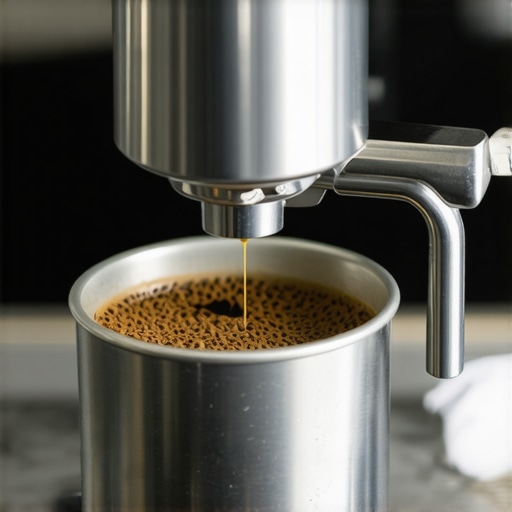
Many home espresso enthusiasts believe that owning the latest, most expensive equipment guarantees perfect results, but in reality, understanding the nuanced workings of your machine makes a far bigger difference. One common misconception is that high-end gear automatically produces superior espresso without proper technique. As an expert in espresso craftsmanship, I’ve seen countless setups where novices dump money into shiny machines or premium grinders without mastering foundational skills, leading to subpar shots despite top-tier equipment. According to renowned barista trainer Scott Rao, technical proficiency and understanding your equipment’s limitations are key to brewing excellence, far more than price tags or brand names. Therefore, focusing on calibration, maintenance, and honing your pour techniques yields better results than simply upgrading your machine repeatedly. Additionally, many people overlook that improper grinder settings are a primary cause of inconsistent extraction. A common mistake is assuming grinder burrs stay sharp forever; in truth, regular cleaning and calibration are essential to prevent uneven grounds and channeling issues. Don’t fall for the myth that larger grinders or those with higher wattage alone improve results—precision and consistency matter more, so choose a grinder suitable for your needs and learn to dial it in properly. Moreover, the misconception that milk frothers are universally effective ignores their differing capabilities. Simple handheld frothers may seem convenient but often don’t produce microfoam suitable for latte art, unlike dedicated steam wands or high-quality milk frothers. The key is understanding each tool’s limitations and purpose to optimize your workflow.
What advanced mistake do even experienced home baristas often neglect?
Many forget that water quality impacts the taste just as much as grind size or tamping pressure. Hard water can cause mineral buildup, leading to inconsistent pressure and scorched taste. Using filtered or bottled water can make a significant difference in maintaining equipment longevity and flavor purity. A study published in the Journal of Food Science highlights how mineral content affects espresso extraction and machine performance. So, instead of relying solely on your equipment, consider investing in proper water filtration to elevate every shot. Are you aware of hidden pitfalls like this? Have you fallen into this trap? Let me know in the comments, or reach out through contact form to discuss your setup.
Keep Your Coffee Equipment Running Smoothly
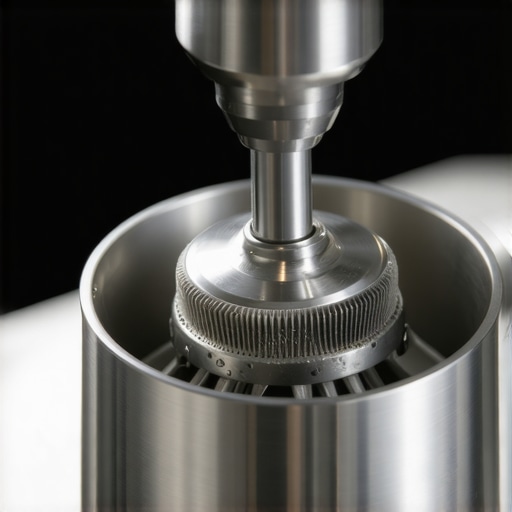
Investing in high-quality espresso machines and accessories is only the first step toward achieving barista-level results at home. To maintain peak performance, regular upkeep and using the right tools are essential. For example, I personally swear by using a bristle brush set designed for grinders—it ensures my burrs stay free of coffee oils and debris, preventing clogs and inconsistent grinds.
Long-term results depend heavily on consistent maintenance routines. I recommend scheduling a monthly deep clean of your espresso machine’s group head and steam wand. Additionally, using a precision dosing funnel helps keep your workspace tidy and reduces waste, ensuring your tools stay in top shape. Being proactive prevents costly repairs and keeps your coffee tasting exceptional.
What are the best tools for ongoing espresso machine care?
Beyond standard cleaning brushes and descaling solutions, consider acquiring a general maintenance kit that includes silicone grease, O-rings, and a cleaning cloth. These small investments extend the lifespan of seals and components, saving you money over time. I also recommend using a pressure gauge tool to monitor your machine’s performance—getting familiar with these metrics can reveal issues before they turn into costly emergencies.
For grinders, regular burr cleaning and calibration are non-negotiable. I do this at least once every two weeks, especially if I switch beans frequently. Not only does this improve grind consistency, but it also prolongs the lifespan of my grinder motor. Think of it as giving your equipment a wellness check that keeps it humming along effortlessly.
Future Trends in Equipment Maintenance
Looking ahead, I believe that smart, app-controlled tools will revolutionize how we care for our espresso setups. Imagine sensors embedded within your machine that alert you when descaling is needed or when seals require replacement—reducing downtime and guesswork. Companies are already moving in this direction; for example, integrating IoT technology with grinders can help you preemptively address clogging issues. Staying ahead of these innovations means investing not just in good gear, but in smart maintenance practices.
How do I maintain my espresso gear over time?
The key is establishing a routine and using the right tools. Regular cleaning with dedicated brushes, descaling at recommended intervals, and monitoring performance with tools like pressure gauges or digital scales make all the difference. Don’t forget to lubricate seals and replace worn parts proactively. If you’re unsure about specific procedures, consulting comprehensive guides or reaching out via the contact page can provide personalized advice. Remember, a well-maintained machine is the foundation of consistently excellent espresso—so take care of your gear, and it will reward you with years of perfect shots. Want to level up your routine? Try incorporating a quick descaling method today for immediate benefits.
Mastering the art of home espresso isn’t just about having top-notch equipment; it’s about understanding the subtle lessons that transform good coffee into an exceptional experience. Over the years, I’ve uncovered some personal insights that go beyond the typical troubleshooting guides, revealing deeper truths about consistency and care in your brewing routine.
The Little Tactics That Changed My Coffee Routine
- Embrace patience with grind adjustments. I used to rush to dial in my grinder, but I learned that small, incremental changes yield better results than big, frustrating tweaks.
- Prioritize routine maintenance over gadget upgrades. Regularly cleaning and calibrating my grinder and machine made a more noticeable difference than purchasing new gear.
- Focus on water quality as much as grind size. Using filtered water prevented mineral buildup and preserved the clarity of my shots, a detail many overlook.
Tools and Resources I Can’t Live Without
- Burr cleaning tools: Critical for keeping grounds consistent and preventing clumping.
- Precision dosing funnels: Improve cleanliness and dosing accuracy, reducing waste and mess.
- Maintenance kits: Prevent costly repairs and extend equipment lifespan.
- Expert guides on selecting gear: Help make informed choices tailored to your brewing style.
Your Journey: Brewing with Intent and Care
Every espresso shot is a new opportunity to learn, improve, and enjoy. The path isn’t about perfection but about connection—between you, your tools, and your coffee. With thoughtful adjustments and consistent routines, you’ll discover that excellence doesn’t require complicated tricks—just patience, passion, and a willingness to refine your craft. Curious about fine-tuning your setup or troubleshooting persistent issues? Reach out through my contact page for personalized tips. Remember, your best espresso awaits—embrace the process and enjoy every shot along the way.