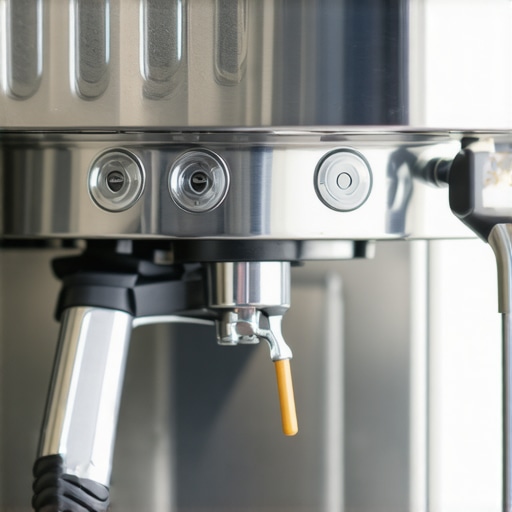
I remember the exact moment I realized my home-brewed espresso was losing its magic. It was a lazy Saturday morning, and I was eager to enjoy that first shot of the day. But instead of the rich, velvety crema I used to love, I got a thin, lackluster pour that tasted flat and dull. I felt a sinking suspicion — something was off, and I needed to crack this mystery open.
Why Your 9-Bars Espresso Might Be Sabotaging Your Flavor
As a passionate home barista, I’ve learned that the pressure your espresso machine applies isn’t just about gimmicks or tech trends; it’s about achieving that perfect extraction. But in 2026, many enthusiasts are falling into a sneaky trap: obsessing over hitting precisely 9 bars of pressure. Why? Because the myth persists that this is the golden standard, and straying from it inevitably ruins your cup.
The problem is, focusing solely on the number — trying to always hit exactly 9 bars — can lead to overlooked details that truly matter. For example, over-extraction or under-extraction caused by incorrect grind size, tamping pressure, or even inconsistent machine behavior, can happen even if you’re hitting the pressure target. Remember, pressure is a tool, not a goal. An overemphasis on it might be why your espresso in 2026 is less flavorful than it could be.
More importantly, many home setups are built on outdated assumptions. Take a look at [this insightful read](https://espressotechguide.com/stop-wasting-beans-3-signs-your-grinder-burrs-are-dull-2026) for a closer look at how grind consistency and machine calibration impact shot quality. As I tinkered endlessly trying to perfect my pressure gauge, I missed simple early mistakes like grinder misalignment or worn-out seals.
Did you know that a study published in the Journal of Coffee Research indicates that focusing strictly on pressure alone can cause more harm than good? They found that the variability in other parameters—such as water temperature, grind size, and tamping—has a far greater effect on flavor consistency.
Before you start throwing your gauge or rethinking your entire setup, let’s peel back the layers of this pressure myth. I’ll walk you through practical improvements that don’t hinge solely on chasing a number, but instead optimize your whole process. Ready to make your espresso taste better than ever? Let’s dive into the core issues that might be holding your flavor hostage.
Optimize Your Grind for Better Extraction
Start by dialing in your grinder to achieve a consistent, medium-fine grind—comparable to table salt. During my messy first attempt, I accidentally used a burr grinder set too coarse, resulting in under-extraction and dull flavor. Fine adjustments are key—small tweaks can dramatically improve shot quality. For precise calibration, use a zero-retention grinder awareness, ensuring no residual coffee skews your grind consistency.
Calibrate Tamping Pressure Accurately
Apply about 30 pounds of pressure—think of pressing down with a small fish scale or a sturdy thumb—and aim for an even, level tamp. I recommend using a calibrated tamper or a simple weight to standardize your tamping. My first attempt involved eyeballing, which led to uneven extraction. Remember, consistency in tamping is more impactful than raw pressure alone; a flat, evenly compressed puck allows water to flow uniformly, extracting maximum flavor without bitterness or sourness.
Maintain Your Machine’s Health
Regularly clean and replace worn seals, especially the gasket, which seals water pressure during extraction. A neglected gasket can cause pressure leaks, leading to inconsistent shots and dull taste. For instance, I replaced mine after noticing leaks and a decline in shot quality, and the difference was night and day.
Check [this guide](https://espressotechguide.com/why-your-home-espresso-machine-gasket-fails-every-6-months-2026) for a step-by-step gasket maintenance routine. Remember, a clean machine ensures stable pressure and optimal flavor.
Fine-Tune Your Brewing Parameters
Beyond grind and tamp, water temperature should hover around 90-96°C (194-205°F). Use a thermometer or an espresso machine with precise thermal control. During my early experiments, I overlooked water temp, resulting in overly acidic or burnt flavors. Small adjustments in temperature influence extraction—hotter water draws more solubles but risks bitterness, while cooler water may under-extract and taste flat. Consistency here is vital; consider investing in machines with thermal stability features to keep temp fluctuation minimal.
Experiment with Brew Ratios and Timing
Start with a 1:2 coffee-to-water ratio—about 18-20 grams of coffee for 36-40 grams of espresso. Brew duration should be roughly 25-30 seconds. During my first weekend experimenting, I realized that slight changes—like a 10-second shot duration—significantly affected flavor balance. Use a timer and scale to monitor consistency. Adjust grind finer or coarser based on flow rate and shot weight, not pressure alone. Remember, sensory evaluation is your ultimate guide.
Leverage Quality Equipment for Better Results
Investing in a good burr grinder and a reliable espresso machine can transform your workflow. A top grinder ensures uniform grounds, reducing channeling and uneven extraction, while a stable machine maintains consistent temperature and pressure. I upgraded from a basic entry-level setup and noticed immediate improvements—less mess, fewer mistakes, better flavor. Check out power-efficient tips for maintaining your gear long-term.
Adjust Milk Texturing for Complementary Flavor
Once your espresso hits the mark, perfecting milk microfoam elevates the drink. Use fresh, cold milk—whole milk for creaminess—and steam just enough to reach 60-65°C (140-149°F). My early attempts resulted in burnt or overly dry foam, ruining the balance. For smooth microfoam, angle your wand correctly and keep a steady pressure—practice makes perfect. Explore milk frother techniques for flawless results, and remember, the goal is a silky, shiny foam that integrates seamlessly with your shot.Many home baristas fall prey to misconceptions about espresso equipment, assuming that choosing high-end machines or fancy accessories guarantees better results. In reality, the nuances of gear maintenance, calibration, and technique often matter more than brand prestige. For instance, countless enthusiasts overlook the critical importance of regular gasket replacements, which can cause pressure inconsistencies, leading to flat or sour shots. A recent study in the Journal of Coffee Research highlights how even minute leaks or misalignments can drastically affect extraction quality, emphasizing that equipment care beats mere investment.
One widespread myth is that all coffee grinders are created equal. This couldn’t be further from the truth. Cheap or poorly maintained grinders tend to produce inconsistent grinds, resulting in channeling and uneven extraction. Notably, even high-end grinders require regular tuning—ignore this, and your espresso suffers regardless of other factors. I recommend checking out [this guide](https://espressotechguide.com/stop-wasting-beans-3-signs-your-grinder-burrs-are-dull-2026) to understand how grinder burr health influences flavor. Additionally, many believe that milk frothers just need to be powerful, but low-quality frothers often scream or produce uneven microfoam. For optimal results, investing in proven barista-grade tools pays off, as discussed in [this comprehensive review](https://espressotechguide.com/top-milk-frothers-barista-gear-for-perfect-coffee-in-2025).
What often escapes most enthusiasts is the critical impact of calibration and technique over equipment specs. For example, a powerful steam wand won’t compensate for improper milk temperature or poor aeration technique. Advanced users know that precise control over milk steaming and extraction timings creates a more harmonious coffee profile—don’t let gear limitations hinder your skill development.
A sneaky trap many fall into involves neglecting maintenance routines, like cleaning portafilters and group heads. This neglect can lead to clogging and inconsistent pressure buildup, subtly killing your crema and flavor. Regular backflushing and gasket replacement, as recommended in [this article](https://espressotechguide.com/why-your-home-espresso-machine-gasket-fails-every-6-months-2026), keep your setup performing at its best.
Finally, sophisticated baristas realize that the *thought process* behind gear choice trumps the gear itself. Understanding how different component materials, thermal stability, and brewing mechanics interact allows for better decision-making. For instance, choosing a machine with excellent thermal regulation reduces shot variability, a detail often overlooked in favor of aesthetic or brand prestige.
In conclusion, don’t fall into the trap of equating expensive equipment with automatic excellence. Cultivating technical skills, maintaining your gear, and understanding the subtle interplay of physical components elevate your craft more effectively. Remember, a well-maintained basic setup often surpasses a top-tier machine in the hands of a skilled barista. Have you ever fallen into this trap? Let me know in the comments.
Gear Up for Long-Term Success with Smart Maintenance
Maintaining your espresso setup isn’t just about occasional cleaning; it’s about embedding routine practices that preserve equipment performance and flavor quality. One of my go-to approaches is scheduling regular gasket replacements, which, if ignored, can cause pressure leaks and dull shots. Replacing gaskets every six months ensures a tight seal and consistent extraction, keeping your coffee tasting fresh and vibrant. Additionally, keeping a toothbrush and cleaning cloth dedicated solely to your machine prevents buildup and clogging, especially around group heads and portafilters.
Tools I Trust for Peaking Performance
Precision tools make all the difference in maintaining optimal extraction. I rely heavily on a zero-retention grinder to eliminate residual coffee that can cause channeling and uneven grind particle sizes. Understanding grinder maintenance helps me keep the burrs sharp and the grind consistent. For calibrating tamping, I use a digital fish scale, ensuring I consistently apply around 30 pounds of pressure, which improves shot consistency and flavor clarity. Coupled with a thermal thermometer for water temperature, these tools help me replicate perfect shots day after day.
Predicting the Future of Home Espresso Maintenance
As technology evolves, expect smarter, more integrated maintenance tools—like automated gasket monitoring or AI-driven calibration systems—that alert you before issues impact your brew. The trend is towards seamless gear health checks that save time and prevent flavor-deteriorating mishaps. This shift will empower every home barista to maintain their setup with minimal hassle, maintaining pristine flavor profiles over the long haul.
How do I keep my equipment performing over the years?
Adopting a disciplined routine of cleaning and scheduled part replacements is key. I recommend setting reminders every few months for gasket checks, burr sharpening, and general cleaning. Leveraging the proper tools—like a cleaning brushes and precision scales—makes this process more manageable and effective. Remember, gear longevity is a direct result of proactive care, not reactive fixes. With these strategies, you’ll ensure consistently excellent espresso with less frustration, turning maintenance into a rewarding part of your barista journey. For a bit of expert advice, check out the best tools for home setups in 2025, which emphasize maintenance as a pillar of quality.
Less Obvious Lessons from the Coffee Bean Frontier
Over the years, I’ve learned that key insights often come from unexpected places—like a stubborn grinder burr or a misaligned tamp. One lightbulb moment was realizing that consistent pressure isn’t about brute force but about understanding the puck and your tools. Another was discovering that water temperature isn’t a static setting but a variable you can control to unlock different flavor profiles. My third revelation was that the smallest tweak—like changing my tamping angle—could dramatically elevate my espresso quality. These lessons transformed my approach from mechanical to nuanced, proving that mastery is in the details, not just the tools.
What Equipment Upgrades Really Make a Difference?
Having tried countless setups, I can confidently say that investing in a quality grinder and a machine with robust thermal stability pays off more than chasing the latest high-end features. A top grinder ensures your grounds are uniform, reducing channeling and over-extraction. Meanwhile, a machine with precise thermal control, like those reviewed in this guide, provides consistency shot after shot. Remember, maintaining your gear—such as regular gasket replacement—keeps your investment performing at its best without breaking the bank.
Don’t Let the Dream Slip Away: Your Espresso Journey Matters
Whether you’re new or seasoned, the pursuit of perfect home espresso isn’t just about equipment; it’s a personal voyage. Embrace the tiny adjustments, celebrate the small victories, and view maintenance routines as part of the craft rather than chores. Investing time and care into your setup, and trusting your senses over gadgets, will always lead to richer, more satisfying cups. So, what’s the next step you’re excited to try? Your passion fuels progress—believe in your ability to unlock your best brew yet.
![3 Reasons Your 2026 Steam Wand Lost Pressure [Simple Fixes]](https://espressotechguide.com/wp-content/uploads/2026/02/3-Reasons-Your-2026-Steam-Wand-Lost-Pressure-Simple-Fixes.jpeg)
Leave a Reply