Why Your Espresso Tastes Salty and the Water Fix That Works
Ever pulled that perfect shot only to be hit with an unexpected salty flavor that doesn’t sit right? I remember the exact moment I realized my espresso was tasting off—my usual rich, balanced brew turned into a salty surprise. It was frustrating, confusing, and honestly, a little embarrassing. I knew I wasn’t alone in this, and after digging through countless forums and trial-and-error sessions, I uncovered something that changed my mornings forever.
One morning, while battling a particularly stubborn salty taste, I decided enough was enough. I looked into the water quality, the machine’s internal parts, and even the water filter. What I found was eye-opening: often, the culprit isn’t the beans or the grind, but the water itself. Hard water with excessive minerals, especially chlorides, can contribute to a salty or metallic flavor in your espresso.
But here’s the good news—this isn’t a flavor you have to endure forever. Today, I’ll walk you through the exact water fix that works, based on my own experience and what I’ve learned over years of brewing. By the end of this, you’ll understand why your espresso tastes salty and how to fix it effectively.
Stop Salty Espressos in Their Tracks: The Simple Water Solution
Minerals in tap water, such as chloride and sulfate, can significantly influence your coffee’s flavor profile. The key is controlling water composition to ensure it complements your espresso, not ruins it. Installing a good-quality water filter designed for espresso machines can make a world of difference. Look for filters that reduce chlorides and other salts. Additionally, using filtered or bottled water designed for brewing can save you a lot of headaches.
Early on, I made the mistake of relying on untreated tap water, assuming it would do just fine. That was a mistake I paid for with every salty sip. If you’re battling similar issues, I strongly recommend checking your water’s mineral content and considering a water filtration system tailored for espresso machines. For detailed guidance, I found this resource incredibly helpful: [Why Your Water Reservoir is Growing Slime and How to Sanitize It Safely](https://espressotechguide.com/why-your-water-reservoir-is-growing-slime-and-how-to-sanitize-it-safely). It covers how water quality directly affects machine hygiene and flavor.
Are you currently dealing with a salty or metallic taste in your espresso? If so, you’re not alone—and more importantly, you’re not stuck with it. The fix involves understanding water chemistry and making a few tweaks that can turn your bitter, salty mornings into smooth, flavorful cups. Next, let’s explore some common mistakes that could be amplifying the problem and what you can do right now to avoid them.
Test and Monitor Your Water Quality
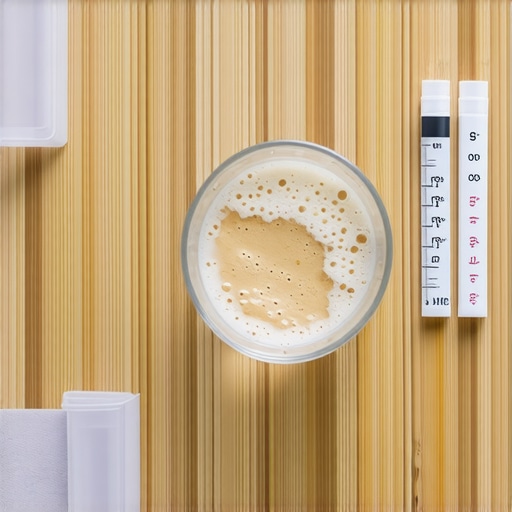
Begin by testing your tap water’s mineral content. Use a water testing kit or send a sample to a lab to check for chlorides, sulfates, and total dissolved solids (TDS). Having precise data allows you to tailor your water treatment. I once tested my water and discovered high chloride levels, which explained the salty aftertaste. After identifying this, I moved to the next step.
Choose the Right Water Filtration System
Select a filter designed for espresso machines. Look for resin-based filters or reverse osmosis (RO) units that reduce chlorides and other harmful minerals. I installed a carbonate-based filter and saw immediate improvements in flavor. Ensure the filter’s compatibility with your machine’s capacity. Regularly change the filter according to manufacturer instructions to maintain water purity.
Adjust Water Hardness and pH
Using softened water can reduce mineral buildup and improve taste. If you have hard water, consider adding a water conditioner or adjusting mineral content with food-grade additives. pH should be between 6.5 and 7.5 for optimal extraction. I used a pH test strip and adjusted accordingly with mineral additives, resulting in a smoother shot.
Implement Filtration and Carbon Filtering
Using activated carbon filters helps eliminate chlorine and chlorides that can cause salty flavors. Attach the filter directly to your water source for convenience. I added a carbon pre-filter to my water line, which significantly reduced off-flavors and extended the lifespan of my machine components.
Flush Your Machine Regularly
Regularly flushing your espresso machine removes mineral deposits and prevents salty or metallic tastes. Follow your machine’s maintenance schedule and run flushing cycles with clean water. A quick flush saved me from a salty shot after a long brewing session.
Maintain and Clean Water Components
Disassemble and clean the water reservoir, filters, and internal parts periodically. Use vinegar or approved descaling agents to dissolve mineral buildup. Proper maintenance ensures consistent water quality. I scheduled bi-weekly cleanings, which kept the mineral levels low and flavor pure.
Final Tip: Use Bottled or Filtered Water for Best Results
If your tap water quality is questionable, switch to high-quality bottled or filtered water specifically designed for espresso brewing. I’ve found that investing in good water makes a noticeable difference in taste and machine longevity.
Applying these steps transformed my mornings. The salty, metallic sip became a thing of the past, replaced by balanced, rich espresso. Remember, controlling water chemistry is the foundational step to perfecting your brew and avoiding salty surprises.
 Many home baristas believe that achieving the perfect espresso hinges solely on quality beans and a precise grind, but in reality, the nuances run much deeper. One widespread myth is that a high-end espresso machine alone guarantees great results; however, even the most expensive equipment can produce lackluster shots if overlooked details aren’t addressed, such as water quality or routine maintenance. For instance, an improperly calibrated grinder can lead to inconsistent particle sizes, resulting in uneven extraction and bitter or sour notes—detailed insights on correcting this are available in our guide on fixing grinder adjustment rings. Moreover, many enthusiasts underestimate the impact of water chemistry. As recent studies highlight, mineral content and pH levels significantly influence flavor and machine longevity, so regular testing and proper filtration are essential. Yet, a common mistake involves over-tamping the coffee, which increases resistance and may cause channeling, a problem that can be mitigated through proper tamping pressure techniques discussed here. Advanced users often ponder whether adjusting shot temperature or pressure yields better results than focusing on pre-infusion routines; research suggests that consistent pressure control combined with optimal water temperature dramatically enhances clarity and sweetness. Don’t fall for the misconception that upgrading gear alone will elevate your espresso; instead, mastering execution and understanding subtle factors like portafilter alignment or puck conditioning can make all the difference. And if you’re experimenting with milk frothers, keep in mind that issues like large bubbles or scalding are frequently caused by improper steaming techniques or equipment malfunction—solutions for these are detailed in our troubleshooting article. Remember, even seasoned baristas occasionally overlook small yet influential details, so regularly reviewing your process ensures continuous improvement. Have you ever fallen into this trap? Let me know in the comments. For more advanced tips, explore our article on eliminating metallic tangs in your shots, which delves into deeper water treatment nuances, or learn how to troubleshoot pump failures efficiently.Maintaining a high-performing espresso setup requires more than just good beans and a solid machine; it involves mastering the right tools and routines to keep everything running smoothly over the long term. One of the foundational elements is choosing equipment that stands up to daily use and provides precision. For instance, I rely heavily on a calibrated digital scale like the [Acaia Pearl](https://espressotechguide.com/how-to-fix-sour-espresso-shots-without-changing-your-grind-size), which ensures consistent shot timing and allows me to fine-tune every brew. Accurate measurements are pivotal, especially when dialing in new beans or adjusting for subtle water quality variations.
In addition to tools, regular maintenance is a must. I keep a set of precision screwdrivers and cleaning brushes dedicated solely to my espresso gear. These enable me to perform quick upkeep—like cleaning portafilter baskets and descaling internal components—without risking damage. A deep-cleaning routine, scheduled monthly, extends the life of my machine and preserves flavor integrity. During these sessions, I inspect seals, O-rings, and filters for wear, replacing them as needed. Recognizing the signs of wear early can prevent costly repairs down the line.
Investing in high-quality water filtration systems is also critical. I installed a reverse osmosis filter paired with a mineral cartridge, which reduces harmful minerals and adjusts pH—ensuring my water contributes positively to extraction. Regularly testing my water with a TDS meter helps me monitor mineral levels, preventing flavor issues like saltiness or metallic tastes.
For more advanced diagnostics, I utilize software that pairs with proprietary machine interfaces, allowing me to track pressure profiles and temperature stability over time. This data helps predict when a machine might need calibration or component replacement, streamlining maintenance and minimizing downtime.
Looking ahead, I predict smart diagnostics and IoT-integrated machine monitoring will become standard, making home espresso maintenance even more straightforward. Imagine receiving real-time alerts about filter replacements or descaling needs right on your smartphone.
**How do I keep my gear working seamlessly over the years?** Regularly cleaning and inspecting essential parts like the group head, portafilter, and steam wand is vital. Incorporate routine checks for leaks, pressure irregularities, and calibration drift—factors that directly impact shot quality. For example, if your shots start pulling sour or uneven, it could be a sign your grinder needs dialing in or your machine’s pressure requires adjustment. A detailed guide on fixing pressure issues is available here.
I also recommend practicing a habit of recording your brew parameters every few weeks. This helps identify subtle shifts, ensuring you maintain consistency and avoid costly surprises. When I notice my grinder’s adjustments starting to drift, I refer to detailed tutorials, such as this one on fixing a grinder adjustment ring that refuses to budge, to recalibrate efficiently.
Ready to elevate your maintenance routine? Pick one area—perhaps your water quality or grinder calibration—and apply these tools and routines diligently. Taking proactive steps now will save you time and money, while consistently serving up perfect espresso.
The Hardest Lesson I Learned About Home Espresso, Coffee Grinders, Espresso Machines, Barista Gear, Milk Frothers
One profound realization was that even the fanciest machine can’t compensate for poor water quality. I once assumed that upgrading my grinder or tweaking my tamping technique alone would bring out the perfect shot, but I overlooked water altogether. The salty taste I encountered was a wake-up call, teaching me that water chemistry is the unsung hero in espresso clarity and flavor.
Curated Tools that Made a Difference in My Journey
Investing in a high-quality TDS (Total Dissolved Solids) meter allowed me to monitor my water’s mineral content precisely, preventing salty surprises. An advanced reverse osmosis (RO) filtration system dramatically improved water purity, which I recommend for serious home baristas. Additionally, exploring [the comprehensive guide on water sanitization](https://espressotechguide.com/why-your-water-reservoir-is-growing-slime-and-how-to-sanitize-it-safely) revealed best practices to keep my setup pristine, extending machine lifespan and taste quality. Lastly, I trust the detailed tutorials on adjusting mineral ratios to optimize pH and hardness, ensuring every shot is a masterpiece ready to savor.
Your Path to Flavor Confidence Starts Now
Mastering the art of water management is a transformative step for anyone serious about home espresso. By understanding and controlling your water’s chemistry, you’ll not only eliminate salty surprises but also unlock deeper, more nuanced flavors in every cup. The journey may require some initial effort, but the reward—consistently exceptional espresso—is well worth it. So, why not start today? Your taste buds—and your espresso machine—will thank you.