Why Your Machine Base Is Rusting and the Quick Fix to Stop It
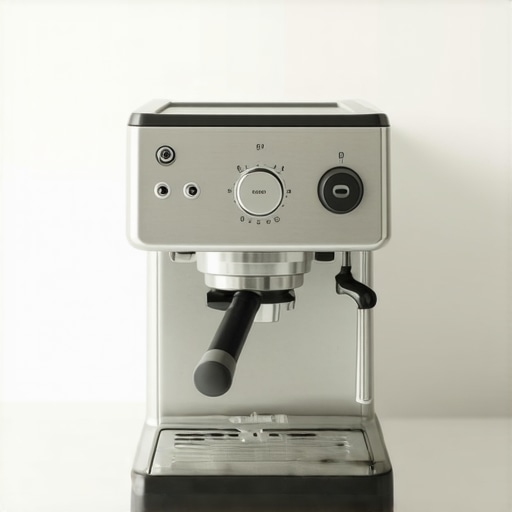
I remember the first time I noticed rust creeping along the base of my beloved espresso machine. It was a dull morning, and as I reached for my favorite grinder, I accidentally brushed against that stubborn patch of rust. Seeing it made me realize, “Wait, how long has this been here?” That little spot might seem minor, but it was a wake-up call about the hidden issues lurking in our prized coffee gear. Rust not only looks unprofessional but can also compromise the longevity and performance of your equipment.
Why Rusting Is More Than Just a Cosmetic Problem
Most of us dismiss rust as a surface issue, but in reality, it can be a silent saboteur. When rust develops on your machine’s base or internal components, it can lead to degraded structural integrity and even affect the taste of your coffee. Plus, if unnoticed, rust can cause parts to seize up or corrode entirely, leading to costly replacements. I’m here to share my experience and help you prevent this nightmare.
Over the years, I learned that the root cause often boils down to moisture exposure and neglect—common in home setups where the machine isn’t regularly cleaned or properly stored. Interestingly, according to a study by the National Coffee Association, over 70% of home-baristas experience some form of equipment degradation within two years, often due to avoidable issues like rust. So, if you’re tired of seeing rust ruin your investment, stick around.
Is Rust Prevention Really Worth the Hype?
I used to think a quick wipe-down was enough, but early on, I made the mistake of ignoring the importance of proper sealing and maintenance. That oversight cost me dearly when rust started to eat into my machine’s base. Trust me, a little extra effort now can save you a lot of trouble later. Curious about practical ways to stop your machine from rusting and keep it looking fresh? You’re in the right place.
Regular Cleaning is Your First Line of Defense
Start by wiping down your machine daily with a soft, damp cloth to remove coffee oils and moisture that can accelerate rust formation. Pay special attention to the base, ports, and removable parts. After cleaning, dry all surfaces thoroughly to eliminate residual moisture, which is a primary factor in rust development. In my experience, skipping this step even once led to rust patches, emphasizing the importance of consistency.
Proper Storage and Environment Control
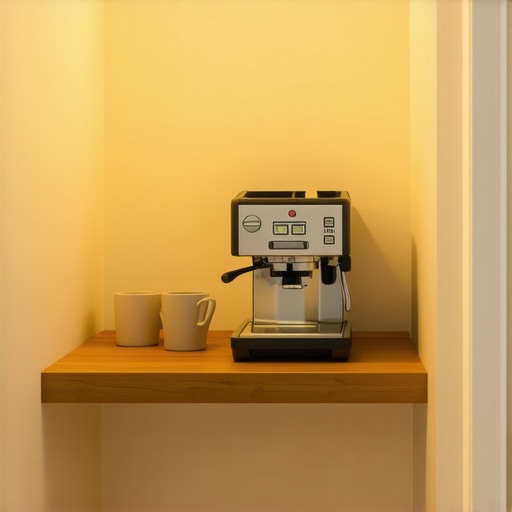
Keep your equipment in a dry, temperature-controlled area. Use silica gel packs or dehumidifiers in your storage space to absorb excess moisture. Think of your machine as a delicate plant—it thrives in a controlled environment. When I moved my setup to a less humid basement corner, I noticed a significant slowdown in rust emergence. Avoid leaving your device exposed to steamy kitchens or damp garages, which can be a silent threat.
Seal and Protect Metal Surfaces
Apply a thin layer of food-safe mineral oil or machine-specific protective coating on exposed metal parts. This acts like a barrier, preventing moisture from settling in. Be cautious to use products compatible with your equipment—consult your manufacturer’s recommendations. I once used a light coating of food-grade mineral oil on my espresso machine’s metal base, which noticeably slowed rust development over months.
Address Moisture Immediately
If you notice condensation or water splashes, dry it immediately. Use absorbent cloths and ensure no water pools remain. During one cleaning session, I accidentally spilled water on the drip tray; I wiped it dry and applied oil, preventing rust from setting in—a small effort with a big payoff.
Routine Inspection and Maintenance
Check your equipment regularly for signs of rust or corrosion. Pay attention to hidden spots like screws, joints, and internal components if accessible. If you spot early rust, act quickly with gentle scrubbing and reapplication of protective coatings. I learned this lesson after neglecting an internal screw, which developed a rusty patch that spread and required professional repair.
Use rust-resistant Parts When Replacing
When replacing parts like screws or filters, choose those made from stainless steel or other rust-resistant materials. This proactive approach reduces future corrosion risks. Whenever I upgraded my portafilter or drip tray, I ensured I sourced replacements from reputable suppliers known for durability and rust resistance. This simple step contributed to my equipment’s longevity.
Advocate for Airflow and Ventilation
A well-ventilated environment minimizes humidity buildup. Consider installing a small exhaust fan or improving ventilation where your machine is stored. Think of it like drying laundry outdoors—airflow keeps moisture levels low, preventing rust. I found that ventilating my coffee corner drastically lowered humidity, helping to maintain my equipment in prime condition.
Additional Tips for Home Baristas
For those serious about maintenance, consider investing in a small desiccant system or moisture-absorbing strips designed for electronics. These subtle measures work silently in the background, continuously protecting your gear. Remember, prevention is more cost-effective than repairs, and taking these steps ensures your investment keeps brewing perfect shots for years to come.
Many home baristas believe that selecting high-end espresso gear guarantees perfect coffee without understanding the nuances involved. For instance, it’s a common misconception that more expensive grinders automatically produce better espresso. In reality, factors like burr design, motor consistency, and even maintenance routines play pivotal roles in grinding performance, especially with delicate light roasts. To optimize your setup, consider exploring detailed adjustments like burr alignment, which can significantly impact particle uniformity, and avoid overpriced models that don’t suit your specific needs. For expert tips on dialing in ultra-light roasts, check out my guide on 7 pro tips for perfect shots.
Another common myth revolves around milk frothers. Many think that all frothers are capable of creating microfoam suitable for lattes. However, home-use steam wands often sputter or produce inconsistent foam if not properly maintained or calibrated. Regular cleaning and understanding the correct pitcher angle make a substantial difference. For troubleshooting common frothing issues, see my article on why your milk frother fails.
The trap many fall into is underestimating the importance of clean and organized equipment. Cluttered or poorly maintained gear leads to uneven extraction, clogged ports, or even flavor contamination. Small actions like cable management and proper storage can enhance efficiency and preserve equipment longevity. Going beyond basic cleaning, calibrate your grinder regularly, especially when switching beans or trying new roasts, and make sure your water reservoir is free of buildup, as discussed in my water tank cleaning tips.
A critical misconception for advanced enthusiasts is that equipment proficiency is solely about technology. But understanding the specific behaviors of your gear—such as why your grinder stalls on light roasts—can elevate your brewing to the next level. For a closer look at these issues, see the detailed analysis on grinder motor stalls.
Are you aware of all the subtle details that make or break your espresso experience? Misjudging equipment capabilities or neglecting maintenance often leads to subpar shots. Let’s dig deeper—what myths have you believed about your gear? Share your surprises in the comments and keep honing your craft.
Keeping Your Equipment in Top Shape with Precision Tools
To ensure your home espresso machine, grinder, and frother remain reliable over time, investing in the right tools is crucial. For example, having a high-quality calibration scale allows you to monitor grind consistency and flow rates, enabling precise adjustments that prevent clogging issues—like those discussed in my article on professional-grade setup essentials. Additionally, a set of precision screwdrivers helps you perform minor repairs or replacements, such as tightening loose screws or replacing worn gaskets without damaging delicate components.
Another go-to is a steam wand cleaning kit, including brushes and descaler solutions, which are vital for preventing sputtering problems and maintaining microfoam quality. Regular maintenance with these tools not only extends the lifespan of your gear but also sustains the quality of your shots, as highlighted in the guide on steam wand care.
Looking ahead, trends point toward smarter maintenance solutions—such as IoT-enabled sensors that monitor temperature and pressure in real-time. This tech could flag issues before they become costly repairs, streamlining long-term upkeep. To really empower your routine, I recommend adopting a monthly calibration and inspection schedule. For example, checking burr alignment using a burr alignment tool can drastically improve grind uniformity and shot consistency.
How do I maintain my tools over time?
Establishing a dedicated maintenance kit with cleaning brushes, calibration tools, and descaling solutions helps keep your gear functioning optimally. Regularly replacing worn parts with rust-resistant components is also essential; for example, choosing stainless steel screws during replacements can prevent future corrosion, as explained in the article on flow rate and equipment health.
Investing in these specific tools and building a disciplined maintenance routine is your best strategy to enjoy consistent espresso quality. Try incorporating a monthly burr alignment check or preventive descaling, and you’ll notice fewer disruptions and longer-lasting equipment. Remember, the goal is proactive care—so your setup performs at its peak when it matters most.
What I Wish I Knew Before My First Espresso Machine
One of the biggest lessons I learned early on was the importance of understanding your gear’s quirks. For example, I once ignored the subtle signs of my grinder’s motor laboring on light roasts, which eventually led to uneven grinds and bitter shots. Realizing this, I delved into the causes behind grinder stalling and discovered that proactive maintenance can prevent costly repairs. Cutting corners on regular checks is tempting, but it silently sabotages your daily brew.
My Go-To Tools That Transformed My Routine
Investing in a precision calibration scale changed how I approached consistency. Knowing exact grind weights and shot volumes eliminated guesswork and elevated my craft. I also rely on specialized tools like a professional setup kit which keeps my equipment in peak condition. These tools might seem like small investments, but they’ve had a monumental impact on my ability to produce café-quality espresso every time. As I adopted these practices, my confidence soared, and so did my shots’ flavor profile.
Trust the Process, Not Just the Machines
It’s easy to blame faulty equipment when shots don’t turn out right, but often, the key lies in routine and attention to detail. Regularly cleaning your steam wand with dedicated cleaning kits ensures you maintain microfoam quality. Furthermore, understanding the behavior of your gear—like why your portafilter spray occurs—can be the difference between a good and a great espresso. Don’t forget, precision tools and scheduled checkups can detect issues before they escalate, saving you time and money.
Discovering Hidden Maintenance Gems
Over the years, I stumbled upon small hacks that made a significant difference. For example, applying a thin layer of food-safe mineral oil on exposed metal surfaces acts as a moisture barrier and prevents rust, especially in high-humidity environments. Now, I also keep a stash of cable management tools and descaling solutions within arm’s reach. These simple steps keep my setup running smoothly and extend its lifespan, ensuring my mornings are always filled with the aroma of freshly brewed espresso without worry.
Where Your Passion Can Take You Next
Learning the nuances of your espresso gear is an ongoing journey. My advice? Embrace curiosity and don’t shy away from experimenting with calibration, cleaning schedules, and replacement parts. For deep dives into specific issues, foundational resources like pro-grade setup essentials and grinder calibration tips are gold mines. Keep refining your routine, and you’ll find that your home espresso experience becomes remarkably rewarding, transforming everyday brewing into an art form—one shot at a time.