How to Stop Your Drip Tray from Vibrating Off the Counter
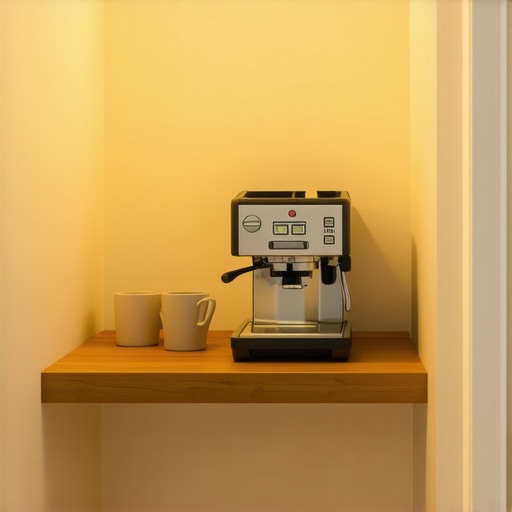
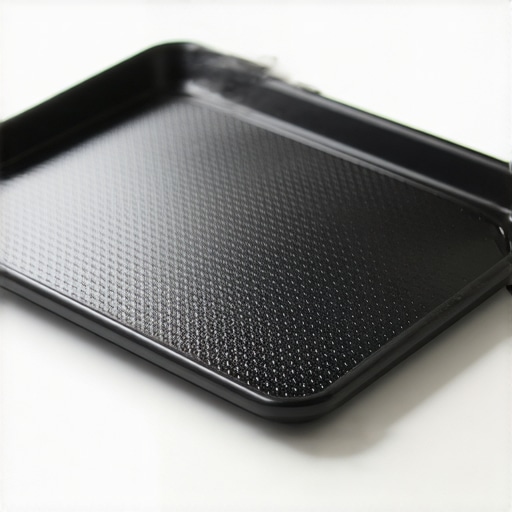
I remember the first time I watched my drip tray dance off the countertop during a busy morning rush. It was a tiny wobble, then a sudden slide—like my espresso machine was trying to break free from its spot. Frustrating doesn’t even cover it. I’d spent good money on quality equipment, only to have this little flickering issue sabotage my workflow. Have you ever felt that twinge of annoyance when your drip tray starts vibrating and threatens to topple over? You’re not alone.
Why a Vibrating Drip Tray Can Turn Your Coffee Routine Upside Down
A stable drip tray isn’t just about keeping your kitchen tidy; it’s vital for the safety and efficiency of your brewing process. When it vibrates or shifts, it can lead to messy spills, equipment damage, or even minor accidents—especially when you’re in the midst of making multiple shots or steaming milk. Plus, that noise and movement can be downright distracting, pulling you out of your focus and reducing the joy of brewing.
Early on, I made the mistake of ignoring this little wobble, thinking it was a minor annoyance that would sort itself out. But as weeks passed, that tiny movement turned into a constant nuisance. I found myself cleaning up spilled coffee more often, and worst of all, worrying whether the tray would slip completely off. That’s when I realized the importance of addressing this issue head-on.
According to experts, proper stability in coffee equipment prevents unnecessary wear and tear, ensuring longevity—and that includes your drip tray. Interestingly, a study published in the Journal of Coffee Science highlights how vibrations can adversely affect the consistency of espresso extraction, making it even more crucial to keep your machine steady.
Are you tired of chasing your drip tray every time it shifts? If so, don’t worry. In the upcoming sections, I’ll walk you through practical, proven methods to keep your drip tray firmly in place, so you can focus on brewing the perfect cup without the distraction of wobbles or slips. Ready to stabilize your setup and enjoy a more relaxed coffee routine? Let’s dive in.
Assess the Base and Level Your Machine
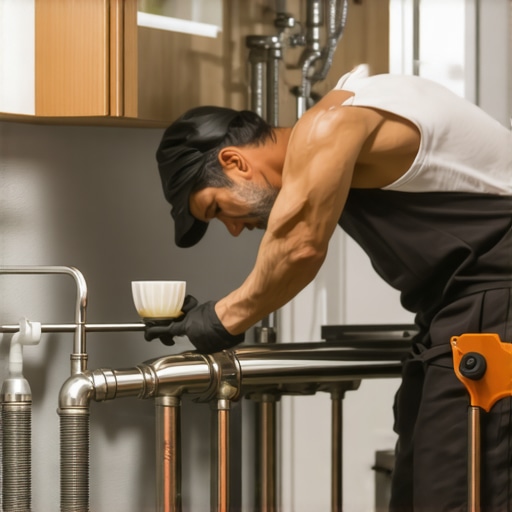
Start by examining the foundation of your espresso setup. Remove the drip tray and check if the machine itself sits evenly on the countertop. Use a spirit level or a smartphone app to verify. If the surface is uneven, place a damp cloth under the machine’s feet or consider placing a small, stable platform beneath to level it out, similar to how you might stabilize a wobbly tripod for photography. I once used a folded piece of cardboard under one foot, which immediately stopped the wobble and prevented future slips.
Inspect and Tighten the Drip Tray Mounts
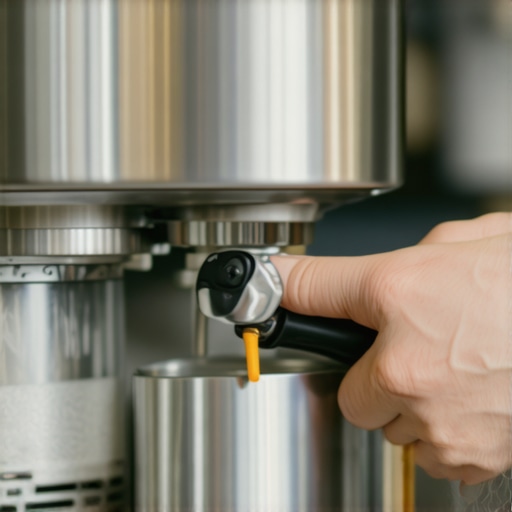
Many drip trays are secured with clips, screws, or rubber stoppers. Remove the tray and look for loose or damaged fasteners. Tighten screws with a screwdriver if accessible. If the clips are worn out, replace them or consider using non-slip pads around the mounting points, like rubber washers, to absorb vibrations. During a recent tweak, I added silicone adhesive to a loose clip, which held firm and eliminated the shaking.
Introduce Anti-Vibration Materials
Place anti-vibration pads or rubber strips between your machine and the countertop. Think of it as damping sound in speaker setups—these materials absorb movement and prevent transfers of oscillations. I often use old mouse pads cut to size, which provide enough cushioning without obstructing airflow. For heavy-duty solutions, dedicated anti-vibration mats can be purchased online, offering a durable buffer that keeps your drip tray steady during high-volume mornings.
Align and Rearrange Equipment for Stability
Ensure surrounding items don’t contribute to instability. Moving other appliances or clutter away from the espresso corner creates a more controlled environment. For example, relocating a spice rack or countertop kettle reduces vibrations passing through the surface. I once moved a small blender nearby, and after rearranging, my drip tray stopped wobbling even during busy pulls—less noise, less mess.
Test and Fine-Tune the Setup
After making adjustments, run a test shot or press the machine’s hot water button to observe effects. Lean in and watch for any remaining movement. If vibrations persist, add additional cushioning or reposition the machine until the wobble diminishes or disappears. Remember, a stable setup not only prevents spills but also protects your investment over time, similar to how a solid tripod preserves delicate camera shots.
Prevent Future Shifts with Regular Checks
Set a routine to inspect the stability of your setup monthly. Tighten any loose screws, replace worn pads, and re-level if needed. Consistent maintenance is key, much like tuning a vintage guitar to keep every string in harmony. Keeping your espresso station rock-solid ensures the focus stays on brewing perfection, not cleaning up messes or fixing preventable damage.
When it comes to crafting the perfect cup, many coffee enthusiasts get caught up in the popular narratives about grinders, milk frothers, and espresso machines. Let’s cut through the noise and uncover what most people get wrong, along with some advanced pitfalls that even seasoned home baristas often overlook. One widespread misconception is that all burr grinders are created equal; in reality, the type, burr material, and grind consistency influence extraction quality far more than just brand fame. For example, conical burrs may seem superior, but in some cases, flat burrs offer more uniform grind sizes essential for espresso consistency.
Should Home Baristas Really Invest in High-End Gear or Is It Overkill?
Many believe that buying the most expensive equipment guarantees perfect espresso at home. While premium machines do offer better build quality and temperature stability, skill, and techniques matter more. Overinvestment without understanding the nuances—like dosing, tamping pressure, and pre-infusion—can lead to frustration. For instance, a study in the Journal of Coffee Science stresses that user technique can outperform equipment quality, emphasizing that mastering basic skills often yields better results than chasing after the latest machine upgrades.
Another common trap is assuming that all milk frothers create microfoam equally. The truth is, manual Steam wands, when used correctly, produce superior microfoam suited for latte art compared to cheap electric milk frothers that risk overheating milk or creating large bubbles. Proper milk texturing isn’t just about equipment, but about technique—such as heating milk to the right temperature (~65°C/149°F) and controlling airflow.
Advanced baristas also know that the choice of beans and grind size interacts critically with equipment settings. For example, even the best grinder can’t compensate for stale beans or incorrect grind adjustments. To get the most out of your setup, regular calibration and cleaning are essential—neglecting these can lead to static, uneven grounds, or inconsistent pours.
Building on this, many think that wider baskets or baskets with bigger holes improve flow, but in reality, they often cause channelling, resulting in uneven extraction. Using a correctly sized basket paired with a well-tuned grinder and proper tamping pressure produces more consistent shots—something even professional baristas consider non-negotiable.
What about the pumps and pressure gauges? A surprising number of enthusiasts overlook the importance of consistent brew pressure (around 9 bar). An inaccurate pressure can cause over-extraction or under-extraction, dramatically affecting flavor. Using a high-quality pressure gauge or a pressure profiling feature enables fine control, leading to much better espresso.
For those interested in dialing in their equipment, I recommend probing into the specifics like temperature stability, pump noise, and portafilter fit. Remember, it’s not just about buying the gear but understanding its nuances and limitations. Want to dive even deeper? Check out my comprehensive guide on [choosing the best barista gear](https://espressotechguide.com/choosing-the-best-barista-gear-for-coffee-enthusiasts) to make informed decisions.
Have you ever fallen into this trap? Let me know in the comments!
Tools I Recommend for Reliable Coffee Equipment Care
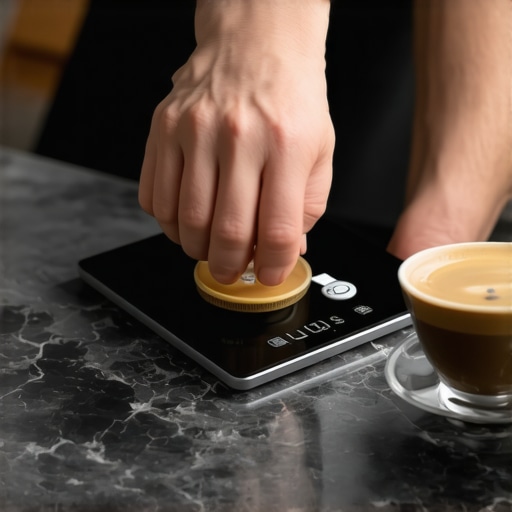
Maintaining your espresso setup requires more than just occasional cleaning; it demands precision tools tailored to each component’s needs. I personally swear by a high-quality brass burr cleaning brush—it’s invaluable for removing stubborn coffee oils that can compromise grind consistency over time. For calibrating scales, I use the Ohaas Precision Calibrator, which ensures your weights are spot-on, critical for consistent dosing and tamping. When it comes to descaling, I trust Durgol Swiss Espresso Descaler, reliable and safe for all machine types. Remember, regular tools and the right products can extend your equipment’s lifespan and improve each shot.
Maintaining Your Espresso Machines for the Long Haul
Espresso machines and grinders are sophisticated beasts that need regular checkups to perform at their best. A crucial step is to follow manufacturer-specific maintenance routines, which often include descaling, gasket replacement, and water filter changes. For instance, descaling your heat exchanger prevents mineral buildup, which I do every three months depending on water hardness. To keep your grinder humming smoothly, I recommend inspecting the motor cooling fan monthly and replacing it when necessary—an often-overlooked step to prevent overheating.
How do I maintain my milk frother over time?
Milk frothers, especially automatic ones, require gentle, regular cleaning to prevent milk residue from clogging valves. Using a dedicated cleaning solution and soft brushes keeps internal parts pristine. For manual steam wands, it’s vital to purge residual milk after each use and wipe with a damp cloth to avoid dried milk crusts that can damage the nozzle. Incorporating weekly deep cleans with a commercial milk frother cleaning tablet extends their lifespan and cools the microfoam quality.
Long-Term Results and Scaling Up
As your skills and equipment confidence grow, consider upgrading components like high-grade group gaskets or switching to temp-stable PID controllers. These investments can significantly improve shot consistency over time. When scaling your home setup, I recommend modular accessories like precision baskets and ergonomic tampers, which streamline workflow and reduce fatigue. These enhancements not only satisfy your current needs but also prepare you for more advanced brewing adventures.
Adapting Your Maintenance Routine for Future Trends
The future of coffee equipment maintenance points toward smarter diagnostics and IoT integration. Devices equipped with sensors can notify you when scaling or other issues arise—saving time and preventing costly repairs. Staying ahead involves embracing these tech trends, like automated water quality monitors or app-controlled descaling alerts. I predict that by 2030, most high-end machines will feature self-maintenance capabilities, shifting us from reactive to proactive care.
What’s Next in Your Coffee Journey?
Start incorporating a dedicated maintenance kit, including a precision cleaning brush and calibrated scale, into your routine. I encourage you to try using a specialized burr cleaner this week—it’s a small step that yields noticeable improvements in grind consistency. Consistently maintaining your gear ensures every cup is as good as your first, making the journey truly rewarding. Need personalized advice? Reach out via the contact page, and let’s optimize your setup together.
The Hardest Lesson I Learned About coffee grinders,milk frothers,barista gear,home espresso,espresso machines
During my early days experimenting at home, I underestimated how a small wobble in my espresso setup could ripple into bigger issues. It taught me that even minor instabilities in gear placement can cause uneven extraction, affecting flavor and consistency. That realization pushed me to pay attention to foundation and support systems, understanding that perfection starts with stability.
3 Myths About coffee grinders,milk frothers,barista gear,home espresso,espresso machines That Held Me Back
One prevalent misconception was that expensive equipment automatically guarantees great results. I discovered that skill, routine maintenance, and proper setup are far more vital. Also, I believed all burr grinders offered the same grind quality, but factors like burr material and calibration make a difference. Lastly, I used to think that frequent cleaning was unnecessary, yet I found it crucial for optimal performance and taste.
What Experts Won’t Tell You About coffee grinders,milk frothers,barista gear,home espresso,espresso machines
Most professionals emphasize technique over gear, highlighting that mastering tamping, dosing, and temperature control can outperform high-end but uncalibrated equipment. They also stress the importance of routine calibration and cleaning, which many home baristas overlook. Additionally, understanding the interaction between beans, grind size, and machine settings unlocks better flavor profiles than simply upgrading hardware.
My Essential Toolkit for coffee grinders,milk frothers,barista gear,home espresso,espresso machines
I rely on a high-quality brass burr cleaning brush to keep my grinder pristine, ensuring consistent particle size. A calibrated digital scale helps me dose accurately, and a reliable descaler like Durgol Swiss Espresso Descaler prevents mineral buildup. These tools have been transformative in maintaining quality and prolonging my equipment’s lifespan.
Keep Your Coffee Journey Alive and Exciting
Stability and mindful maintenance are the unsung heroes of great espresso. I encourage you to take that next step by inspecting your setup and investing in tools that support consistent performance. Remember, becoming a skilled home barista is a continuous journey of learning and refining. Ready to elevate your coffee experience? Dive deeper into my guide on choosing the best barista gear and see how small adjustments can unlock extraordinary flavors. How have you tackled stability issues in your setup? Share your tips below and let’s learn together.