The Best Tools for Cleaning Your Grinder Burrs
Have you ever pulled a shot of espresso that just tasted off—bitter, dull, or just not as vibrant as it used to be—and wondered what was going wrong? I remember the lightbulb moment when I realized it was myself, not the machine, that needed some maintenance. My grinder burrs had become a battleground of coffee oils and residues, slowly sabotaging the flavor of my brew. That frustrating experience made me dive deep into the world of grinder cleaning tools, and let me tell you, the right tools can make all the difference.
Why Clean Your Grinder Burrs Regularly?
Keeping your grinder burrs spotless isn’t just about hygiene; it’s about extracting the best possible flavor from your coffee beans. Over time, coffee oils, dust, and residues build up on the burrs, leading to inconsistent grind size and, consequently, uneven extraction. This can result in espresso shots that are sour, bitter, or just lack that signature richness we all seek. Regular maintenance ensures your grinder operates quietly and efficiently, saving you money and improving taste with each brew. Don’t dismiss this step—it’s not a chore but an essential part of your barista toolkit.
Is It Really Worth the Hype?
Some skeptics argue that cleaning burrs isn’t necessary unless you notice a clear decline in quality. Trust me, I’ve been there. My early mistake was waiting until my grinder sounded like a jet engine to clean it. That oversight caused clogs and uneven grinds, making my mornings more frustrating. Experts warn that neglecting burr maintenance can shorten your equipment’s lifespan and affect your health—since old coffee residues can harbor mold and bacteria. Doing a bit of regular upkeep not only preserves flavor but extends your grinder’s life. Curious how to do it right? I’ll walk you through the best tools and techniques, starting with the essentials that I’ve found make all the difference.
Prepare Your Workspace and Tools
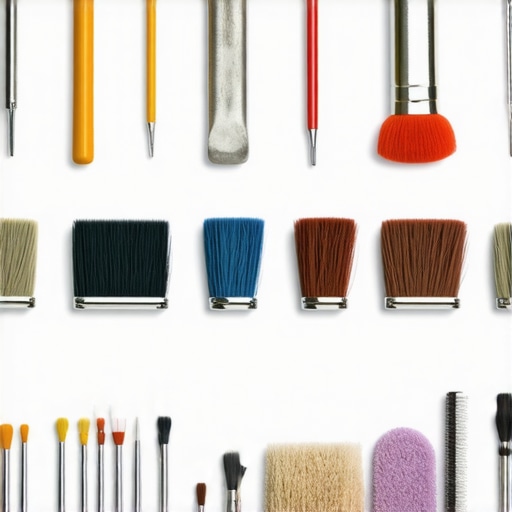
Start by clearing your countertop and gathering your cleaning supplies. You’ll need a dedicated brush, a grinder cleaning tablet or specialized solvent, a cloth, and, if possible, replacement burrs. I remember the first time I tackled this; I spilled coffee grounds everywhere, but having everything ready made the process smoother.
Disassemble the Grinder Properly
Unplug the grinder to ensure safety. Remove the hopper and any detachable parts, such as the burr chamber. Consult your machine’s manual or guide on selecting the best grinder if you’re unsure. Carefully extract the burrs, noting their orientation for reassembly. I once forgot this step and had to guess, which caused uneven grinding later.
Remove and Clean Old Residues
Use a dry brush to dislodge loose coffee oils and grounds from the burrs and chamber. For stubborn residues, employ a grinder cleaning tablet or solvent. Apply it according to the product instructions; this reduces buildup that causes off-tastes. In my experience, neglecting this step led to stale flavors lingering in my espresso, so don’t skip it.
Scrub and Rinse the Components
Gently scrub the burrs and chamber with a soft brush and damp cloth. Avoid water on the burrs directly, as moisture can cause rust. Wipe down all parts thoroughly and dry them immediately. Remember, a clean burr set ensures consistent grind size, directly impacting your shot quality. Once, I missed drying well, and my grinder developed rust, which was a costly mistake.
Reassemble and Calibrate
Reattach the burrs in their original orientation, ensuring they’re aligned correctly. Tighten all screws securely. Refill the hopper and run a few test grounds to check for consistency. If your grinder’s grind size has drifted, follow these calibration tips for precise adjustments. My first calibration ensured I could produce shots with perfect extraction times.
Establish a Maintenance Routine
Set a regular cleaning schedule based on usage—weekly for daily brewers, bi-weekly for infrequent users. Over time, I found that sticking to this routine preserved flavor clarity and extended my equipment’s lifespan. Remember, a well-maintained grinder is the backbone of a great espresso experience.
Many home baristas and coffee lovers believe they have the basics down when it comes to equipment like milk frothers, coffee grinders, and espresso machines. However, even seasoned enthusiasts often fall prey to subtle misconceptions that can undermine their results. Let’s dig deeper into some common myths and advanced mistakes that can trip up even experienced coffee aficionados, and see how understanding these nuances can elevate your brewing game.
Are You Falling for the Big Brand Bias?
It’s tempting to think that the most expensive brand guarantees the best quality, but this isn’t always the case. For instance, some high-end espresso machines come with unnecessary features that complicate maintenance or introduce points of failure without offering real performance benefits. Conversely, lesser-known brands sometimes produce reliable, durable gear with thoughtful design. I recommend scrutinizing barista gear choices carefully rather than relying solely on brand prestige. Many enthusiasts overlook the value of solid, well-designed machinery that matches their specific needs, rather than chasing the loudest endorsements.
Beware the Over-Polishing of Your Technique
Mastering a technique is great, but obsessing over perfecting every detail can sometimes lead to diminishing returns. For example, trying to dial in the perfect grind or tamp force might consume more time and effort than necessary. Instead, focus on consistency, understanding how your equipment responds, and making small adjustments based on taste. Over-complication often causes frustration, especially when beginners fall into the trap of chasing elusive perfection—believing a tiny change will drastically improve their shots. Remember, consistency beats perfection in home brewing, as emphasized in home espresso tips.
What most people miss is that their equipment’s quirks often have more impact than technique tweaks. Recognizing your grinder’s static issues or your espresso machine’s heat-up time can save a lot of hassle and improve results more reliably than obsessing over small adjustments. Have you ever fallen into this trap? Let me know in the comments.
Don’t Get Trapped by the Myth of the Perfect Grinder
A common misconception is that grinding finer always leads to better espresso. In reality, over-grinding can cause over-extraction, leading to bitter,stringy shots. Moreover, many overlook the importance of matching grinder settings to your beans and machine. A high-quality grinder is essential, but its true power comes from correct calibration and maintenance. Dull burrs, static, and inconsistent dosing all degrade espresso quality far more than the raw quality of the beans or the fineness of the grind alone.
Advanced users know that burr alignment and regular cleaning profoundly impact grind consistency. Ignoring these steps is a common mistake that leads to uneven extraction and wasted coffee. The fine details in your grinder’s setup can make or break your shot. Keep your burrs sharp and properly aligned, and avoid the trap of believing that only expensive grinders deliver the best results.
In conclusion, moving beyond surface-level beliefs in coffee gear involves understanding equipment nuances, maintenance, and realistic expectations. By recognizing the myths and traps, you’ll be better equipped to craft consistent, high-quality espresso at home. Want to explore these topics further? Check out top-rated espresso machines or dive into barista gear selection guides for more in-depth insights.
How Do I Maintain My Espresso Equipment Over Time?
Consistent maintenance is vital for ensuring your coffee gear delivers top-notch results every day. Investing in specialized tools like a burr alignment tool can help you recalibrate your grinder with precision, preventing uneven grind size and off-flavors. I personally rely on a digital caliper to measure burr gaps accurately, which made a noticeable difference in shot consistency.
For thorough cleaning, a dedicated coarse grinder brush ensures debris removal from hard-to-reach areas, preserving motor longevity and performance. Regularly replacing worn-out seals and gaskets, such as the group gasket, can prevent leaks and maintain optimal pressure.
Anticipating future trends, smart maintenance tools that monitor usage and predict component wear could become standard, minimizing unexpected breakdowns. Companies are developing IoT-enabled espresso machines that alert owners when service is due, leading to a new era of proactive care.
What Are the Best Tools to Keep Your Coffee Gear Running Smoothly?
My go-to toolkit includes a precision burr alignment gauge for setting burrs accurately, a solid cleaning brush designed for grinders, and a microfiber cloth for wiping machine surfaces without scratching. For descaling, I favor a commercial-grade descaling solution that effectively removes mineral buildup without damaging internal components.
Maintaining your machine’s electronics is equally important. Using a calibrated digital scale ensures precise dosing, which directly influences shot quality. Don’t overlook the significance of stable power sources—using a quality surge protector can shield your equipment from voltage spikes.
Where Is the Industry Heading in Equipment Maintenance?
Emerging trends point toward self-diagnosing devices equipped with sensors that monitor performance metrics and notify owners of upcoming maintenance needs. This proactive approach reduces downtime and prolongs equipment lifespan. As I see it, embracing these technological advances will be game-changers for home baristas seeking hassle-free consistency.
If you’re ready to elevate your maintenance routine, try integrating a burr alignment gauge into your regular setup. Even minor adjustments can have a profound impact on your coffee’s flavor profile. For further insights, visit our comprehensive guide and stay ahead of the curve in home espresso mastery.
Lessons That Changed How I Tackle Grinder Maintenance
One of the most eye-opening lessons was realizing that even a slight misalignment in burrs could throw off my entire shot, leading to bitter or flat espresso. Once I started paying close attention to my grinder’s response after cleaning and calibration, I noticed immediate improvements in flavor and consistency. It taught me that precision isn’t just for professional baristas—it’s a game-changer at home too.
Another insight was understanding how static and residual oils could create uneven grind size, which I previously dismissed as normal. Using anti-static tools and regular wiping dramatically reduced clogs and static buildup, pushing my brew quality beyond what I thought was possible for a home setup. Small steps like these are often the difference between good coffee and great coffee.
I also learned that patience is key. Rushing through cleaning or calibration often leads to overlooked details that compromise taste. Taking my time, following a structured routine, and investing in quality tools have empowered me to keep my grinder performing at its peak. Trust me, these habits are worth every minute for the rich, vibrant flavors they unlock.
The Must-Have Arsenal for Coffee Enthusiasts
My trusted toolkit includes a precision burr alignment gauge—it ensures I get every grind just right and avoid unnecessary wear. A dedicated grinder cleaning brush is invaluable for removing stubborn grounds and oils without damaging delicate components. For descaling, I rely on a high-quality descaling solution that keeps everything running smoothly.
For a complete setup, I also recommend a calibrated digital scale—precise dosing makes a world of difference. Combining these tools with a routine maintenance schedule has truly elevated my home espresso experience.
Your Journey to Better Espresso Starts Now
Remember, the path to exceptional coffee is paved with consistent care, patience, and a willingness to learn. Embracing these best practices for grinder maintenance can transform your everyday brew into a barista-quality shot. Now’s the time to take action—review your cleaning routine, check your tools, and make adjustments. Your taste buds will thank you, and you’ll discover that great espresso is within your reach. So, tell me—what’s the biggest challenge you face when maintaining your grinder? Share your experiences below and let’s grow together.