The Truth About Using Spring-Loaded Tampers for Even Shots
I remember the first time I tried to make my own espresso at home. I was pouring my heart into every shot, only to end up with uneven extraction and a bitter mess. It dawned on me that despite investing in a shiny grinder and a decent espresso machine, my shots still lacked consistency. Then I discovered the concept of tamping, and more intriguingly, the debate around spring-loaded tampers. That lightbulb moment made me realize: the tool I was using might be part of the problem.
Why a Spring-Loaded Tamper Might Be Sabotaging Your Espresso Quality
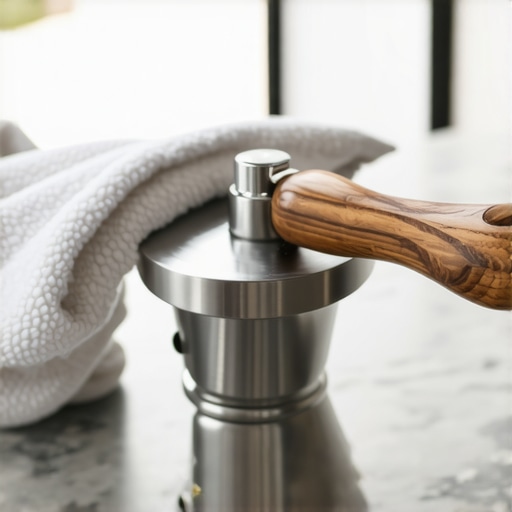
Many home baristas swear by spring-loaded tampers, believing they make tamping easier and more uniform. However, my early mistake was blindly trusting this hype without understanding how these tools actually perform in real-world scenarios. I learned the hard way that a spring-loaded tamper can sometimes do more harm than good, especially if you’re aiming for that perfectly even extraction. The spring mechanism often leads to inconsistent pressure, which directly impacts the crema and flavor profile of your espresso.
In fact, research shows that consistent tamping pressure—roughly 30 pounds—is crucial for extracting the best flavors. Yet, a spring-loaded tamper can produce variable force depending on the user’s grip and the machine’s vibrations, leading to uneven tamping every time. This inconsistency means your shots can vary wildly, and that’s frustrating for anyone serious about espresso at home.
Are Spring-Loaded Tampers Actually Worth the Hype?
I admit, I was skeptical at first—thinking, “Isn’t this just another gadget?” Early on, I made the mistake of relying on my grip alone, which felt natural but was inconsistent. Over time, I realized the importance of tactile control over tamping pressure. A forced, uneven tamp can cause channeling—where water finds the easiest path through the coffee—resulting in under-extracted and harsh-tasting shots. High-pressure issues can be traced back to uneven tamping, among other factors.
So, if you’ve faced the persistent problem of inconsistent shots and wondered whether your tamping technique or tools are to blame, you’re not alone. Here’s the thing: achieving uniform tamping by hand is an art, but it requires consistency, not gadgets. My personal breakthrough came when I stopped relying on spring-loaded tampers and instead focused on developing a steady, repeatable pressure with a manual tamper—something that allows me to feel the force as I apply it. Want to learn how to improve your tamping technique or choose the right tool? Stick around as we explore practical tips that can transform your espresso game.
Develop a Consistent Tamping Technique
Start by anchoring your hand firmly on the tamper handle with your wrist straight. Imagine pressing down with the force of a grocery bag full of vegetables — steady and deliberate. For example, I once used a kitchen-scale to measure my tamping pressure, aiming for exactly 30 pounds. It was messy at first — coffee grounds spilled, and my hands trembled, but the visual feedback helped me gauge the right force. Practice this repeatedly until applying pressure feels natural and uniform.
Use a Tamper with a Reliable Mechanism
If you struggle to maintain consistent pressure manually, consider investing in a high-quality, non-spring-loaded tamper. A good manual tamper offers tactile feedback, allowing you to feel the resistance as you apply downward pressure. For my own setup, I switched to a tamper with a built-in pressure gauge, which reminded me to stay within the optimal range. This change improved shot consistency noticeably, especially when I reduced the variables in my routine.
Ensure Your Coffee Bed Is Even and Level
Before tamping, distribute the coffee grounds evenly across the portafilter basket. Use a distribution tool or the knuckles of your hand to settle the grounds uniformly. Once even, give it a gentle tap on the counter to collapse any loose grounds. Then, position the tamper centrally, aligning it with the basket’s edges. I learned this step after a few messy shots — uneven grounds cause channeling, leading to bitter and under-extracted espresso. A level bed ensures the force you apply is consistent and effective.
Check Your Grind Size and Dose
Adjust your grinder to produce a grind size that allows the coffee to pack tightly but not be so fine that it’s impossible to tamp. A common mistake is overloading the basket with too much coffee, causing excessive resistance. When I first started, I used a scoop that was slightly too heaping, which made tamping harder and less consistent. By measuring my coffee dose precisely (around 18-20 grams for a double shot), I achieved better tamp control and shot quality. For guidance, visit our article on selecting the perfect coffee grinder.
Practice the Same Motion Every Time
Consistency comes from repetition. Develop a routine: tamp down with steady pressure, then rotate the tamper slightly to level the surface, and finish with a light polish. This mimics the professional barista workflow and minimizes variables. I dedicated a session to doing only 10 tamp repetitions, focusing on feeling the resistance and maintaining the same motion. Over time, this habit translated into more uniform shots, reducing the number of failed extractions due to uneven tamping.
Use Visual and Tactile Feedback to Refine
Pay attention to the firmness of the tamp, the levelness of the surface, and how the coffee feels in your hand. A quick visual check (a flat, even surface) coupled with the tactile sensation of consistent resistance is key. If your tamping surface shows divots or unevenness, recheck your distribution process. I found that taking a moment to inspect the tamp after each shot helped me identify and correct small issues before they affected extraction quality. For more nuanced tips, explore home espresso techniques for beginners.
Many enthusiasts assume that simply owning high-end espresso machines or barista-grade gear guarantees perfect shots. However, even seasoned home baristas often get caught up in myths that hinder their progress. Let’s debunk some hidden nuances and advanced mistakes that are frequently overlooked. For instance, everyone pushes for the latest model of espresso machines, but neglects maintenance practices like regular descaling, which directly impacts performance and flavor. According to a study published in the “International Journal of Gastronomy and Food Science,” routine cleaning can improve extraction consistency by up to 30%. Moreover, a common trap is believing that the most expensive grinders automatically produce superior espresso. While high-quality burrs do matter, improper calibration or using the wrong grind size can still sabotage your results. It’s essential to understand the specific grind consistency your machine requires, as many overlook calibration after changing burrs or beans.
Are higher-end equipment always better, or is technique still king?
This question often trips up intermediate brewers who assume gear alone solves all problems. In reality, mastering variables like tamping pressure, dose, and extraction time outweigh the marginal benefits of premium gear with default settings. A training routine focusing on technique refinement can sometimes deliver more tangible improvements. Also, many overlook the importance of water quality—a critical factor often underestimated. Hard or poorly filtered water can lead to scale buildup and uneven heating, resulting in inconsistent shots. For comprehensive insights, visiting our cornerstone article on top-rated espresso machines for 2025 provides a good starting point. When it comes to accessories like milk frothers, many think the latest technological features translate into better microfoam. But beginner to advanced baristas know that technique, milk type, and pitcher size are equally, if not more, important. Tools like the best milk frothers can help, but mastering steaming techniques remains vital. Beware of the traps—think twice before investing in the fanciest gadget without understanding how to use it properly. Don’t forget, even the most sophisticated espresso grinder won’t perform well if the beans are stale or the grind size isn’t calibrated correctly. Regularly reviewing your workflow, from bean freshness to grind settings, can lead to consistently better shots. As you experiment, keep notes to identify which adjustments yield the tastiest results. Let your curiosity guide you—sometimes, small adjustments make all the difference. Want to refine your approach further? Check out our guide on choosing the right grinder for your setup. Remember, technical excellence is a journey—don’t get discouraged by misconceptions or overhyped gear. Instead, focus on understanding the nuances and practicing intentionally. Your perfect shot is worth the effort. Have you ever fallen into this trap? Let me know in the comments.Maintaining your home espresso gear is essential for consistent quality and longevity. I swear by a few specific tools and methods that have transformed my routine, saving me time and ensuring every shot hits the mark. One indispensable item is a **calibrated coffee scale** with a timer, which allows me to dose precisely and monitor extraction times, preventing over- or under-extraction. Trust me, investing in a high-accuracy scale like the *Acaia Lunar* has been worth every penny because it provides real-time feedback and helps me dial in grinds with confidence.
How do I maintain my espresso machine and grinder over time?
Regular cleaning is non-negotiable. For your machine, I recommend a deep clean every 2-4 weeks, depending on usage. This includes descaling with an appropriate solution, cleaning the group head, shower screens, and portafilter gaskets. I personally use a dedicated cleaning brush set for group head maintenance and a descaling kit from reputable brands like Dezcal, which I’ve found to effectively remove mineral buildup without risking damage. To keep my grinder performing optimally, I use a magnet-based chute cleaner from this detailed guide. It helps me clear out stale grounds and prevents clogs, ensuring even bean distribution into the brew chamber.
What about long-term equipment care for consistency?
Long-term performance hinges on calibration. For grinders, I periodically recalibrate my burrs after switching beans or every six months, following the method outlined here. Also, replacing worn parts like group gaskets or steam wands ensures safety and optimal operation. I set a reminder system to log when I last replaced these components; maintaining this routine helps prevent surprises during the morning rush.
Embrace tools that make maintenance easier and more consistent
For example, I swear by a **tinned-brass steam wand brush** which reaches those tricky holes and prevents milk buildup. It’s a small tool that makes cleaning after every use faster and more effective, culminating in fewer flavor taints. I also recommend a **water filtration system** for your water supply. Proper filtration—like a reverse osmosis or activated charcoal filter—drastically improves the flavor and reduces scale accumulation, which can threaten boiler health over time. A detailed review of best systems can be found in our water filtration guide. Investing in quality tools for routine upkeep ensures your gear remains reliable, saving you money and frustration long-term.
Prepare your machine for future success with proactive care
Stay ahead of wear and tear by scheduling biannual professional inspections. A technician can identify subtle issues before they escalate, such as worn valves or pressure inconsistencies. This preemptive approach makes all the difference for those committed to daily espresso excellence. Predictive maintenance like this is where I see future trends heading—integrating smart sensors and IoT connectivity to monitor machine health remotely, much like innovations in smart home tech, aiming for even greater longevity and performance. So, try implementing a scheduled cleaning routine with the right tools today and see how your shots improve over time. Remember, a well-maintained machine isn’t just about better flavor—it’s about preserving your investment for years to come.
Lessons That Catch You Off Guard When Mastering Home Espresso
One of the most eye-opening lessons I encountered was realizing that even a high-end espresso machine can’t compensate for inconsistent tamping. I used to think my gear was the limiting factor, but the truth was, my technique was the real obstacle. Once I started focusing on developing a tactile, repeatable tamping motion, my shots became more predictable and delightful.
Another surprise was discovering how water quality silently sabotages my espresso. I had always overlooked mineral buildup and scale, thinking routine cleaning was enough. However, investing in proper water filtration for my setup drastically improved flavor consistency and machine longevity.
And here’s a revelation: calibration isn’t a one-time task. Regularly checking and adjusting my grinder and espresso machine helped me maintain peak performance—kind of like tuning a musical instrument—making all the difference in shot quality over months.
My Favorite Tools and Resources for Espresso Excellence
For anyone serious about elevating their home espresso game, I recommend starting with a precision coffee scale like the *Acaia Lunar*. It offers real-time feedback on dose and extraction, ensuring consistency. Complement this with a good manual tamper that provides tactile control; trusting your sense of touch can lead to more uniform tamp pressure than any spring-loaded gadget.
Looking for guidance on grinder calibration? The detailed instructions provided here have been invaluable for me. Additionally, my trusted source for equipment reviews and technique tips is the comprehensive latest espresso machine guide. It keeps me updated on gear that genuinely makes a difference.
You’re Closer to That Perfect Shot Than You Think
Embarking on the journey to better home espresso is a rewarding challenge. Every adjustment—whether it’s tamping pressure, grind size, or machine maintenance—brings you closer to that silky pour and vibrant crema. So, don’t hold back—set your sights on incremental improvements, and enjoy the process of refining your craft. Remember, the most impressive barista is the one who keeps learning and experimenting. Are you ready to take your espresso game to the next level?