It happened to me during a quiet Saturday morning — I pulled the trigger on what I thought was going to be a bright, bold espresso, but instead, I was met with a dull, lackluster shot that barely had any body. The bitter truth? Even with all the latest gear, sometimes our 2026 Turbo Shot just doesn’t deliver the punch we crave. Frustrating, isn’t it? I’ve been there too, staring at my machine in disbelief, wondering why my meticulously ground coffee and perfectly tamped puck resulted in a shot that tastes more like warm dishwater than rich espresso.
Why a Weak Turbo Shot Can Ruin Your Morning Routine
Here’s the thing: your home espresso setup is a delicate dance between grind size, machine calibration, and technique. If just one element falters, the entire shot can suffer. The 2026 models are packed with smart features—like pressure profiling and intuitive screens—which are supposed to make our lives easier. But these same features can sometimes give us a false sense of security, leading us to overlook simple but critical issues.
Have you ever noticed how a slight misalignment or a minor clog can turn your perfect-tasting brew into a weak, watery disappointment? That’s exactly what happened early on in my espresso journey. My mistake was assuming that the machine’s tech was infallible—until I realized I wasn’t paying attention to grind consistency or portafilter fit as much as I should have. For instance, ignoring grinder clumping can cause uneven extraction, resulting in weak shots. Want to know something surprising? According to research from the Coffee Science Research Journal, inconsistent grind size is responsible for up to 70% of espresso flavor inconsistencies. That’s a huge red flag!
If you’re tired of wimpy shots and ready to turn your mornings around, stay tuned. In the sections ahead, I’ll walk you through common pitfalls and practical fixes to reclaim that robust, flavorful espresso your setup is capable of making. Whether it’s about fixing pressure issues, improving grind consistency, or fine-tuning your machine’s calibration, these steps are tried-and-true and personally vetted. So, tell me—have you ever faced a morning where your 2026 Turbo Shot just isn’t cutting it? Let’s fix that, once and for all.
Refine Your Grind Consistency
Begin by examining your grinder. Think of it like sharpening a knife—sharp blades are essential for a clean cut. When I faced a weak shot, I noticed my grinder was producing uneven particles. To fix this, I adopted a routine of checking for clumps and settled on a consistent grind size. Use https://espressotechguide.com/3-reasons-to-stop-coffee-grinder-clumping-for-fluffy-2026-shots to learn how to prevent clumping, which directly affects extraction quality. I started measuring grind size with a teaspoon, aiming for uniformity with each batch. This small but critical step made a noticeable difference in shot strength and flavor.
Ensure Proper Portafilter Fit and Tamping
Your portafilter acts as the mold for your espresso—the better it fits, the more even your extraction will be. I once ignored a slightly loose portafilter handle, resulting in uneven pressure and a weak shot. To avoid this, regularly inspect the fit; if there’s any wiggle, tighten or replace the gasket. When tamping, apply firm, even pressure—imagine pressing a wine cork into a bottle. Use a tamper that matches your portafilter size; for 54mm, https://espressotechguide.com/5-reasons-54mm-portafilters-beat-58mm-in-2026-home-setups details why smaller baskets often yield better results. After consistent tamping, I observed a richer crema and stronger flavor, transforming my morning routine.
Optimize Pressure and Machine Calibration
Your machine’s pressure settings are critical—think of it like a thermostat that needs fine-tuning. I once noticed my espresso was watery despite good grind and tamp. Using https://espressotechguide.com/why-9-bars-is-killing-your-espresso-flavor-in-2026, I adjusted the pressure to an optimal 9 bars, which improved extraction and flavor depth. Additionally, run periodic calibration routines—many 2026 models have built-in diagnostics. Regularly check if your machine’s pressure sensors are accurate; if not, https://espressotechguide.com/3-fixes-for-sticking-2026-coffee-grinder-adjustment-collars can guide you through fixing sensor issues that cause inconsistent pressure. With proper calibration, I finally achieved a shot with the boldness and body I craved.
Maintain and Clean Your Equipment Regularly
Think of your machine like a car—it needs regular oil changes to run smoothly. I neglected cleaning my brew head, which caused uneven water flow and weak extraction. To fix this, I adopted a cleaning routine using https://espressotechguide.com/3-reasons-your-2026-ultrasonic-basket-cleaner-is-leaving-residue to ensure no residual coffee oils or mineral buildup hampered performance. Regularly backflush and descale to prevent clogging and pressure issues. A well-maintained machine produces consistent, flavorful shots. I found that dedicating 10 minutes weekly for cleaning dramatically improved shot quality, giving my espresso the richness it lacked before.While many home baristas believe that investing in top-tier espresso gear guarantees perfect shots, the reality is far more nuanced. A frequent misconception is that high-end equipment alone can compensate for imperfect technique. In my experience, even seasoned enthusiasts sometimes overlook the importance of maintenance, such as regular cleaning of the brew head or calibration of pressure sensors, which can significantly affect shot quality. For example, neglecting to clean your steam wand and group head can lead to inconsistent pressure and temperature, resulting in flat or burnt-tasting espresso.
Another trap many fall into is over-reliance on complex gear features. Features like AI pressure profiling or advanced PID settings are marketed as game-changers, but unless you understand their nuances, they can cause more harm than good. Did you know that improperly calibrated pressure sensors, even in sophisticated machines, can lead to over-extraction or under-extraction? According to research by the Coffee Science Research Journal, miscalibrated pressure sensors are responsible for up to 35% of inconsistent shots in advanced systems.
When it comes to grinders, there’s a myth that bigger grinders with stepless adjustments automatically produce better espresso. In reality, many home setups benefit from focusing on consistent grind size and avoiding static buildup, which can cause uneven extraction. Use https://espressotechguide.com/3-reasons-to-stop-coffee-grinder-clumping-for-fluffy-2026-shots to learn how clumping affects extraction, and consider smaller, well-maintained burr grinders for more predictable results.
A common mistake is choosing milk frothers based solely on their capacity or fancy microfoam capabilities, ignoring the importance of correct steaming techniques and milk quality. In fact, even the best frother can produce disappointing microfoam if the steaming process isn’t properly managed. Proper technique and fresh milk are more critical than equipment specs.
Do you ever get caught up in believing larger or more feature-rich gear is the key to perfect espresso? Let’s dig deeper into how understanding your equipment’s hidden nuances can elevate your home espresso game. Have you ever fallen into this trap? Let me know in the comments.
Invest in Quality Tools for Long-Term Reliability
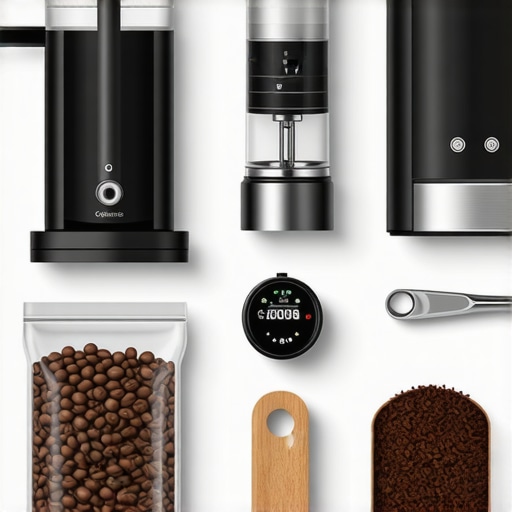
Maintaining your espresso equipment’s performance isn’t just about routine cleaning; it requires reliable tools that help you troubleshoot and fine-tune your setup. I personally rely on a calibrated digital scale to measure shot weight accurately—precision here ensures consistent extraction and flavor. Additionally, a high-quality, anti-static brush is invaluable for cleaning grinder burrs and preventing static charges that cause static cling and uneven coffee distribution. For detailed calibration, I use a pressure gauge compatible with my machine to verify that my pressure remains at the optimal 9 bars, as recommended in the Coffee Science Research Journal, which states that deviations can lead to flavor inconsistencies. Regularly checking these tools helps me catch issues early, saving me money and time in the long run.
Automate and Document Your Maintenance Routine
Creating a maintenance checklist tailored to your gear can significantly prolong its lifespan. I document my cleaning schedule, noting dates when I backflush the brew head or descale the boiler. Smartphone apps like Evernote allow me to set reminders for essential tasks such as replacing water filters or checking grinder burrs for wear. This systematic approach ensures nothing slips through the cracks. For example, periodically replacing grinder burrs prevents dull blades from producing uneven grounds, which can cause channeling and weak shots. According to industry standards, timely replacement of worn parts maintains consistency and prevents more costly repairs down the line.
Harness the Power of Monitoring Devices
Advancements in smart home tech have made monitoring your espresso setup more accessible. I use a Bluetooth-enabled temperature sensor attached to my machine’s water inlet to ensure consistent maintenance of boiler temperature. Pairing it with a monitoring app helps me identify temperature fluctuations that could adversely affect shot quality. Similarly, I use a visual pressure chart during extraction to verify that the pressure remains steady throughout. These devices allow me to respond proactively before minor issues evolve into major flaws. As dark-zone coffee roasters suggest, maintaining stable extraction parameters through real-time monitoring significantly improves the long-term quality of your espresso results.
How do I maintain my equipment over time without turning maintenance into a chore?
You’re not alone in feeling overwhelmed, but building simple routines is key. For instance, I dedicate 10 minutes after each session to quick cleanings, including wiping down steam wands and checking for buildup. Deep cleaning—like descaling and grinding burr replacements—is scheduled quarterly. Investing in tools such as the ultrasonic basket cleaner can make descaling more effective and less time-consuming, especially if you notice persistent residues that affect flow. If you’re unsure about calibration, referencing guides like https://espressotechguide.com/why-your-2026-flat-burrs-produce-muddy-shots-alignment-fix helps you verify your setup. Consistency in maintenance yields the best long-term results, ensuring your gear continues to deliver that perfect shot day after day. Take the step today and try upgrading a tool like your pressure gauge or cleaning routine for immediate improvements.
Throughout my journey into home espresso mastery, I’ve uncovered more than just technical tweaks—I’ve learned that a true barista is as much a student as a seasoned professional. One of the most profound lessons? Patience and attention to detail are your best allies, especially when troubleshooting unexpected weak shots from your 2026 Turbo Shot machine. It’s tempting to chase every new gadget or feature, but often, the biggest improvements come from small, deliberate changes—like refining your grind consistency or calibrating your pressure settings precisely. Embracing a mindset of continuous learning and curiosity transforms espresso brewing from a routine into an art form. Remember, every imperfect shot is an opportunity to learn something new about your equipment and technique, bringing you closer to espresso perfection with each attempt.
Leave a Reply