Why You Should Never Plug Your Espresso Machine Into an Extension Cord
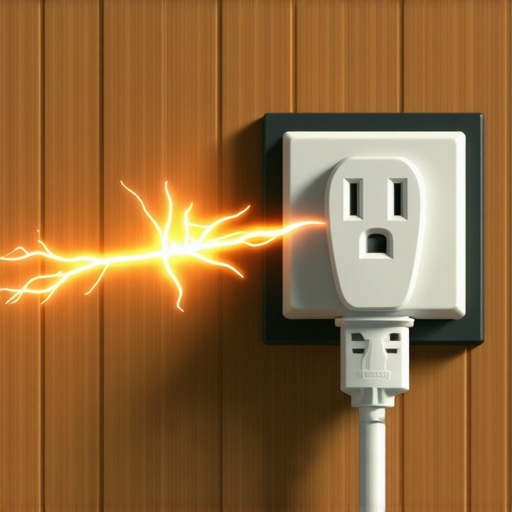
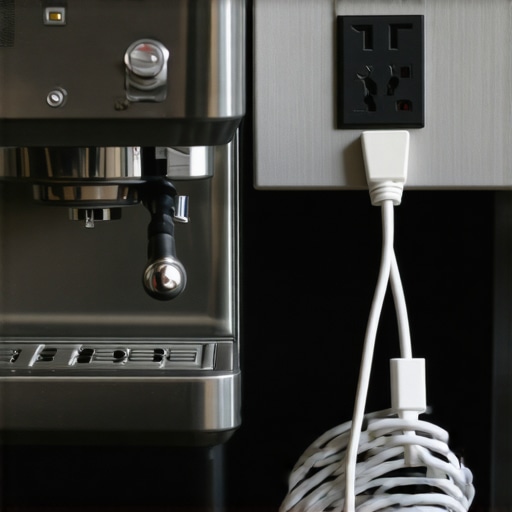
It was a typical Saturday morning. I was eager to brew that perfect shot, the kind that awakens your senses and kicks off your day with a bang. As I reached for my beloved espresso machine, I noticed something odd—yet, in my rush, I ignored it. I plugged in the machine, and suddenly, the lights flickered, and the power tools in the garage below roared to life. That terrifying moment made me realize a simple, but often overlooked mistake: never plug your espresso machine into an extension cord.
Protect Your Investment and Your Safety
Many home baristas, including myself early on, have fallen into the trap of using extension cords for their espresso machines. It seems harmless, convenient even, especially when your setup is tight or your outlets are far away. However, this quick fix can lead to serious problems—ranging from inconsistent performance to dangerous electrical hazards.
The core issue is that espresso machines demand stable and sufficient power flow to operate correctly. An extension cord, if not rated properly, can cause voltage drops, overheating, and worst of all, fires. According to the U.S. Consumer Product Safety Commission, electrical fires caused by faulty cords and outlets are an ongoing risk, emphasizing why it’s essential to handle high-powered appliances, like espresso machines, with care.
Ensure Proper Power Sources for Stability
Start by plugging your espresso machine directly into a dedicated, high-rated wall outlet. Avoid extension cords; they can cause voltage drops that lead to inconsistent brewing. Remember, a reliable power source is like a steady heartbeat for your machine, ensuring every shot is as good as it can be.
Maintain Your Grinder for Consistent Grinding
Regularly clean and calibrate your grinder. Use a brush to remove coffee residues from burrs and tighten any loose parts. A well-maintained grinder is like a precision instrument, producing uniform grounds that extract evenly. For instance, I once used a stuck adjustment ring that caused inconsistent grind sizes. Freeing it with care improved my shots dramatically.
Adjust Your Grinder Carefully
If your grind feels off, fine-tune it in small increments. Remember, if the grind is too coarse, your espresso will be weak; too fine, and you’ll get over-extraction. To avoid stuck adjustments, check out this guide: how to free a stuck grinder adjustment ring.
Perfect Your Tamping Technique
Tamp evenly with consistent pressure—about 30 pounds of force. Use a leveler or a tamper with a flat base to avoid uneven extraction. I once rushed my tamp and ended up with a sour shot until I learned to take my time, tamping firm and level every single time. Inconsistent tamping is like uneven paving; it causes water to find the easiest route, resulting in channeled, bitter espresso.
Stabilize Your Water Quality
Use filtered water suited for espresso brewing. Even home water softeners can leave mineral residues, affecting taste and machine longevity. If you notice off-flavors or scale buildup, refer to this article for how to optimize your water setup.
Optimize Your Brew Parameters
Set your grind size roughly between espresso and drip coffee, then adjust based on shot taste. Monitor extraction time; aim for 25-30 seconds. If your shot is sour or bitter, tweak grind size or dose accordingly. For example, I reduced my extraction time by dialing in my grinder and adjusting tamp pressure, which settled my shots nicely without changing grind size repeatedly. Remember, small adjustments are key, like tuning a musical instrument for perfect harmony.
Regularly Clean Your Equipment
Keep your machine and accessories tidy. Backflush your espresso machine weekly, clean the portafilter and baskets thoroughly, and descale as needed. Regular cleaning prevents buildup that can cause off-flavors or equipment malfunction. Learn more about cleaning protocols here: cleaning your brew boiler.
Fine-Tune Microfoam and Milk Steaming
Practice stretching milk with controlled, steady steam to create rich microfoam. Use fresh, cold milk and keep your steam wand tip just below the surface. For detailed techniques, check this guide: professional milk steaming tips.
Many enthusiasts believe that choosing a high-end grinder automatically guarantees perfect espresso, but in my experience, the devil is in the details. For example, a common misconception is that all burrs are created equal—ceramic versus steel—whereas the reality is that material choice impacts flavor clarity and heat transfer, as explained in this detailed comparison. Another trap many fall into involves the grinder adjustment ring; a stuck ring can silently sabotage your dosing consistency. Safely freeing it requires knowledge often overlooked, which you can learn from this guide. Breaching the myth that bigger grinders mean better results may seem counterintuitive, but larger burrs and motors don’t automatically translate to higher quality; proper calibration and maintenance are critical. Speaking of which, home espresso setups often neglect the impact of water quality—using mineral-rich or unfiltered water can lead to scale buildup, affecting taste and causing equipment failures. A hidden nuance is how microfoam differs from large bubbles: many think a dense foam is achieved merely by steaming longer, but controlling temperature and milk composition makes all the difference, as discussed here. Forgetting routine cleaning of your brew head or neglecting the gasket’s condition is another sneaky mistake; it can cause uneven pressure and bitter extraction. Regular checks of gasket health can save you from costly repairs. Now, for the advanced enthusiast, a pressing question is: How can subtle inconsistencies in water flow impact shot clarity, especially in flow-restricted machines? The answer lies in micro-adjustments and understanding flow rate discrepancies—an area I delve into here. These nuances underscore why mastery is about more than equipment; it’s about knowledge and finesse. Have you ever fallen into this trap? Let me know in the comments.
Owning high-quality coffee equipment is just the first step; keeping it running smoothly over the long term requires deliberate maintenance and the right tools. In my experience, investing in specific tools that cater to each component of your setup pays off significantly, enhancing consistency and prolonging equipment lifespan.
Quality Calibration Tools Save Time and Improve Results
One essential item I recommend is a precise tamp pressure gauge. Consistent tamping—around 30 pounds of pressure—is vital for even extraction. Using a gauge helps me calibrate my tamping force every few months, maintaining shot quality without guesswork. Additionally, a brew temperature thermometer ensures my espresso stays within optimal ranges, preventing sour or bitter results. These tools are affordable yet indispensable for a dedicated home barista looking to dial in their parameters accurately.
Keeping Your Grinder in Peak Condition
The grinder is arguably the most critical piece of equipment. Regular cleaning with a brush and a microfiber cloth prevents coffee oils and residues from clogging burrs and pathways. I’ve also found that periodically checking the adjustment ring health guarantees consistent grind sizes, avoiding that dreaded stuck-ring scenario which can throw off your dosing. Proper calibration combined with routine cleaning ensures every dose is as uniform as possible.
Mastering Milk Frothing with the Right Tools
For quality microfoam, I keep a dedicated thermal pitcher with a calibrated volume gauge, which helps me avoid overfilling and maintains consistent steaming temperatures. I also use a milk frothing guide to troubleshoot issues like large bubbles, ensuring creamy, professional-looking microfoam every time. Investing in these specific tools transforms milk steaming from a frustrating chore into an art form.
Regular Inspection Prevents Surprises
Don’t forget to routinely check your group gasket. A worn gasket can cause water leaks and inconsistent pressure, leading to subpar shots. Replacing this component before it fails helps maintain proper seal and pressure. Keeping these critical parts in top condition minimizes costly repairs and helps preserve flavor integrity.
Future Trends and How to Prepare
As technology advances, expect more sophisticated maintenance tools—like digital diagnostics and smart sensors—to become standard. Staying ahead with current tools now ensures your setup remains at the cutting edge. For example, integrating a pressure scale helps me monitor flow rate discrepancies, leading to more consistent shots and faster troubleshooting.
How do I maintain my equipment over time?
Establishing a regular maintenance schedule with specific tools such as tamp pressure gauges, temperature thermometers, and cleaning brushes keeps your gear performing optimally. Moreover, becoming familiar with diagnostics like pressure gauges or flow meters can alert you to issues before they escalate, saving money and preserving flavor. Try implementing a monthly check using your tools—this simple step greatly extends your equipment’s lifespan and ensures every cup meets your high standards.
Remember, consistent maintenance isn’t just about longevity; it directly impacts your espresso’s flavor and aroma. As you refine your routine, you’ll notice your gear becoming more reliable—and your coffee improving dramatically.
Uncovering Hidden Pitfalls in Home Barista Routines
One of the most crucial lessons I learned was that equipment maintenance is often underestimated. An overlooked gasket or a neglected grinder adjustment ring can quietly sabotage your efforts, leading to inconsistent shots and frustration. The key is to develop a keen eye for subtle signs of wear and implement routine checks, preventing small issues from becoming expensive repairs. Investing time in understanding your gear’s quirks has saved me countless mornings of disappointment and has made my espresso journey more enjoyable.
My Weaponry for a Coffee Revolution
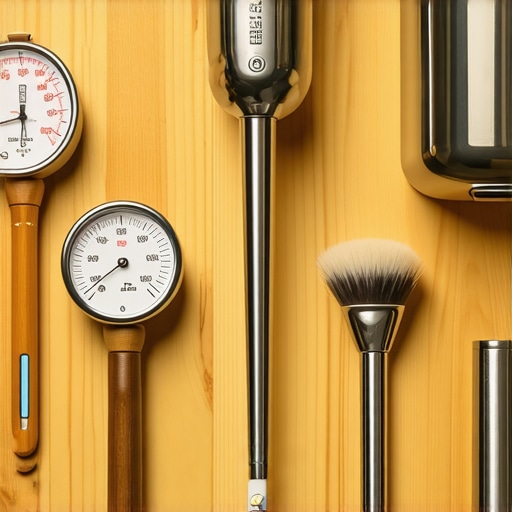
Building a reliable toolkit transformed my approach. A precise tamp pressure gauge ensures uniform compression, directly affecting shot quality. A digital thermometer for brew temperature keeps things consistent, especially when experimenting with new beans. Upgrading to a dedicated milk pitcher with volume markings improved my microfoam control, turning frothing from guesswork into an art. These tools have been game-changers, making each coffee session more predictable and rewarding.
Brewing Satisfaction Starts with Emotion
There’s an unmatched joy in dialing in your espresso and witnessing that perfect crema bloom. The journey demands patience, curiosity, and a willingness to learn from mistakes. Whether it’s tweaking grind size or cleaning a stubborn portafilter, every small win fuels my passion. I believe that embracing these nuances creates a deeper connection to the craft, transforming daily routines into moments of mindfulness and pleasure. Your dedication can elevate your coffee ritual to a truly therapeutic experience.