Why Your Drip Tray Is Filling Up Too Fast and How to Stop It
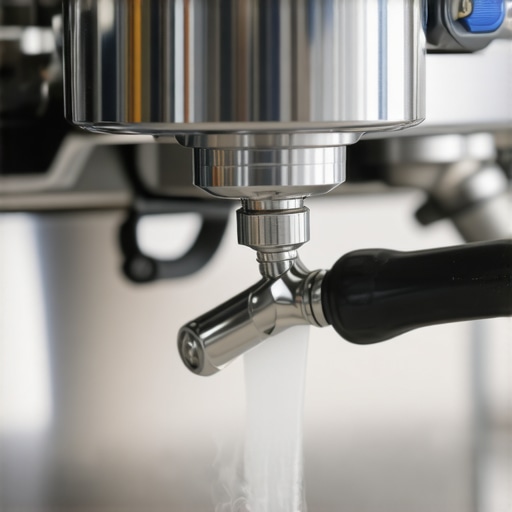
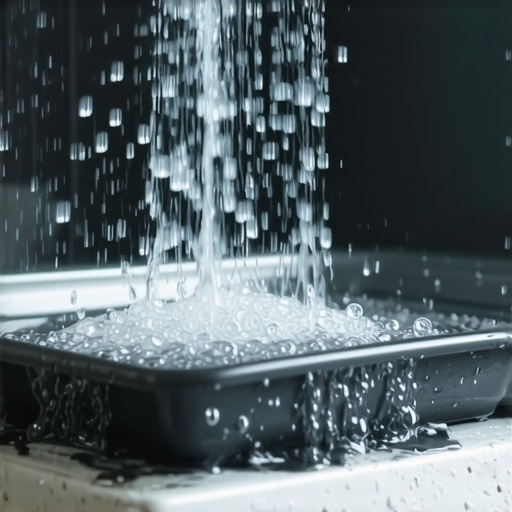
I remember the moment clearly. I was brewing my morning espresso, eager for that perfect shot, when I looked down and saw my drip tray overflowing—again. It wasn’t just a minor inconvenience; it felt like my espresso setup was turning into a mini swimming pool. Frustration bubbled up as I realized I’d been ignoring a sneaky issue that was silently draining my patience and my wallet.
If you’ve ever experienced your drip tray filling up too quickly, you’re not alone. It’s a common problem among home baristas and even seasoned pros. But here’s the thing—this isn’t just about the mess. It’s often a signal that something’s not quite right with your machine or your technique, potentially leading to bigger issues down the line.
Today, I promise to walk you through the root causes of why your drip tray might be filling faster than you expect—and more importantly, how to prevent it from turning into a constant cleanup job. We’ll explore practical solutions you can start implementing today, saving you time, frustration, and money.
Why Your Drip Tray Fills Up Faster Than It Should
One of the first mistakes I made early on was neglecting to check for underlying leaks or blockages. A common culprit is a loose or damaged drain tube, which can allow excess water—and sometimes coffee— to escape unnoticed. Additionally, overuse or buildup of coffee oils and debris can clog the drainage system, causing water to pool and overflow.
Sometimes, it’s not just a mechanical issue. Technique plays a role too. For example, excessively long or frequent steaming sessions can lead to more water than your drip tray can handle if your machine isn’t properly draining. Also, residual water from cleaning routines or recent descaling might contribute to quick fill-ups if the system isn’t drying out properly.
Addressing these issues begins with understanding the proper maintenance routine for your machine. For comprehensive cleaning practices that ensure your espresso gear is in top shape, check out this guide on [the proper sequence for cleaning your barista tools after every shift](https://espressotechguide.com/the-proper-sequence-for-cleaning-your-barista-tools-after-every-shift). It’s a game-changer for preventing problems before they happen.
Another sneaky reason your drip tray might be filling prematurely is a failing component within your machine, such as a bad solenoid valve or a worn gasket. These parts can cause leaks or improper drainage. If you suspect this, it’s worth investigating further—sometimes, a simple inspection can save you a lot of trouble. For example, learn how to [check for a failing capacitor in your espresso machine](https://espressotechguide.com/how-to-check-for-a-failing-capacitor-in-your-espresso-machine), which can be part of such issues.
Have you faced this overflowing drip tray problem yet? If so, don’t worry—by the end of this post, I’ll help you identify the exact cause and fix it once and for all, so your mornings remain smooth and mess-free. Ready to dive into the solutions? Let’s get started.
Inspect and Tighten Drain Components
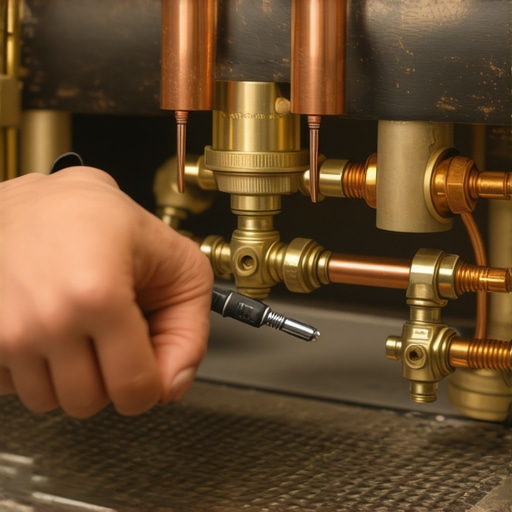
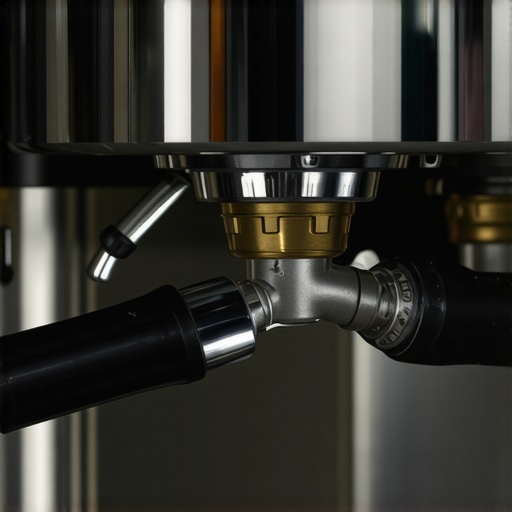
Start by turning off your machine and unplugging it. Remove the drip tray and examine the drainage area closely. Look for loose clamps or fittings around the drain tube—think of these as the valves that direct water away. Use a wrench or screwdriver to tighten any loose connections, preventing leaks that can cause rapid fill-ups. If the drain tube appears cracked or brittle, replace it immediately. This straightforward fix often resolves overflows caused by minor leaks.
Check for Blockages and Clean the Drain System
Next, clear any debris or coffee oils that might clog your drainage. Pour warm water mixed with a mild detergent through the drain area, mimicking the process of flushing out a clogged pipe. Use a pipe cleaner or soft brush to scrub inside the drain tube if accessible. Regular cleaning keeps oils and mineral deposits from forming blockages, which can slow drainage and cause pooling. Implementing a routine cleaning schedule guarantees smooth water flow, much like maintaining a well-oiled machine.
Ensure Proper Technique During Frothing and Pouring
Over-frothing or prolonged steaming can produce excess water that quickens drip tray filling. When steaming milk, stop as soon as your pitcher hits the desired temperature—don’t linger, or you’ll create more condensation. Use a timer if necessary to discipline your process. Moreover, avoid splashing water by positioning your pitcher correctly under the wand; imagine guiding a gentle stream, not a fire hose. This reduces unnecessary water runoff that accumulates in the drip tray.
Inspect Mechanical Components for Wear and Damage
A failing solenoid valve or worn gasket may leak water without obvious signs. Conduct a visual inspection: remove access panels and look for cracks, corrosion, or dampness around joints. If you notice any damage, replacing faulty parts can be straightforward but impactful. For example, swapping out an o-ring leak in your manual espresso press is simple, cost-effective, and prevents water from seeping into areas that cause overflow problems. Regularly scheduling such inspections prevents minor issues from escalating.
Test Your Water Source and Filtration System
Unfiltered or hard water can lead to mineral buildup and consequent drainage issues. Use a water testing kit to check your water’s mineral content. If high, consider installing a water softener or upgrading your filtration system—this is like clearing a clogged pipeline. Maintaining clean water prevents scale formation inside your machine, which can obstruct drainage pathways. This practice significantly diminishes the likelihood of rapid drip tray fills due to mineral deposits.
Monitor and Adjust Machine Settings
Some machines allow you to calibrate drainage and overflow thresholds. Consult your user manual to locate these controls and set appropriate limits. Because every setup differs—similar to tuning a guitar—you may need to experiment with these settings to find the optimal balance. Too sensitive, and tiny leaks cause overflow; too rigid, and you risk missing actual problems. Adjust gradually, checking results after each change, until the overflow subsides.
Regular Maintenance and Proactive Checks
Finally, scheduling weekly inspections and cleanings as part of your routine is crucial. Think of it as regular oil changes for your car—preventive rather than reactive. During these sessions, verify all drain connections, clear out debris, and test for leaks. Consistency ensures your system’s longevity and prevents water from backing up unexpectedly, saving you from messy surprises. Incorporate these steps into your maintenance, and you’ll keep your espresso setup running smoothly without overflowing issues.
Many home baristas assume they need the most expensive gear or latest innovations to brew great espresso, but this mindset often leads to overlooked nuances that can sabotage your efforts. One widespread misconception is that premium equipment guarantees perfect shots, but in reality, understanding the limitations and proper maintenance of your gear is more critical. For instance, a high-end grinder won’t deliver optimal results if its adjustment ring is stuck, which can cause inconsistent grind sizes—learn how to fix this common issue by visiting [how to fix a grinder adjustment ring that won’t budge](https://espressotechguide.com/how-to-fix-a-grinder-adjustment-ring-that-wont-budge). Also, many believe that using dark roast beans is the fastest way to flavorful espresso; however, without proper extraction techniques, dark roasts can quickly turn bitter, emphasizing the importance of dialling in your grind and brewing parameters, like with [fixing sour shots without changing grind size](https://espressotechguide.com/how-to-fix-sour-espresso-shots-without-changing-your-grind-size). An infamous trap is over-tamping or using excessive force, which can compact the puck too much, leading to over-extraction and bitter flavors. Remember, gentle, consistent tamping yields better results, and hitting your basket with a tamper isn’t just ineffective, it’s counterproductive, as explained in [why you should never hit your basket with a tamper](https://espressotechguide.com/stop-tapping-the-portafilter-why-you-should-never-hit-your-basket-with-a-tamper). When it comes to cleaning, a common oversight is neglecting to follow the proper sequence to prevent machine damage or bacterial buildup, which can compromise both safety and flavor quality. Regularly reviewing your routine, such as with [the proper sequence for cleaning your barista tools](https://espressotechguide.com/the-proper-sequence-for-cleaning-your-barista-tools-after-every-shift), ensures longevity and consistent performance.
A more subtle myth involves the idea that the quieter a machine is, the better it functions. But some high-quality machines operate with vibrating pumps that are louder, yet more durable, especially under high demand—so noise isn’t always a negative indicator. Moreover, advanced enthusiasts often focus excessively on technical specs like PID temperature settings, ignoring the real impact of water quality. Hard water can cause scale buildup, damaging internal components and impairing flow, underscoring the importance of proper filtration or water softening systems. Did you know that high mineral content can be more harmful than equipment brand differences? For a deeper dive, check out [why your home water softener may still be inadequate](https://espressotechguide.com/why-your-home-water-softener-is-not-enough-for-your-espresso-machine).
Ultimately, these misconceptions often trap even experienced hobbyists into a cycle of frustrations—overcomplicating simple routines or chasing after unattainable perfection. The key to elevating your home espresso game is mastering the fundamentals, practicing consistently, and paying close attention to your equipment’s specific needs. Remember, even minor tweaks—like ensuring your gasket isn’t worn or cleaning your portafilter properly—can lead to significant improvements. Have you ever fallen into this trap? Let me know in the comments.
Keep It Working: Tools and Strategies for Longevity
Maintaining a reliable home espresso station calls for more than just the right beans and a good machine; it requires an arsenal of specific tools and methods to ensure consistent performance over time. From precision calibration to routine cleaning, understanding your equipment deeply allows you to troubleshoot issues before they escalate. For example, I regularly use a detailed cleaning sequence, as described in this guide, to keep my tools in top shape and prevent buildup that could impair flavors or machine function.
How do I maintain my equipment over time?
One critical routine I swear by is periodically checking for failing components like capacitors, which could cause inconsistent pressure or temperature instability. Consulting resources such as this source has saved me from unexpected breakdowns. Regular inspections help identify worn gaskets or leaks early, preventing costly repairs. I also pay close attention to the grinder’s adjustment ring—if it gets stuck, I follow steps outlined here to fix it safely, ensuring consistent grind size and shot quality.
Recommended Tools I Depend On
For precise calibration, I use a digital caliper to measure portafilter basket diameters, and a dosing funnel with magnets to prevent spillage during dosing, which you can see in action in this post. A good microfiber cloth dedicated to cleaning steam wands and group heads helps me maintain a pristine surface post-brew, preserving flavor clarity. Additionally, a high-quality water testing kit is essential for assessing mineral content—the cornerstone of preventing scale buildup, a common issue that can degrade performance over time and requires this expert advice.
Future of Maintenance in Home Coffee Brewing
Looking ahead, I predict an increased integration of smart diagnostics that monitor machine health in real-time, alerting users to potential failures before they happen. Companies will likely develop app-connected sensors that track pressure, temperature, and water quality—transforming maintenance into proactive rather than reactive tasks. For now, though, implementing regular inspections with trusty tools and sticking to proven routines remains your best bet to keep that espresso flowing flawlessly.
Try integrating a periodic capacitor check into your maintenance routine this week. It’s a small step that can prevent big headaches down the line, saving you money and downtime. Keeping your gear in top shape isn’t just about convenience; it’s the key to unlocking consistently excellent espresso at home.
,As I reflect on my journey into home espresso craftsmanship, I realize that the real breakthroughs often come from embracing the nuances overlooked by many enthusiasts. Small adjustments, vigilant maintenance, and understanding your machine’s quirks transform an ordinary shot into a barista-level experience. These insights, born from hands-on trial, have been my secret weapon against common frustrations like overflowing drip trays or inconsistent extraction. By tuning into these subtle signs and acting proactively, you ensure each cup is a testament to your dedication and skill.