Why you should stop tapping your portafilter with your tamper
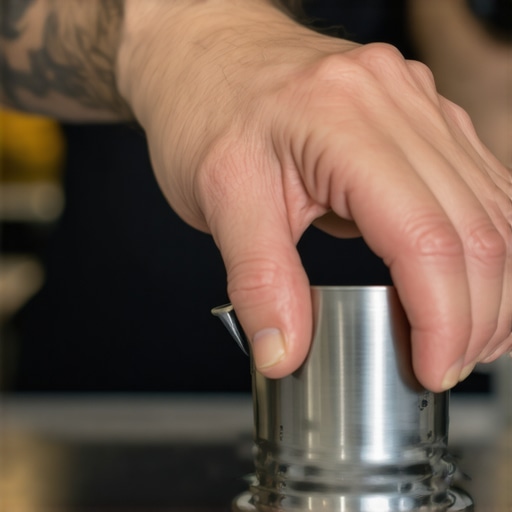
It was late one evening when I realized I was sabotaging my own coffee. I had just finished tamping my espresso grounds, and instead of letting gravity do its work, I instinctively gave the portafilter a quick tap with my tamper—again and again. It’s a habit many home baristas develop, but little did I know, that simple tap was silently undermining my efforts to brew a perfect shot. Have you ever done the same, only to wonder why your espresso tastes flat or uneven?
Why Tapping Your Portafilter Could Be Wrecking Your Coffee
Many of us fall into the trap of tapping or banging the portafilter after tamping, believing it helps settle the grounds or remove air pockets. However, this seemingly harmless action can create more problems than it solves. When you tap your portafilter, you might be unintentionally disturbing the puck’s structure, causing channels where water flows unevenly—leading to inconsistent extraction and a less flavorful shot. Studies have shown that uneven tamping or disturbance during brewing can significantly impact the final taste of espresso (source: Barista Hustle), but so can micro-movements like tapping.
What’s more, repeatedly hitting your portafilter can weaken the seal between the gasket and the group head over time, leading to leaks or pressure drops during extraction. Early in my journey, I made the mistake of thinking more force equals better tamping—only to discover that my espresso tasted dull and lacked the brightness I was chasing.
So, why does this habit persist? Habit, frustration with uneven shots, or just muscle memory—any of these can make us unaware of the damage we might be doing. But the good news is, by understanding the impact, we can stop sabotaging our shots and start brewing with intention.
In the next sections, I’ll guide you through simple, effective tweaks to your routine that eliminate the need for tapping, ensuring your espresso is consistent, flavorful, and true to the beans’ personality. Ready to improve your espresso game? Let’s dive in.
Secure Your Tamp with Confidence
Begin by mastering even distribution before pressing. Use a level distribution tool or a simple knock to settle grounds without tapping—avoiding disturbance. I recall a morning I misused my tamper, causing channeling; switching to a consistent, gentle press improved my shots visibly.
Choose the Right Tamper Size and Pressure
Select a tamper that matches your basket diameter perfectly—using a tamper that fits snugly prevents uneven tamping. Apply consistent pressure—about 30 pounds—without excessive force, which can disturb the puck’s integrity. Aim for a firm, even compression, akin to pressing a pancake batter, to create a homogenous bed.
Optimize the Tamping Environment
Ensure your workspace is steady and clutter-free to maintain consistency. Keep your grinder calibrated so doses are precise; uneven weight distribution can lead to uneven tamping. Regularly check your grinder’s burrs—dull burrs can cause inconsistent grinds. After grinding, use a distribution tool or a gentle sweep to level grounds before tamping—this minimizes the need for taps and preserves puck integrity.
Refine Your Brewing Routine
Preheat your portafilter and machine to stable temperatures. When loading grounds, avoid shaking or tapping to settle them further—trust your distribution. When it’s time to tamp, place the portafilter firmly on a non-slip surface and apply deliberate pressure. During extraction, watch for signs like uneven flow—indicative of disrupted puck structure—then adjust your technique accordingly. Also, consider using a paper filter to clean the basket—a simple trick to improve shot clarity.
Maintain Your Equipment for Consistency
Regularly inspect your gasket seals—a worn gasket can cause leaks. Keep your grinder’s adjustment ring free from debris—free it carefully to prevent disturbances. Proper maintenance prevents micro-movements during tamping, ensuring stable extraction. Remember, the goal is precision, not force; consistent pressure yields better flavor without damaging your gear. By applying these steps, you’ll eliminate unnecessary taps and develop a more reliable, flavorful espresso workflow, transforming your daily routine into a confident, deliberate craft.When it comes to brewing exceptional coffee at home, many enthusiasts focus on the obvious—grinder burrs, tamping technique, or machine temperature. However, seasoned baristas and industry experts know there are subtle nuances that can make or break your brewing experience. Let’s explore some common myths and advanced pitfalls that often trip up even experienced home baristas.
Stepping Beyond the Basics: Why Not All Grinders Are Equal
Many believe that upgrading to a burr grinder is the sole path to better espresso, but the reality is more nuanced. Dull or poorly maintained burrs can hide behind seemingly perfect grind size settings, leading to inconsistent extractions. Regularly inspecting your grinder’s burrs—see how to clean and maintain them—is essential to avoid subtle flavor impairments. Moreover, grinding too fine on a less capable grinder may cause motor overheating or stall, undermining your effort.
Barista Gear: More Than Just Fancy Accessories
It’s tempting to view high-end tools as mere status symbols, but in reality, specialized barista gear—like distribution tools or tamping mats—can significantly improve consistency. Choosing a tamper that matches your basket size and applying uniform pressure isn’t just a detail; it impacts extraction quality. Beware of tools that seem luxurious but lack precision. Properly calibrated tools help eliminate uneven puck compaction, preventing channeling.
Espresso Machines: The Devil Is in the Details
Many believe that temperature control is sufficient; however, even subtle factors like portafilter preheating or cleaning your shower screen can subtly influence shot quality. For instance, neglected shower screens can create uneven water distribution, leading to stale or sour flavors. Avoid the trap of neglecting regular cleaning or ignoring pressure gauge readings that might reveal micro-cavitations inside your pump, which can cause inconsistent flow and extraction issues. Interested in the hidden cause of uneven flow? Check out this guide.
Is Your Milk Frothing Really Perfecting the Microfoam?
Many home baristas assume that steaming milk with a standard wand guarantees silky microfoam. But advanced frothing techniques involve controlling steam pressure and tip positioning—details that determine whether the milk is glossy and smooth or bubbly and separated. Overlooking these can sabotage even the most carefully brewed espresso.
Have you ever fallen into this trap? Let me know in the comments. Mastering these nuances isn’t about complicating your process but elevating your brewing to a level where subtle improvements consistently lead to superior flavor. Remember, in coffee, the devil truly is in the details.
Keep Your Equipment in Top Shape for Perfect Espresso
As home baristas, our equipment is the backbone of every shot. Regular maintenance not only prolongs the lifespan of your gear but also ensures each cup tastes just as good as the first. I personally swear by a quarterly deep clean of my espresso machine, including descaling and inspecting gaskets, to prevent mineral buildup and pressure issues. For grinders, I recommend checking the burrs every 6 months and using a natural cleaning method to remove coffee oils that can cause clogs or stale flavors.
Tools I Trust and Why
One indispensable tool I rely on is a calibration weight set, which helps me fine-tune my grinder periodically. Unlike relying solely on grind size adjustments, using a known weight ensures consistency—critical when switching between beans. Additionally, I keep a safe-uncaging tool handy for those tough grind rings that get stuck over time. Trust me, a small investment here saves hours and frustration.
For cleaning portafilters and baskets, I opt for the paper filter hack to prevent oils from seeping into the gasket and to keep my workflow smooth. Regularly replacing water filters and using soft, clean cloths further minimize residue or mineral buildup, guaranteeing each shot’s purity.
Monitoring and Troubleshooting Equipment
Staying ahead of potential issues requires vigilance. For instance, I habitually inspect my espresso machine’s pump’s air pocket to prevent cavitation, which can cause inconsistent pressure. I also listen for unusual noises—sounds that often signal wear or blockages—allowing me to address problems before they escalate. Many of these minor acts of diligence save me costly repairs down the line.
How do I maintain my tools over time?
The most straightforward approach is establishing a routine—set calendar reminders for descaling, burr checks, and gasket inspections. Keep a dedicated toolkit with brushes, spare seals, and cleaning solutions nearby, so maintenance becomes part of your weekly rhythm. Remember, equipment that’s well-maintained consistently performs better, giving you that flawless shot every time.
Looking ahead, the future points toward smarter, connected home coffee gear that self-monitors for wear and schedules its own maintenance. Until then, your hands and a bit of routine will keep your gear—and your coffee—spot on. Try applying a calibration weight to your grinder today; it might just be the key to your next-perfect espresso.
Unspoken Lessons That Changed My Brewing Game
Discovering the importance of micro-adjustments and paying close attention to subtle signs transformed my espresso quality. I learned that a slight tweak in tamping pressure or a tiny change in grind consistency could mean the difference between a flat shot and a vibrant one. The realization that tools and technique are interconnected nudged me to refine every part of my routine, leading to a more soulful and reliable coffee experience.
Patience and mindfulness proved more valuable than chasing the latest gadgets. Recognizing that brewing is a delicate symphony rather than a quick fix helped me develop a deeper connection with my gear and beans. Embracing this mindset unlocked levels of flavor and aroma I hadn’t experienced before, elevating my home espresso journey from a morning task to a cherished ritual.
My Go-To Arsenal for Espresso Excellence
- Calibrated Digital Scale: Precise measurements ensure each dose is exact, preventing wasted beans and inconsistent shots. I trust mine for its reliability and ease of use.
- Distribution Tool: Leveling grounds effortlessly has improved shot uniformity significantly. The paper filter trick adds an extra layer of cleanliness, enhancing clarity and flavor clarity.
- Cleaning Brush Set: Regular maintenance of grinder burrs and machine components keeps everything running smoothly. It’s an investment that pays off in consistent quality.
- Reputable Coffee Resources: Subscribing to trusted blogs and forums guides my continuous learning. They offer insights that keep my technique sharp and my palate curious.
Embrace the Journey—Your Coffee Awakening Awaits
Achieving espresso mastery is a personal voyage filled with small wins and valuable lessons. Each tweak—whether it’s adjusting tamping pressure, fine-tuning grinder settings, or maintaining your equipment—brings you closer to that perfect shot. Remember, excellence is rooted in consistency, patience, and a willingness to learn from every pour. Your dedication today will cultivate the rich, aromatic experiences you deserve every morning. Keep experimenting, stay curious, and let your passion for coffee guide your path forward.