Why Your Commercial Machine Loses Steam Pressure During Rush Hour
It was a hectic morning behind my coffee bar. The queue was growing longer, my espresso machine was working overtime, and suddenly, I noticed a sharp drop in steam pressure as I tried to froth milk for a particularly demanding latte. That sinking feeling hit me—my machine, usually a reliable workhorse, was sputtering during the busiest moment of the day. Frustration welled up because, truthfully, I knew the importance of consistent steam pressure for that perfect microfoam, and losing it right when my busiest customers needed their caffeine fix was disheartening.
When Your Espresso Machine Loses Steam Pressure—And How to Fix It
Think it’s just bad luck or an age-related issue? Think again.
Despite the reputation of commercial machines, they’re not invincible—especially when overworked during peak hours. Early in my journey as a coffee enthusiast, I made a big mistake: I ignored routine maintenance and believed that my machine could handle relentless use without any checkups. That oversight led to a sudden drop in pressure, leaving me scratching my head and scrambling for quick fixes.
Here’s the reality: understanding why your machine’s steam pressure drops can save you both time and money. Think of it like your car—regular tune-ups prevent breakdowns. And if you’re facing the same issue, you’re not alone. Lots of baristas and coffee lovers encounter this problem during their busiest periods, and many don’t know where to start looking.
Before diving into complex repairs, it’s good to recognize that common causes such as mineral buildup, worn-out gaskets, or clogged steam wands can be culprits. According to industry experts, regular descaling and routine inspections are essential to keep your machine functioning optimally—yet many overlook this crucial step. For more tips on choosing reliable gear and maintaining your equipment, check out [this guide on top-rated espresso machines](https://espressotechguide.com/top-rated-espresso-machines-for-coffee-lovers-in-2025).
Now, let’s explore the specific reasons behind your machine’s pressure drop and how to address them, so you’re ready to tackle rush hour without a hitch.
Inspect and Descale the Machine Carefully
Start by turning off your espresso machine and allowing it to cool down. Remove the water reservoir and check for mineral buildup, which can clog the internal passages, reducing steam pressure. Use a descaling solution according to the manufacturer’s instructions, usually by running it through the boiler and steam wand, to dissolve scale deposits.
Examine and Replace Worn Gaskets
Locate the steam valve and gasket—think of it like a door seal that prevents leaks. Old, cracked gaskets won’t seal properly, causing pressure drops. Remove the steam valve assembly and inspect the gasket; replace it if it shows signs of damage. Proper gasket replacement ensures airtight seals, restoring pressure during frothing.
Clean and Clear the Steam Wand Thoroughly
Many pressure issues stem from clogs in the steam wand. Use a pin or a small brush to clear any mineral buildup or blockages inside the wand or nozzle. Soaking the wand tips in vinegar overnight can also help dissolve deposits, which, if left unaddressed, impede steam flow.
Verify the Boiler Pressure and Safety Valve
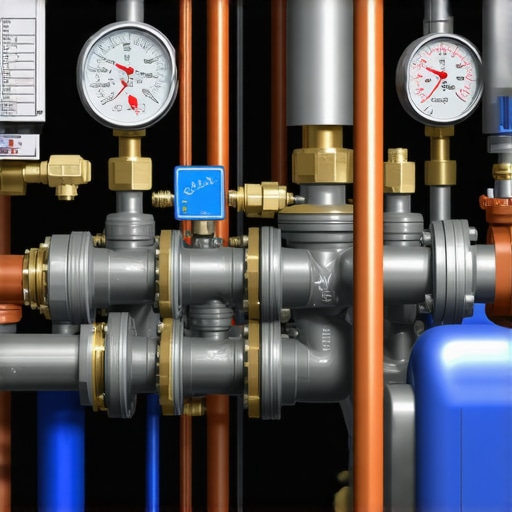
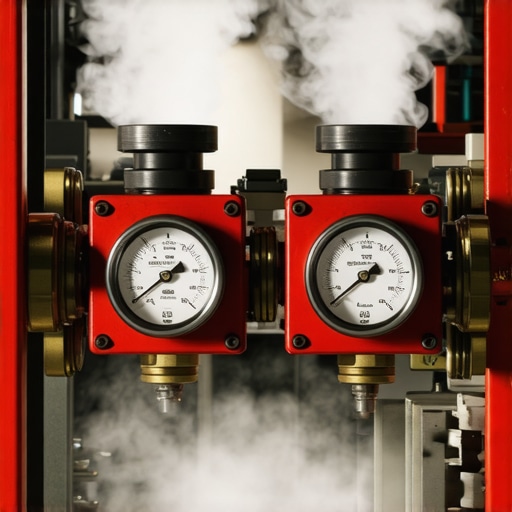
Check if the boiler pressure is within the manufacturer’s recommended range—typically around 1 to 1.5 bars when idle. If pressure is too low, the boiler may not generate enough steam. Also, examine the safety valve; a faulty valve can vent pressure prematurely. If you suspect a malfunction, consult a technician because replacing these parts requires precision.
Regular Maintenance is Key
Develop a routine to descale your machine every 1-3 months depending on usage and water hardness. Schedule periodic checks of gaskets, valves, and seals—think of it as a health check-up for your espresso setup. Over time, neglect leads to buildup and wear, causing pressure drops just like I experienced during busy mornings.
Apply Practical Troubleshooting Analogies
Picture your espresso machine like a bicycle pump: if the valve seal is worn or dirty, air can’t be compressed efficiently, resulting in weak steam. Just as replacing a leaky seal restores pressure, replacing worn gaskets or unclogging the steam wand restores your machine’s performance. These intuitive steps can solve most pressure issues without needing costly repairs.
When I followed these steps during a busy weekend, I was able to restore consistent steam and avoid the rush-hour disappointment. Remember, a little preventative maintenance goes a long way in keeping your espresso machine humming smoothly, ensuring every latte is perfect and every froth silky.
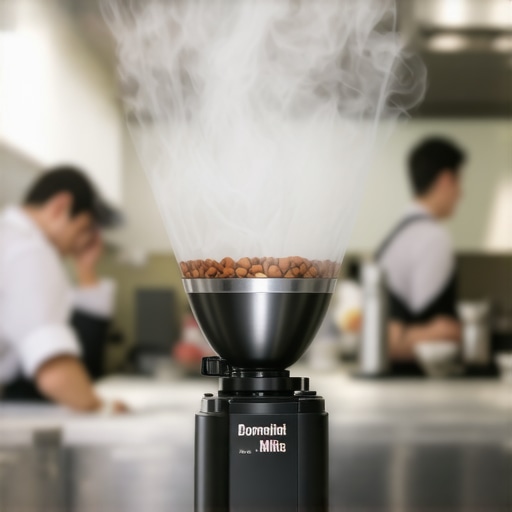
When it comes to professional-grade coffee gear, many enthusiasts fall into misconceptions that can hinder their brewing quality. One pervasive myth is that expensive equipment guarantees perfect results straight out of the box; however, even high-end machines require nuanced understanding and proper calibration to achieve optimal extraction. For instance, a common mistake is assuming that a powerful grinder alone will produce great espresso, but without attention to burr alignment and grind consistency, you’re likely to face uneven extraction and channeling issues. Mastering the subtle adjustments, such as dosing and tamping pressure, can make a significant difference in shot quality. Additionally, relying solely on automatic milk frothers can lead to a false sense of convenience, while manual or semi-automatic options, like those discussed in [this guide on milk frothers](https://espressotechguide.com/milk-frothers-that-transform-your-coffee-experience), offer greater control over texture and temperature—crucial for barista-level microfoam. A hidden trap many overlook is neglecting the maintenance of their espresso machines and grinders; buildup of oils, scale, or mineral deposits not only compromises flavor but also diminishes equipment lifespan. Regular descaling and cleaning are essential steps often dismissed by casual users, yet these are paramount for preserving extraction consistency. From my experience, understanding that even minor calibration tweaks—such as adjusting the dose to within 0.1 grams—can elevate your espresso from good to extraordinary. Advanced baristas know that chasing perfect shot quality involves dissecting nuances like brew temperature stability, pressure profiling, and precise grind size, which are often overlooked by beginners who focus solely on hardware. Recognizing these subtleties helps avoid common pitfalls like over-extraction or under-extraction, both of which result in unbalanced flavors. Don’t fall into the trap of believing that any coffee gear is set-and-forget; dedicated attention and a thorough understanding of your equipment’s intricacies significantly impact your brewing success. Always remember, the devil is in the details—be it maintaining your grinder’s burrs or fine-tuning your espresso machine’s pressure. If you’re serious about elevating your home espresso setup, check out [the top-rated espresso machines for 2025](https://espressotechguide.com/top-rated-espresso-machines-for-coffee-lovers-in-2025), which are built with user-adjustable features that encourage mastery of your craft. Have you ever fallen into this trap? Let me know in the comments.Maintaining your coffee equipment is crucial for consistent, high-quality brews, and having the right tools makes all the difference. One indispensable item I personally rely on is a **burr grinder alignment kit**, which allows me to precisely adjust the burrs to ensure even grind size and prevent static buildup. This small investment has drastically improved my extraction consistency. For checking water quality—which directly impacts mineral buildup and descale frequency—I use a **digital TDS meter**. Regularly testing my water helps me decide when descaling is truly needed, avoiding unnecessary chemical use and prolonging my machine’s lifespan.
When it comes to cleaning, I swear by a **dental pick**. Its fine tip is perfect for removing coffee oils and residue from tight spots like shower screens and steam wand holes—tasks that a brush alone can’t handle. I also recommend investing in **magnetic dōsers** for precise coffee dosing; they help me avoid over- or under-extraction caused by inconsistent grind amounts. For milk frothing, I prefer a **stainless steel thermometer** to monitor milk temperature during steaming. Maintaining ideal milk temp (around 140°F) is key for silky microfoam and avoiding burned tastes.
Looking ahead, the trend points toward smarter maintenance solutions. Companies are developing **smart sensors** that monitor pressure and temperature in real-time, alerting you when maintenance or calibration is needed—effectively making your machine more self-aware. This technology will likely become standard in high-end models, simplifying upkeep even further.
**How do I maintain my espresso setup over time?** Regularly checking and calibrating your grinder, descaling based on water quality, and cleaning with specialized tools are essential. Incorporating routine inspections using a **mirror or fiber optic scope** allows me to spot early signs of wear, especially in hidden spots like shower screens or boiler valves. Over time, these practices prevent costly repairs and keep the coffee tasting superb.
If you’re serious about long-term gear health, I highly recommend trying a **burr alignment tool**. Proper alignment dramatically reduces static and ensures even extraction—take it from me, small adjustments here yield significant improvements. For detailed guidance on your specific machine, consult manufacturer manuals or industry-standard resources.
For more comprehensive advice, check out [this guide on professional-grade espresso gear](https://espressotechguide.com/top-rated-espresso-machines-for-coffee-lovers-in-2025). And don’t forget: a little preventative maintenance now can save you hours of troubleshooting later. Happy brewing!
What I Wish I Knew Before My First Espresso Shot
One of the most valuable lessons I learned was the importance of consistency in grind size and tamping pressure. Small tweaks made a huge difference in shot quality, and understanding this helped me avoid many common issues like sour or bitter flavors. Never underestimate the power of routine calibration—it’s the secret ingredient to perfect espresso every time.
Tools That Elevated My Home Barista Game
Investing in a quality burr grinder alignment kit, a digital TDS meter, and a precision tamper transformed my brewing experience. These tools provided me with greater control and reliability, ensuring my equipment was always ready for that delicate balance of grind and extraction. Discovering reliable gear made me confident that I could troubleshoot and improve my setup without guesswork.
My Heartfelt Reminder: Don’t Skip Regular Maintenance
Consistent descaling, cleaning your steam wand with a dental pick, and inspecting gaskets might seem tedious, but they are the backbone of great coffee. I learned the hard way that neglecting these details leads to pressure drops and flavor compromises. Treat your machine like a trusted friend—regular care extends its life and keeps your coffee tasting stellar.