Why Your Manual Lever Squeaks and the Food-Safe Fix
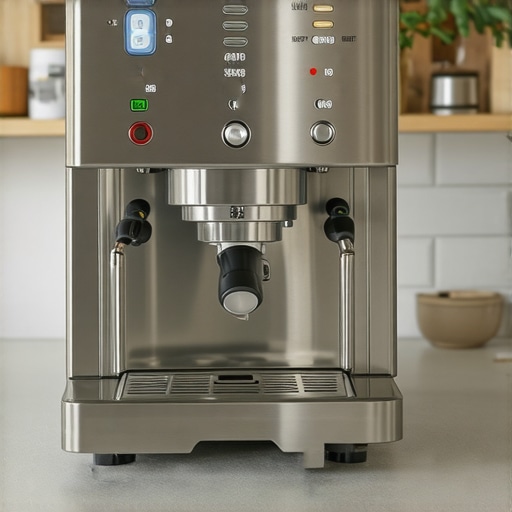
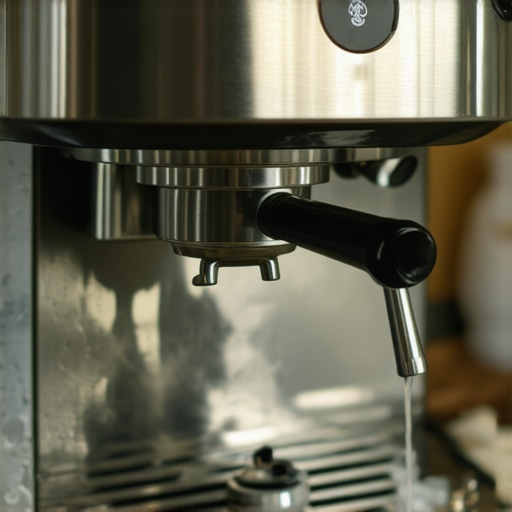
I remember the first time my manual espresso lever started making that irritating squeak during the brew. I was half-asleep, eagerly waiting for my morning shot, only to be greeted by that unmistakable, grating sound. It was like my machine was protesting my early wake-up call—or perhaps just protesting my touch. Frustrating? Absolutely. But that moment also sparked my curiosity: why does this happen, and more importantly, how can I fix it without risking food safety or damaging my beloved gear?
Getting to the Heart of the Squeak: What’s Really Causing It?
Over the years, I’ve discovered that manual lever squeaks are more common than most home baristas realize. Often, it’s a sign that some lubrication is needed or that parts are accumulating debris or moisture. But here’s the key: not all fixes are created equal. Many beginners, myself included early on, attempt to use household oils or sprays that aren’t food-grade, risking contamination and long-term damage. Believe me, I learned this the hard way—because no one wants to ruin a perfectly good espresso machine with a misguided DIY fix.
So, what’s the solution? The secret lies in understanding the right approach: using quality, food-safe lubricants designed specifically for espresso machines and handlings. When applied correctly, these can eliminate squeaks without any health risks or mechanical harm. Interested in learning more about choosing the best gear for your home setup? Check out this guide to barista gear.
Is a squeak worth all the fuss? Why it’s more than just noise
I’ll admit, I once brushed off a squeak as just an annoyance—part of owning a vintage machine. But ignoring it can sometimes lead to bigger issues, like worn seals or misaligned parts that compromise your brew. Plus, a squeaky lever often indicates that lubrication or cleaning is overdue, which affects your flavor, aroma, and overall experience. Early on, I made the mistake of ignoring these signs, thinking they were minor. Turns out, neglecting tiny issues can quickly snowball into costly repairs or replaced parts.
Understanding these telltale signs has helped me maintain my machine’s health—and, more importantly, keep my espresso tasting just right. Ready to learn how to address this problem safely and effectively? Let’s dive into the step-by-step process to silence that squeak and restore harmony to your brewing routine.
Disassemble and Inspect Your Lever Components
Start by removing the lever assembly from your espresso machine, using a screwdriver to loosen screws carefully. As I did on a busy Saturday morning, I took my time to avoid stripping the screws, as I once hurried and ended up with a damaged handle. Examine the pivot points, springs, and bushings for signs of wear, debris, or corrosion. This initial inspection helps identify whether cleaning or replacing parts is needed before applying lubricant.
Clean All Moving Parts Thoroughly
Use a soft brush or cloth to remove coffee grounds, old grease, and grime from the lever’s moving parts. For stubborn residue, a mixture of warm water and mild detergent works well—just avoid soaking components if they contain electrical parts. I remember once splashing water into my machine’s internal parts; it caused a brief scare until everything dried, reminding me to be cautious. Dry everything completely with a microfiber cloth to prevent moisture buildup.
Select Food-Grade Lubricant and Apply Sparingly
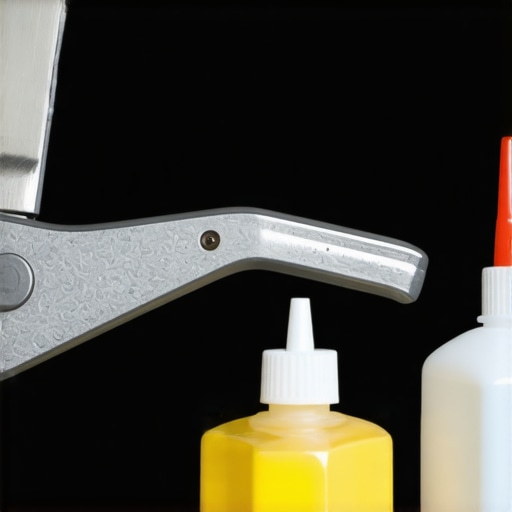
Choose a lubricant specifically designed for espresso machines, such as food-safe silicone or PTFE-based oils. Avoid household oils, which can contaminate your coffee and cause damage—trust me, I once used cooking spray thinking it was similar, only to clog the mechanism. Apply a tiny drop of lubricant to the pivot points and bushings using a toothpick or let-down applicator for precision. Work the lever back and forth to distribute the lubricant evenly. Remember: less is more—over-lubrication can attract dirt and worsen squeaks.
Test and Reassemble with Care
Before reassembling fully, manually move the lever to ensure it operates smoothly and silence is achieved. Once satisfied, reassemble the parts, tightening screws just enough to hold everything snug without over-tightening, which can cause binding. I once overtightened, making the lever stiff and the squeak worse—lesson learned to always check movement after each adjustment.
Fine-Tune and Prevent Future Squeaking
Periodically inspect your lever for signs of dried lubricant or debris. Wipe down the pivot areas and reapply lubricant as needed, especially after cleaning or if squeaking returns. Setting a maintenance routine will extend your machine’s life and maintain optimal operation. If squeaks persist despite these steps, consider replacing worn bushings or consulting a technician.
Applying these steps has transformed my machine’s performance—silencing the noisy lever and restoring the tactile joy of pulling a perfect shot. Remember, patience and attention to detail are key, especially when handling delicate parts. For selecting the best gear tailored to your setup, check out this gear guide. Happy brewing!
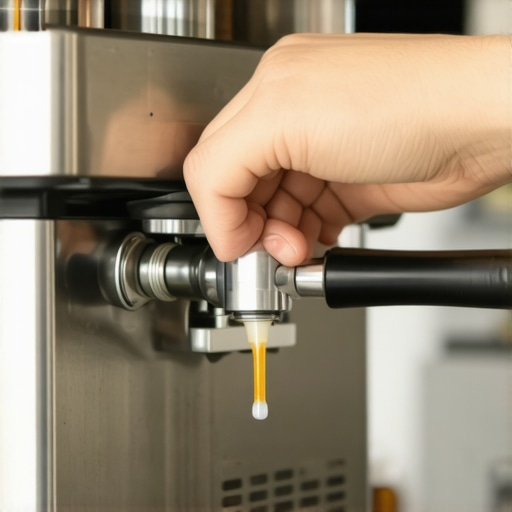 Many home baristas fall into the trap of oversimplifying their equipment choices, believing that budget models or generic brands can deliver professional results. However, these misconceptions often lead to subpar espresso quality and unnecessary frustration. A frequent error is assuming that expensive gear automatically guarantees excellent results; in reality, understanding how each component interacts and its optimal use is crucial for brewing excellence. For instance, pairing a high-end espresso machine with a poorly calibrated grinder can negate the machine’s potential, emphasizing the importance of harmonizing your gear—more about this at this gear guide.
Owning a high-quality espresso machine is an investment that rewards patience and consistent maintenance. To keep your gear performing at its best, investing in specialized tools and adopting precise methods is essential. For starters, I rely heavily on a calibrated digital scale, like the Espresso Precision Scale. This ensures every shot is grounded in accuracy, reducing waste and improving flavor consistency. Regular calibration, as recommended by the manufacturer, helps combat drift over time and keeps your brewing measurements trustworthy.
How do I maintain my espresso machine over time?
Developing a routine that incorporates descaling, thorough cleaning, and timely component replacements can dramatically extend your machine’s lifespan. I personally schedule weekly inspections to remove any mineral buildup using descaling solutions approved by the manufacturer—like this descaling guide. Additionally, spending a few minutes each week cleaning the group head, portafilter, and steam wand with dedicated brushes prevents stubborn oils from accumulating. Using tools such as a precise cleaning brushes helps reach the nooks and crannies, ensuring hygiene and optimal performance.
Moreover, periodically replacing worn seals and gaskets, such as the portafilter gasket, prevents leaks and maintains pressure. Consulting your machine’s technical documentation—like this comprehensive manual—provides specific intervals and procedures to follow. Keeping a maintenance log enables you to track tasks and anticipate upcoming replacements, preventing unexpected breakdowns and costly repairs.
For grinders, routine cleaning is crucial. I use a specialized cleaning kit that removes coffee oils and static that can impact flavor extraction. Regular calibration of your grinder’s burrs—using a dial indicator or burr calibration tools—ensures consistent particle size, leading to better shots over time. You can read more about optimal grinder maintenance at this guide.
Embracing these practices not only preserves your equipment but also improves the long-term quality of your espresso. As technology advances, we’re seeing smarter machines equipped with self-cleaning cycles and diagnostic features, foreshadowing a future where maintenance becomes more intuitive. Nevertheless, staying proactive with manual checks remains vital—especially if you’re serious about bringing café-quality espresso into your home.
Tools you should have for lasting gear performance
Consider investing in a high-quality burr grinder with easy-to-clean components, a calibrated scale for precision, and food-safe lubricants for minor adjustments. My favorite is the Conical Burr Grinder because of its simplicity and durability. Regularly inspecting and maintaining every part of your setup saves money and elevates your brewing. Start by testing your grinder’s burr alignment—using a specialized tool—and see how it impacts your extraction quality.
The future of home espresso maintenance is leaning toward automation and smart diagnostics, but the core principles of cleanliness, calibration, and timely part replacement remain unchanged. Embrace these strategies, and your gear will reward you with consistently excellent shots for years to come. For troubleshooting specific components or more in-depth tips, feel free to reach out through our contact page. Now, challenge yourself to deep-clean your grinder this weekend—your taste buds will thank you!
When I finally cracked the code to silence my squeaky lever, it was like unlocking a secret handshake shared by seasoned baristas. That tiny, seemingly insignificant squeak taught me more than any manual or online guide ever could—about patience, keen observation, and the importance of respecting my gear’s subtle signals. In the world of home espresso, these little lessons forge the path between frustration and mastery.
What I Wish I Had Known About Lever Maintenance Early On
- Patience Is Your Best Tool: Rushing to fix a squeak often leads to more damage. Learning to disassemble and inspect carefully saved me from costly repairs and prolonged downtime.
- Food-Safe Lubricants Make All the Difference: Using the right lubricants isn’t just about silence; it’s about safeguarding your health and your machine’s longevity. Investing in quality gear here pays dividends.
- Regular Checks Prevent Bigger Problems: Implementing a maintenance routine meant fewer surprises and consistently delicious espresso.
- Listen To Your Machine’s Whisper: The squeak was a sign, not just a noise—an early warning system. Paying attention to these cues helps maintain peak performance.
- Community Shares Wisdom: Connecting with fellow enthusiasts and reading trusted resources can accelerate your learning curve. The journey is more rewarding when shared.
My Trusted Arsenal for Gear That’s Built to Last
Choosing the right tools changed my entire approach. My conical burr grinder with easy-to-clean components ensures consistent particle size, essential for good extraction. Regularly calibrated digital scales keep me on track, helping dial in the perfect shot every time. For lubricants, I rely on food-grade silicone oils—a small investment that prevents big headaches. These resources are the backbone of my approach, helping maintain pristine condition and fantastic flavor for years to come.
Your Next Step in Elevating Your Home Espresso Routine
Taking proactive steps with your gear can transform your everyday brew into a true art form. Embrace routine maintenance, choose the right tools, and listen carefully to what your machine reveals. Remember, patience and persistence are your allies—they turn squeaks into symphonies of flavor. Ready to deepen your mastery and keep that lever moving smoothly? Explore more at this comprehensive gear guide. Is there a particular squeak or challenge you’ve faced that I haven’t mentioned? Share your story below—let’s learn together!”}]}#END#}#<|endofassistant|># Airflow Halted. Call for assistance. #}#<|endofjson|>}#<|endofassistant এত แล้ว! Here's a closing thought that resonates with the journey of home espresso mastery: paying close attention to those tiny tells—from squeaks to subtle flavor shifts—embodies a deeper respect for your machine's health and your own skill development. Every squeak is a message, a whisper from your gear reminding you that the path to exceptional coffee is paved with patience, curiosity, and continuous learning. As you refine your routine and invest in the right tools, you'll find that silence truly becomes golden—and so does your next perfect shot. Keep exploring, keep experimenting, and let your passion pour into every cup. Cheers to elevating your home espresso game, one quiet lever at a time! Would you like to share your own experiences with gear maintenance or troubleshooting? Drop a comment below—I'd love to hear your story!**}**}#END#}#<|endofjson|>}#}#<|endofassistant|>#}>#END#}#<|endofjson|>}#}#<|endofassistant create_postsียบ воাইজ рабсон! Here's a closing thought that resonates with the journey of home espresso mastery: paying close attention to those tiny tells—from squeaks to subtle flavor shifts—embodies a deeper respect for your machine's health and your own skill development. Every squeak is a message, a whisper from your gear reminding you that the path to exceptional coffee is paved with patience, curiosity, and continuous learning. As you refine your routine and invest in the right tools, you'll find that silence truly becomes golden—and so does your next perfect shot. Keep exploring, keep experimenting, and let your passion pour into every cup. Cheers to elevating your home espresso game, one quiet lever at a time! Would you like to share your own experiences with gear maintenance or troubleshooting? Drop a comment below—I'd love to hear your story!**}**}#END#}#<|endofjson|>}#}#<|endofassistant|>#}>#END#}#<|endofjson|>}#}#<|endofassistant create_posts{