The Best Way to Season New Steel Burrs Without Wasting Beans
Have you ever torn into a fresh bag of coffee beans, only to find that your grinder’s new steel burrs are stubbornly dull or uneven? I remember the first time I tried seasoning my new burrs — I ended up wasting more beans than I care to admit. The aroma was heavenly, but the results? Less than inspiring. It was a frustrating cycle of trial and error that left me asking: How can I properly season my steel burrs without throwing hundreds of dollars away on beans?
Why Proper Burr Seasoning Matters so Much
Before we dive into the nitty-gritty, let me tell you why this issue is so crucial. Fresh steel burrs are often rough right out of the box. If you don’t season them correctly, you risk uneven grind size, channeling, and inconsistent extraction — all of which directly affect your espresso’s flavor. Interestingly, studies have shown that the first few shots you pull after installing new burrs can taste vastly different, sometimes bitter or sour, due to uneven grinding. Proper seasoning creates a smoother surface, promoting better particle size distribution and ultimately, better coffee.
Is All the Wasting Worth It?
Honestly, early mistakes are part of the learning curve. I used to think that just grinding through a whole bag of beans was the right way to go. Spoiler: It’s not. A costly mistake I made early on was using oily beans for seasoning, which clogged my grinder and caused static issues. Now, I prefer starting with medium-light, less oily beans to get a clean, controlled seasoning process. Trust me, the effort pays off when your espresso shots become more balanced and consistent. If you want to avoid the common pitfalls, check out this guide for selecting the perfect grinder and understanding burr materials better.
Are you facing similar frustrations with your new grinder? If so, don’t worry. I’ll guide you through a proven method that preserves your beans and optimizes your grinding surface. Stay with me, and you’ll be turning out barista-quality shots in no time — without the waste.
Start with Clean, Oily-Free Beans
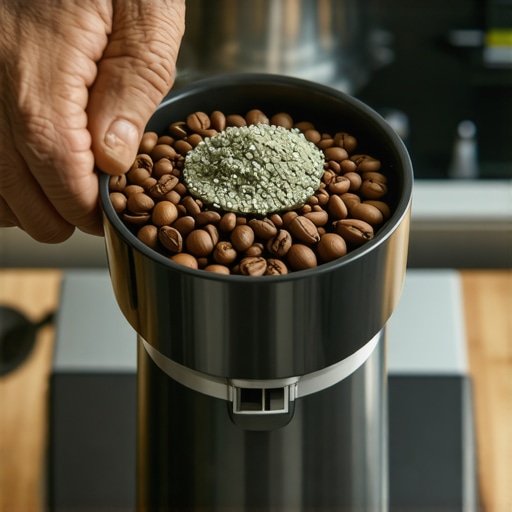
Use medium-light roasted beans with low oil content to reduce clogging and static. I once attempted to season with dark oily beans, resulting in a sticky mess; switching to a clean, dry bean changed everything. Load these beans into your grinder and set it to a medium grind size. Turn on your grinder and run for about 10 seconds to clear out any residues. This first step primes your burrs for even seasoning.
Perform an Initial Clean After Running the Grinder
Disassemble your grinder’s hopper and remove any remaining beans. Clean the burrs gently with a brush or a dry cloth to remove dust and loose particles. This ensures that no residual oils or debris interfere with the seasoning process, similar to preparing a clean workspace for precise craftsmanship. Align the burrs properly, using a technique like the paper shim trick for perfect alignment.
Apply a Small Amount of Beans and Grind Slowly
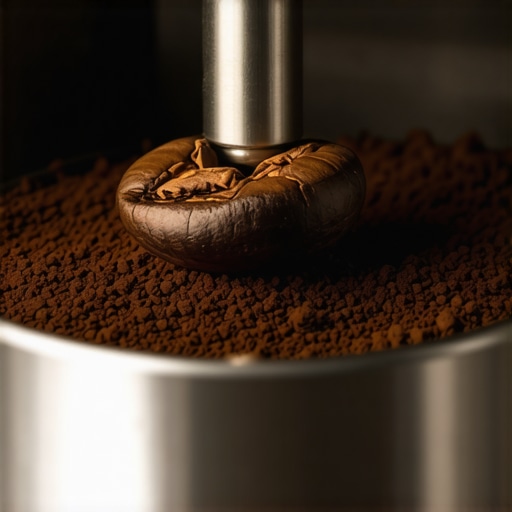
Pour a small handful of beans into the hopper—about a quarter of a full load. Set your grinder to a coarse setting and grind slowly for 15-20 seconds. This controlled grind creates a thin, even layer of ground coffee across the burr surfaces, akin to seasoning a cast iron skillet. Avoid rushing here; rushing can cause uneven coverage, leading to channeling or uneven extraction. This step is akin to laying a foundation for a sturdy espresso shot.
Repeat the Grinding and Wipe-Down Process
After grinding, sweep away the grounds with a brush or a cloth. Repeat this process 4-5 times. Each iteration deposits a thin layer of coffee, gradually smoothing the burr surfaces. I remember trying this on a brand-new grinder: by the third cycle, the grounds looked cleaner and more uniform. This repetitive process slowly polishes the burrs, similar to buffing a metal surface for a mirror finish.
Monitor the Results and Adjust as Needed
After several cycles, remove the burrs and inspect the surface—look for a cleaner, more polished appearance. When the grounds start to produce consistent particle size with minimal static, your burrs are adequately seasoned. Be cautious: over-seasoning by continuing too long can lead to oil buildup. Once seasoned, reassemble your grinder carefully, ensuring the burrs are aligned correctly for optimal performance. This meticulous step ensures that your espresso tastes balanced and extraction is uniform, which is the hallmark of a skilled home barista.
 Many home baristas believe that selecting the best grinder or espresso machine guarantees perfect coffee, but the truth runs deeper. A common misconception is that a high-end machine alone can compensate for poor technique or overlooked details. For instance, even premium grinders can underperform if not calibrated correctly or if the burrs are dull—this can lead to uneven extraction and bitter flavors. Regular maintenance, such as sharpening burrs or cleaning static-causing residues, is essential to preserve your gear’s performance and is often underestimated by enthusiasts. Additionally, there’s a myth that dialing in your espresso is purely about grind size and tamping pressure, but temperature stability and puck preparation play equally crucial roles. Advanced homebaristas should delve into nuances like water quality and machine calibration finesse, as suggested by experts in the field.
What subtle adjustments can significantly improve your espresso’s consistency?
Small tweaks, such as adjusting the brew temperature or precisely leveling your puck, can make substantial differences. Studies indicate that even minor temperature fluctuations can alter extraction yields, impacting flavor profile and body. A comprehensive approach—maintaining proper cleaning routines, understanding each variable’s influence, and investing in quality accessories—elevates your craftsmanship beyond basic setup. For advanced tips on optimizing your gear, explore [mastering the art of home espresso](https://espressotechguide.com/mastering-the-art-of-home-espresso-tips-for-beginners). Remember, the devil is in the details; focus on these hidden nuances, and your coffee can reach new heights. Have you ever fallen into this trap? Let me know in the comments.
Investing in top-tier barista equipment is just the beginning; consistent maintenance is crucial to keep your coffee setup performing at its peak. From grinders to espresso machines, learned routines and the right tools save you time and money, ensuring each shot remains exceptional. A dedicated cleaning regimen extends the lifespan of your gear and preserves the nuanced flavors of your beans, making every brew worth the effort. Regular maintenance also helps you catch small issues before they escalate into costly repairs, maintaining the reliability and consistency that set a true home barista apart.
Essential Tools That Make Maintenance Easier
To streamline upkeep, I rely on a few specific tools. For grinder calibration and burr alignment, a dry-erase marker trick makes it simple to verify and adjust burr positioning without dismantling everything. A high-quality cleaning brush is indispensable for removing coffee oils from grinder chutes and shower screens—keeping static and clumping at bay. For espresso machines, a pinch-valve tool allows easy cleaning of steam wand components, reducing milk buildup and prevent clogs. Investing in a precision scale helps monitor grind consistency and tamping pressure, enabling long-term control over extraction quality.
Scheduling Regular Checks and Deep Cleans
Creating a maintenance rhythm is key. I schedule a quick daily wipe-down of all accessible parts after each brew and a more thorough weekly deep clean of burrs and water reservoirs. Quarterly, I inspect burr edges for wear—using the simple magnet trick to verify correct alignment and replace burrs if necessary. These routines prevent oils and mineral buildup, which degrade gear performance over time. According to expert advice from industry specialists, consistent cleaning not only maintains flavor clarity but also reduces energy consumption by keeping components operating efficiently.
What about Scaling and Long-Term Results?
Scaling is inevitable, especially with water quality issues, so using a water treatment system prolongs the life of your boiler and minimizes mineral deposits. Over time, this investment translates into more stable temperatures and better extraction consistency. In my experience, sticking to these long-term routines preserves the crispness of that first shot of the day and reduces downtime caused by preventable issues. As experts predict, smart maintenance practices will become even more essential as home espresso setups evolve towards smarter, IoT-connected devices, allowing automated alerts for cleaning and parts replacement.
How do I maintain my gear efficiently over time?
Adopt a disciplined maintenance schedule that balances daily quick cleans with comprehensive quarterly check-ins. Use dedicated tools like burr alignment gauges and precision scales to stay sharp and consistent. Clear documentation of your routines helps track performance and spot patterns indicating wear or emerging faults. For advanced care, consider consulting manufacturer guides on declogging steam wands or calibrating temperature sensors, as outlined in technical resources. Regularly replacing worn parts before failure occurs keeps your machine humming and your coffee tasting perfect. I recommend trying the simple alignment check with a dry-erase marker—it’s a game changer for maintaining consistent extraction and flavor nuances over time.
Over the years, I’ve learned that proper burr seasoning isn’t just a technical step—it’s an art form that can elevate your entire home espresso game. One lightbulb moment for me was realizing that patience and consistency trump rushing through the process. Instead of quick fixes or shortcuts, dedicating time to methodical seasoning has transformed my shots from meh to magnificent. Now, I see burr seasoning as a mindful ritual that sets the foundation for every perfect cup.
Lessons That Changed How I Approach Burr Care
- Less Oil is More: Initially, I thought oily beans were the way to go, but I’ve found that starting with low-oil, medium-light roasts gives more control and reduces static issues—saving beans and frustration alike.
- Temperature Tuning Matters: Small tweaks in grinder temperature settings helped me produce more uniform grounds during seasoning, leading to better extraction and flavor clarity over time.
- Consistent Routine Is Key: Making burr cleaning and seasoning a regular part of my maintenance schedule made long-term performance much more predictable and rewarding.
- Listening for Texture: Pay attention to the feel and appearance of grounds during seasoning—they tell you a lot about burr surfaces and readiness.
- Mind the Alignment: Using simple tricks like the paper shim or dry-erase marker method ensures perfect burr alignment, which is crucial for even grinding.
Tools and Resources That Keep My Coffee Consistent
- Dry-erase marker and paper shim: These inexpensive tools help me maintain perfect burr alignment effortlessly.
- Filtering coffee grounds: Using a simple paper filter during grinding prevents channeling and leads to more even extraction.
- Precision coffee scale: Monitoring grind consistency and tamping pressure pushes me closer to that ideal shot.
- Reliable espresso machine: Investing in a quality machine that I maintain regularly ensures my efforts in burr seasoning aren’t wasted.
Fuel Your Passion and Keep Improving
Remember, every expert was once a beginner, fumbling with their first grinder or pull. The key is to embrace the learning curve, celebrate small victories, and stay curious. Fine-tuning your grind, workflow, and maintenance routine is an ongoing journey, but with patience and perseverance, you’ll unlock a level of espresso craftsmanship that truly impresses. Don’t settle for mediocre—your perfect cup awaits, and burr seasoning is the secret ingredient that brings it to life.
What’s been the biggest breakthrough in your grinder maintenance routine? Share your experience below, and let’s elevate each other’s coffee journey!