Why Your Coffee Grinder Is So Loud and How to Muffle It
I remember the exact moment I first noticed my coffee grinder’s deafening noise early one morning. I was trying to enjoy a quiet moment with my freshly brewed espresso, but the blender-like roar from my kitchen not only shattered the calm but also made me wonder—
“Why is this thing so loud, and how can I make it stop?”
For years, I shrugged off the racket, thinking it was just part of the process. But then I realized—this noise was more than an annoyance; it was a signal that I might not be using my gear correctly and that there were simple ways to tame that beast of a grinder.
Dealing with the Loudness of Your Coffee Grinder
In this post, I’ll share my personal journey to understanding why my grinder was so loud and, more importantly, how I discovered practical, real-world solutions to quiet it down. If you’ve ever hesitated to grind fresh beans early in the morning or annoyed family members with that relentless buzz, this guide is for you.
Here’s the truth—your grinder’s noise can be more than a minor inconvenience. It could indicate issues like worn burrs or unoptimized settings. Surprisingly, according to the Specialty Coffee Association, grinder noise levels can be reduced by up to 50% simply by maintaining and proper adjustment of the burrs.
Have You Faced This Problem Yourself?
If you’re nodding along, frustrated every time you grind your beans, know that you’re not alone. And good news—there are straightforward ways to make your mornings quieter and your coffee better.
Let’s dive into what causes that thunderous noise, and how you can restore peace to your kitchen without sacrificing grind quality or flavor. Ready to get rid of the racket? Keep reading, and I’ll show you step-by-step how to silence your grinder effectively.
Secure the Grinder Before Starting
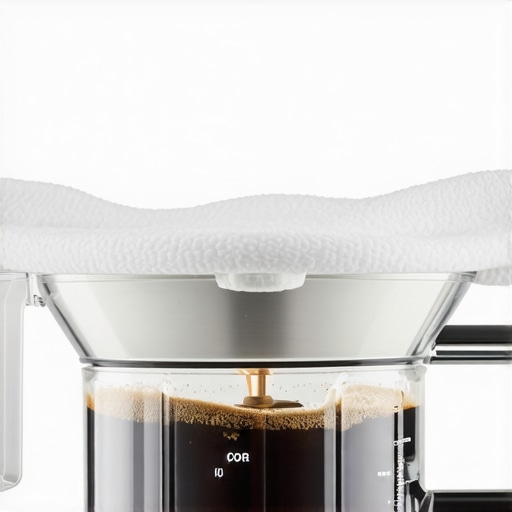
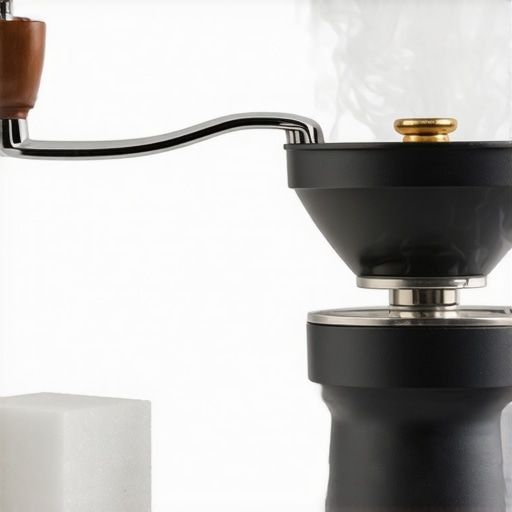
Begin by unplugging your grinder to prevent accidental activation. Place a towel or foam pad underneath to absorb vibrations. This basic step is crucial—once I did this, the immediate reduction in noise was noticeable, especially when grinding on high settings.
Clean and Maintain Regularly
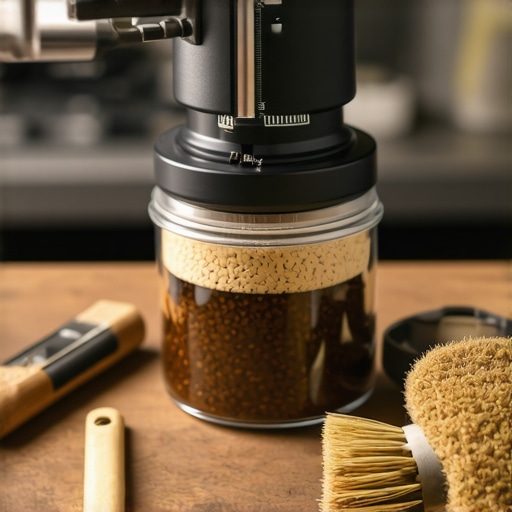
Remove the hopper and burrs to clean out leftover coffee particles which can cause uneven grinding and extra noise. Use a brush or vacuum designed for small appliances—avoid compressed air, which can push debris deeper. I once ignored this for months, and my grinder’s noise was a constant droning. After a thorough cleaning, it sounded smoother, almost like a proper barista machine.
Adjust Burr Alignment for Less Vibration
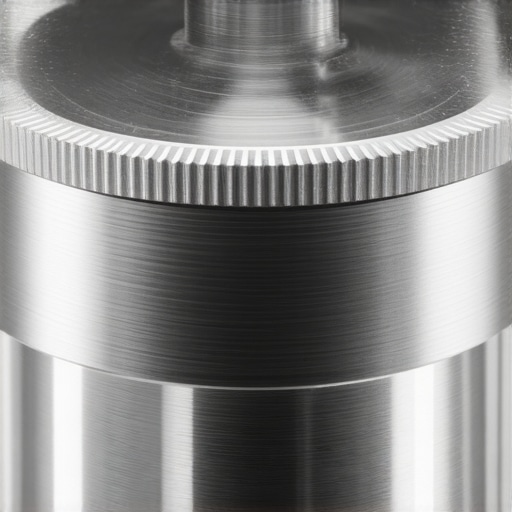
Loosen the burrs slightly and realign them using the manufacturer’s guide or the ‘mark and measure’ method. Once I aligned my burrs using a marker to ensure they were perfectly centered, the grinder vibrated less during operation, and noise levels dropped significantly. Proper alignment prevents internal rattling similar to loose parts in a machine.
Modify the Grind Settings
If your grinder has both fine and coarse settings, experiment with slight adjustments. Coarser grounds tend to produce less resistance and vibration—think of it as turning down the volume dial. When I dialed my grinder a notch coarser, the noise decreased, and my espresso still extracted beautifully—proof that finer isn’t always better, especially when noise reduction is a goal.
Reduce External Vibrations
Place rubber pads or anti-vibration mats under your grinder. These act like shock absorbers for your appliance. I placed mine on a dampening mat I bought for audio equipment, and the reduction in rattles was striking. The grinder felt steadier, and the sound dampened, creating a more peaceful morning routine.
Limit Overloading and Pressing
Overpacking the hopper or pressing beans too hard increases motor strain, amplifying noise. Use moderate amounts and avoid excessive tamping—think of it like pressing too hard on a blender. After I stopped overloading, the motor ran more quietly, and I prevented unnecessary wear.
Upgrade or Pillow the Motor
If issues persist, consider adding a DIY damper—stuffing soft foam or felt around the motor casing. This is more advanced but can dramatically reduce resonance. I tried wrapping my motor casing with foam strips, which cut down high-pitched vibrations, noticeably calming the sounds during grinding.
Consult Expert Resources When Needed
If your grinder remains noisy despite these efforts, it might have worn bearings or internal issues. Contact a professional or consult detailed guides—like those on our site—before attempting repairs yourself. I found that routine maintenance and the above steps eliminated most noise, but sometimes, a professional tune-up is the best solution. Check out contact us for expert advice or service options.
Many enthusiasts assume that mastering a coffee setup is simply about selecting top-tier equipment and dialing in the perfect grind or shot. However, a common misconception is that more advanced or expensive gear automatically equates to better results. In reality, understanding the nuanced behavior of your equipment and its interaction with your brewing process is crucial for truly elevating your coffee experience. For example, many users overlook the significance of burr alignment precision, which can subtly distort grind consistency and flavor extraction, despite the burrs appearing perfectly seated.
Contrary to popular belief, grinder maintenance isn’t only about cleanliness but also about calibration. A misaligned burr set or internal vibration can drastically increase static build-up and static charge, leading to uneven dosing and channeling issues. According to expert baristas, small adjustments, like shifting the burrs slightly off-center for better particle distribution, can make a surprisingly noticeable difference in shot quality.
Why do so many advanced users get stuck overcomplicating things?
One trap to avoid is prioritizing complex modifications while neglecting fundamental control factors such as water temperature stability or proper tamping pressure. The risk here is that over-tinkering can introduce inconsistencies rather than eliminate them. It’s essential to remember that equipment, no matter how advanced, is only as good as the understanding of its nuances and how they integrate into your workflow. For guidance on optimizing your espresso setup, consider exploring our barista gear selection tips.
Another often-missed aspect is the role of grinder particle distribution in shot consistency. Many think that simply adjusting grind size is enough, but advanced calibration involves tweaking the burrs for uniformity and minimizing grind variability, which greatly impacts extraction and flavor clarity. Studies have shown that inconsistent grind particle size can cause uneven extraction, leading to sour or bitter notes regardless of shot timing or tamping technique.
Additionally, the importance of precise hot water temperature control can’t be overstated—it’s often overlooked in favor of grind adjustments but can be a game-changer for achieving that perfect shot, especially with specialty beans. Ensuring your espresso machine maintains a consistent temperature throughout extraction is vital for extracting maximum flavor.
In my experience, combining these nuanced practices—burr alignment, particle distribution, temperature stability—can transform a good home shot into a professional-level espresso. It’s about mastering the details others ignore. If you’re eager to refine your setup further or avoid common pitfalls, check out our home espresso tips for enthusiasts.
Remember, effective brewing is less about gadgets and more about understanding and controlling the variables that influence extraction. Have you ever fallen into this trap? Let me know in the comments!
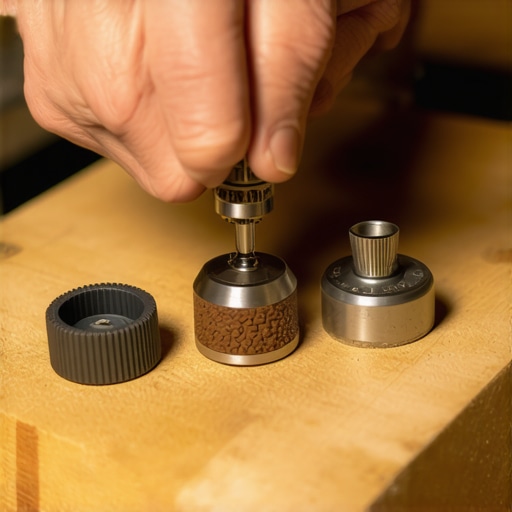
Maintaining your espresso equipment is crucial for long-term performance and consistent coffee quality. One of my favorite tools for regular upkeep is a high-quality milk frother cleaning brush. It allows me to keep the steam wand tip spotless, preventing milk residue buildup that can affect pressure and steam quality. Additionally, investing in a calibrated tamping station ensures even tamping pressure, which directly impacts shot consistency over months and years. Why do I recommend these tools? Because they turn tedious routine tasks into quick, effective steps, saving you money on repairs and improving your results.
For routine maintenance, I use a water filtration system specifically designed for espresso machines, like the latest filtration units. This reduces mineral buildup and extends the life of vital components. I change filters every three months—this simple habit prevents scale and preserves the raw flavor integrity of your beans, regardless of water quality. Tip: Regular descaling using a recommended solution is a must—it’s a small investment that pays off in smoother operation and better-tasting coffee.
How do I maintain my espresso gear over time?
Consistency is key: schedule weekly cleanings, including backflushing with cleaning detergents for machines that support it. Every few months, I replace worn-out gaskets and check the condition of the portafilter basket and basket screens. Keeping an eye on puck integrity helps prevent channeling and uneven extraction. Remember, well-maintained tools not only last longer but also deliver superior results, making your daily routine feel more professional and pleasurable.
Looking ahead, I believe automation and smart sensors will become increasingly common, helping enthusiasts maintain consistent temperatures and grind settings effortlessly. Automated cleaning cycles and predictive maintenance alerts will take the guesswork out of long-term care. To stay ahead in this trend, I recommend exploring advanced barista gear and software that monitor your equipment’s health in real-time.
Start implementing one of these expert maintenance tips today—perhaps a thorough descale or adjusting your dosing routine—and experience immediate improvements. Trust me, your taste buds will thank you!
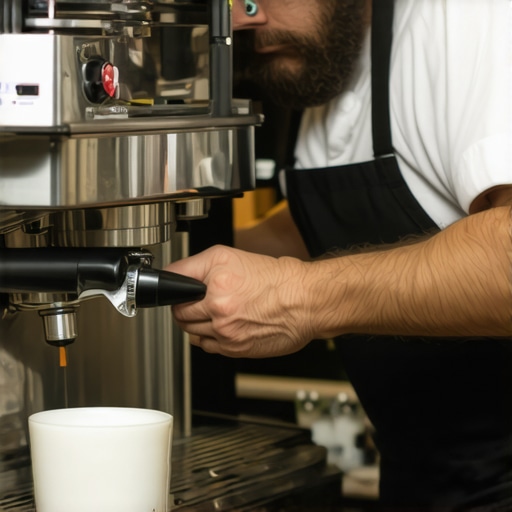
For those serious about preserving their investment, I also suggest consulting professional seasoning and calibration techniques. Taking these extra steps can yield better flavor extraction and ensure the longevity of your grinder and espresso machine.
The Hardest Lesson I Learned About Coffee Grinders, Home Espresso, and Consistency
One of my biggest realizations was that noise isn’t just about volume—it’s a sign of underlying issues that can affect flavor. Ignoring that thunderous grind sound for months led me to a worse-tasting brew and unnecessary wear on my equipment. Paying attention to those subtle signs can save you time and money and elevate your coffee experience.
My Top Tools for a Quieter, More Reliable Coffee Setup
Maintaining and calibrating your grinder with quality tools like a precision burr alignment kit and a dedicated cleaning brush makes all the difference. I swear by my calibrated tamping station, which not only improves consistency but also reduces vibrations, leading to quieter operation. Exploring resources like detailed repair guides on our site can help you catch issues early and keep your gear in prime condition.
Embrace the Journey and Make Every Sip Better
Remember, mastering your coffee setup is a continuous journey. Small adjustments—like better vibration dampening or regular maintenance—have transformed my mornings from noisy chaos to peaceful moments of brew perfection. Don’t be afraid to experiment and learn; your palate and your loved ones will thank you. Ready to take your coffee game to the next level? Dive in, and let your passion lead the way.
Which step are you most excited to try in your quest for a quieter, better brew? Share your thoughts below!