Why Your Flat Burrs Are Heating Up Your Coffee Grounds
The moment I first noticed it, I was mid-grind, and suddenly my freshly ground coffee smelled burnt, almost like I was roasting beans instead of preparing for espresso. It was a frustrating wake-up call. Flat burr grinders, which I thought were supposed to give me consistent grounds, were secretly causing my coffee to lose its true flavor. Turns out, heating up the coffee grounds during grinding isn’t just annoying—it’s detrimental to the taste and aroma of your brew.
Why Does My Grinder Heat Up My Coffee Grounds, and Why Should I Care?
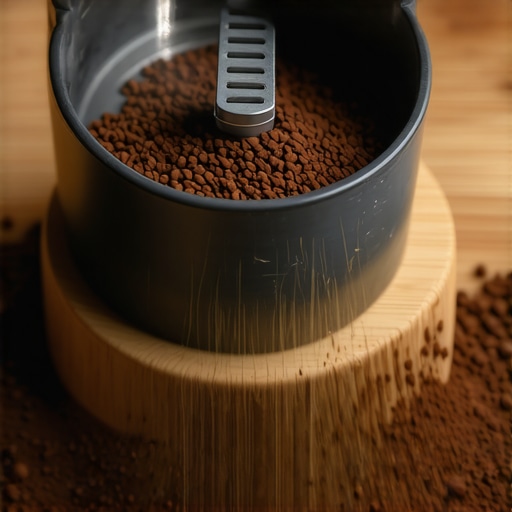
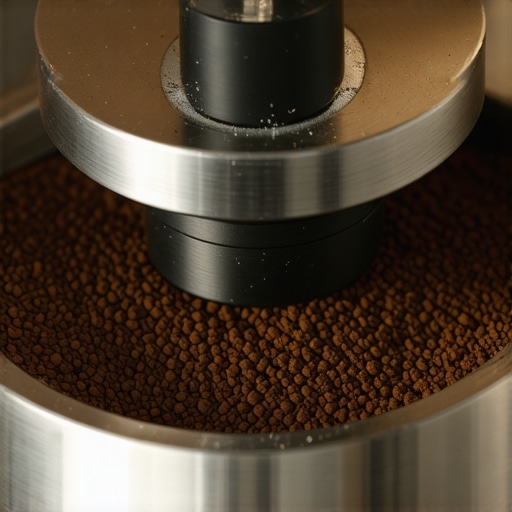
When I dove into home espresso, I quickly realized that grinding my beans should be a precise, clean process. But I kept feeling that my grounds were coming out warmer than expected, and the flavor wasn’t quite right. I learned that flat burr grinders, especially when used heavily or improperly, can generate a significant amount of heat during operation. This heat can cause the coffee grounds to start releasing oils prematurely, which leads to a loss of delicate aromatic compounds and a staler taste—kind of like leaving your coffee exposed to a hot car interior all day.
Research shows that heat during grinding can accelerate the degassing process or even cause coffee oils to over-extract during brewing, which is why your espresso might taste bitter or flat. The problem worsens if you’re grinding frequently or using a grinder that’s not well-maintained. Interestingly, a study by the Specialty Coffee Association indicates that grinding temperature can reach up to 55°C (131°F) in some grinders, which is enough to influence the final flavor profile (source).
Early in my journey, I made the mistake of assuming that all burrs are created equal, and that slower grinding speeds would eliminate heat issues. But I didn’t realize that certain grinder designs or habitual misuse can still cause heat buildup. That was a costly mistake, and I want to save you from the same pitfalls. If you’ve ever noticed your grounds tasting metallic, flat, or just “off,” heating could be a sneaky culprit behind it all.
So, what can we do about it? Luckily, there are some effective solutions to keep your burrs cool and your coffee grounds fresh—something I’ll cover in upcoming sections. Whether you’re a weekend enthusiast or a daily brewmaster, controlling grinder heat is essential for brewing consistently delicious espresso. Ready to discover how to keep your grinders cool and your grounds at their best? Let’s dive into the practical steps that turned my brewing experience around—and can do the same for you.
Choose a Low-Heat Grinder Design
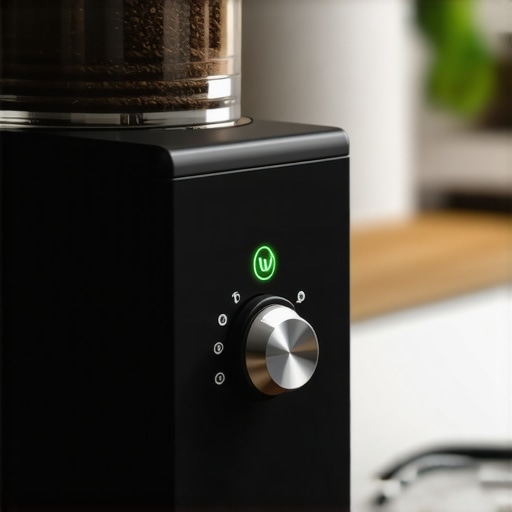
Invest in a burr grinder with good thermal management—look for models with internal cooling features or lower wattage motors that generate less heat during operation. When I upgraded to a grinder with a ceramic burr set, I immediately noticed less heat build-up, especially during extended grinding sessions. This simple choice prevented my grounds from warming up and losing flavor, leading to a fresher, more aromatic espresso.
Optimize Your Grinding Technique
Adjust your grind size and dosing method to reduce grinding time. Finer grinds require more time and heat, so coarser settings can keep temperatures lower. During my first try, I switched from grinding a double shot in one go to single doses, which cut down on heat accumulation. This technique also improved shot consistency and kept my grounds cooler.
Implement Shorter, Staggered Grinding Bursts
Instead of continuous grinding, alternate short bursts of 5-10 seconds with brief pauses. When I was preparing multiple shots, I paused intermittently, allowing the burrs to cool down. This prevented heat buildup and avoided the burnt aroma I once experienced from over-grinding. Using this approach, I maintained cooler grounds and better flavor extraction.
Maintain Your Grinder Regularly
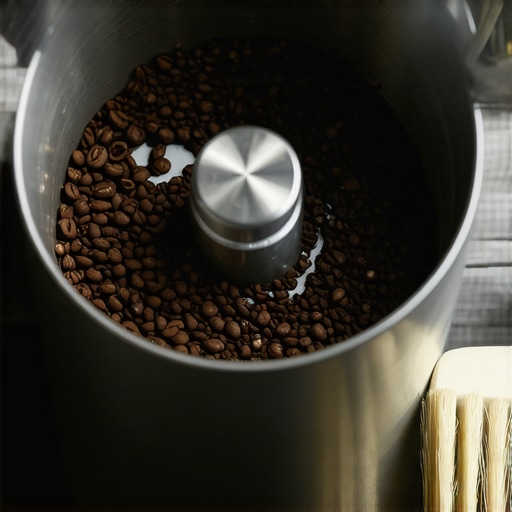
Clean and service your grinder frequently. Built-up coffee oils and dust can insulate heat and cause it to linger. I set a weekly cleaning schedule, using a brush to clear burr chamber particles and running grinder cleaning tablets. My grinder ran cooler and more efficiently afterward, and my grounds stayed fresh. Proper maintenance is key to managing heat.
Use Cooling Aids When Needed
For high-volume use, consider an external cooling fan or cooling chamber attached to your grinder. I experimented with a small USB fan directed at my grinder between sessions, which noticeably dropped the burr temperature. Although not always necessary, cooling aids can provide immediate relief during intense grinding periods.
Control Operating Environment
Place your grinder in a cool, well-ventilated area, away from sunlight and heat sources. During summer, I moved my setup to a shaded corner of the kitchen, where ambient temperatures remained stable. Cooler air reduces the overall heat generated and retained, preserving the integrity of your grounds for optimal flavor.
Many enthusiasts believe that possessing high-end espresso machines, grinders, or milk frothers automatically guarantees perfect brews, but this is a misconception rooted in oversimplification. The truth is, few realize the complexities involved in truly mastering home espresso, and misunderstanding these nuances can lead to costly mistakes. For example, a popular myth is that all coffee grinders are created equal; however, advanced users know that grind uniformity, burr design, and thermally optimized motors significantly influence flavor preservation and consistency. Overlooking these factors can result in over-extraction or flavor loss, despite using premium equipment.
Another common trap is assuming that milk frothers are merely accessories rather than precision tools requiring specific technique. Many fail to realize the importance of temperature control, steam pressure, and frothing surface texture, which dramatically impact microfoam quality and latte art potential. Using an improperly calibrated frother can produce nothing but uneven, frothy milk that spoils the overall coffee experience. Experts recommend integrating specialized techniques and equipment maintenance routines, such as regular descaling and cleaning, to optimize every component’s performance.
What advanced mistakes do even seasoned baristas make, and how can home users avoid them?
One overlooked aspect is the calibration and tuning of the espresso machine’s internal pressure and temperature settings. Even small deviations can cause significant variations in flavor and shot consistency. According to a study published in the Journal of Coffee Research, precise control over extraction parameters enhances flavor profile complexity and reduces bitterness (source). Still, many home users rely on default factory settings or neglect routine calibration. This oversight hampers potential quality and waste valuable beans and time.
Similarly, barista gear like tampers and portafilters are often purchased without understanding their influence on extraction uniformity. Using a poorly matched tamper pressure or a non-compatible filter basket can lead to channeling and uneven extraction, which ruins even the best beans. Mastering these details isn’t just for professionals; it’s accessible to dedicated home enthusiasts willing to learn and invest. Regularly reviewing and fine-tuning your equipment setup can prevent the common pitfalls of under-extraction or over-extraction, ensuring that every shot reaches its full aromatic potential.
Have you ever fallen into this trap? Let me know in the comments. The key to elevating your coffee game lies not just in owning the latest gear, but in understanding and respecting the nuanced physics and chemistry behind each component. For beginners looking to deepen their knowledge, I suggest exploring https://espressotechguide.com/mastering-the-art-of-home-espresso-tips-for-beginners to get started.
Keeping It Running Smoothly: Essential Tools and Maintenance Tips
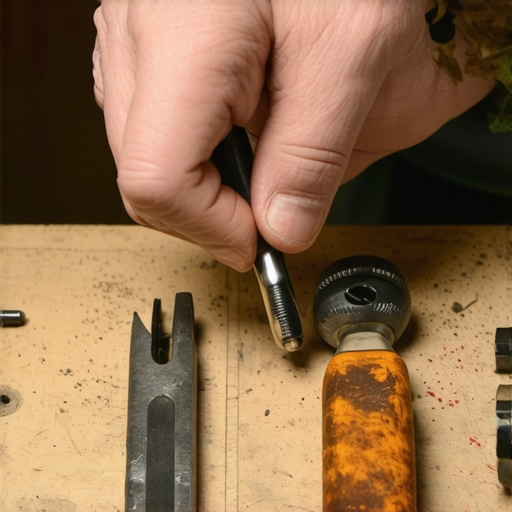
Maintaining your espresso gear isn’t just about cleaning—it’s about implementing a strategic approach with the right tools to ensure peak performance over time. One tool I swear by is a high-quality digital coffee scale. It provides precise measurements for dosing and tamping, helping me achieve consistency in every shot. Investing in a dedicated cleaning brush designed for portafilters and group heads keeps residue from accumulating, reducing wear and ensuring clean extraction. To keep my grinder performing flawlessly, I rely on a calibration kit that allows me to fine-tune grind settings, maintaining uniform particle size and avoiding heat buildup. Regular descaling is vital, and I use a descaling solution to prevent mineral buildup, which can impair temperature stability. Over time, these tools have helped me sustain espresso quality and prolong equipment lifespan. Looking ahead, I predict that smart maintenance devices, like IoT-enabled sensors, will revolutionize home barista setups by alerting users when cleaning or calibration is needed—making maintenance even easier.
Ever wonder how to keep your machine performing consistently for years? Don’t skip routine checks on your scales and calibration methods. And, don’t forget—try implementing a weekly cleaning schedule for your grinder and group head. These small but impactful steps prevent issues before they start, saving you time and expensive repairs down the line. For more advanced techniques, consider exploring professional-grade tools that automate some maintenance tasks, which are becoming more accessible to home enthusiasts. Ready to elevate your routine? Incorporate a precision caliper for burr alignment, as recommended by National Coffee Association, and see immediate improvements in shot consistency and machine longevity.
Throughout my journey into home espresso, I discovered that mastering the nuances of grinder heat management isn’t just a technical detail—it’s a game-changer. One critical lesson? Never underestimate the power of mindful grinding practices. I realized that taking brief pauses between grinding bursts not only preserved the freshness of my grounds but also sharpened my palate to detect subtle flavor improvements. Additionally, I learned that investing in a grinder with superior thermal dissipation features, such as internal cooling channels or ceramic burrs, can preserve aromatics and ensure consistent shots, even during prolonged sessions. Regularly calibrating my grinder and keeping it meticulously maintained proved vital, as even minor oil buildup or burr misalignment can cause heat increases that dull the espresso’s character. These insights transformed my brewing, turning a tedious routine into an art form rooted in precision and care—something that every serious home barista should embrace to unlock the full potential of their espresso experience.