How to Calibrate Your Commercial Grinder for Consistency
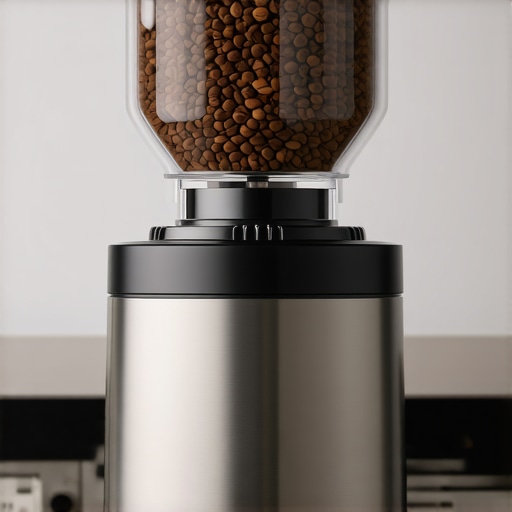
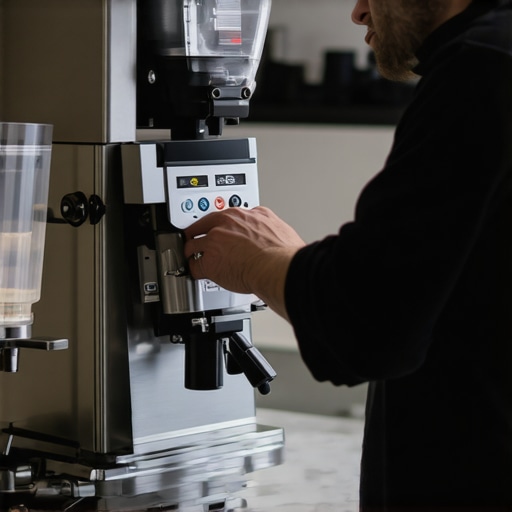
It was one of those mornings when I finally decided to take my coffee game seriously. I pulled out my commercial grinder, excited to craft the perfect espresso, only to be greeted by uneven extraction, erratic grind sizes, and a shot that tasted more like a bitter disappointment than the rich, nuanced brew I was aiming for. That frustrating moment sparked a crucial realization: my grinder wasn’t calibrated properly, and it was sabotaging my efforts every single time. Ever faced that sinking feeling when your espresso just won’t cooperate?
Why Calibration is the Backbone of Consistent Coffee
When your grinder isn’t dialed in correctly, each shot can be a gamble. A slight tweak in grind size or dose can turn a bland brew into a flavor explosion or a burnt, over-extracted mess. From my experience, the secret to a reliably excellent shot isn’t just high-quality beans or fancy equipment—it’s the precision of your grind settings. In fact, a study published in the Journal of Food Science emphasizes how critical grind size is to brewing chemistry, affecting extraction and flavor profiles.
However, many home baristas and even pros overlook the importance of regular calibration. They assume their grinder, once set, will stay consistent forever. Trust me, I was guilty of this mistake early on—thinking, “It’s close enough,” only to end up wasting beans and precious time trying to fix flavor issues that could have been solved with a simple tweak.
Implementing a straightforward calibration routine changed everything for me. Suddenly, my shots were consistently flavorful, balanced, and repeatable. That’s the kind of control every coffee enthusiast deserves. Ready to stop guessing and start dialing in like a pro? Let’s dive into the practical steps so you can enjoy perfect espresso every time.
Is calibrating your grinder really worth the effort?
I used to think calibration was just for the obsessionals, but now I see it as an essential skill—especially if you’re serious about your coffee. Not calibrating properly can lead to significant waste and compromised flavor, which can be discouraging. Early on, I made the mistake of adjusting my settings randomly instead of following a systematic approach, leading to more confusion than clarity. For a comprehensive guide on how to select the best gear to suit your needs, check out this resource.
So, are you ready to give your grinder the attention it needs to deliver consistent, delicious espresso? Great—because that’s exactly where we’re headed next!
.
Start with the Right Tools and Setup
Gather your grinder, a digital scale, a timer, and a notebook. Choose a consistent batch of coffee beans and set up your workspace for easy access. Remember, consistency begins with your equipment and environment.
Identify Your Baseline Grind Setting
Begin by setting your grinder to its default or last-used setting. Dial it to a medium-fine grind, similar to table salt. Measure out 18 grams of beans, then grind directly into a portafilter. Dose your basket with the ground coffee evenly, then tamp firmly and evenly with a tamper that matches your routine. Pull a shot and note the flow and extraction time. This initial shot gives you a baseline for adjustments.
Adjustments and Micro-Calibration
If the shot extracts too quickly (under 25 seconds), your grind is too coarse; adjust to a finer setting—think of turning a dial slowly, 1-2 clicks at a time. If it takes too long (over 35 seconds), go coarser. For more precise tuning, keep detailed notes of each adjustment and resulting shot. For example, I once moved my grind dial three clicks finer, which improved my extraction from 20 to 27 seconds, resulting in a richer, more balanced shot.
Use Incremental Changes for Accuracy
Change your grind in small, consistent increments. Remember, grinders can respond unpredictably; a slight turn can make a big difference. Document every change and the corresponding shot quality. This process transforms guesswork into a repeatable routine.
Monitor Consistency Over Time
Grinders can drift due to wear or environmental factors like humidity. Schedule regular calibration sessions—ideally every few weeks if you’re a daily user. Keep a calibration log and note if adjustments are needed more frequently. Consistency isn’t about setting and forgetting; it’s an ongoing process.
Practical Tips from Experience
Once, I neglected recalibrating before a weekend gathering. My shots were off, and I wasted beans trying to fix the problem. When I finally calibrated, my espresso returned to perfect, and I saved time—and money—by not over-extracting or wasting beans. For more tips on maintaining quality, check out this guide.
Conclusion: Empower Your Brewing
Consistent calibration isn’t a one-time task; it’s a skill that enhances every shot you pull. Think of your grinder as the engine of your espresso machine—fine-tuning it ensures smooth, flavorful results. With patience and methodical adjustments, you’ll elevate your home barista game and enjoy richer, more balanced espresso daily.
Many passionate coffee enthusiasts assume that owning premium barista gear or the latest high-end espresso machine guarantees perfect results every time. However, even seasoned baristas often fall into traps rooted in myths and overlooked nuances. Let’s dig deeper into the hidden pitfalls that can derail your brewing journey, despite your investment in quality equipment.
The Myth of Equipment Over Comfort
It’s widely believed that buying the most expensive espresso machine or most advanced milk frother will instantly elevate your coffee game. While quality gear is essential, neglecting technique and maintenance can negate those benefits. For example, an expert from the coffee industry warns that improper cleaning or calibration often has a more significant impact on flavor than the brand of your equipment. Don’t fall into the trap of thinking hardware alone is enough; your daily care and calibration are crucial.
Are You Falling for the ‘More Gear Means Better Coffee’ Trap?
This misconception can lead to unnecessary spending, where enthusiasts chase after the latest gadgets without mastering foundational skills like grinding, dosing, and tamping. Remember, even the best espresso machine will produce subpar results if the grinder isn’t dialed in properly or if the milk isn’t textured correctly. For comprehensive guidance on developing these skills, check out this cornerstone article.
The Danger of Neglecting Grinder Nuances
One subtle but impactful mistake is assuming all coffee grinders are created equal. Many home baristas overlook the importance of proper calibration and maintenance. For instance, a common mistake is grinding directly into a cold portafilter, which can lead to uneven extraction and wasted beans. Advanced users know that environmental factors like humidity and bean freshness impact grinder performance more than most realize, requiring regular adjustments and inspections.
Is Your Grinder Staying Accurate as Seasons Change?
Fluctuations in room temperature or humidity can subtly shift grind consistency, leading to inconsistent shots. A simple routine of re-calibrating your grinder during each season can help maintain precision—something experienced baristas do to ensure their grind size remains optimal for extraction. Overlooking this nuance can cause your espresso to taste flat or over-extracted, despite all other parameters being perfect.
The Mistake of Over-Tinkering
It’s tempting to keep adjusting your variables in search of the perfect shot, but over-tuning can backfire. Making incremental, deliberate adjustments based on specific feedback is key. An experiment from a recent study highlights how micro-calibrations—like adjusting the grinder in 0.1 mm steps—can dramatically improve consistency. Over-tinkering without keeping track leads to confusion and replicating flawed techniques.
Make sure to document your adjustments and understand that some issues stem from accumulated wear or environmental changes, not from the initial settings. This cautious approach saving time and ensuring your gear performs at its best.
Conclusion: Mastering Beyond the Basics
Having the right gear is only half the battle. The real secret lies in understanding how different components and external factors interplay—like grinder calibration nuances or the impact of humidity on coffee freshness. Apply a systematic approach to maintenance and calibration, and resist the temptation to chase shiny new gadgets without mastering fundamental techniques. For a full breakdown of how to optimize your setup and avoid common pitfalls, explore this detailed guide. Remember, the difference between a good shot and a great one often comes down to the small details. Have you ever fallen into this trap? Let me know in the comments.
To keep your espresso setup performing at its peak, regular maintenance and the right tools are essential. A well-maintained grinder, espresso machine, and accessories ensure consistent quality and help avoid costly repairs down the line. Personally, I rely on precise calibration tools like a digital caliper to measure burr alignment, which I adjust every few months to maintain grind consistency. This simple step has saved me from numerous under- or over-extracted shots. Anticipating future trends, I believe we’re moving toward smarter, sensor-equipped gear that can self-calibrate and monitor performance in real-time, reducing manual upkeep.
How do I maintain my espresso gear over time?
Start with a dedicated toolkit: a cleaning brush set, calibration gauges, and high-quality lubricants. Regular cleaning—de-scaling your machine every 3-6 months and deep-cleaning the group head—prevents build-up that can cause pressure issues or flavor contamination. For grinders, I recommend monthly burr inspections and replacements based on usage, as worn burrs diminish grind precision. Keeping a maintenance log helps track wear and schedule timely repairs, extending your equipment’s lifespan. I’ve found that investing in a descaling solution compatible with my model and using it before mineral deposits cause flow restrictions has been a game-changer.
Using the right tools makes a difference
Investing in tools like a PID temperature controller allows for precise temperature regulation, which is crucial for consistent espresso extraction. Additionally, a high-quality cleaning tablet tailored for espresso machines ensures thorough descaling without damaging sensitive parts. I’d recommend setting a maintenance routine that combines visual inspections, cleaning schedules, and calibration checks; this proactive approach prevents small issues from becoming expensive repairs.
Implementing a systematic maintenance routine
If you haven’t already, create a periodic checklist that includes descaling, gasket replacement, and calibration. For example, I schedule descaling every 3 months and burr replacements every 8-12 months, depending on usage. Regularly inspecting your steam wand for clogs or leaks—using a quick cleaning method—keeps steam pressure steady. These small steps accumulate into big benefits, maintaining clarity of flavor and equipment longevity.
Protect your investment with quality accessories
High-quality tampers, precision scales, and tamping mats aren’t just accessories—they’re tools that promote consistency and reduce wear on your machine. For instance, a calibrated tamper ensures even extraction, reducing pressure spikes that could damage seals. Similarly, using a digital scale like the precision scale helps monitor dose variations, safeguarding shot quality. These accessories, combined with diligent cleaning and calibration, make all the difference.
Keep an eye on environmental factors as well—ambient temperature and humidity can subtly affect grind and extraction. Using sensors or hygrometers enables you to adjust your process accordingly, maintaining consistency despite seasonal changes as discussed here.
Future of maintenance: Automation and smart tech
Looking ahead, expect to see more automated maintenance solutions, like smartphone-connected grinders that alert you when burrs are dull or calibration is off. Some advanced espresso machines already feature self-cleaning cycles and built-in sensors for temperature and pressure stability. By embracing these innovations, home baristas can focus more on brewing artistry than technical upkeep.
Try implementing a monthly calibration check with your grinder or machine—this small step can drastically improve shot consistency. With improved maintenance routines, your equipment will deliver exceptional results for years to come, saving money and elevating your coffee experience. For detailed guidance, revisit our foundational tips and explore which tools suit your setup best. Remember, well-maintained gear is the backbone of perfect espresso—stay proactive and enjoy the craft!
What I Still Wish I Knew About Grinder Micro-Adjustments
One of the lightbulb moments in my espresso journey was realizing that tiny adjustments—sometimes less than a millimeter—can dramatically influence shot quality. I used to think tuning was about large changes, but the most consistent results came from micro-calibrating with precision tools. This lesson taught me patience and respect for detail, transforming my brewing routine into a science instead of guesswork.
The Power of Routine Checks You Might Be Overlooking
Establishing a regular calibration and maintenance schedule is a game-changer. I underestimated how environmental factors—like humidity and temperature shifts—could throw off my grinder’s performance. Now, I perform quick calibration routines seasonally. This proactive attitude keeps my coffee tasting consistently amazing, proving that your gear needs as much attention as your craft.
How Embracing Simplicity Elevated My Coffee Game
In a world obsessed with gadgets, I found that mastering a straightforward calibration routine was more impactful than chasing premium equipment upgrades. Focusing on proper cleaning, small adjustments, and consistent dosing amplified the quality of my espresso without unnecessary expense. Sometimes, stripping away complexity reveals the true path to excellence.
Curated Resources for Better Brewing Control
To refine my calibration skills, I rely on tools like a digital caliper for burr alignment and a reliable shot timer. For understanding the science behind extraction, I turn to trusted blogs like this comprehensive guide. Additionally, device-specific calibration tutorials from reputable brands help me stay on top of maintenance tasks, ensuring my gear performs at its best. These resources have been invaluable in my pursuit of barista-level consistency.
Your Turn to Elevate Your Espresso Routine
Remember, perfecting your espresso isn’t about having the latest gear but about understanding and maintaining your equipment through deliberate calibration and care. With a few mindful adjustments and regular check-ins, you can enjoy consistently exceptional coffee at home. Are you ready to take your brewing to the next level by mastering your grinder’s calibration? Your perfect shot awaits!