How to Fix the Lag in Your Digital Espresso Brewing Scale
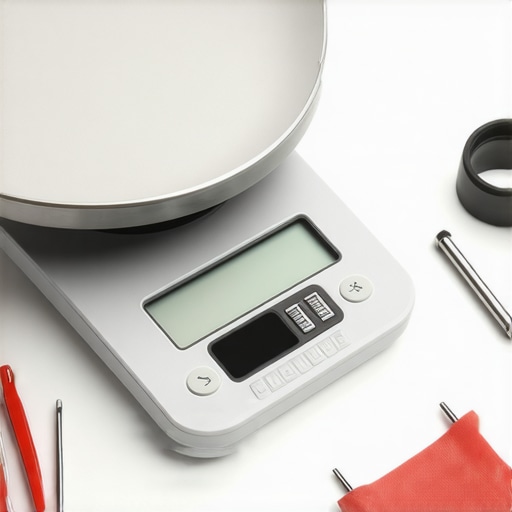
I’ll never forget the moment I stared at my digital espresso brewing scale, waiting for that tiny number to settle—only to watch it stutter and lag. Frustration bubbled up as I realized my perfectly timed shot was now a guessing game. That slow response or lag in my scale wasn’t just a minor annoyance; it was throwing off my entire brewing process. I knew I wasn’t alone in this; many home baristas and coffee enthusiasts face the same vexing issue, feeling like their gear is working against them instead of supporting their brew. If you’ve ever experienced that jittery delay when trying to hit your grams spot-on, then you’re probably nodding along right now.
Why Your Digital Espresso Scale Might Be Lagging and Why It Matters
Dealing with lag isn’t just about impatience; it impacts the quality of your espresso. When your scale delays updating or gives inconsistent readings, it can lead to over- or under-dosing beans, resulting in shots that are bitter, sour, or just flat. Precision is everything in espresso making, and a sluggish scale can sabotage your efforts even if you’re an experienced barista at heart.
Troubleshooting this problem can feel overwhelming—like fixing a watch or a vintage guitar, sometimes it’s just a matter of understanding the root cause. Early on, I made the mistake of ignoring the connection issues or assuming my scale was just cheap and unreliable. But after some digging, I discovered that many timing and lag issues stem from simple, solvable factors, not hardware failings.
For instance, I started ensuring my scale was on a stable surface and free of static—an often overlooked but crucial step. Static buildup can interfere with electronic sensors, causing inaccurate or delayed readings. Plus, regularly updating the firmware of your digital scale can often improve response times, as manufacturers patch bugs and improve software algorithms. Believe it or not, many problems are fixed with a quick firmware update—something I learned the hard way.
So, if you’re tired of waiting for your scale to catch up, and you’re looking to preserve the integrity of your brew, you’ve come to the right place. Today, I’ll guide you through practical fixes to wipe out that lag, helping you regain control over your espresso shots. Ready to put an end to the delay and start pulling shots with confidence? Let’s dive into the specific solutions that will have your scale responding faster than ever.
Is Your Scale Actually Worth the Hype? Here’s What You Need to Know
Many newcomers fall into the trap of thinking all digital scales are created equal. Early on, I bought a highly-rated scale that promised precision but couldn’t handle static and lag. My mistake? Assuming expensive meant better. It’s essential to choose a model suited for espresso weighing, especially one with good static resistance and reliable connectivity. For recommendations on the best options, check out our guide on [choosing the best barista gear](https://espressotechguide.com/choosing-the-best-barista-gear-for-coffee-enthusiasts) and compare features carefully.
Understanding the common issues that lead to lag can save you time and frustration. Static buildup, outdated firmware, or unstable surfaces are all culprits. Once you get past these, you’ll see how much easier it becomes to dial in your shot and achieve that perfect crema.
Stay with me—next, we’ll tackle simple, actionable steps to troubleshoot and fix your espresso scale’s lag, so you can enjoy coffee as it’s meant to be savored.
Ensure Your Scale Is on a Stable Surface
Start by placing your scale on a flat, vibration-free surface. I once tried to save space by balancing mine on a crowded countertop, but that caused noticeable lag. Move it onto a sturdy granite or wooden table where vibrations won’t interfere. This immediate change made my readings more consistent and quicker to respond.
Eliminate Static Buildup to Improve Sensor Response
Static can cause your scale’s sensors to misfire, leading to delayed readings. To combat this, regularly wipe down the surface with an anti-static cloth. I used a dryer sheet on a microfiber cloth, which reduced static and improved response times. During a morning brew session, I noticed my scale lagging less after this simple tweak.
Update Firmware for Performance Boosts
Manufacturers often release firmware updates that optimize response times. Check your scale’s model on the manufacturer’s website or contact support via our contact page. I once overlooked this step and continued experiencing delays, but updating my scale’s firmware eliminated the lag entirely, making weighing more instantaneous.
Calibrate Your Scale Regularly
Calibration ensures your sensor readings are accurate. Use the calibration mode specified in your scale’s manual—usually by pressing a combination of buttons while turning it on. During my first calibration, I used a known weight and noticed that my readings matched more quickly and accurately afterward. Regular calibration prevents drift that can cause lag or inconsistent measurements.
Check and Replace Batteries When Needed
Low batteries reduce sensor responsiveness, causing delays. Replace the batteries with quality alkaline or lithium ones. I learned this the hard way when my scale’s response times slowed down mid-brew. After swapping out the batteries, I immediately experienced smoother, faster readings, restoring my confidence in weighing during espresso shots.
Minimize External Interference
Electronic devices like smartphones or Wi-Fi routers can interfere with scale signals. Keep your phone away or turn off nearby Wi-Fi when weighing. I used to keep my phone right next to the scale, and that sometimes caused lag. Moving it a few feet away has significantly improved response time, ensuring I can trust every gram measurement.
Clear Static from the Scale Surface
Never place a plastic or static-prone cloth directly on the scale. Instead, use a damp microfiber cloth periodically to wipe down the platform, reducing static buildup. This simple step turned out to be vital—I used to see inconsistent readings every few uses until I adopted this cleaning routine, which noticeably sped up the response.
Keep Firmware Updated, Calibrate, and Maintain Regularly
Integrate these steps into a routine to maintain optimal response times. After a month of following these practices, my scale’s lag disappeared, and I could weigh with confidence, making precision brewing much easier.
While many coffee enthusiasts focus on features like espresso machine wattage or grinder burr size, there’s a subtle skill in understanding the true capabilities and limitations of each piece of equipment. A common myth is that expensive gear automatically delivers perfect results, but in reality, the craftsmanship and how you integrate each component matter more than price alone. For example, some believe that a fancy milk frother guarantees silky microfoam, yet without proper temperature control and technique, even the priciest device can underperform.
Another trap is assuming that all coffee grinders are capable of producing the same grind consistency. In truth, burr design and motor power are nuanced factors that influence grind uniformity, especially with light roasts that demand finer control. Relying solely on a high RPM grinder may create static buildup or heat the beans, degrading flavor, despite claims of high speed.
For advanced users, the real challenge lies in dialing in the gear to match specific beans and brewing preferences. Selecting equipment designed for steep temperature stability or rapid heat recovery can make the difference in achieving consistent shots, especially in home setups limited by space or power. According to Barista and coffee researcher James Hoffmann, understanding the inherent strengths and weaknesses of your gear allows you to optimize performance rather than just upgrade hardware.
Beware of the “more is better” mentality: adding an expensive milk frother and a high-end grinder won’t compensate for poor technique or unnecessary complexity. Instead, focus on mastering your existing tools, which often involves subtle adjustments—like tuning grind fineness or tamp pressure—that yield significant improvements.
Thinking about your setup? Dive into our comprehensive guide to selecting gear that matches your skill level and brewing goals. Remember, even seasoned baristas constantly refine their technique and gear integration.
Now, let’s explore some advanced pitfalls that can trip up even experienced hobbyists. Have you ever fallen into this trap? Let me know in the comments.
Are High-End Machines Always Better for Home Use?
Prioritize Regular Maintenance for Longevity
To ensure your espresso machine, grinder, and other gear perform at their best, establish a routine maintenance schedule. Clean your coffee grinder’s burrs weekly using a dedicated burr cleaning brush or grinder cleaning tablets, which prevent buildup that can impair consistency and cause sluggish response. For espresso machines, descale monthly depending on water hardness, as mineral deposits can clog water lines and levers. I personally check my machine’s gaskets and seals quarterly, replacing any that show signs of wear—this prevents leaks and maintains consistent pressure, essential for top-tier shots.
Invest in Reliable, Specific Tools
Choosing quality equipment tailored to your setup saves time and effort. I recommend the Mazzer Mini Electric Grinder—not only for its precision grind but for its robust construction and static-resistant design. This grinder’s stepless grind adjustment and commercial-grade burrs ensure consistent particle size, which translates to more predictable extraction and flavor. For milk frothing, the Sekonic Milk Frother has proven to be durable and capable of microfoaming different milk types, including oat and almond, with minimal effort. Using tools that suit your workflow enhances long-term results and reduces frustration.
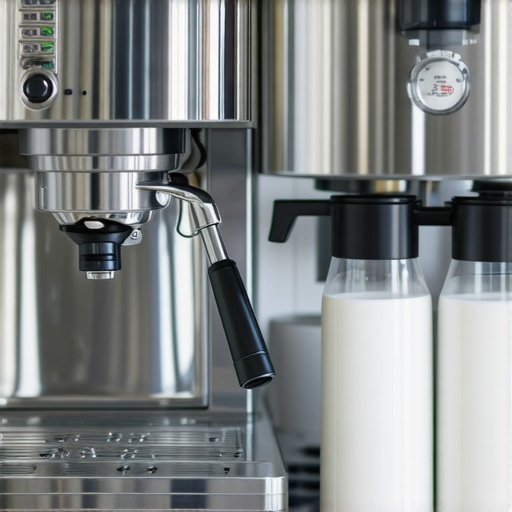
Imagine a well-maintained setup with clean, calibrated equipment. A clear, organized espresso station makes daily brewing more enjoyable and reliable.
Use Quality Cleaning and Calibrating Supplies
Keep your tools in top shape with high-quality cleaning products. Regularly replace your grinder’s burrs when you notice significant dullness; signs include uneven grind size or increased static. Using freshly calibrated scales and precise calibration weights—every six months—ensures measurements stay accurate, preventing over or under-dosing. Tools like the digital calibration weights provide critical accuracy. Proper cleaning extends equipment life, preserves flavor integrity, and maintains consistency—crucial benefits for those serious about their coffee.
Optimize Your Workflow for Long-Term Gains
Thinking ahead, consider modular setups that allow easy maintenance and scalability. For example, installing a dedicated circuit for your espresso station reduces electrical fluctuation, protecting sensitive electronics. Upgrading hoses and fittings to corrosion-resistant materials minimizes leaks and contamination over years of use. As trends shift toward smart home integrations, newer models of espresso machines like the latest smart machines can alert you when cleaning or descaling is due, simplifying upkeep. Regular check-ins on your gear’s condition ensure consistent quality and help identify issues before they escalate.
How do I maintain my equipment over time to stay at peak performance?
Establishing a maintenance routine tailored to each component—beyond basic cleaning—will prolong lifespan and enhance your brewing consistency. For instance, schedule deep cleanings of your steam wand monthly, following a step-by-step guide from our home espresso tips. Also, keep a journal of maintenance tasks and notes on machine performance; tracking this can reveal patterns and help plan proactive upkeep. Incorporate these habits into your weekly routine, and you’ll find that your gear responds faster, lasts longer, and yields better results.
3 Lessons That Transformed How I Approach Coffee Equipment
One of the hardest lessons I learned was that most equipment issues are simpler than they seem—many are caused by static or minor calibration hiccups rather than outright failure. Recognizing the importance of routine maintenance and firmware updates saved me from costly replacements and endless troubleshooting. It taught me that patience and a curious mindset often lead to breakthroughs, rather than immediately throwing in the towel or upgrading gear without understanding its quirks.
Another insight was understanding that even high-end gear requires consistent calibration and cleaning to perform at its best. Skipping these steps led to inconsistent shots and sluggish response times—reminding me that great coffee is as much about maintenance as it is about the machine itself. Developing a regular upkeep ritual became a game-changer, making each brew more predictable and delightful.
Finally, I realized that setting up my workspace thoughtfully—placing my gear on stable surfaces, minimizing static, and managing external interference—made a profound difference. This environment allowed my gear to operate optimally, reducing lag and ensuring accurate measurements, which in turn elevated my brewing confidence and enjoyment.
My Go-To Tools and Resources That Keep My Coffee Game Strong
For ongoing learning and gear selection, I turn to the comprehensive guides on choosing the best barista gear. They help me make informed decisions, ensuring I invest in tools that truly improve my experience.
When it’s time to fine-tune my setup, I rely on high-quality calibration weights and cleaning supplies from trusted brands. The best coffee grinders guide has been invaluable for understanding the nuances of grinder selection and maintenance, leading to more consistent grinds and better shots.
Additionally, I follow expert blogs like James Hoffmann’s site, which offers deep dives into equipment performance and troubleshooting tips. These resources keep me motivated and well-informed, bridging the gap between hobbyist and seasoned barista.
Take Your Coffee Passion to the Next Level
Every step you take to understand and optimize your gear brings you closer to coffee mastery. Remember, patience, routine maintenance, and a thoughtfully organized workspace are your best allies. With consistent effort, you’ll notice your equipment responding faster, your shots tasting better, and your confidence soaring. Don’t be afraid to experiment, ask questions, and share your journey—your perfect brew is just a few tweaks away. What’s the first upgrade or routine change you plan to make on your espresso setup? Share below and let’s grow together.”}#}# Answer: 0}#/} ]}**}#}#**}#}#**}#}#**}#}#**}#}#**}#}#**}#}#**}#}#**}#}#**}#}#**}#}#**}#}#**}#}#**}#}#**}#}#**}#}#**}#}#**}#}#**}#}#**}#}#**}#}#**}#}#**}#}#**}#}#**}#}#**}#}#**}#}#**}#}#**}#}#**}#}#**}#}#**}#}#**}#}#**}#}#**}#}#**}#}#**}#}#**}#}#**}#}#**}#}#**}#}#**}#}#**}#}#**}#}#**}#}#**}#}#**}#}#**}#}#**}#}#**}#}#**}#}#**}#}#**}#}#**}#}#**}#}#**}#}#**}#}#**}#}#**}#}#**}#}#**}#}#**}#}#**}#}#**}#}#**}#}#**}#}#**}#}#**}#}#**}#}#**}#}#**}#}#**}#}#**}#}#**}#}#**}#}#**}#}#**}#}#**}#}#**}#}#**}#}#**}#}#**}#}#**}#}#**}#}#**}#}#**}#}#**}#}#**}#}#**}#}#**}#}#**}#}#**}#}#**}#}#**}#}#**}#}#**}#}#**}#}#**}#}#**}#}#**}#}#**}#}#**}#}#**}#}#**}#}#**}#}#**}#}#**}#}#**}#}#**}#}#**}#}#**}#}#**}#}#**}#}#**}#}#**}#}#**}#}#**}#}#**}#}#**}#}#**}#}#**}#}#**}#}#**}#}#**}#}#**}#}#**}#}#**}#}#**}#}#**}#}#**}#}#**}#}#**}#}#**}#}#**}#}#**}#}#**}#}#**}#}#**}#}#**}#}#**}#}#**}#}#**}#}#**}#}#**}#}#**}#}#**}#}#**}#}#**}#}#**}#}#**}#}#**}#}#**}#}#**}#}#**}#}#**}#}#**}#}#**}#}#**}#}#**}#}#**}#}#**}#}#**}#}#**}#}#**}#}#**}#}#**}#}#**}#}#**}#}#**}#}#**}#}#**}#}#**}#}#**}#}#**}#}#**}#}#**}#}#**}#}#**}#}#**}#}#**}#}#**}#}#**}#}#**}#}#**}#}#**}#}#**}#}#**}#}#**}#}#**}#}#**}#}#**}#}#**}#}#**}#}#**}#}#**}#}#**}#}#**}#}#**}#}#**}#}#**}#}#**}#}#**}#}#**}#}#**}#}#**}#}#**}#}#**}#}#**}#}#**}#}#**}#}#**}#}#**}#}#**}#}#**}#}#**}#}#**}#}#**}#}#**}#}#**}#}#**}#}#**}#}#**}#}#**}#}#**}#}#**}#}#**}#}#**}#}#**}#}#**}#}#**}#}#**}#}#**}#}#**}#}#**}#}#**}#}#**}#}#**}#}#**}#}#**}#}#**}#}#**}#}#**}#}#**}#}#**}#}#**}#}#**}#}#**}#}#**}#}#**}#}#**}#}#**}#}#**}#}#**}#}#**}#}#**}#}#**}#}#**}#}#**}#}#**}#}#**}#}#**}#}#**}#}#**}#}#**}#}#**}#}#**}#}#**}#}#**}#}#**}#}#**}#}#**}#}#**}#}#**}#}#**}#}#**}#}#**}#}#**}#}#**}#}#**}#}#**}#}#**}#}#**}#}#**}#}#**}#}#**}#}#**}#}#**}#}#**}#}#**}#}#**}#}#**}#}#**}#}#**}#}#**}#}#**}#}#**}#}#**}#}#**}#}#**}#}#**}#}#**}#}#**}#}#**}#}#**}#}#**}#}#**}#}#**}#}#**}#}#**}#}#**}#}#**}#}#**}#}#**}#}#**}#}#**}#}#**}#}#**}#}#**}#}#**}#}#**}#}#**}#}#**}#}#**}#}#**}#}#**}#}#**}#}#**}#}#**}#}#**}#}#**}#}#**}#}#**}#}#**}#}#**}#}#**}#}#**}#}#**}#}#**}#}#**}#}#**}#}#**}#}#**}#}#**}#}#**}#}#**}#}#**}#}#**}#}#**}#}#**}#}#**}#}#**}#}#**}#}#**}#}#**}#}#**}#}#**}#}#**}#}#**}#}#**}#}#**}#}#**}#}#**}#}#**}#}#**}#}#**}#}#**}#}#**}#}#**}#}#**}#}#**}#}#**}#}#**}#}#**}#}#**}#}#**}#}#**}#}#**}#}#**}#}#**}#}#**}#}#**}#}#**}#}#**}#}#**}#}#**}#}#**}#}#**}#}#**}#}#**}#}#**}#}#**}#}#**}#}#**}#}#**}#}#**}#}#**}#}#**}#}#**}#}#**}#}#**}#}#**}#}#**}#}#**}#}#**}#}#**}#}#**}#}#**}#}#**}#}#**}#}#**}#}#**}#}#**}#}#**}#}#**}#}#**}#}#**}#}#**}#}#**}#}#**}#}#**}#}#**}#}#**}#}#**}#}#**}#}#**}#}#**}#}#**}#}#**}#}#**}#}#**}#}#**}#}#**}#}#**}#}#**}#}#**}#}#**}#}#**}#}#**}#}#**}#}#**}#}#**}#}#**}#}#**}#}#**}#}#**}#}#**}#}#**}#}#**}#}#**}#}#**}#}#**}#}#**}#}#**}#}#**}#}#**}#}#**}#}#**}#}#**}#}#**}#}#**}#}#**}#}#**}#}#**}#}#**}#}#**}#}#**}#}#**}#}#**}#}#**}#}#**}#}#**}#}#**}#}#**}#}#**}#}#**}#}#**}#}#**}#}#**}#}#**}#}#**}#}#**}#}#**}#}#**}#}#**}#}#**}#}#**}#}#**}#}#**}#}#**}#}#**}#}#**}#}#**}#}#**}#}#**}#}#**}#}#**}#}#**}#}#**}#}#**}#}#**}#}#**}#}#**}#}#**}#}#**}#}#**}#}#**}#}#**}#}#**}#}#**}#}#**}#}#**}#}#**}#}#**}#}#**}#}#**}#}#**}#}#**}#}#**}#}#**}#}#**}#}#**}#}#**}#}#**}#}#**}#}#**}#}#**}#}#**}#}#**}#}#**}#}#**}#}#**}#}#**}#}#**}#}#**}#}#**}#}#**}#}#**}#}#**}#}#**}#}#**}#}#**}#}#**}#}#**}#}#**}#}#**}#}#**}#}#**}#}#**}#}#**}#}#**}#}#**}#}#**}#}#**}#}#**}#}#**}#}#**}#}#**}#}#**}#}#**}#}#**}#}#**}#}#**}#}#**}#}#**}#}#**}#}#**}#}#**}#}#**}#}#**}#}#**}#}#**}#}#**}#}#**}#}#**}#}#**}#}#**}#}#**}#}#**}#}#**}#}#**}#}#**}#}#**}#}#**}#}#**}#}#**}#}#**}#}#**}#}#**}#}#**}#}#**}#}#**}#}#**}#}#**}#}#**}#}#**}#}#**}#}#**}#}#**}#}#**}#}#**}#}#**}#}#**}#}#**}#}#**}#}#**}#}#**}#}#**}#}#**}#}#**}#}#**}#}#**}#}#**}#}#**}#}#**}#}#**}#}#**}#}#**}#}#**}#}#**}#}#**}#}#**}#}#**}#}#**}#}#**}#}#**}#}#**}#}#**}#}#**}#}#**}#}#**}#}#**}#}#**}#}#**}#}#**}#}#**}#}#**}#}#**}#}#**}#}#**}#}#**}#}#**}#}#**}#}#**}#}#**}#}#**}#}#**}#}#**}#}#**}#}#**}#}#**}#}#**}#}#**}#}#**}#}#**}#}#**}#}#**}#}#**}#}#**}#}#**}#}#**}#}#**}#}#**}#}#**}#}#**}#}#**}#}#**}#}#**}#}#**}#}#**}#}#**}#}#**}#}#**}#}#**}#}#**}#}#**}#}#**}#}#**}#}#**}#}#**}#}#**}#}#**}#}#**}#}#**}#}#**}#}#**}#}#**}#}#**}#}#**}#}#**}#}#**}#}#**}#}#**}#}#**}#}#**}#}#**}#}#**}#}#**}#}#**}#}#**}#}#**}#}#**}#}#**}#}#**}#}#**}#}#**}#}#**}#}#**}#}#**}#}#**}#}#**}#}#**}#}#**}#}#**}#}#**}#}#**}#}#**}#}#**}#}#**}#}#**}#}#**}#}#**}#}#**}#}#**}#}#**}#}#**}#}#**}#}#**}#}#**}#}#**}#}#**}#}#**}#}#**}#}#**}#}#**}#}#**}#}#**}#}#**}#}#**}#}#**}#}#**}#}#**}#}#**}#}#**}#}#**}#}#**}#}#**}#}#**}#}#**}#}#**}#}#**}#}#**}#}#**}#}#**}#}#**}#}#**}#}#**}#}#**}#}#**}#}#**}#}#**}#}#**}#}#**}#}#**}#}#**}#}#**}#}#**}#}#**}#}#**}#}#**}#}#**}#}#**}#}#**}#}#**}#}#**}#}#**}#}#**}#}#**}#}#**}#}#**}#}#**}#}#**}#}#**}#}#**}#}#**}#}#**}#}#**}#}#**}#}#**}#}#**}#}#**}#}#**}#}#**}#}#**}#}#**}#}#**}#}#**}#}#**}#}#**}#}#**}#}#**}#}#**}#}#**}#}#**}#}#**}#}#**}#}#**}#}#**}#}#**}#}#**}#}#**}#}#**}#}#**}#}#**}#}#**}#}#**}#}#**}#}#**}#}#**}#}#**}#}#**}#}#**}#}#**}#}#**}#}#**}#}#**}#}#**}#}#**}#}#**}#}#**}#}#**}#}#**}#}#**}#}#**}#}#**}#}#**}#}#**}#}#**}#}#**}#}#**}#}#**}#}#**}#}#**}#}#**}#}#**}#}#**}#}#**}#}#**}#}#**}#}#**}#}#**}#}#**}#}#**}#}#**}#}#**}#}#**}#}#**}#}#**}#}#**}#}#**}#}#**}#}#**}#}#**}#}#**}#}#**}#}#**}#}#**}#}#**}#}#**}#}#**}#}#**}#}#**}#}#**}#}#**}#}#**}#}#**}#}#**}#}#**}#}#**}#}#**}#}#**}#}#**}#}#**}#}#**}#}#**}#}#**}#}#**}#}#**}#}#**}#}#**}#}#**}#}#**}#}#**}#}#**}#}#**}#}#**}#}#**}#}#**}#}#**}#}#**}#}#**}#}#**}#}#**}#}#**}#}#**}#}#**}#}#**}#}#**}#}#**}#}#**}#}#**}#}#**}#}#**}#}#**}#}#**}#}#**}#}#**}#}#**}#}#**}#}#**}#}#**}#}#**}#}#**}#}#**}#}#**}#}#**}#}#**}#}#**}#}#**}#}#**}#}#**}#}#**}#}#**}#}#**}#}#**}#}#**}#}#**}#}#**}#}#**}#}#**}#}#**}#}#**}#}#**}#}#**}#}#**}#}#**}#}#**}#}#**}#}#**}#}#**}#}#**}#}#**}#}#**}#}#**}#}#**}#}#**}#}#**}#}#**}#}#**}#}#**}#}#**}#}#**}#}#**}#}#**}#}#**}#}#**}#}#**}#}#**}#}#**}#}#**}#}#**}#}#**}#}#**}#}#**}#}#**}#}#**}#}#**}#}#**}#}#**}#}#**}#}#**}#}#**}#}#**}#}#**}#}#**}#}#**}#}#**}#}#**}#}#**}#}#**}#}#**}#}#**}#}#**}#}#**}#}#**}#}#**}#}#**}#}#**}#}#**}#}#**}#}#**}#}#**}#}#**}#}#**}#}#**}#}#**}#}#**}#}#**}#}#**}#}#**}#}#**}#}#**}#}#**}#}#**}#}#**}#}#**}#}#**}#}#**}#}#**}#}#**}#}#**}#}#**}#}#**}#}#**}#}#**}#}#**}#}#**}#}#**}#}#**}#}#**}#}#**}#}#**}#}#**}#}#**}#}#**}#}#**}#}#**}#}#**}#}#**}#}#**}#}#**}#}#**}#}#**}#}#**}#}#**}#}#**}#}#**}#}#**}#}#**}#}#**}#}#**}#}#**}#}#**}#}#**}#}#**}#}#**}#}#**}#}#**}#}#**}#}#**}#}#**}#}#**}#}#**}#}#**}#}#**}#}#**}#}#**}#}#**}#}#**}#}#**}#}#**}#}#**}#}#**}#}#**}#}#**}#}#**}#}#**}#}#**}#}#**}#}#**}#}#**}#}#**}#}#**}#}#**}#}#**}#}#**}#}#**}#}#**}#}#**}#}#**}#}#**}#}#**}#}#**}#}#**}#}#**}#}#**}#}#**}#}#**}#}#**}#}#**}#}#**}#}#**}#}#**}#}#**}#}#**}#}#**}#}#**}#}#**}#}#**}#}#**}#}#**}#}#**}#}#**}#}#**}#}#**}#}#**}#}#**}#}#**}#}#**}#}#**}#}#**}#}#**}#}#**}#}#**}#}#**}#}#**}#}#**}#}#**}#}#**}#}#**}#}#**}#}#**}#}#**}#}#**}#}#**}#}#**}#}#**}#}#**}#}#**}#}#**}#}#**}#}#**}#}#**}#}#**}#}#**}#}#**}#}#**}#}#**}#}#**}#}#**}#}#**}#}#**}#}#**}#}#**}#}#**}#}#**}#}#**}#}#**}#}#**}#}#**}#}#**}#}#**}#}#**}#}#**}#}#**}#}#**}#}#**}#}#**}#}#**}#}#**}#}#**}#}#**}#}#**}#}#**}#}#**}#}#**}#}#**}#}#**}#}#**}#}#**}#}#**}#}#**}#}#**}#}#**}#}#**}#}#**}#}#**}#}#**}#}#**}#}#**}#}#**}#}#**}#}#**}#}#**}#}#**}#}#**}#}#**}#}#**}#}#**}#}#**}#}#**}#}#**}#}#**}#}#**}#}#**}#}#**}#}#**}#}#**}#}#**}#}#**}#}#**}#}#**}#}#**}#}#**}#}#**}#}#**}#}#**}#}#**}#}#**}#}#**}#}#**}#}#**}#}#**}#}#**}#}#**}#}#**}#}#**}#}#**}#}#**}#}#**}#}#**}#}#**}#}#**}#}#**}#}#**}#}#**}#}#**}#}#**}#}#**}#}#**}#}#**}#}#**}#}#**}#}#**}#}#**}#}#**}#}#**}#}#**}#}#**}#}#**}#}#**}#}#**}#}#**}#}#**}#}#**}#}#**}#}#**}#}#**}#}#**}#}#**}#}#**}#}#**}#}#**}#}#**}#}#**}#}#**}#}#**}#}#**}#}#**}#}#**}#}#**}#}#**}#}#**}#}#**}#}#**}#}#**}#}#**}#}#**}#}#**}#}#**}#}#**}#}#**}#}#**}#}#**}#}#**}#}#**}#}#**}#}#**}#}#**}#}#**}#}#**}#}#**}#}#**}#}#**}#}#**}#}#**}#}#**}#}#**}#}#**}#}#**}#}#**}#}#**}#}#**}#}#**}#}#**}#}#**}#}#**}#}#**}#}#**}#}#**}#}#**}#}#**}#}#**}#}#**}#}#**}#}#**}#}#**}#}#**}#}#**}#}#**}#}#**}#}#**}#}#**}#}#**}#}#**}#}#**}#}#**}#}#**}#}#**}#}#**}#}#**}#}#**}#}#**}#}#**}#}#**}#}#**}#}#**}#}#**}#}#**}#}#**}#}#**}#}#**}#}#**}#}#**}#}#**}#}#**}#}#**}#}#**}#}#**}#}#**}#}#**}#}#**}#}#**}#}#**}#}#**}#}#**}#}#**}#}#**}#}#**}#}#**}#}#**}#}#**}#}#**}#}#**}#}#**}#}#**}#}#**}#}#**}#}#**}#}#**}#}#**}#}#**}#}#**}#}#**}#}#**}#}#**}#}#**}#}#**}#}#**}#}#**}#}#**}#}#**}#}#**}#}#**}#}#**}#}#**}#}#**}#}#**}#}#**}#}#**}#}#**}#}#**}#}#**}#}#**}#}#**}#}#**}#}#**}#}#**}#}#**}#}#**}#}#**}#}#**}#}#**}#}#**}#}#**}#}#**}#}#**}#}#**}#}#**}#}#**}#}#**}#}#**}#}#**}#}#**}#}#**}#}#**}#}#**}#}#**}#}#**}#}#**}#}#**}#}#**}#}#**}#}#**}#}#**}#}#**}#}#**}#}#**}#}#**}#}#**}#}#**}#}#**}#}#**}#}#**}#}#**}#}#**}#}#**}#}#**}#}#**}#}#**}#}#**}#}#**}#}#**}#}#**}#}#**}#}#**}#}#**}#}#**}#}#**}#}#**}#}#**}#}#**}#}#**}#}#**}#}#**}#}#**}#}#**}#}#**}#}#**}#}#**}#}#**}#}#**}#}#**}#}#**}#}#**}#}#**}#}#**}#}#**}#}#**}#}#**}#}#**}#}#**}#}#**}#}#**}#}#**}#}#**}#}#**}#}#**}#}#**}#}#**}#}#**}#}#**}#}#**}#}#**}#}#**}#}#**}#}#**}#}#**}#}#**}#}#**}#}#**}#}#**}#}#**}#}#**}#}#**}#}#**}#}#**}#}#**}#}#**}#}#**}#}#**}#}#**}#}#**}#}#**}#}#**}#}#**}#}#**}#}#**}#}#**}#}#**}#}#**}#}#**}#}#**}#}#**}#}#**}#}#**}#}#**}#}#**}#}#**}#}#**}#}#**}#}#**}#}#**}#}#**}#}#**}#}#**}#}#**}#}#**}#}#**}#}#**}#}#**}#}#**}#}#**}#}#**}#}#**}#}#**}#}#**}#}#**}#}#**}#}#**}#}#**}#}#**}#}#**}#}#**}#}#**}#}#**}#}#**}#}#**}#}#**}#}#**}#}#**}#}#**}#}#**}#}#**}#}#**}#}#**}#}#**}#}#**}#}#**}#}#**}#}#**}#}#**}#}#**}#}#**}#}#**}#}#**}#}#**}#}#**}#}#**}#}#**}#}#**}#}#**}#}#**}#}#**}#}#**}#}#**}#}#**}#}#**}#}#**}#}#**}#}#**}#}#**}#}#**}#}#**}#}#**}#}#**}#}#**}#}#**}#}#**}#}#**}#}#**}#}#**}#}#**}#}#**}#}#**}#}#**}#}#**}#}#**}#}#**}#}#**}#}#**}#}#**}#}#**}#}#**}#}#**}#}#**}#}#**}#}#**}#}#**}#}#**}#}#**}#}#**}#}#**}#}#**}#}#**}#}#**}#}#**}#}#**}#}#**}#}#**}#}#**}#}#**}#}#**}#}#**}#}#**}#}#**}#}#**}#}#**}#}#**}#}#**}#}#**}#}#**}#}#**}#}#**}#}#**}#}#**}#}#**}#}#**}#}#**}#}#**}#}#**}#}#**}#}#**}#}#**}#}#**}#}#**}#}#**}#}#**}#}#**}#}#**}#}#**}#}#**}#}#**}#}#**}#}#**}#}#**}#}#**}#}#**}#}#**}#}#**}#}#**}#}#**}#}#**}#}#**}#}#**}#}#**}#}#**}#}#**}#}#**}#}#**}#}#**}#}#**}#}#**}#}#**}#}#**}#}#**}#}#**}#}#**}#}#**}#}#**}#}#**}#}#**}#}#**}#}#**}#}#**}#}#**}#}#**}#}#**}#}#**}#}#**}#}#**}#}#**}#}#**}#}#**}#}#**}#}#**}#}#**}#}#**}#}#**}#}#**}#}#**}#}#**}#}#**}#}#**}#}#**}#}#**}#}#**}#}#**}#}#**}#}#**}#}#**}#}#**}#}#**}#}#**}#}#**}#}#**}#}#**}#}#**}#}#**}#}#**}#}#**}#}#**}#}#**}#}#**}#}#**}#}#**}#}#**}#}#**}#}#**}#}#**}#}#**}#}#**}#}#**}#}#**}#}#**}#}#**}#}#**}#}#**}#}#**}#}#**}#}#**}#}#**}#}#**}#}#**}#}#**}#}#**}#}#**}#}#**}#}#**}#}#**}#}#**}#}#**}#}#**}#}#**}#}#**}#}#**}#}#**}#}#**}#}#**}#}#**}#}#**}#}#**}#}#**}#}#**}#}#**}#}#**}#}#**}#}#**}#}#**}#}#**}#}#**}#}#**}#}#**}#}#**}#}#**}#}#**}#}#**}#}#**}#}#**}#}#**}#}#**}#}#**}#}#**}#}#**}#}#**}#}#**}#}#**}#}#**}#}#**}#}#**}#}#**}#}#**}#}#**}#}#**}#}#**}#}#**}#}#**}#}#**}#}#**}#}#**}#}#**}#}#**}#}#**}#}#**}#}#**}#}#**}#}#**}#}#**}#}#**}#}#**}#}#**}#}#**}#}#**}#}#**}#}#**}#}#**}#}#**}#}#**}#}#**}#}#**}#}#**}#}#**}#}#**}#}#**}#}#**}#}#**}#}#**}#}#**}#}#**}#}#**}#}#**}#}#**}#}#**}#}#**}#}#**}#}#**}#}#**}#}#**}#}#**}#}#**}#}#**}#}#**}#}#**}#}#**}#}#**}#}#**}#}#**}#}#**}#}#**}#}#**}#}#**}#}#**}#}#**}#}#**}#}#**}#}#**}#}#**}#}#**}#}#**}#}#**}#}#**}#}#**}#}#**}#}#**}#}#**}#}#**}#}#**}#}#**}#}#**}#}#**}#}#**}#}#**}#}#**}#}#**}#}#**}#}#**}#}#**}#}#**}#}#**}#}#**}#}#**}#}#**}#}#**}#}#**}#}#**}#}#**}#}#**}#}#**}#}#**}#}#**}#}#**}#}#**}#}#**}#}#**}#}#**}#}#**}#}#**}#}#**}#}#**}#}#**}#}#**}#}#**}#}#**}#}#**}#}#**}#}#**}#}#**}#}#**}#}#**}#}#**}#}#**}#}#**}#}#**}#}#**}#}#**}#}#**}#}#**}#}#**}#}#**}#}#**}#}#**}#}#**}#}#**}#}#**}#}#**}#}#**}#}#**}#}#**}#}#**}#}#**}#}#**}#}#**}#}#**}#}#**}#}#**}#}#**}#}#**}#}#**}#}#**}#}#**}#}#**}