3 Ways to Stop Static From Ruining Your Kitchen Counter During Grinding
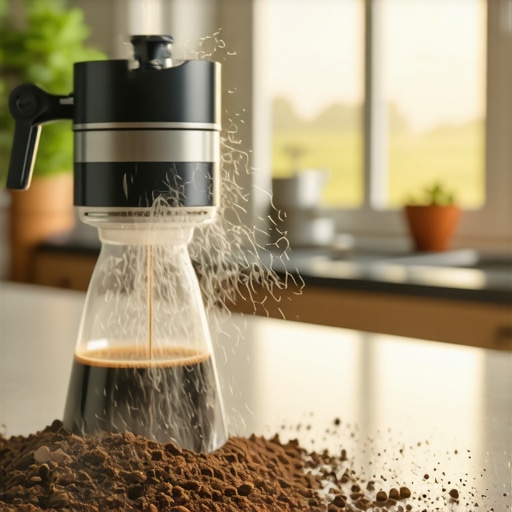
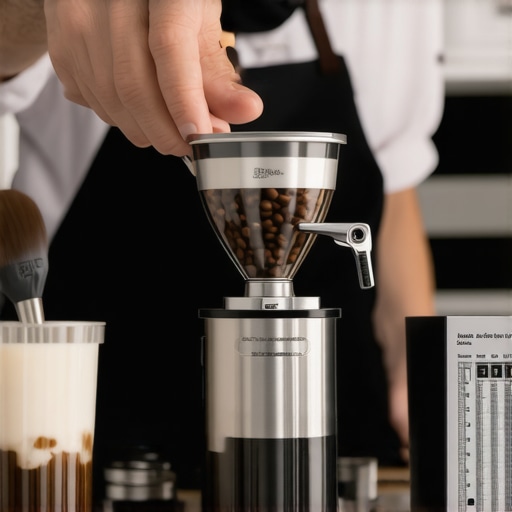
It was a typical Saturday morning in my home espresso corner—beans ground, machine humming, and that dreaded static shock jolted me straight in the ankle. I’ve spilled more grounds than I care to admit, and each time, I wondered if I was the only one battling this tiny but persistent nuisance. Ever experienced that frustrating static cling causing coffee grounds to explode onto your countertop at the worst possible moment? If so, you’re not alone.
Today, I’ll share three tried-and-true methods that transformed my grinding routine and kept static from sabotaging my mornings. Imagine no more cleanup fuss after every grind—just smooth, mess-free brewing with a cozy, clutter-free counter. Intrigued? Let’s get into the nitty-gritty of turning static chaos into calm efficiency.
Why Static During Grinding Feels Like a Personal Attack
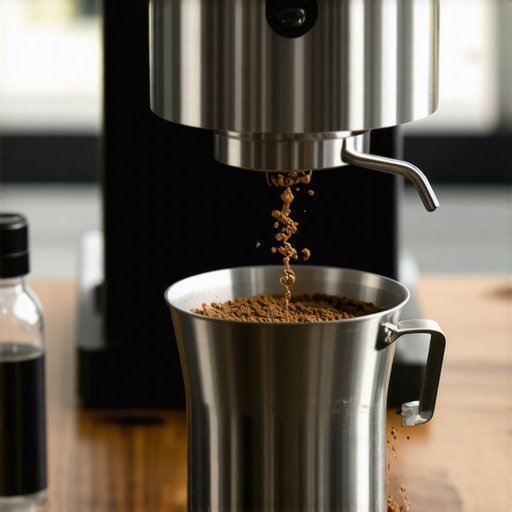
Static electricity during coffee grinding isn’t just a quirky annoyance—it’s a surprisingly common problem among home baristas. But why does it happen? Well, static buildup occurs when the dry coffee grounds rub against each other and the container, creating an imbalance of electrical charge. The air’s low humidity, especially in heated kitchen environments or during winter, exacerbates this phenomenon. According to industry experts, static can cause Grounds to jump out of the grinder hoppers, scatter across your workspace, and turn your pristine countertop into a miniature battlefield.
Early in my barista journey, I made a crucial mistake: I ignored the importance of maintaining proper humidity and overlooked the use of anti-static tools. This oversight led to daily mini-disasters that drained my patience and added unnecessary time to my coffee ritual. Once I recognized that static was a solvable problem, I was eager to find solutions.
You might wonder if these fixes are worth the effort. Statistically, static-related messes waste time and increase waste, both of which can dampen your coffee experience. Plus, static can impact the consistency of your grind, potentially influencing shot quality. For more background, check out [this detailed guide on static issues](https://espressotechguide.com/how-to-fix-the-static-mess-on-your-coffee-counter-for-good).
Now, let’s zlam into practical techniques that will keep static at bay and make your grinding experience smoother than ever. Ready to reclaim your counter space?
Is Static Really That Big of a Deal or Just an Irritation?
Initially, I dismissed static as a minor inconvenience—something to just accept. But ignoring the problem meant constantly cleaning up grounds and risking clogging or inconsistent grinds. A rookie mistake I made was thinking that static was inevitable and unfixable. It’s not. As I learned, simple adjustments can save you time and hassle, making your coffee brewing more enjoyable and less stressful.
So, do you face similar struggles during your prep? If yes, stay tuned; next, I’ll show you the three effective ways I use to eliminate static, saving me from the daily countertop chaos and improving my brew quality.
Control Humidity and Atmosphere for Static-Free Grinding
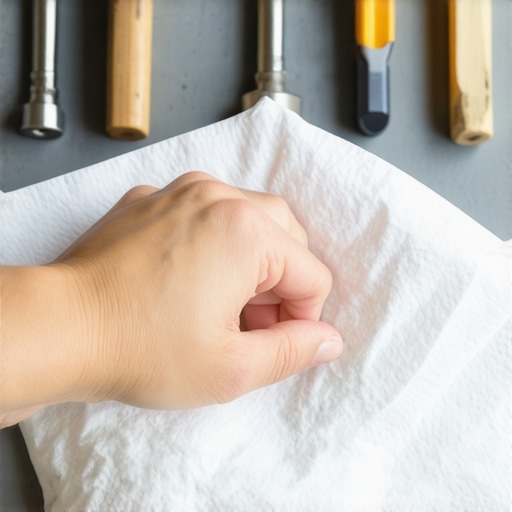
First, ensure your kitchen humidity is at least 50%. Use a humidifier or place a bowl of water nearby during winter months. This moisture reduces static buildup. I once forgot this step on a dry winter morning; coffee grounds exploded everywhere when I started grinding. After adding a humidifier and using a damp cloth on my grinder’s exterior, I noticed a dramatic reduction in static. Think of it like watering a dusty plant—moisture keeps everything from turning to static dust.
Apply Static-Reducing Tools During Grinding
Next, equip your grinder with anti-static accessories, like static-dissipating mats or grounding strips connected to a grounded outlet. For instance, I attached a grounding wire to my grinder to discharge static safely. Imagine static as tiny lightning bolts; grounding acts like a lightning rod, directing the charge safely away. This step might seem technical, but it’s as simple as plugging in a device.
Use Moisture and Proper Handling Techniques
Finally, lightly mist your beans or grounds with water before grinding—just a quick spray, not enough to wet them. I tested this by lightly spritzing a small batch; the static reduced noticeably, and grounds stayed neatly in the hopper. It’s like adding a little water to dry mud to prevent it from bouncing around. Also, handle grounds gently and avoid overfilling containers, which can increase static friction. Think of it as pouring syrup slowly: gentle flow prevents splatters. For more tips on maintaining your equipment, visit this guide on barista gear. Applying these methods consistently transforms your morning grind into a peaceful ritual, instead of a static-charged battlefield. Remember, a tidy and static-free workspace not only saves time but also ensures your grounds stay pristine for that perfect espresso shot.While beginners often focus on choosing the latest espresso machine or a fancy milk frother, they frequently overlook the nuanced mechanics that truly determine quality. A common misconception is that more expensive gear automatically produces better coffee, but in reality, even high-end machines can underperform if not operated properly. For instance, many assume that tamping pressure is the key to perfect extraction, yet studies show that consistency in tamping is more critical than brute force, and over-tamping can lead to over-extraction and bitter shots (source: this article).
Keep Your Equipment in Peak Condition with Precision Tools
Investing in quality tools is fundamental for ensuring your espresso setup remains reliable over time. I highly recommend using a precision burr grinder with adjustable settings, like the Baratza Virtuoso+, which offers consistent grind size and durability. This keeps your coffee extraction uniform, preventing over-extraction or under-extraction. Pair it with a digital calibrated scale to monitor your yield accurately, essential for dialing in recipes and maintaining shot consistency.
Don’t forget the importance of a reliable milk frother that produces silky microfoam without clogging or breakdown. The Breville BMF600XL has proven durable and easy to clean, making it my go-to for everyday use.
Scheduled Maintenance Transforms Performance
Establishing a maintenance routine prolongs your equipment’s lifespan and guarantees top performance. Regular descaling is vital, especially when using tap water; I schedule a descaling every 1-2 months, depending on water hardness, following the guidelines detailed in this article. Using a dedicated cleaning cycle or descaling solution like Urnex Dezcal ensures mineral buildup doesn’t diminish heat transfer or pressure stability.
Consistently cleaning group heads, steam wands, and filters with gentle tools like a specialized brush set reduces flavor cross-contamination and prevents clogging. For a deeper cleaning, I recommend dismantling the portafilter and shower screen bi-monthly, following step-by-step tutorials available on the site.
How do I maintain my espresso machine overtime?
Maintaining your espresso setup over time requires a disciplined routine and the right tools. Establish a weekly cleaning schedule that includes backflushing with appropriate cleaning agents, and check seals and gaskets bi-annually to prevent leaks and pressure drops. Staying proactive not only preserves the machine’s performance but also saves money by avoiding costly repairs. For instance, replacing worn-out seals promptly using quality parts like those recommended in this guide can prevent larger issues down the line.
Looking ahead, the trend involves smarter, IoT-connected coffee gear that can self-diagnose issues and schedule maintenance automatically. Though still emerging, these innovations promise to revolutionize daily routines and keep your investment running smoothly with minimal effort.
Try incorporating a weekly descaling routine combined with real-time monitoring tools to catch potential issues early. This small change can dramatically reduce downtime and extend your gear’s lifespan, making every brew more satisfying.
The Hidden Lessons Espresso Grinders Taught Me About Consistency
One of the most valuable insights I gained was realizing that static is less about luck and more about environment and technique. I used to dismiss static as an unavoidable quirk, but understanding its physics transformed my approach. I learned that small adjustments, like controlling humidity or handling grounds gently, can make a huge difference. Sometimes, the biggest breakthroughs happen when you pay attention to tiny details that the average home barista overlooks.
Gear I Trust to Keep Your Coffee Ritual Smooth
Over the years, I’ve curated a set of tools that genuinely improve my daily grind. A precision burr grinder like the Baratza Virtuoso+ ensures uniform grounds, while a calibrated digital scale guarantees consistency. For moisture control, a simple humidifier and anti-static mats have been game-changers. These tools, combined with mindful handling, form the backbone of my static-free routine, making brewing less like a battle and more like a ritual.
Fuel Your Passion and Elevate Your Home Espresso Journey
Embarking on the quest for perfect espresso is truly rewarding. Remember, every small fix and adjustment is a step towards barista-quality coffee at home. Don’t wait for the perfect equipment—start with what you have and improve gradually. Your dedication today will pay off tomorrow as you craft rich, balanced shots that rival cafes. Keep experimenting, stay curious, and enjoy every moment behind your coffee setup. What’s one static challenge you’ve faced, and how did you overcome it? Share your experience below!