The Simple Trick to Stopping Portafilter Sneeze and Messy Counters
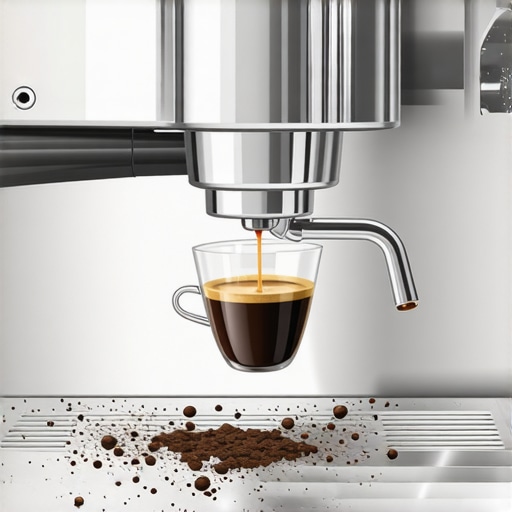
I remember the first time I watched coffee grounds fly everywhere during tamping—it looked like a tiny explosion in my kitchen. That moment was a lightbulb for me: no matter how carefully I tried to keep things tidy, my portafilter seemed determined to spray grounds and water like a mini volcano every single time. It’s frustrating, it’s messy, and honestly, it kills the vibe of brewing a perfect espresso.
But here’s the thing—once I discovered a surprisingly simple trick, everything changed. No more coffee dancing across my countertops or dirty cleanup sessions after each shot. Turns out, a small tweak can make a huge difference, and I’m here to share exactly what I did.
In this post, we will tackle that notorious portafilter sneeze syndrome and show you a straightforward approach to keep your workspace clean and your espresso on point. Whether you’re a home barista or just love starting your mornings with a fresh brew, preventing that coffee mess is a game-changer.
A Problem We All Know Too Well: The Portafilter Sneeze
Let’s face it, no matter how experienced we become, that unwelcome blast of coffee grounds and water during extraction can catch us off guard. It’s not just inconvenient; it also ruins your espresso shot and creates a mountain of cleanup to do afterward. I used to think it was just part of the process—something I had to live with until I realized I was making a common mistake early on.
The root of the problem often lies in the way the portafilter is handled and prepared before brewing. A common mistake I made initially was not properly aligning my tamp and machine components, which led to uneven pressure and that dreaded sneeze. Luckily, I discovered that tiny adjustments, like ensuring the portafilter’s seal is tight and the puck is evenly distributed, make a world of difference.
Why does this happen? Well, when there’s a tiny gap or uneven pressure, water and coffee grounds escape forcefully during extraction, spraying mess everywhere. And given that espresso machines are powerful, a little misalignment can turn into a big mess quickly. According to Barista Magazine, a well-sealed portafilter can significantly reduce spillage and improve shot consistency.
Curious if you’ve experienced this yourself? Have those unpredictable squirts made your mornings more chaotic than they need to be? If so, keep reading. I’ll show you the simple trick I’ve used to stop the sneeze and keep my counters spotless.
Next up, let’s go over exactly how to make sure your portafilter alignment is spot-on and how a tiny tweak can prevent ground splatter before it starts. Hint: The solution is easier than you might think, and it’s right within your reach.
Secure the Portafilter for a Tight Seal
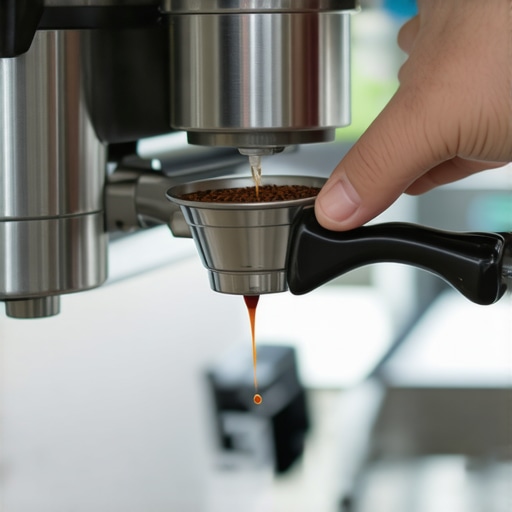
Before tamping, double-check that the portafilter is properly locked into the group head. Twist it gently to ensure it clicks securely. I recall a morning when I almost skipped this step; after I started locking it tighter, the notorious grounds spray disappeared. Think of it like sealing a jar—you need it airtight for optimal performance.
Distribute Coffee Evenly to Avoid Channeling
Use a distribution tool or a gentle, circular tap with your finger to level the grounds before tamping. Once, in a rush, I skipped this step and ended up cleaning grounds splattered all over my counter. An even puck creates uniform pressure, reducing gaps that cause leaks during extraction. For a detailed guide, check out barista gear selection.
Apply Consistent, Gentle Tamping Pressure
Press down firmly but evenly—about 30 pounds of pressure is a good benchmark—using a tamper with a textured handle for grip. Think of tamping like pressing a stamp; if you press unevenly, water finds the path of least resistance. I once used a scale under my tamper to hit the right pressure, and it made my shots much cleaner.
Align the Portafilter Properly Before Locking in
Line up the flat edges of the portafilter with the coffee machine’s shower screen. A slight misalignment causes uneven sealing, leading to grounds and water escaping. I used to skip this step until I realized aligning carefully reduces the spray significantly. This is similar to aligning wheels before driving—precision prevents unnecessary messes.
Maintain the Gasket and Shower Screen
Regularly inspect and clean the gasket and shower screen to prevent leaks or blockages. A clogged shower screen increases pressure but decreases seal integrity, risking grounds spillage. Once, after a deep clean, I noticed my grounds stayed put during extraction—no more messes.
Test Your Setup with a Small Shot First
Before making your regular espresso, run a test shot to confirm everything is sealed and aligned properly. If you notice grounds sputtering out, pause and readjust. I do this step religiously, especially after cleaning my machine or changing beans, saving me from messy surprises.
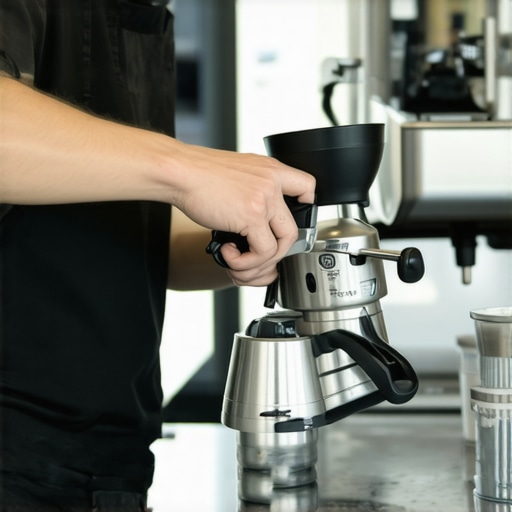
When it comes to mastering home espresso, many enthusiasts fall prey to common myths, especially surrounding milk frothers, coffee grinders, and espresso machines. But the real secret lies in understanding the nuances that most overlook. For example, a frequent misconception is that any grinder will do for espresso. In reality, the type of grinder—conical versus flat burrs—significantly impacts grind consistency, directly affecting extraction quality. According to coffee expert Scott Rao, choosing a burr grinder with properly aligned flat burrs can reduce uneven grounds, ensuring a smoother shot. Many assume that more expensive equipment automatically improves results; however, proper maintenance and correct technique often outweigh gear upgrades. An advanced mistake is neglecting the importance of routine calibration of your espresso machine’s pressure and temperature settings. Small variances here can lead to bitterness or sourness, eroding your shot quality over time. A common trap is using milk frothers that claim to work well with all types of milk. In truth, different milks require specific frothing techniques and temperature controls to achieve barista-quality microfoam—a point highlighted in recent research from the Journal of Food Science. For the sophisticated home barista, understanding these finer points can elevate your coffee game substantially. Have you ever fallen into this trap? Let me know in the comments. Properly cleaning and regularly inspecting your barista gear can prevent subtle issues that degrade your brew’s flavor, such as oil buildup or gasket wear. Mastering advanced setup and maintenance techniques unlocks consistent excellence, even with entry-level equipment. For more tips on selecting top-rated gear, check out this guide to espresso machines, and to refine your grinder skills, visit how to pick the perfect grinder. Remember, understanding the intricacies of your gear and techniques transforms good coffee into a truly exceptional experience.To keep your home espresso setup performing at its best over time, investing in the right tools and establishing a solid maintenance routine is essential. I personally swear by a high-precision digital scale, like the [Espro Toroid Scale](https://espressotechguide.com/why-your-espresso-scale-is-lagging-and-how-to-reset-the-sensor), which ensures consistent dosing and helps you troubleshoot shots effectively. Regularly calibrating your grinder is equally important; a tool like the [G-check by Baratza](https://espressotechguide.com/how-to-select-the-perfect-coffee-grinder-for-your-brew) allows me to verify burr alignment and grind consistency without guesswork. Additionally, a dedicated cleaning kit, including brushes and descaling solutions, keeps your gear running smoothly. Maintaining your espresso machine’s gaskets and shower screens every few months prevents leaks and ensures optimal pressure. For routine cleaning, I recommend using a machine-specific deep cleaning solution, like Urnex Cafiza, which dissolves built-up oils and residues that can degrade flavor. As for long-term results, investing in modular components, such as a PID temperature controller, can stabilize brewing temperatures and improve shot consistency. Looking ahead, the trend is moving toward automation and smarter diagnostics. Devices embedded with IoT technology could notify you about component wear or when descaling is needed, reducing guesswork and downtime. For now, I encourage you to incorporate a regular calibration of your grinder and a thorough monthly cleaning schedule—these small steps can drastically extend the lifespan of your equipment and elevate your brewing quality. To streamline your maintenance routine, set reminders in your calendar and create a checklist of tasks. Ready to take your setup to the next level? Try using the G-check to verify your grinder’s burr alignment this weekend—it’s a game-changer for ensuring uniform grind size and shot clarity.
The Hardest Lesson I Learned About milk frothers,home espresso,coffee grinders,espresso machines,barista gear
One of my biggest revelations was realizing that even the fanciest equipment won’t make great coffee without proper technique. I once bought a top-tier espresso machine, expecting perfect shots immediately. Turns out, understanding the nuances of tamping pressure and grind size was more critical than gear quality itself.
How Small Tweaks Transform Your Daily Brew
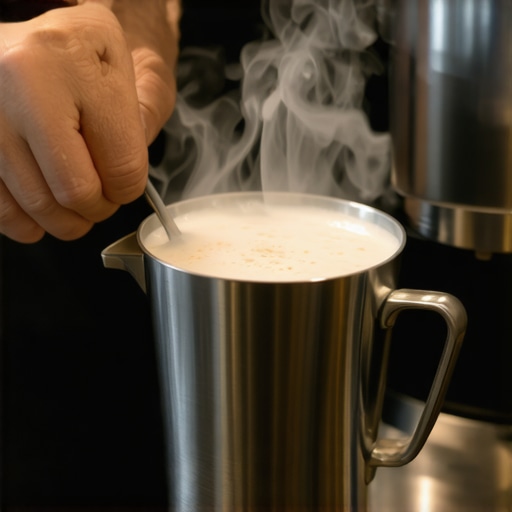
Adjusting the angle of my milk pitcher during steaming was a game-changer. Subtle changes like these—what I call ‘micro-adjustments’—have allowed me to consistently craft microfoam that rivals cafe quality. It’s proof that attention to tiny details can produce extraordinary results.
The Power of Routine Maintenance for Barista Success
Regular cleaning and calibration of my grinder and espresso machine prevented many issues that used to trip me up. Discovering that descaling every few weeks keeps equipment running smoothly and tasting fresh proved invaluable. Think of it as tuning an instrument—neglect leads to out-of-tune brewing.
My Favorite Resources for Coffee Excellence
- Mastering the Art of Home Espresso: A comprehensive guide I consult for perfecting brewing techniques. It emphasizes that consistent results rely on mastering fundamentals like water temperature and pressure.
- Top-Rated Espresso Machines in 2025: An up-to-date review site I trust to choose gear that balances quality and budget.
- Choosing Barista Gear for Enthusiasts: An insightful resource that explains how selecting the right tools can elevate your home setup, especially for specialty drinks.
- How to Select the Perfect Coffee Grinder: A deep dive into grinder types and settings that maximize flavor extraction, which I lean on before any upgrade.
Your Turn to Brew the Impossible
Remember, every great coffee journey starts with curiosity and small steps. By mastering techniques and maintenance, you unlock the potential of your favorite gear, transforming everyday routines into rich coffee experiences. Keep experimenting, learning, and savoring—your perfect brew is within reach.
Which minor adjustment has made the biggest difference in your coffee routine? Share your insights below—I love hearing about the little tricks that elevate the everyday.