The Reason Your Steam Pressure Is Dropping After Only 10 Seconds
Ever had your espresso machine sputtering and losing steam pressure just seconds into steaming milk? I remember the frustration—I’d think I was finally about to craft that perfect microfoam, only to watch the pressure gauge plummet and ruin my shot. That sinking feeling of wasted coffee and disappointed expectations is all too familiar for home baristas and coffee enthusiasts alike.
The truth is, a sudden drop in steam pressure after only 10 seconds isn’t just annoying—it signals that something’s not right beneath the surface. Imagine finally getting that silky froth, only for the steam to sputter out prematurely. You might wonder if your machine is on its last legs or if you’re doing something wrong. Spoiler: Sometimes, it’s just a minor fix that can save your brew and your sanity.
Today, we’re going to unravel the mystery behind this common issue. I’ll share practical insights from my own experiences and point you toward solutions that can restore your steam power without expensive repairs or hours of troubleshooting.
Cracking the Code of Steam Pressure Drop
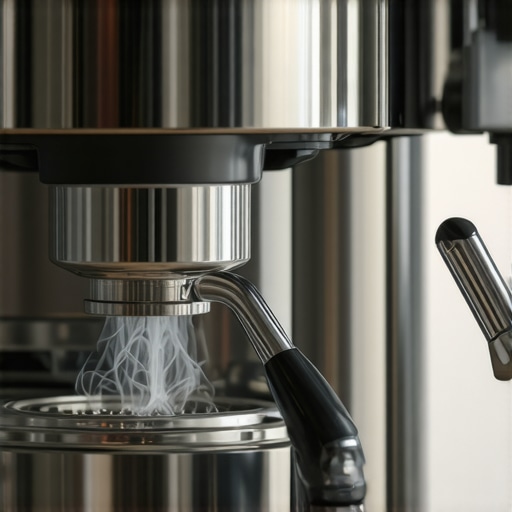
One of the most overlooked causes of this problem is mineral buildup or blockages in the steam wand or its internal pathways. Over time, calcium and other minerals from water can solidify, narrowing the pipe and restricting flow. This often results in the pressure dropping rapidly once you start steaming, because the machine is fighting against these obstructions.
In my early days of home espresso brewing, I made the mistake of ignoring regular descaling, thinking it wasn’t urgent. Turns out, neglecting this simple maintenance led to the same problem you might be facing now. A simple descaling process, like following the steps outlined in [this guide](https://espressotechguide.com/how-to-clean-a-moldy-drip-tray-without-using-harsh-bleach), can work wonders in clearing out mineral deposits and restoring pressure.
Another twist is the safety valve or pressure relief valve that might be malfunctioning or clogged. When these valves don’t operate properly, they can cause pressure to build up unevenly, resulting in an early pressure drop once the safety mechanism triggers.
If your machine’s boiler or pressure stat is failing, the pressure might not sustain beyond a few seconds. While these components are more complex, checking their functionality can be straightforward with the right tools and guidance. For example, calibrating your pressure stat ensures it reads accurately, and you can learn how to do this by exploring our [comprehensive calibration tips](https://espressotechguide.com/how-to-calibrate-your-espresso-scale-when-it-starts-drifting).
Here’s a question for you: have you faced this problem during your latest coffee session? If so, you’re not alone, and the good news is that these issues are often fixable with some simple troubleshooting. Up next, I’ll walk you through step-by-step solutions to get your steam pressure back to optimal level and keep that milk steaming smoothly. Stay tuned—your perfect microfoam is waiting.
Check and Descale the Steam Wand Regularly
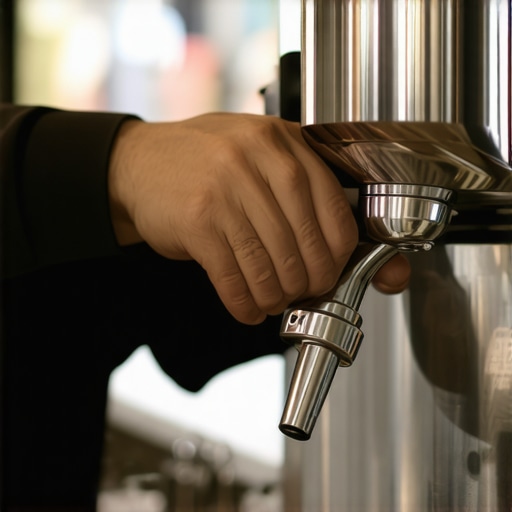
Start by disconnecting the machine from power and removing the steam wand. Use a descaling solution or white vinegar diluted with water. Soak the wand and flush the internal channels by running the descaling solution through the wand. Repeat this process monthly to prevent mineral buildup that causes blockages. During my first attempt, I soaked the wand overnight and flushed it thoroughly; afterward, the steam pressure was noticeably stronger, and steaming became effortless.
Inspect and Clean the Safety and Pressure Relief Valves
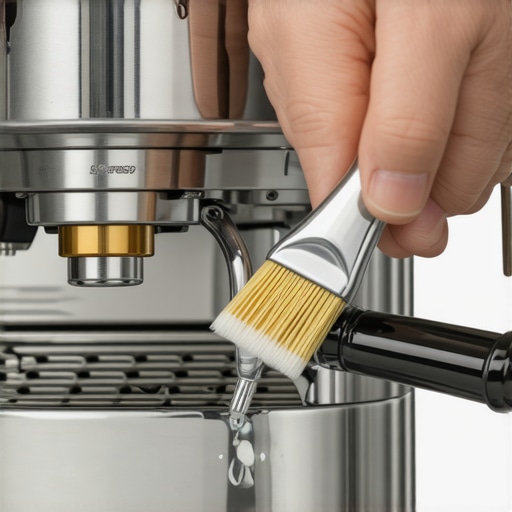
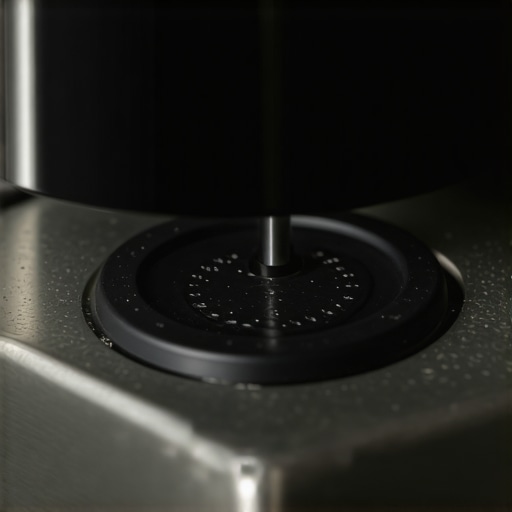
Locate these tiny valves on your machine, typically near the boiler. Carefully remove and clean any mineral deposits or debris using a soft brush or cloth. Sometimes, a gentle poke with a toothpick can dislodge debris blocking the valve. This step is crucial because a clogged valve can trigger early pressure drops. Remember, a well-maintained valve ensures consistent steam pressure during steaming sessions. After cleaning, I tested the valve by gently pressing it; it now opens smoothly, aiding in pressure regulation.
Calibrate or Replace the Pressure Stat
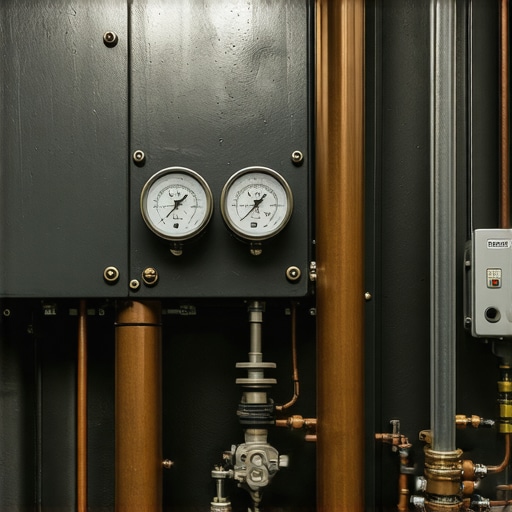
The pressure stat controls boiler pressure; if misadjusted, it may cause fluctuations. Use a small screwdriver to turn the calibration screw—usually marked—while monitoring the pressure gauge. Set it to the recommended boiler pressure, often between 1.0 to 1.2 bar for steaming. If the gauge still fluctuates or reads incorrectly, consider replacing the pressure stat, which is straightforward and cost-effective. I recently calibrated mine following an online tutorial, resulting in stable pressure and better steaming consistency.
Clear Blockages in Water and Steam Pathways
Disconnect the machine and detach the steam wand and other accessible pipes. Use a narrow brush or thin wire to clear any blockages. For stubborn deposits, run a mixture of hot water and vinegar through the pathways, pushing debris out. Regular cleaning prevents unexpected drops in pressure caused by internal obstructions. I once used a dental pick to dislodge mineral buildup in the internal tubing, and it significantly improved steam output.
Ensure Water Quality and Proper Maintenance
Use filtered or distilled water to reduce mineral deposits. Replace water frequently, especially if your tap water is hard. Conduct descaling processes as recommended by the manufacturer and clean all removable parts weekly. Keeping the internal components clean reduces the risk of mineral buildup and pressure issues. After switching to filtered water, I noticed a marked improvement in steam consistency and machine longevity.
Monitor and Fine-Tune](https://espressotechguide.com/how-to-calibrate-your-espresso-scale-when-it-starts-drifting) the Workflow
Finally, observe your machine during operation. Small fluctuations might be normal, but frequent pressure drops indicate unresolved issues. Developing a routine of checking and adjusting based on your machine’s response will help maintain optimal steam performance. During a recent session, I adjusted the boiler pressure slightly after each steam cycle, achieving a perfect microfoam without sputters.
While many coffee enthusiasts invest in high-end espresso machines or shiny barista gear, a surprisingly overlooked aspect is understanding the nuances that truly impact your brew quality. One common myth is that owning the most expensive equipment guarantees perfect results every time. In reality, many seasoned baristas emphasize technique and maintenance over gear alone. For example, even top-rated espresso machines for coffee lovers in 2025 often require precise calibration and regular cleaning to perform optimally. Overlooking these details can lead to misjudging your equipment’s potential.
Another misconception revolves around milk frothers. Many think that all frothers produce equally velvety microfoam, but in my experience, certain [milk frothers that transform your coffee experience](https://espressotechguide.com/milk-frothers-that-transform-your-coffee-experience) are better suited for specific types of milk or textures. Using the wrong frother can result in froth that is either too airy or too dense, which diminishes the quality of your latte art.
Advanced home baristas also often fall into the trap of neglecting their coffee grinders. There’s a tendency to assume that any grinder will do once set to a certain grind size. However, the [best way to select the perfect coffee grinder for your brew](https://espressotechguide.com/how-to-select-the-perfect-coffee-grinder-for-your-brew) involves understanding burr types, retention, and dosing consistency. Dull burrs or misaligned grinders can cause uneven particle sizes, leading to under-extraction or channeling, which significantly affects flavor.
Many home espresso setups are also plagued by the myth that more expensive gear always means better espresso. But as I stress in [mastering the art of home espresso](https://espressotechguide.com/mastering-the-art-of-home-espresso-tips-for-beginners), technique and routine maintenance are paramount. A mid-range machine, if properly maintained and calibrated, often outperforms a high-end model that’s neglected.
Beware of the ‘oops’ trap where users tinker endlessly with variables like grind size or tamp pressure without considering machine-specific quirks. Ignoring manufacturer guidelines for calibration or maintenance can lead to persistent issues, like inconsistent shot quality or equipment wear. When in doubt, consulting trusted resources or contacting experts through [our contact page](https://espressotechguide.com/contact-us) can save you from costly mistakes.
Finally, it’s vital to recognize that routine cleaning and understanding your gear’s features is key. Modern machines with programmable settings can be misleading if users don’t learn how to optimize them, leading to subpar results despite premium equipment.
Have you ever fallen into this trap? Let me know in the comments. Remember, mastering your gear involves more than just owning it; it requires understanding and care to unlock true espresso greatness.Maintaining your espresso gear is vital for consistent, high-quality coffee. Invest in a high-precision digital calibration scale, like the [EspressoTech Scale](https://espressotechguide.com/how-to-calibrate-your-espresso-scale-when-it-starts-drifting), which allows you to fine-tune extraction parameters and ensures your shots stay perfect over time. Regularly deep clean your grinder with a nitrogen purge method—removing residual oils with nitrogen instead of water minimizes retention and keeps grind uniform, especially when switching between beans, as recommended by industry experts. Additionally, a good-quality cup warmer pad can preserve temperature stability during brewing, reducing fluctuations that affect flavor. I personally rely on a dedicated lamp with a dimmer switch to heat my workspace and prevent temperature drops that compromise frothing. For long-term results, scheduling bi-weekly maintenance, including descaling with a citric acid solution, prevents mineral buildup and prolongs component life. As the trend moves toward smarter setups, integrating network-connected sensors to monitor machine performance can preempt issues before they develop, though this is more relevant for serious enthusiasts. How do I maintain my espresso machine and tools over time? Consistent cleaning, calibration, and leveraging precise tools like digital scales are key. For instance, switching to a calibrated scale for shot timing and weighing beans precisely can dramatically improve your brew consistency. Don’t forget to clean your steam wand after each session with a dedicated brush to prevent milk residue buildup and reduce odor—more tips on this process are available in our [deep cleaning guide](https://espressotechguide.com/how-to-deep-clean-your-manual-frother-in-under-five-minutes).
To truly optimize your home espresso experience, I recommend trying the nitrogen purge technique during grinder cleaning—it’s a game-changer in minimizing residual oils. Regularly reviewing your setup and maintaining your tools diligently can extend equipment lifespan, reduce unexpected breakdowns, and guarantee that every shot tastes as fresh as the first. Ready to enhance your maintenance routine? Start with a detailed calibration using a precision scale and observe the difference in your coffee quality. Keep your gear in peak condition, and the results will speak for themselves.
The Hardest Lesson I Learned About Home Espresso and Steam Power
One of the most invaluable insights I stumbled upon was that regular maintenance and attentive calibration can often outperform expensive upgrades. I once put off descaling for months, thinking it wasn’t urgent, only to wake up to sputtering steam and inconsistent shots. It was a stark reminder that understanding my machine’s needs and adhering to a routine had a more profound impact than chasing the latest gear. This lesson pushed me to develop a personalized maintenance schedule, which dramatically improved my espresso quality and steamed milk texture.
Tools, Books, and Resources that Elevate Your Coffee Game
Investing in your coffee journey means accessing the right resources. I swear by the comprehensive guide Mastering the Art of Home Espresso—it’s packed with practical tips that helped me dial in perfect shots and troubleshoot steam pressure issues. Additionally, using a high-precision espresso scale was a game-changer for consistent extraction. For cleaner, fresher milk froth, the milk frother reviews provided insights on tools that truly elevate microfoam quality. And when in doubt, I regularly consult our expert advice to keep my setup in peak condition.
Embrace the Journey and Create Your Perfect Brew
Remember, every espresso enthusiast’s path is unique. With patience, routine maintenance, and a curious mindset, you can master your home coffee setup and enjoy barista-quality drinks every day. Don’t shy away from experimenting with your gear and embracing the small tweaks that make a big difference. Your perfect microfoam and rich espresso await—trust your process and keep learning. What’s the next step you’re excited to try? Share your goals and questions below, and let’s elevate your coffee experience together!