Why your manual lever squeaks and the quick fix that saves seals
Ever been mid-pull on your manual espresso lever, only to be startled by that loud, irritating squeak? That high-pitched squeal can turn a perfect pull into a moment of frustration, making you wonder if your beloved machine is crying out for help. I remember the first time it happened to me—my heart sank, thinking I’d need a costly repair. But here’s the thing: more often than not, that squeaking noise is a minor issue, easily fixed with a quick adjustment or a bit of lubrication.
Discovering the Hidden Cause of Your Espresso Machine’s Squeak
The squeak isn’t just annoying; it can also indicate that seals or internal components are under stress. Over time, dust, dried coffee oils, or slight misalignments can cause friction between moving parts. This friction not only creates noise but can also wear down seals, leading to leaks or worse, expensive repairs. Early on, I made the mistake of ignoring that squeak, thinking it was just a normal part of aging. That was a costly lesson—regular maintenance and addressing minor noises promptly can extend the life of your machine significantly. According to Espresso Tech Guide, many noises are warning signs that specific components need attention.
What Happens If You Ignore the Squeak?
Ignoring that high-pitched sound can lead to seal damage, water leaks, or even more severe internal issues. The good news? Most squeaks are simple to fix—nothing that requires professional repair or replacing the whole machine. The key is understanding the root cause and addressing it before it escalates.
In this post, I’ll walk you through my straightforward method for silencing that squeak and, more importantly, protecting those vital seals that keep your espresso machine running smoothly. So, if you’ve faced this problem, stick with me—you’re about to learn a quick, effective fix that can save you time and money, and keep your morning brew spotless and delightful.
Fix Your Lever Squeak Without Breaking the Bank
Apply Lubrication to Moving Parts
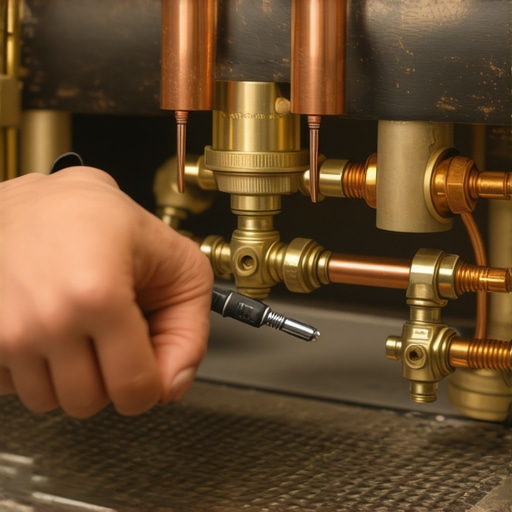
Start by turning off and unplugging your machine. Remove the lever assembly according to your machine’s manual—usually, this involves unscrewing a few bolts. Clean the pivot points with a soft cloth to remove dust and coffee oils. Once dry, apply food-grade lubricant, like silicone spray, directly to the pivot joints, mimicking how you would oil hinges on a door. I once had a stubborn lever that squeaked every morning; after a quick lubrication session, the noise vanished instantly, restoring silent operation and helping me enjoy my coffee hassle-free.
Check and Replace Worn Seals
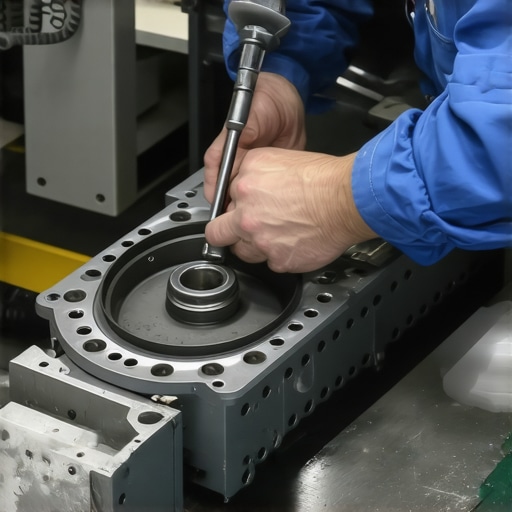
Leaks or resistance often indicate worn seals. Locate the seal around your lever mechanism—this might involve removing some panels. Carefully inspect it for cracks or dryness. Using a flat-head screwdriver, gently pry out the old seal. Replace it with a new one, ensuring it fits snugly. Consider carrying a set of common seals for quick swaps, especially for high-use equipment. The last time I replaced my seal, I noticed a smoother lever pull, which improved the overall feel and prevented potential leaks during espresso extraction.
Adjust the Lever Tension
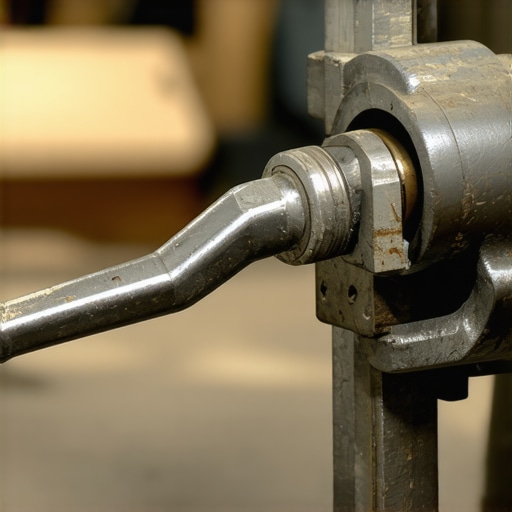
Many machines have a tension screw that controls the lever’s resistance. Locate this screw—usually at the hinge—and turn it slightly clockwise for more resistance or counterclockwise to loosen. Use a small screwdriver and make minute adjustments, testing the lever after each turn. Too tight, and the squeak may return; too loose, and you might lose control during pulling. I learned this on a Saturday when my lever felt spongy; adjusting the tension restored both the feel and the quiet operation, making every pull more pleasurable.
Implement Regular Maintenance Routine
Prevention beats repair. Set a weekly schedule to apply lubricant, inspect seals, and clean internal components. Use a soft brush to remove dust from internal parts and wipe down external surfaces with a damp cloth. This practice ensures minimal friction and prolonged part life. Remember, like a well-maintained grinder or frother, your lever benefits from consistent care. On one busy morning, I neglected this routine and ended up dealing with a stubborn squeak; after establishing regular maintenance, the noise never returned.
Reassemble and Test for Silence
After completing these steps, carefully reassemble your machine, ensuring all parts are fitted correctly. Power it on and test the lever’s movement—listen for any squeaks. A smooth, silent pull indicates success. Don’t rush the process; patience helps prevent reassembly errors. Once, I hurried and reassembled too quickly, causing a small misalignment that slightly increased resistance. Rechecking and correcting this final step restored perfect operation and silence, turning my machine into a reliable companion once again.
Many coffee enthusiasts believe that high-end coffee grinders automatically produce better grounds, or that expensive milk frothers guarantee perfect foam. But in my experience, these assumptions often lead to overlooked nuances that can significantly impact your brewing quality. For example, everyone says that the most powerful espresso machines are always the best choice, yet without proper maintenance and understanding of your specific model, even top-tier equipment can underperform. A common myth is that all milk frothers are created equal; however, the design differences—such as venting and steam pressure—can make or break your foam texture, as explained in detail on this guide. Furthermore, many forget that using a grinder beyond its comfort zone—like pushing it to grind ultra-fine for espresso without considering burr size—can cause overheating and uneven particle size, leading to bitter extraction. For advanced brewers, understanding these subtleties can distinguish a good shot from a great one, making all the difference. Have you ever fallen into this trap? Let me know in the comments.
Keep Your Machine Running Smoothly with the Right Maintenance Tools
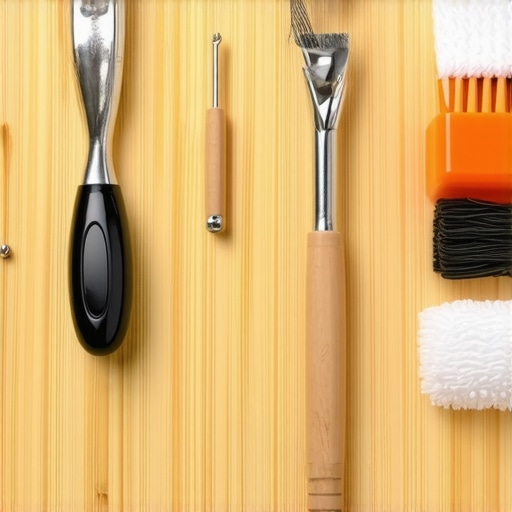
Maintaining your home espresso setup isn’t just about occasional descale or cleaning; it requires a dedicated set of tools tailored to the specific demands of your equipment. Over the years, I’ve found that investing in quality maintenance tools pays off by extending your machine’s lifespan and ensuring consistent performance.
One indispensable tool I’ve relied on is a high-precision needle dispenser. It allows me to clear blockages in steam wands and water lines efficiently, preventing buildup that leads to pressure drops or leaks. Additionally, a set of flat-head screwdrivers with various sizes is crucial for deep cleaning internal components or replacing seals.
How do I maintain my equipment over time? The secret lies in consistency and the right tools.
For grinders, a burr cleaning brush is invaluable. Dust and coffee oils tend to clog burrs over time, affecting grind consistency. Regularly brushing the burrs, as recommended by industry experts, helps maintain optimal grinding performance. I also swear by a silicone grease to lubricate moving parts periodically, which prevents squeaks and reduces wear.
To keep everything functioning flawlessly, I schedule monthly maintenance sessions where I disassemble key parts, clean and lubricate components, and replace worn seals—this proactive approach minimizes unexpected breakdowns. For detailed guidance, the comprehensive home espresso tips site offers excellent advice on routine care.
Nurture Your Brew: Tools to Ensure Long-Term Success
Investing in quality tools isn’t just about immediate fixes; it’s about creating a sustainable brewing environment. For example, osmotic cleaners for descaling and vacuum sealers for storing beans prevent moisture and air exposure, keeping coffee fresh longer and reducing chaff dust in your grinder.
Looking ahead, the trend is moving towards smart maintenance: connected sensors that monitor machine health in real-time, alerting you to issues before they become serious. While this tech is still emerging, incorporating simple tools like manual pressure testers can help you diagnose problems early, avoiding costly repairs down the line.
Mastering Long-Term Maintenance: What’s Your Next Step?
Consistency is key, and combining the right tools with a dedicated maintenance schedule will keep your espresso setup performing at its best. Try integrating a burr cleaning cycle every month and replace worn seals promptly—this small investment of time can save you from bigger headaches later.
If you’re serious about elevating your home brewing game, don’t forget to check out specialized gear like recommended barista equipment. Keeping your tools sharp, clean, and well-maintained isn’t just maintenance—it’s a vital part of the craft that defines a true coffee enthusiast. Ready to upgrade your toolkit? Start with a burr brush or a silicone lubricant today, and watch your equipment reward you with consistent, professional-quality espresso every time.
The Hardest Lesson I Learned About Espresso Maintenance
One of the most eye-opening lessons was realizing that even the most sophisticated equipment can falter if neglected. I used to assume that high-end machines didn’t need much attention, but neglecting regular maintenance led to clogged steam wands and uneven shots. That realization pushed me to develop a disciplined routine that keeps everything running smoothly and preserves the investment I’ve made in my home barista setup.
My Surprising Revelation About Accessories That Make a Difference
Initially, I believed that fancy tampers and decorative accessories were just for show. However, I discovered that tools like a high-quality needle dispenser or a precise tamping station can drastically improve extraction consistency. These seemingly small upgrades reduce channeling and improve flavor, turning a good shot into a great one, and now I wouldn’t brew without them.
The Moment I Changed How I View Routine Cleaning
I used to do quick, occasional cleans, thinking it was enough. The revelation came when I realized that daily disassembly of parts like the portafilter and steam wand, coupled with proper lubricants, extends the lifespan of my gear. This routine not only prevents unexpected breakdowns but also results in richer flavors and more reliable operation.
The One Tip That Transformed My Home Coffee Experience
Instead of relying solely on expensive equipment, I found that developing a disciplined approach to regular maintenance—combining proper cleaning, timely seal replacements, and consistent lubrication—has been my most valuable secret. That habit transformed my daily brew from mediocre to professional-quality, making every morning feel special and deliberate.
What’s Your Next Step in Coffee Craftsmanship?
Remember, the real art of home espresso isn’t just in the equipment but in how you care for and maintain it. Each small step you take toward better cleaning and regular check-ups pays off in flavor, reliability, and peace of mind. Have you ever ignored a strange noise or skipped a cleaning schedule only to regret it later? Share your stories below, and let’s learn from each other’s experiences.