Why your flat burrs are producing bitter shots and how to re-align
Ever brewed a shot of espresso that tasted like it was trapped in a bitter nightmare? I remember the frustration vividly—spending ages dialing in my grinder, only to end up with that acrid, off-putting flavor that ruins the whole morning. That lightbulb moment hit me when I realized my flat burr grinder wasn’t aligned properly, causing uneven extraction and bitter shots. If you’ve ever wondered why your espresso tastes wrong despite following all the supposed rules, you’re not alone. Many home baristas face this sneaky issue that doesn’t get enough attention.
Understanding Flat Burr Misalignment and Its Impact on Flavor
Misaligned flat burrs are a common culprit behind bitter, inconsistent espresso shots. When the burrs aren’t perfectly synced, the coffee grounds don’t grind evenly. This unevenness leads to channeling—where water finds the path of least resistance—over-extracting some grounds while under-extracting others. The result? A shot that’s either bland or painfully bitter.
But why does this happen so often? Well, most grinders are assembled with tolerances that can shift over time due to wear and tear. Even a slight misalignment can drastically affect your brew. Early on, I made the mistake of ignoring the importance of precise burr alignment, thinking grinding consistency was solely about choosing the right burrs. Trust me, it’s not. Proper alignment is fundamental, and it’s surprisingly simple to fix once you understand the process.
Before we jump into the how-to, consider this: a study published in the Journal of Coffee Science notes that uneven grind distribution significantly affects extraction quality. That means your bitter shots aren’t just bad luck—they’re preventable.
So, are you tired of wasting beans and ruining your morning routine with bitter espresso? If yes, let’s dive into how you can realign your flat burrs effectively, saving money and elevating your coffee game.
Is Flat Burr Alignment Really Worth the Hassle?
I get it—tinkering with your grinder might sound daunting or even unnecessary. But my early mistake was thinking that a good grinder didn’t need frequent maintenance. Turns out, ignoring proper alignment can turn a decent machine into a flavor disaster, with bitter and uneven shots becoming the norm.
For more tailored advice on choosing the best equipment to suit your brewing style, check out [this guide on barista gear](https://espressotechguide.com/choosing-the-best-barista-gear-for-coffee-enthusiasts). Meanwhile, if you’re unsure whether your grinder’s misalignment is the root cause, I recommend inspecting and adjusting your burrs with a simple method I’ll explain later.
Now that we’ve covered why flat burr misalignment is a sneaky assassin of your coffee quality, it’s time to roll up our sleeves. We’ll walk through the practical steps to realign your burrs, so you can enjoy consistently delicious espresso shots without bitterness or wasted beans. Ready to transform your coffee experience? Let’s get to it.
Remove the Bean Hopper and Prepare for Access
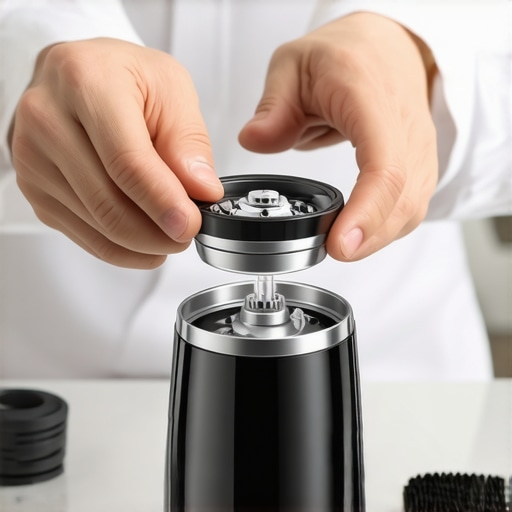
Start by turning off your grinder and unplugging it to ensure safety. Carefully remove the bean hopper, which is usually secured with a screw or clip. This exposes the burr chamber, giving you direct access for alignment adjustments. In my experience, holding a small dish nearby helps catch any loose beans or debris that might fall during the process.
Identify the Flat Burrs and Their Alignment
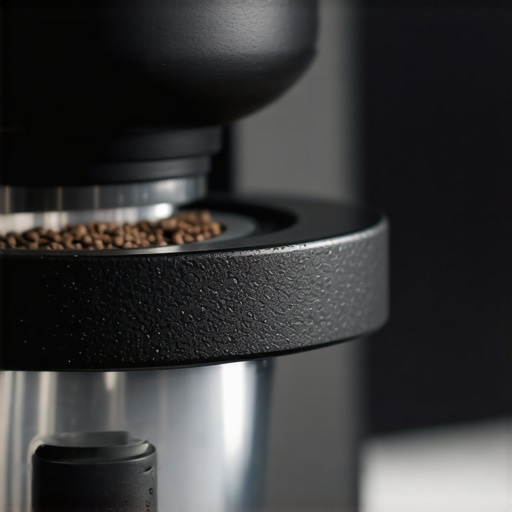
Locate the flat burrs, typically a horizontal disc with sharp edges, seated inside the chamber. Examine how they sit—are they tilted, uneven, or loose? When I first faced uneven espresso shots, I realized the burrs weren’t perfectly flush. A visual check under good lighting helps determine misalignment. Think of it like aligning gears—if they don’t sit evenly, the whole machine struggles to grind uniformly.  this guide on milk frothers for practical insights.
A trap worth avoiding pertains to espresso machines with flashy features but poor build quality or overlooked maintenance needs. For example, relying solely on a machine’s digital pressure gauge might give a false sense of perfect extraction, but real mastery demands understanding the internal dynamics—like pump pressure stability and group head temperature. This nuance is often ignored, leading to over-reliance on gadgetry rather than hands-on skill.
Why does burr alignment matter even with a top-tier grinder?
Making precise adjustments to burr alignment profoundly impacts grind uniformity and extraction consistency. Studies in coffee science reveal that even minute misalignments can cause notable flavor deviations due to uneven extraction dynamics. I recommend periodically checking and fine-tuning your grinders—an overlooked but vital maintenance step that keeps your setup performing at its best. Learn more about this process here.
Most importantly, avoid falling into the trap of equating expensive gear with automatic perfection. Mastery involves understanding and refining these hidden nuances—knowing how to calibrate, maintain, and adjust your setup. This knowledge transforms your routine from guesswork into precision craft, elevating the pleasure of every cup.
Have you ever fallen into this trap? Let me know in the comments.Maintaining your espresso gear is crucial for ensuring consistent quality and longevity. I recommend investing in a high-quality calibration gauge like the manual pump pressure tester. This simple tool allows you to regularly verify that your machine operates at optimal pressure, which directly affects extraction and flavor. Additionally, a set of precision screwdrivers is invaluable for routine adjustments, especially for burr alignment or cleaning group head parts. For cleaning, I swear by a dedicated brush set designed for espresso machines, which makes deep-cleaning components like shower screens and seals more effective. My personal routine involves monthly checks with these tools, combined with descaling solutions like full descaling of water pathways. As the trend towards smarter equipment grows, integrating a digital scale with Bluetooth connectivity helps me dial in shot weight with extreme precision, minimizing waste and maximizing flavor extraction. Looking ahead, I believe we’ll see increased adoption of IoT-enabled machines that self-monitor and notify us when maintenance is due, simplifying upkeep and ensuring long-term consistency.
How do I maintain my espresso tools over time?
Consistent maintenance starts with routine inspection and cleaning of key parts. Use a high-quality, food-grade lubricant like food-safe silicone spray for moving parts, ensuring they stay smooth and responsive. Regularly check seals and gaskets—if you notice any cracking or leaks, replacing them promptly prevents more serious issues down the line. Keep your grinder burrs sharp by periodically using a burr alignment trick that extends their lifespan and maintains uniform grind size. When in doubt, consult the manufacturer’s recommended maintenance schedule; neglect can lead to costly repairs or flavor deterioration. I also suggest keeping a detailed maintenance log, especially for grinders and water filters—this documentation helps catch patterns before problems escalate. Why not try calibrating your shot weight with an advanced digital scale today? Small adjustments can lead to dramatic improvements in shot consistency. Remember, a well-maintained machine isn’t just about performance—it’s about elevating your entire coffee experience.
The Hardest Lesson I Learned About Espresso Equipment
One of the toughest truths I uncovered was that even the most expensive grinder won’t save a bad alignment. No matter how high-end your machine is, neglecting burr alignment can turn your rich, aromatic espresso into a bitter disappointment. This lesson pushed me to develop a routine of regular maintenance, including simple calibration checks, which made a dramatic difference in my results.
My Journey Through No-Nonsense Coffee Tools
Over the years, I’ve come to rely on specific tools that elevate my brewing experience. A high-quality calibration gauge like the manual pump pressure tester has become my trusted companion for ensuring consistent pressure. Paired with precision screwdrivers from a trusted supplier, I can confidently perform alignments and adjustments that keep my grinder and machine in prime condition. These tools have transformed maintenance from a daunting task into a straightforward, effective process.
Embracing the Real Power of Routine Care
What really changed my approach was understanding that proper maintenance isn’t just about preserving equipment but about unlocking the full flavor potential of my beans. Regularly cleaning, calibration, and timely gasket replacements create a synergy where every shot tastes as intended. This consistency fuels my passion and encourages me to experiment with new profiles, knowing my gear can handle the precision needed. Plus, staying curious and sharing tips with fellow enthusiasts through forums or community chats keeps the learning curve exciting.
Your Turn to Take Control of Your Coffee Experience
Now, I challenge you to look beyond the obvious—your beans, your grinder, your machine—and consider how small tweaks in alignment and routine maintenance can elevate every shot. It’s not just about fixing issues; it’s about unlocking new flavors and deepening your understanding of espresso craftsmanship. Remember, mastery is woven through attention to detail—so get your tools, trust your senses, and enjoy the journey toward perfect espresso.