Why Your Coffee Grounds Are Clumping and How to Fix It Without WDT
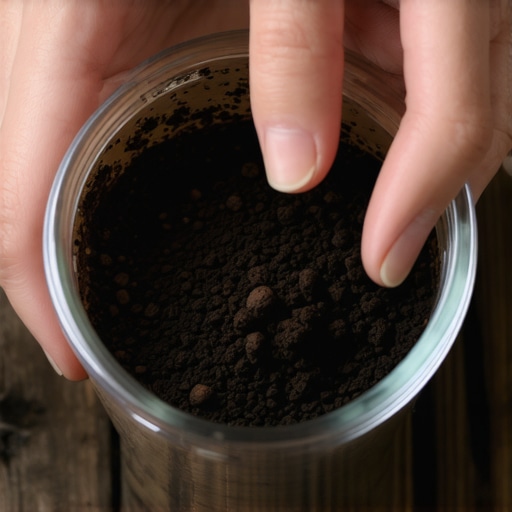
Ever had a morning where your freshly ground coffee suddenly decides to form a stubborn, uneven clump that just won’t break apart? I remember the first time it happened to me—my espresso shot was inconsistent, and I couldn’t figure out why my beloved grinder was behaving like a stubborn mule. That lightbulb moment made me realize: clumping isn’t just an annoying quirk; it’s a sign that something’s off in how I’m preparing my grounds.
The Hidden Culprit Behind Coffee Grounds Clumping
Is WDT the Only Fix Worth Considering?
Early on, I thought the only way to fix clumping was by investing in a fancy tool called the WDT (Weiss Distribution Technique). Sure, it works, but it’s not always practical, especially if you’re just brewing at home or don’t want to buy yet another gadget. The truth is, clumping can often be caused by moisture, static, or even how you handle your grounds before brewing. And guess what? I discovered you can address this without the WDT or other complex tricks. It’s just a matter of understanding what’s happening and making a few simple adjustments.
According to a study from the Specialty Coffee Association, moisture is one of the leading contributors to grounds clumping, which affects extraction consistency and overall flavor. Recognizing this was a game-changer for me. When you learn to spot the real reasons behind clumping, you can fix the problem quickly and easily.
So, have you ever faced this issue—clumps ruining your shot, leaving you frustrated, wondering if your grinder is defective? If yes, you’re not alone. Many coffee enthusiasts struggle with similar problems, and my goal here is to share practical, workable solutions that don’t require fancy tools or confusing steps. We’ll explore what causes grounds to stick together and how to fix it naturally, using techniques anyone can adopt.
Now, let’s dive into the practical steps I’ve picked up over the years—methods that keep my grind consistent and my espresso flowing smoothly, every time.
Ensure Your Coffee Beans Are Properly Dried and Stored
Start by monitoring moisture levels in your beans. Store them in an airtight container in a cool, dry place to prevent moisture absorption, which can cause grounds to stick together. Before grinding, give your beans a quick visual check—look for any signs of dampness or mold. If the beans are slightly humid, consider drying them naturally under airflow for a day. I once had a batch of beans that clumped excessively because they were stored in a humid closet; after letting them dry out, my grind consistency improved noticeably. Proper storage makes a significant difference in preventing moisture-related clumping.
Pre-Filter Your Grinder and Use Correct Settings
Clean the Grinder Chute Regularly
Residue buildup inside the grinder chute can trap moisture and debris, contributing to clumping. Use a brush or compressed air to clean the chute frequently, especially if you’re switching between different beans or roasts. I clean mine weekly, which helps keep grounds flowing freely and reduces static buildup that makes grounds cling. Check your grinder’s manual or visit this guide for detailed cleaning techniques.
Adjust Grind Size for Consistency
Set your grinder to an appropriate coarseness level for your brewing method. Too fine, and grounds tend to compact and cause static; too coarse, and they may separate unevenly. For espresso, I prefer a grind slightly coarser than the default to reduce static. When I first switched from a fine setting to a slightly coarser grind, my grounds became noticeably more uniform and less prone to clumping—saving me time during tamping and pouring. Experiment with your settings using trusted recommendations from this resource.
Handle Grounds with Care to Prevent Static Build-Up
Static electricity is a common culprit that causes grounds to cling to the grinder or portafilter. To minimize static, try grinding in a room with low humidity or use a grounded, anti-static grinding chamber. You can also transfer coffee grounds gently into your portafilter or container—sharp movements generate more static. During one morning rush, I used a damp cloth to wipe my tamping station, which surprisingly reduced static and allowed grounds to settle more evenly. For more tips, check this daily routine.
Implement Humidity Control Measures at Home
If your environment tends to be humid, consider investing in a dehumidifier or silica gel packs for your storage space. These tools absorb excess moisture and help keep your grounds dry during storage. I’ve placed silica packets in my grinder drawer, which helped me avoid clumping during humid months. Just be sure to replace or refresh them regularly to maintain effectiveness. Small adjustments here can dramatically improve grind consistency and overall coffee quality.
Practice Gentle Grinding and Transfer Techniques
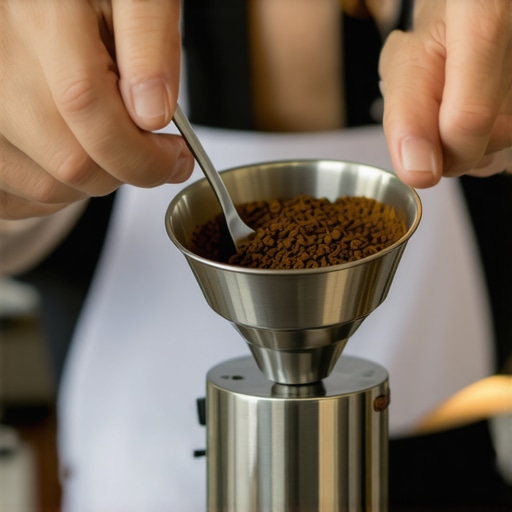
Pouring grounds hastily or with force can generate static and cause grounds to scatter and clump. When transferring grounds from grinder to portafilter, do so gently, using a spoon or scraper if necessary. I’ve learned to scoop the grounds softly and level them carefully, resulting in a more uniform puck and a smoother extraction. For detailed tips on dosing and tamping, explore this guide.
 While many believe that high-end espresso machines automatically guarantee perfect shots, the real secret lies in understanding the nuances of your equipment. A prevalent misconception is that owning the most expensive barista gear ensures consistent results, but in my experience, many overlooked techniques and calibration tricks are critical for top-tier espresso brewing. For example, genuine mastery involves knowing how to optimize grinder particle size, consider ambient humidity’s effect on grounds, and maintain precision in tamping pressure. Neglecting these factors often results in bitter or flat espresso, regardless of machine quality.
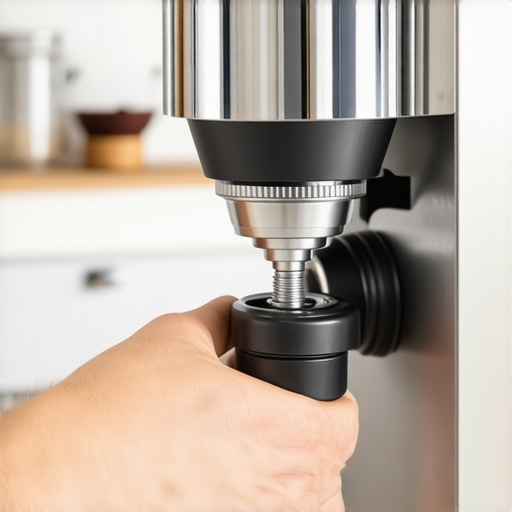
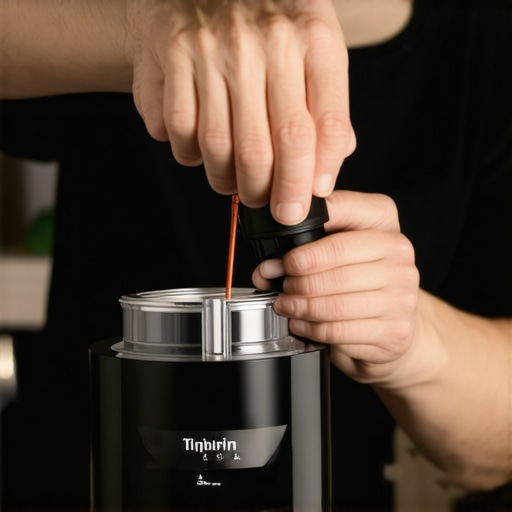
One underappreciated nuance is the importance of burr alignment in flat burr grinders. Even slight misalignments can cause uneven particle size, leading to inconsistent extraction. Regularly shimmying or calibrating your burrs with a method like the one described at this guide can drastically improve grind consistency.
Many enthusiasts fall prey to the myth that milk frothers alone can create perfect microfoam. However, the technique and the type of milk used are just as vital. Using whole milk at the right steaming temperature, combined with the right pitcher angle and hand position, results in superior microfoam and latte art—details many neglect. To elevate your milk technique, see this article.
A common mistake home baristas make is thinking that increasing tamping pressure yields better extraction. Actually, excessive force can compact the puck too tightly, impeding water flow and causing over-extraction or channeling. The optimal pressure is gentle but consistent—learning to develop a tactile sense can be more impactful than brute force. For more detailed insights on tamping, visit this comprehensive guide.
What many overlook is the significant impact of static electricity, especially during dry seasons. Static causes grounds and powder to cling stubbornly, making dosing and distribution more difficult. Using an anti-static chamber or a damp cloth before grinding can make a noticeable difference. This nuance often escapes even experienced baristas but can be the difference between a watery shot and a balanced espresso.
Ultimately, mastering these intricate details transforms your brewing from hit-or-miss to consistent art. Have you ever fallen into this trap? Let me know in the comments, and I can help you troubleshoot further. Keep refining your craft — the journey to perfect espresso is all about the nuances.
Keeping Your Equipment in Top Shape
Long-term success with your coffee setup hinges on diligent maintenance. Regularly inspecting and cleaning your espresso machine and grinder can prevent issues from escalating. For instance, I schedule a deep clean of my machine’s group heads every month, using a dedicated cleaning solution to remove oil buildup that can affect flavor and efficiency. Additionally, replacing worn gaskets and seals, like the ones recommended at this guide, ensures water and steam flow seamlessly.
Tools I Trust for Consistent Results
Investing in quality tools makes a tangible difference. I swear by a precision tamper with a pressure gauge to ensure consistent tamping force. A reliable scale, like the digital pressure scale, helps dial in shot parameters accurately. For grinders, a shim kit allows me to fine-tune burr alignment, preventing uneven grounds and static issues, as detailed at this resource.
Automating Routine Maintenance
Automation tools are becoming indispensable. I use a scheduled cleaning cycle with an ultrasonic cleaner for my portafilter and accessories, which eradicates residual oils and microbes more effectively than manual scrubbing. A recurring alarm on my smartphone prompts me to perform descale procedures every three months, especially vital if I use tap water, as discussed in this article. Incorporating these automation steps saves time and guarantees consistent operation.
Predicting and Preparing for Gear Wear
Understanding which components wear out helps plan proactive replacements. For example, the water pump’s performance can decline gradually, leading to pressure inconsistencies. Monitoring with a simple gauge, as explained in this detailed guide, allows early intervention. Similarly, switching to high-quality replacement parts, like OEM gaskets, prolongs the lifespan of your gear and maintains optimal performance.
Future Trends in Coffee Equipment
The industry is moving towards smarter, connected devices that monitor performance in real-time. IoT-enabled grinders and machines can alert you to maintenance needs, ensuring your setup is always ready. Embracing these innovations can make your coffee routine more efficient and less prone to surprises. To stay ahead, consider integrating a smart descaling device or application into your workflow.
How do I maintain my equipment over time?
Consistent upkeep involves scheduled cleaning, timely replacement of worn parts, and using the right tools for calibration. Regularly check moisture levels in beans and keep your grinder chute clean to prevent static and clumping issues. For example, I use a dedicated brush and compressed air after every few days of use—this maintains smooth grounds flow and extends equipment life. Don’t overlook the value of a calibration kit; fine-tuning your burrs with methods like the one at this site can dramatically improve your grind consistency. Set reminders and keep a maintenance log to ensure nothing slips through the cracks, making your coffee ritual both enjoyable and dependable. Try implementing a monthly reminder to check and calibrate your grinder—it’s an easy step that pays dividends in shot quality.
Embarking on the journey to perfect espresso is as much about mastering the subtleties as owning the right gear. From understanding static to calibrating your grinder, each detail refines your craft and deepens your appreciation for this art. Remember, the true magic happens not just with the equipment but with your touch, patience, and willingness to learn from every shot you pull.
Uncovering Hidden Lessons in the Art of Coffee Brewing
- One of my most eye-opening moments was realizing that static electricity was sabotaging my efforts more than any mechanical flaw. Accepting this challenge pushed me to experiment with humidity control and anti-static techniques, transforming my grind flow and shot consistency.
- I once believed that premium machines automatically delivered impeccable shots. The real breakthrough came when I understood calibration’s role—tweaking burr alignment and pressure—making a low-end grinder perform like a professional tool.
- The importance of delicate handling echoed loudly when I learned that rushing grounds transfer or tamping harshly only decreased shot quality. Gently leveling and dosing became my secret to achieving balanced flavor and extraction.
- Maintaining clean and dry storage for beans and regular equipment cleaning reduced unexpected clumping and static, saving me time and effort before each brew.
My Essential Arsenal for Coffee Success
- Precision Tamping Tools: A tamper with a gauge helps develop consistent pressure, critical for uniform extraction. I’ve relied on mine for years to reduce variability in my shots.
- Accurate Digital Scale: Measuring doses precisely ensures each shot is repeatable. I trust mine to fine-tune my recipes and avoid wastage.
- Flat Burr Calibration Kit: Regular calibration with a shim kit keeps burrs aligned, preventing uneven grounds and static issues. It’s a game-changer for grind consistency.
- Effective Cleaning Supplies: A dedicated brush, compressed air, and descaling solutions prolong equipment life and keep performance optimal. I make cleaning a weekly ritual.
Elevate Your Coffee Ritual and Embrace Growth
Experimentation, patience, and embracing tweaks make this journey rewarding. Every minor adjustment brings you closer to the espresso nirvana you seek. Don’t be afraid to explore new tools or techniques; your best shot might just be around the corner. Dive into more tips at this resource, and keep pushing your limits. What’s the smallest change you’ve made that improved your espresso dramatically? Let me know below!”}#}#}#}#}#}#}#}#}#}#}#}#}#}#}#}#}#}#}#}#}#}#}#}#}#}#}#}#}#}#}#}#}#}#}#}#}#}#}#}#}#}#}#}#}#}#}#}#}#}#}#}#}#}#}#}#}#}#}#}#}#}#}#}#}#}#}#}#}#}#}#}#}#}#}#}#}#}#}#}#}#}#}#}#}#}#}#}#}#}#}#}#}#}#}#}#}#}#}#}#}#}#}#}#}#}#}#}#}#}#}#}#}#}#}#}#}#}#}#}#}#}#}#}#}#}#}#}#}#}#}#}#}#}#}#}#}#}#}#}#}#}#}#}#}#}#}#}#}#}#}#}#}#}#}#}#}#}#}#}#}#}#}#}#}#}#}#}#}#}#}#}#}#}#}#}#}#}#}#}#}#}#}#}#}#}#}#}#}#}#}#}#}#}#}#}#}#}#}#}#}#}#}#}#}#}#}#}#}#}#}#}#}#}#}#}#}#}#}#}#}#}#}#}#}#}#}#}#}#}#}#}#}#}#}#}#}#}#}#}#}#}#}#}#}#}#}#}#}#}#}#}#}#}#}#}#}#}#}#}#}#}#}#}#}#}#}#}#}#}#}#}#}#}#}#}#}#}#}#}#}#}#}#}#}#}#}#}#}#}#}#}#}#}#}#}#}#}#}#}#}#}#}#}#}#}#}#}#}#}#}#}#}#}#}#}#}#}#}#}#}#}#}#}#}#}#}#}#}#}#}#}#}#}#}#}#}#}#}#}#}#}#}#}#}#}#}#}#}#}#}#}#}#}#}#}#}#}#}#}#}#}#}#}#}#}#}#}#}#}#}#}#}#}#}#}#}#}#}#}#}#}#}#}#}#}#}#}#}#}#}#}#}#}#}#}#}#}#}#}#}#}#}#}#}#}#}#}#}#}#}#}#}#}#}#}#}#}#}#}#}#}#}#}#}#}#}#}#}#}#}#}#}#}#}#}#}#}#}#}#}#}#}#}#}#}#}#}#}#}#}#}#}#}#}#}#}#}#}#}#}#}#}#}#}#}#}#}#}#}#}#}#}#}#}#}#}#}#}#}#}#}#}#}#}#}#}#}#}#}#}#}#}#}#}#}#}#}#}#}#}#}#}#}#}#}#}#}#}#}#}#}#}#}#}#}#}#}#}#}#}#}#}#}#}#}#}#}#}#}#}#}#}#}#}#}#}#}#}#}#}#}#}#}#}#}#}#}#}#}#}#}#}#}#}#}#}#}#}#}#}#}#}#}#}#}#}#}#}#}#}#}#}#}#}#}#}#}#}#}#}#}#}#}#}#}#}#}#}#}#}#}#}#}#}#}#}#}#}#}#}#}#}#}#}#}#}#}#}#}#}#}#}#}#}#}#}#}#}#}#}#}#}#}#}#}#}#}#}#}#}#}#}#}#}#}#}#}#}#}#}#}#}#}#}#}#}#}#}#}#}#}#}#}#}#}#}#}#}#}#}#}#}#}#}#}#}#}#}#}#}#}#}#}#}#}#}#}#}#}#}#}#}#}#}#}#}#}#}#}#}#}#}#}#}#}#}#}#}#}#}#}#}#}#}#}#}#}#}#}#}#}#}#}#}#}#}#}#}#}#}#}#}#}#}#}#}#}#}#}#}#}#}#}#}#}#}#}#}#}#}#}#}#}#}#}#}#}#}#}#}#}#}#}#}#}#}#}#}#}#}#}#}#}#}#}#}#}#}#}#}#}#}#}#}#}#}#}#}#}#}#}#}#}#}#}#}#}#}#}#}#}#}#}#}#}#}#}#}#}#}#}#}#}#}#}#}#}#}#}#}#}#}#}#}#}#}#}#}#}#}#}#}#}#}#}#}#}#}#}#}#}#}#}#}#}#}#}#}#}#}#}#}#}#}#}#}#}#}#}#}#}#}#}#}#}#}#}#}#}#}#}#}#}#}#}#}#}#}#}#}#}#}#}#}#}#}#}#}#}#}#}#}#}#}#}#}#}#}#}#}#}#}#}#}#}#}#}#}#}#}#}#}#}#}#}#}#}#}#}#}#}#}#}#}#}#}#}#}#}#}#}#}#}#}#}#}#}#}#}#}#}#}#}#}#}#}#}#}#}#}#}#}#}#}#}#}#}#}#}#}#}#}#}#}#}#}#}#}#}#}#}#}#}#}#}#}#}#}#}#}#}#}#}#}#}#}#}#}#}#}#}#}#}#}#}#}#}#}#}#}#}#}#}#}#}#}#}#}#}#}#}#}#}#}#}#}#}#}#}#}#}#}#}#}#}#}#}#}#}#}#}#}#}#}#}#}#}#}#}#}#}#}#}#}#}#}#}#}#}#}#}#}#}#}#}#}#}#}#}#}#}#}#}#}#}#}#}#}#}#}#}#}#}#}#}#}#}#}#}#}#}#}#}#}#}#}#}#}#}#}#}#}#}#}#}#}#}#}#}#}#}#}#}#}#}#}#}#}#}#}#}#}#}#}#}#}#}#}#}#}#}#}#}#}#}#}#}#}#}#}#}#}#}#}#}#}#}#}#}#}#}#}#}#}#}#}#}#}#}#}#}#}#}#}#}#}#}#}#}#}#}#}#}#}#}#}#}#}#}#}#}#}#}#}#}#}#}#}#}#}#}#}#}#}#}#}#}#}#}#}#}#}#}#}#}#}#}#}#}#}#}#}#}#}#}#}#}#}#}#}#}#}#}#}#}#}#}#}#}#}#}#}#}#}#}#}#}#}#}#}#}#}#}#}#}#}#}#}#}#}#}#}#}#}#}#}#}#}#}#}#}#}#}#}#}#}#}#}#}#}#}#}#}#}#}#}#}#}#}#}#}#}#}#}#}#}#}#}#}#}#}#}#}#}#}#}#}#}#}#}#}#}#}#}#}#}#}#}#}#}#}#}#}#}#}#}#}#}#}#}#}#}#}#}#}#}#}#}#}#}#}#}#}#}#}#}#}#}#}#}#}#}#}#}#}#}#}#}#}#}#}#}#}#}#}#}#}#}#}#}#}#}#}#}#}#}#}#}#}#}#}#}#}#}#}#}#}#}#}#}#}#}#}#}#}#}#}#}#}#}#}#}#}#}#}#}#}#}#}#}#}#}#}#}#}#}#}#}#}#}#}#}#}#}#}#}#}#}#}#}#}#}#}#}#}#}#}#}#}#}#}#}#}#}#}#}#}#}#}#}#}#}#}#}#}#}#}#}#}#}#}#}#}#}#}#}#}#}#}#}#}#}#}#}#}#}#}#}#}#}#}#}#}#}#}#}#}#}#}#}#}#}#}#}#}#}#}#}#}#}#}#}#}#}#}#}#}#}#}#}#}#}#}#}#}#}#}#}#}#}#}#}#}#}#}#}#}#}#}#}#}#}#}#}#}#}#}#}#}#}#}#}#}#}#}#}#}#}#}#}#}#}#}#}#}#}#}#}#}#}#}#}#}#}#}#}#}#}#}#}#}#}#}#}#}#}#}#}#}#}#}#}#}#}#}#}#}#}#}#}#}#}#}#}#}#}#}#}#}#}#}#}#}#}#}#}#}#}#}#}#}#}#}#}#}#}#}#}#}#}#}#}#}#}#}#}#}#}#}#}#}#}#}#}#}#}#}#}#}#}#}#}#}#}#}#}#}#}#}#}#}#}#}#}#}#}#}#}#}#}#}#}#}#}#}#}#}#}#}#}#}#}#}#}#}#}#}#}#}#}#}#}#}#}#}#}#}#}#}#}#}#}#}#}#}#}#}#}#}#}#}#}#}#}#}#}#}#}#}#}#}#}#}#}#}#}#}#}#}#}#}#}#}#}#}#}#}#}#}#}#}#}#}#}#}#}#}#}#}#}#}#}#}#}#}#}#}#}#}#}#}#}#}#}#}#}#}#}#}#}#}#}#}#}#}#}#}#}#}#}#}#}#}#}#}#}#}#}#}#}#}#}#}#}#}#}#}#}#}#}#}#}#}#}#}#}#}#}#}#}#}#}#}#}#}#}#}#}#}#}#}#}#}#}#}#}#}#}#}#}#}#}#}#}#}#}#}#}#}#}#}#}#}#}#}#}#}#}#}#}#}#}#}#}#}#}#}#}#}#}#}#}#}#}#}#}#}#}#}#}#}#}#}#}#}#}#}#}#}#}#}#}#}#}#}#}#}#}#}#}#}#}#}#}#}#}#}#}#}#}#}#}#}#}#}#}#}#}#}#}#}#}#}#}#}#}#}#}#}#}#}#}#}#}#}#}#}#}#}#}#}#}#}#}#}#}#}#}#}#}#}#}#}#}#}#}#}#}#}#}#}#}#}#}#}#}#}#}#}#}#}#}#}#}#}#}#}#}#}#}#}#}#}#}#}#}#}#}#}#}#}#}#}#}#}#}#}#}#}#}#}#}#}#}#}#}#}#}#}#}#}#}#}#}#}#}#}#}#}#}#}#}#}#}#}#}#}#}#}#}#}#}#}#}#}#}#}#}#}#}#}#}#}#}#}#}#}#}#}#}#}#}#}#}#}#}#}#}#}#}#}#}#}#}#}#}#}#}#}#}#}#}#}#}#}#}#}#}#}#}#}#}#}#}#}#}#}#}#}#}#}#}#}#}#}#}#}#}#}#}#}#}#}#}#}#}#}#}#}#}#}#}#}#}#}#}#}#}#}#}#}#}#}#}#}#}#}#}#}#}#}#}#}#}#}#}#}#}#}#}#}#}#}#}#}#}#}#}#}#}#}#}#}#}#}#}#}#}#}#}#}#}#}#}#}#}#}#}#}#}#}#}#}#}#}#}#}#}#}#}#}#}#}#}#}#}#}#}#}#}#}#}#}#}#}#}#}#}#}#}#}#}#}#}#}#}#}#}#}#}#}#}#}#}#}#}#}#}#}#}#}#}#}#}#}#}#}#}#}#}#}#}#}#}#}#}#}#}#}#}#}#}#}#}#}#}#}#}#}#}#}#}#}#}#}#}#}#}#}#}#}#}#}#}#}#}#}#}#}#}#}#}#}#}#}#}#}#}#}#}#}#}#}#}#}#}#}#}#}#}#}#}#}#}#}#}#}#}#}#}#}#}#}#}#}#}#}#}#}#}#}#}#}#}#}#}#}#}#}#}#}#}#}#}#}#}#}#}#}#}#}#}#}#}#}#}#}#}#}#}#}#}#}#}#}#}#}#}#}#}#}#}#}#}#}#}#}#}#}#}#}#}#}#}#}#}#}#}#}#}#}#}#}#}#}#}#}#}#}#}#}#}#}#}#}#}#}#}#}#}#}#}#}#}#}#}#}#}#}#}#}#}#}#}#}#}#}#}#}#}#}#}#}#}#}#}#}#}#}#}#}#}#}#}#}#}#}#}#}#}#}#}#}#}#}#}#}#}#}#}#}#}#}#}#}#}#}#}#}#}#}#}#}#}#}#}#}#}#}#}#}#}#}#}#}#}#}#}#}#}#}#}#}#}#}#}#}#}#}#}#}#}#}#}#}#}#}#}#}#}#}#}#}#}#}#}#}#}#}#}#}#}#}#}#}#}#}#}#}#}#}#}#}#}#}#}#}#}#}#}#}#}#}#}#}#}#}#}#}#}#}#}#}#}#}#}#}#}#}#}#}#}#}#}#}#}#}#}#}#}#}#}#}#}#}#}#}#}#}#}#}#}#}#}#}#}#}#}#}#}#}#}#}#}#}#}#}#}#}#}#}#}#}#}#}#}#}#}#}#}#}#}#}#}#}#}#}#}#}#}#}#}#}#}#}#}#}#}#}#}#}#}#}#}#}#}#}#}#}#}#}#}#}#}#}#}#}#}#}#}#}#}#}#}#}#}#}#}#}#}#}#}#}#}#}#}#}#}#}#}#}#}#}#}#}#}#}#}#}#}#}#}#}#}#}#}#}#}#}#}#}#}#}#}#}#}#}#}#}#}#}#}#}#}#}#}#}#}#}#}#}#}#}#}#}#}#}#}#}#}#}#}#}#}#}#}#}#}#}#}#}#}#}#}#}#}#}#}#}#}#}#}#}#}#}#}#}#}#}#}#}#}#}#}#}#}#}#}#}#}#}#}#}#}#}#}#}#}#}#}#}#}#}#}#}#}#}#}#}#}#}#}#}#}#}#}#}#}#}#}#}#}#}#}#}#}#}#}#}#}#}#}#}#}#}#}#}#}#}#}#}#}#}#}#}#}#}#}#}#}#}#}#}#}#}#}#}#}#}#}#}#}#}#}#}#}#}#}#}#}#}#}#}#}#}#}#}#}#}#}#}#}#}#}#}#}#}#}#}#}#}#}#}#}#}#}#}#}#}#}#}#}#}#}#}#}#}#}#}#}#}#}#}#}#}#}#}#}#}#}#}#}#}#}#}#}#}#}#}#}#}#}#}#}#}#}#}#}#}#}#}#}#}#}#}#}#}#}#}#}#}#}#}#}#}#}#}#}#}#}#}#}#}#}#}#}#}#}#}#}#}#}#}#}#}#}#}#}#}#}#}#}#}#}#}#}#}#}#}#}#}#}#}#}#}#}#}#}#}#}#}#}#}#}#}#}#}#}#}#}#}#}#}#}#}#}#}#}#}#}#}#}#}#}#}#}#}#}#}#}#}#}#}#}#}#}#}#}#}#}#}#}#}#}#}#}#}#}#}#}#}#}#}#}#}#}#}#}#}#}#}#}#}#}#}#}#}#}#}#}#}#}#}#}#}#}#}#}#}#}#}#}#}#}#}#}#}#}#}#}#}#}#}#}#}#}#}#}#}#}#}#}#}#}