Why Your Flat Burrs Sound Like They Are Chirping and What to Do
I remember the first time my flat burr grinder started making that strange chirping noise while I was trying to brew a perfect shot. At first, I thought it was just a quirky new feature—some kind of mechanical birdcall perhaps? But no, it was frustration turning into curiosity. That sound, almost like a tiny chorus of sparrows, was actually signaling that something was off with my grinder. Suddenly, every brew felt less reliable, and I was worried I was throwing my investments away on equipment that wasn’t working as it should.
Decoding the Chirping: Why Flat Burrs Sometimes Sound Like Birds
Sometimes, your flat burr grinder might start chirping unexpectedly. It’s not a sign of exotic wildlife nesting inside your machine; rather, it’s often a symptom of misalignment, buildup, or worn-out components. When burrs are out of sync, they can create vibrations that produce high-pitched sounds reminiscent of chirping birds. This isn’t just annoying—it’s a red flag that your grinder needs some attention. I made the mistake early on of ignoring the noise, thinking it was just a normal part of grinding, but that only led to uneven coffee grounds and inconsistent extraction.
Did you know that improper burr alignment can decrease your grinder’s efficiency and even damage the burrs over time? According to industry experts, maintaining precise burr alignment is crucial for consistent particle size and optimal flavor extraction. Ignoring these sounds may seem harmless at first, but they can escalate into more significant mechanical issues if left unaddressed. I’ll walk you through the simple steps I used to quiet my grinder—and likely save you from costly repairs down the line.
If you’ve recently noticed this chirping or squeaking, you’re not alone—and there’s a good chance you can fix it without sending your machine to a repair shop. But before diving into the solution, let’s tackle that nagging question most home baristas have:
Is fixing that bird-like chirp really worth the effort, or is it just part of owning a grinder?
Believe me, I’ve been there. I used to think that as long as the coffee tasted good, a little noise didn’t matter. But I was wrong. Over time, those sounds can indicate that your burrs are misaligned, or that debris has sneaked in, causing unnecessary wear. More importantly, resolving these issues can instantly improve your grind consistency and ultimately, your daily brew quality.
Now, if this sounds familiar, don’t worry. I’ll guide you through the exact process of diagnosing and fixing the problem, so your grinder runs smoothly—and quietly—again. Want to avoid costly repairs and make your espresso taste as good as it should? Keep reading. And if you’ve already faced this noise dilemma, share your experience in the comments—I love hearing how fellow coffee enthusiasts solve their grinding conundrums.
Start by Powering Down and Cleaning
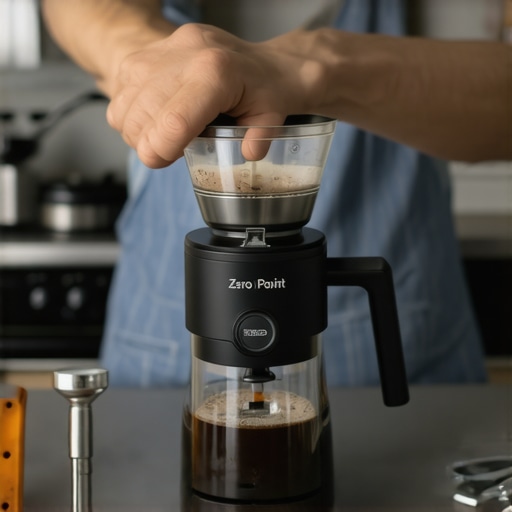
Before anything else, turn off your grinder and unplug it. Remove the hopper and clear out any loose coffee grounds from the burr chamber. Use a soft brush or a vacuum hose to gently dislodge stuck debris, much like clearing dust from a camera lens. This helps eliminate any buildup that might cause vibrations and noise, restoring smoother operation.
Align Burrs for Quiet Performance
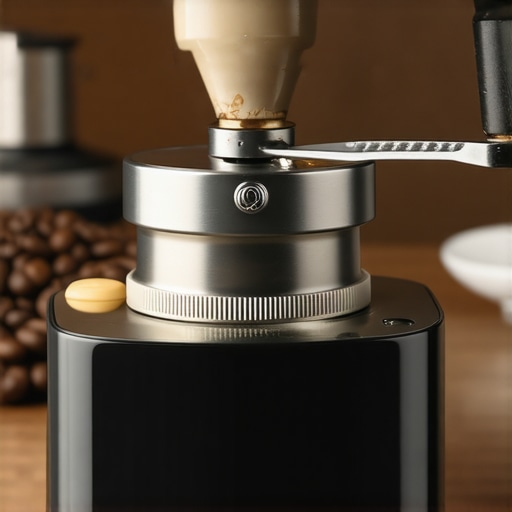
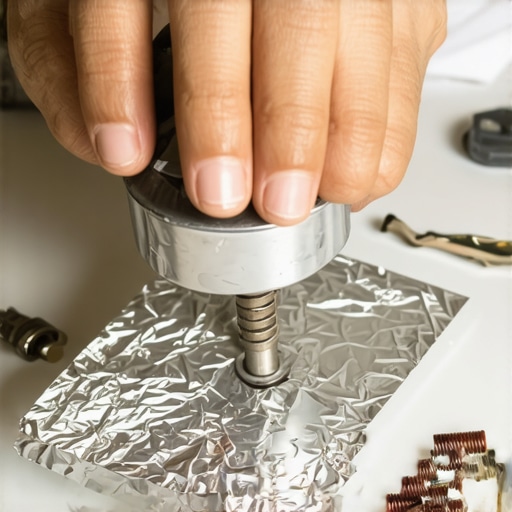
Next, inspect the burrs for misalignment. Loosen the adjustment ring (you can find helpful tips in this guide) and carefully re-position them so they sit flush and parallel. Think of it like tuning a musical instrument; precise alignment ensures harmonious grinding and reduces unwanted vibrations. During my first adjustment, I used a small paper shim to perfect the alignment, which resulted in a noticeable decrease in noise and improved grind consistency.
Reassemble and Test Slowly
Once aligned, reassemble the hopper and run a small batch of coffee beans. Observe the grinding sound; it should be significantly quieter. If you still hear high-pitched creaks or squeaks, check for loose screws or parts, as vibrations can cause these noises to amplify. Tighten any loose components and repeat the test. Proper reassembly is crucial—think of it like putting together a LEGO set; every piece must click into place for optimal function.
Implement Regular Maintenance to Prevent Noise
Finally, schedule routine cleanings and inspections. Regularly lubricate the adjustment ring and burrs with food-safe lubricant (if recommended by the manufacturer), and replace worn-out parts promptly. This proactive approach prevents misalignment and buildup, keeping your grinder silent and efficient, much like routine servicing of a car ensures a smooth ride. Over the years, I learned that a well-maintained grinder not only runs quietly but also extends its lifespan, saving money in repairs.
Many home baristas operate under assumptions about milk frothers, espresso machines, and grinders that can limit their potential. One widespread myth is that expensive gear guarantees perfect espresso every time, but in reality, mastery lies in skilled technique and understanding nuanced settings often overlooked by beginners. For example, plenty of enthusiasts believe that higher wattage or more complicated features automatically lead to better brewing, yet this can sometimes cause overcomplexity and neglect essential calibration skills.
How Does Equipment Maintenance Affect Coffee Quality Beyond Basic Cleaning?
Proper maintenance involves more than just regular cleaning; it includes precise calibration, understanding component wear, and recognizing when to replace parts to prevent flavor contamination or mechanical failure. A common oversight is neglecting the grinder’s burr alignment, which subtly deteriorates grind consistency over time, leading to bitter or sour shots. According to expert analysis, even minimal misalignment can significantly alter extraction, underscoring the importance of periodic checks—more than a simple visual inspection. If you’re serious about elevating your home brewing, integrating advanced maintenance routines can be a game-changer. Connecting the dots between equipment condition and flavor profiles reveals that neglecting these nuances often results in subpar results regardless of technical prowess. Don’t fall into this trap, and remember that routine knowledge combined with vigilant upkeep can make a substantial difference. Have you ever fallen into this trap? Let me know in the comments. By understanding these hidden intricacies, you can avoid common pitfalls and truly master your coffee setup rather than just relying on seemingly advanced gear. This approach not only improves the taste but also prolongs your equipment’s lifespan, ensuring consistent quality shot after shot.
Investing in Reliable Tools for Consistent Results
To keep your home espresso setup in top shape, investing in quality tools is essential. A calibrated digital scale, like the Acaia Lunar, offers precision that ensures your doses are consistent, directly impacting shot quality. I personally rely on this scale because it syncs with their app, helping me track bean usage and maintain calibration over time. Additionally, a high-quality burr brush, such as the Barista Hustle Burr Brush, makes routine cleaning quick and thorough, preventing buildup that can cause uneven extraction or noise in your grinder.
Regular calibration of your espresso machine’s temperature and pressure settings is also vital. While many gravitate toward fancy software, I recommend manually checking the pump rattling and pressure gauges to catch issues early. This hands-on approach allows you to feel more confident in your machine’s performance and extend its lifespan.
Mastering Maintenance for Longevity
Routine maintenance doesn’t have to be complicated. I suggest setting a monthly schedule for descaling your espresso machine—using descaling solutions recommended by the manufacturer—not just water. Descaling prevents mineral buildup that can hinder heating efficiency and cause long-term damage, aligning with insights from the Specialty Coffee Association’s cleaning protocols. For grinders, periodic replacement of worn burrs is crucial. I recommend checking your burrs’ sharpness every 5kg of beans and swapping them out promptly to maintain optimal grind consistency. Sometimes, a minor upgrade, like switching to hybrid burrs, can revolutionize your ability to brew delicate light roasts without choking.
How do I maintain my equipment over time?
Consistent inspection and cleaning are your best friends. For example, regularly check the portafilter gasket for wear and replace it before leaks develop. Keep your steaming wand clean by backflushing with a dedicated cleaning solution—this prevents milk residue that could cause spattering or pressure drops. To troubleshoot persistent noise or vibration, review your equipment’s calibration and alignment periodically, as discussed in this resource. Adopting these habits helps ensure that your gear delivers consistent, high-quality results year after year.
Future Trends in Home Espresso Maintenance
Looking ahead, smart diagnostics and IoT integrations are becoming more prevalent. Imagine a future where your grinder or espresso machine automatically alerts you to worn burrs or descaling needs via an app. Keep an eye on upcoming advancements—they’ll likely make maintenance even more intuitive. For now, I recommend upgrading your routine with tools like precision scales and sticking to a regular cleaning schedule, making your espresso journey smoother and more satisfying. Want a quick win? Try calibrating your grinder with the paper shim method and see immediate improvements in your espresso’s clarity.
What I Wish I Knew Before Ignoring the Chirping
One of the most valuable lessons I learned was that strange noises from my grinder aren’t just quirks—they’re indicators. Ignoring that chirping sound cost me both time and quality, emphasizing the importance of early diagnosis. Recognizing these signals early on saved me from expensive repairs and improved my espresso consistently.
Another insight was the power of precise burr alignment. It took me a few attempts to perfect my technique, but once aligned, I noticed immediate improvements in grind uniformity and noise reduction. Patience and attention to detail are crucial, especially with flat burr systems.
Finally, routine maintenance might seem tedious, but it’s a game-changer. Proactively cleaning, lubricating, and checking components extended my grinder’s lifespan and kept it whisper-quiet. Embracing a regular maintenance schedule turned my grinder from a troublesome device into a reliable partner in coffee craftsmanship.