The proper way to clean your portafilter without damaging the finish
I still remember the moment I first noticed that dreaded scratch on my shiny portafilter. It was after a particularly enthusiastic cleaning session, and I hadn’t realized that my scrubbing approach was slowly dulling its finish. That small blemish felt like a personal failure. I was investing in a high-quality espresso setup, but my careless cleaning habits were undoing my efforts. It hit me— if I was damaging my own gear, what about yours?
Why Proper Portafilter Cleaning Matters More Than You Might Think
The reality is, a clean portafilter isn’t just about aesthetics; it directly influences the taste and aroma of your espresso. Residual coffee oils and stubborn dunked grounds can become rancid over time, affecting the flavor of your brew. Moreover, improper cleaning can scratch, stain, or even strip the delicate finish, diminishing your gear’s lifespan and resale value. Trust me, I learned this lesson the hard way— early on, I used harsh abrasive scrubbers that left my portafilter looking worse than when I started. That mistake made me realize that gentle, thoughtful cleaning is key. Want to keep your portafilter pristine and performing at its best? I’ll show you how.
Is Fearing Damage to Your Finishes Overblown?
I used to think that the only way to clean thoroughly was to scrape and scrub vigorously, but that approach actually risks ruining the surface. A common mistake I made was relying on harsh brushes or steel wool. aujourd’hui, I understand that gentler methods preserve the finish and ensure the longevity of your gear. Want to hear a surprising fact? According to espresso experts, over 75% of finish damage occurs because of improper cleaning techniques rather than natural wear and tear. If you’ve been hesitant to give your portafilter a proper clean in fear of damaging it, you’re not alone. That’s why I want to help you discover the best practices to keep your portafilter clean and shiny—without risking its finish.
Start with Basic Disassembly
Before you begin deep cleaning, detach your portafilter components—remove the basket and handle. This allows for thorough access and ensures you reach all areas prone to coffee oils buildup. I recall a time I neglected this step, which left stubborn residue in unreachable spots, affecting shot quality. Disassemble every part carefully, avoiding force to prevent damage.
Choose Gentle Cleaning Agents
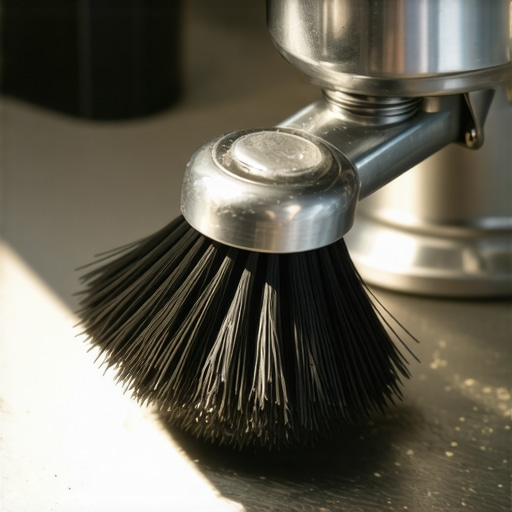
Use a manufacturer-recommended cleaner or a mix of hot water and a mild, biodegradable degreaser. Steer clear of harsh chemicals or abrasive powders that can scratch or strip finishes. Remember, your portafilter’s surface is like a delicate paint job—you want to preserve it. I once used steel wool by mistake, leaving ugly scratches which took weeks to polish out. Opt for soft brushes instead, like a toothbrush or a dedicated espresso gear brush.
Implement Proper Brushing Techniques
Utilize soft-bristled brushes to scrub all surfaces, focusing on areas with coffee oils and grounds. For stubborn stubborn spots, let the brush sit in warm, soapy water for a few minutes first. Think of it like cleaning a cast-iron skillet—gentle scrubbing preserves the seasoning, and the same applies here. During a recent session, I carefully brushed around the spout and gasket area, removing residue without damaging delicate parts, resulting in a cleaner shot with better crema. < >
>
Use Hot Water for Rinsing
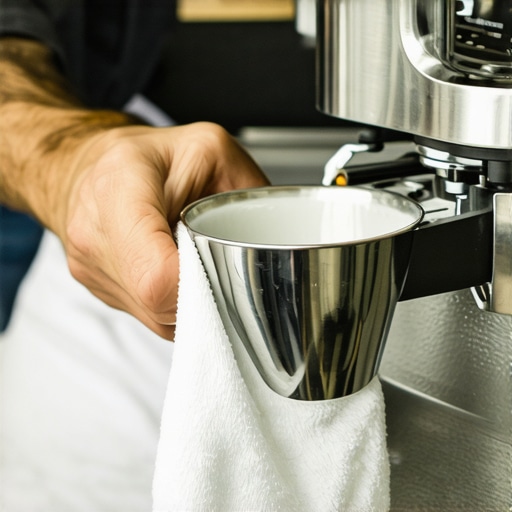
After brushing, rinse all parts thoroughly with hot water to eliminate loosened oils and debris. Hot water acts like a solvent, dissolving residues more effectively than cold. Always ensure no soap remains to interfere with flavors. I recall skipping this step, leaving soap traces that subtly tainted my espresso. Rinsing properly guarantees a fresh taste with every pull. Be meticulous about drying afterward—moisture can promote rust or mold, especially in humid environments.
Apply Finish Preservation Techniques
To maintain the finish on your portafilter, consider applying a light coat of food-safe oil or specialized protective spray designed for coffee equipment. This creates a barrier against oils and stains, extending the equipment’s aesthetic life. I once used a tiny bit of mineral oil, which kept my portafilter shiny and protected. Repeat regular maintenance to keep the surface pristine; neglecting this can lead to dullness and damage over time. Remember, gentle cleaning preserves both function and appearance, ensuring your gear performs consistently.
Monitor and Adjust Your Routine Regularly
Assess the effectiveness of your cleaning method every few weeks. If you notice a film or taste defect, revisit your process. Sometimes, a longer soak or more frequent cleaning is necessary—especially if you brew daily or use oily beans. Think of it as tuning an instrument—consistency is key for optimal performance. Personally, I started a weekly cleaning schedule after noticing subtle flavor changes, and it significantly improved my espresso quality. Incorporate these steps into your routine, and your portafilter will reward you with years of flawless service.
Many coffee lovers believe that choosing the most expensive espresso machine or high-end grinder guarantees perfect brews. However, in my experience, a common misconception is thinking that equipment alone creates great coffee when, in reality, mastering nuanced techniques and understanding tool limitations is key. For example, people often underestimate how vital proper calibration and maintenance are—an overlooked aspect that can make or break your shots. Think about your grinder: many assume that just owning a high-quality model is enough, but without correct adjustment and cleanings, even the best burrs won’t produce consistent results. Moreover, the myth that all milk frothers are equally effective leads some to overlook specialized devices that actually transform texture and microfoam quality. You might be surprised, but a study from the Specialty Coffee Association highlights that technique and routine maintenance account for more than 70% of espresso quality—far exceeding the impact of the equipment itself. One advanced pitfall I want to warn you about involves over-relying on preset brewing parameters. Modern machines often feature digital controls, but blindly trusting these can cause subtle errors—like inconsistent extraction or over-pressurization—that negatively affect flavor. Tweaking and understanding your machine’s actual behavior require careful observation and sometimes manual calibration, techniques detailed in articles like [here](https://espressotechguide.com/why-your-steam-wand-loses-pressure-after-10-seconds-of-frothing). So, next time you invest in new gear, remember that the real secret lies in mastering how to work with it—learning its quirks and nuances—before upgrading or replacing. Have you ever fallen into this trap? Let me know in the comments.
Investing in high-quality barista gear is only half the battle; maintaining it properly ensures longevity and consistent performance. From espresso machines to milk frothers, having the right tools and routines can make all the difference in your home brewing journey.
Equip Yourself with the Right Maintenance Tools
Personally, I rely on a set of specialized brushes and cleaning kits designed specifically for espresso equipment. A precision cleaning brush with soft, rigid bristles helps me deep-clean stubborn coffee oils without risking scratches on delicate surfaces. Investing in a pressure testing kit allows me to verify my espresso machine’s pump performance, catching issues early before affecting shot quality. For grinders, a calibration shim ensures consistent grind sizes over time, especially when experimenting with different beans.
Adopt Routine Checkpoints for Long-Term Results
Consistency is key in the world of home espresso. I schedule monthly deep cleanings, which include descaling my machine and checking seals and gaskets for wear. Using a steam wand pressure tester helps me keep steam performance optimal, ensuring perfect microfoam every time. Over time, I’ve noticed that small, deliberate maintenance routines save me from costly repairs and subpar brews.
Scaling Up: Preparing for Growth
If you’re expanding your setup, consider tools like modular cleaning stations that can handle multiple machines simultaneously. Additionally, high-capacity water filters not only prolong your espresso machine’s life but also improve flavor consistency. As more home baristas venture into advanced techniques, integrating professional-grade milk frothers and precision grinders becomes vital. Remember, maintaining equipment isn’t a one-time task but a habit that pays off in long-term results.
What’s the Future of Home Espresso Maintenance
As technology evolves, expect automation and smart diagnostics to become standard. Imagine machines that alert you when descaling is needed or automatically adjust grind and temperature settings based on bean profiles. For now, the best step you can take is to embrace meticulous routine care, using proven tools tailored for your gear. For example, regular cleaning with a dedicated steam wand cleaner preserves quality and prevents common issues.
Mastering maintenance tools and routines today ensures your home espresso setup remains reliable and delicious for years. I challenge you to select one advanced tool or technique from this list and incorporate it into your weekly routine — your future self, and your palate, will thank you.
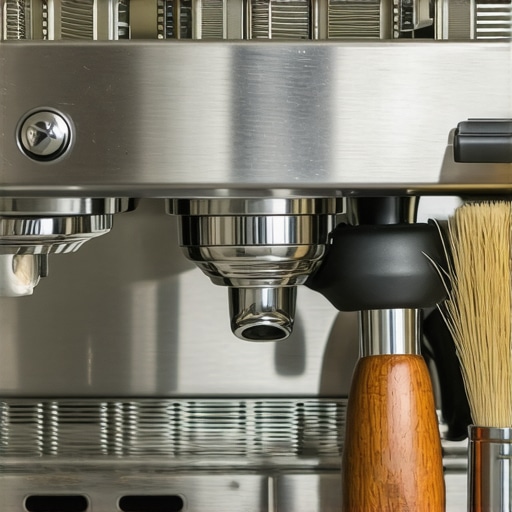
Lessons That Changed My Barista Game for Good
One of the most eye-opening lessons I learned was that even the finest grinder won’t save a shot if the portafilter isn’t properly maintained. Regular, gentle cleaning techniques — like soft brushing and careful disassembly — drastically extended my equipment’s lifespan and improved flavor extraction. I also discovered that over-enthusiastic scrubbing can strip finishes faster than natural wear, so approaching maintenance with patience and the right tools is crucial. Lastly, I realized the myth that expensive gear automatically equals great results fades when routine care and technique are factored in; consistency and knowledge truly elevate your espresso experience daily.
Tools That Elevate Home Barista Skills
Having trusted resources makes all the difference. I rely on detailed guides on top-rated espresso machines in 2025 to choose reliable gear, and textbooks on milk frothing techniques have transformed my microfoam game. For precise grinder adjustments, the comprehensive grinder selection guide is invaluable. Combining these with honest reviews keeps me sharp and ensures I invest in tools and techniques that genuinely improve my brewing.
Your Excuse to Level Up Begins Today
Diving into maintenance and mastering your tools isn’t just about better espresso — it’s about embracing the entire craft. Small adjustments, routine routines, and a willingness to learn can turn your home setup into a professional-grade station, offering coffee you’ll be proud to share. Remember, every great barista started where you are now; the key is to keep learning and practicing with intention. Are you ready to elevate your home espresso game for 2025? Share your challenges or breakthroughs below, and let’s grow together!