How to lubricate your lever machine seals in under ten minutes
It happened during a morning ritual I thought I had mastered. I was freshly awake, eager to enjoy my brew, when suddenly my lever machine squeaked loudly—like an annoyed door hinge. The worst part? That squeak wasn’t just annoying; it signaled that my seals might be dry, cracked, or worse, about to fail. Frustration bubbled up because I knew deep down I didn’t have time for lengthy maintenance routines, especially not before my first cup. That moment was my lightbulb moment: I needed a simple, fast way to keep my machine in top shape without sacrificing precious coffee time.
Why Regular Seal Lubrication Matters for Your Coffee Routine
Even the best espresso machines need a little TLC now and then. Seals are the unsung heroes—they keep water from leaking, pressure sealed, and the entire brewing process smooth. But they’re also one of the most overlooked components. When seals dry out or build up grime, you might notice weird noises, leaks, or inconsistent shot quality. More importantly, neglecting proper lubrication can lead to costly repairs and downtime. And let’s be honest: who has hours to dedicate to maintenance, especially when a fresh espresso is calling?
What I learned early on is that a quick, targeted lubricant application can make a massive difference. It’s a simple routine that takes less than ten minutes—seriously—that can extend the life of your seals and improve overall performance. Plus, it’s a good habit that prevents small issues from snowballing into big ones. If you want to keep your machine humming like a well-tuned barista, mastering this quick fix is key. Curious about how I achieved this in the least amount of time? Stick around—you’re about to see how easy it really is.
Is Lubricating Seals Really Necessary or Just Hype?
Early in my coffee journey, I thought seal lubrication was unnecessary fancy maintenance—until I made a rather embarrassing mistake. I ignored the squeal, assuming it was just a minor annoyance. Fast forward a few weeks, and my machine started leaking during pulls, and shots became uneven. Turns out, neglecting simple lubrication can drastically affect taste and machine health. According to industry experts, regular upkeep—including seal lubrication—not only preserves machine longevity but also ensures better extraction quality (source).
Now, I never skip this step, and I want the same for you. If you’ve faced similar problems—struggling with noisy operation or weird leaks—this quick maintenance routine can be your saving grace. Ready to get your machine running smoothly without taking hours? Let’s dive into the quick steps that will keep your seals in top shape, allowing you to enjoy perfect espresso every time.
Prepare Your Workspace and Gather Supplies
Start by turning off your espresso machine and unplugging it. Remove the water tank and any detachable parts to access the seals easily. Gather a food-grade silicone-based lubricant specifically designed for appliances. Avoid regular vaseline or petroleum jelly as they can damage seals. Keep a clean cloth and a small brush handy for cleaning.
Clean the Seals and Surrounding Areas
Use the brush and cloth to remove any coffee grounds, grime, or dried residue from the seals and their grooves. This step ensures the lubricant adheres properly and prevents dirt from causing leaks or squeaks. Pay close attention to tight corners and edges. For stubborn grime, dampen the cloth slightly but avoid soaking electronics or electrical components.
Apply the Lubricant Correctly
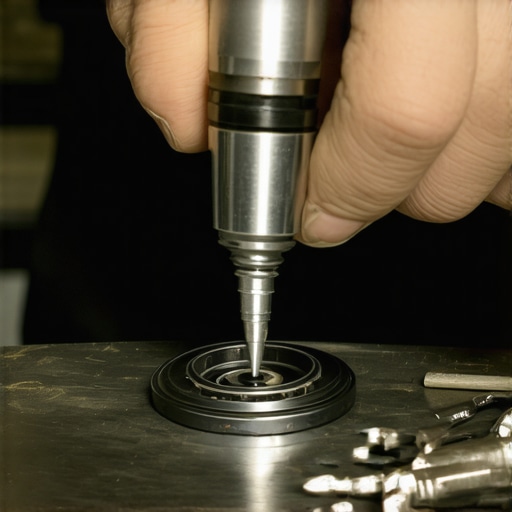
Dispense a small amount of lubricant onto your fingertip or a cotton swab. Gently spread a thin layer around the exterior edge of the seal, ensuring complete coverage without over-application. Think of it like giving the seal a skincare routine—you only need a light touch. During my first attempt, I used too much lubricant, which made the area greasy and attracted more dust, leading to worse squeals. Learning to use just enough was a game-changer.
Reassemble and Test the Machine
Carefully reattach the cleaned parts. Refill the water tank and plug in the machine. Turn it on and run a short brew cycle without coffee to circulate the lubricant through the seals. Listen for reduced squealing and check for leaks. If noises persist or leaks occur, repeat the cleaning and reapplication process, ensuring no excess lubricant remains.
Integrate a Regular Maintenance Routine
Mark your calendar to repeat this lubrication every 3–6 months, depending on usage. Regular upkeep prevents dry seals, reduces squeaking, and extends your machine’s lifespan. Remember, a well-maintained seal acts like a reliable door hinge, smooth and quiet. After practicing these steps once, I was able to do the entire process in under five minutes, saving me time and money on repairs.
Consult Your Equipment Manual and Experts
Every machine has unique requirements. For specific procedures or lubricant recommendations, visit the manufacturer’s website (contact us) or check your owner’s manual. When in doubt, professional service technicians can assist with deeper issues. Proper maintenance not only preserves your machine’s performance but also keeps your mornings stress-free and your coffee consistently delicious.
Many home baristas believe that owning high-end equipment guarantees professional-level espresso, but the truth is more nuanced. A common misconception is that more expensive gear automatically produces better results; however, without understanding the intricacies of grind size, tamping technique, and machine maintenance, even the priciest machines can underperform. For instance, specifically choosing a grinder with consistent particle size—rather than just a powerful motor—is often overlooked but critical for shot quality (source).
Another frequent mistake involves milk frothing: many assume that merely using the right foam-to-liquid ratio is enough. Yet, advanced baristas know that milk temperature and pitcher angle significantly influence foam stability, microfoam quality, and even the tiny bubbles that give latte art a professional finish. Without mastering these subtle variables, your drinks might look good but lack that creamy, velvety texture expected in cafes. Check out this guide for deeper insights.
Regarding espresso machines, a critical oversight is neglecting regular calibration of pressure and temperature settings. Many owners rely on factory defaults, unaware that even slight deviations can result in sour or bitter shots, particularly with different bean types or roast levels. Skilled users monitor shot feedback and make micro-adjustments, optimizing flavor extraction. Additionally, a well-maintained machine isn’t just about cleaning; paying attention to components like the group gasket and shower screen yields more consistent results (learn more).
The hidden nuance most enthusiasts overlook is the importance of understanding grind particle shape and its impact on water flow. Many focus solely on grind size, but the shape of the particles can influence channeling and uneven extraction. Using a burr grinder with sharp, well-maintained burrs produces uniformly shaped particles, ultimately translating into more balanced shots. Regularly inspecting burrs for dullness and alignment ensures your grinder performs at its best (see why this matters).
Finally, embracing experimentation with small adjustments makes a world of difference. Rigidly adhering to presets can hinder your progress. Instead, keep detailed notes of each change to learn how variables interact. Remember, mastering the art of home espresso involves understanding its subtle nuances—it’s a game of patience and attention to detail. Have you ever fallen into this trap? Let me know in the comments, and share your experiences so we can grow together in this craft.Maintaining your home espresso setup doesn’t have to be a chore full of guesswork. Over the years, I’ve tested and relied on specific gear and routines that keep my machine performing at its best for years to come. One essential tool I swear by is a digital pressure gauge, which enables precise calibration of brew pressure without guesswork, ensuring consistently perfect shots—no more relying solely on factory defaults or subjective taste. Pair this with a high-quality burr grinder like the Baratza Virtuoso+; its consistent particle size and ease of calibration have significantly improved my extraction control, a crucial factor often overlooked by beginner baristas (source). Regular cleaning supplies also matter. I use a dedicated espresso machine brush and branded cleaning tablets that dissolve stubborn coffee oils without damaging seals or metal parts, extending the machine’s lifespan and improving flavor. These tools become part of my weekly routine, with dedicated slots in my coffee station to streamline the process. For milk textured microfoam, I rely on a high-quality, variable-temperature steam wand controller—allowing precise argument of milk temperature and texture, dramatically reducing waste and inconsistent foam I used to deal with. Looking ahead, I see automation gaining ground—smarter PID controllers and IoT-connected maintenance alerts. Devices like these could diagnose issues before they cause noticeable performance drops, saving both time and money.
How do I maintain my espresso tools over time?
The key is consistency. Regularly check and calibrate your grinder burrs and the pressure gauge monthly, ensuring calibration drift doesn’t go unnoticed. Use a rubber gasket scraper and cleaning solutions designed for ECM-compatible machines to prevent buildup in the group head and shower screen. This proactive approach prevents common issues like channeling or uneven shots (learn how improper maintenance affects extraction quality). Incorporate scheduled deep cleans and lubricant reapplications to seals, especially after long periods of non-use. Yes, this might sound labor-intensive, but I’ve found that setting a recurring reminder every 3–6 months keeps my gear performing reliably. It’s worth every minute, especially when a perfect shot becomes a quick, consistent routine rather than a daily stressor. Try integrating one advanced tip—like using a digital pressure gauge—to elevate your maintenance game. The future of home espresso involves smarter, more connected tools that can diagnose issues early, ensuring your morning routine remains flawless.
Lessons Learned from the Front Lines of Home Espresso
One of the most eye-opening revelations was realizing how a tiny, overlooked component like the seal can make or break my entire experience. I used to ignore squeaks and leaks, thinking they were minor annoyances—until I faced costly repairs and bitter-tasting shots. That moment made me understand that consistent seal maintenance isn’t just about avoiding breakdowns; it’s about preserving the essence of that perfect espresso shot.
I also learned that patience and attention to detail pays off. Applying a tiny amount of the right lubricant and cleaning seals regularly transformed my machine’s performance. These small routines, once dismissed as tedious, now feel like essential rituals that maximize flavor and longevity. If you’re serious about elevating your home coffee game, embracing these insider habits can be the game-changer you need.
Beyond technical tips, I discovered that understanding my gear’s unique needs—like consulting the manual or trusted sources—prevents unnecessary headaches. Tailoring maintenance routines to your specific machine ensures consistent results and longer lifespan. Remember, the true art lies in the consistency and care you put into every detail.
My Arsenal of Tools for Long-Term Espresso Excellence
Over time, I gathered a few indispensable tools that transformed my maintenance routine. A high-quality food-grade silicone lubricant tailored for appliances, like the ones recommended in our starter guide, has been a revelation—easy to apply and effective. A dedicated espresso machine brush keeps seals and grooves spotless without scratching delicate components, and a small magnifying glass helps me spot wear or dirt I might miss otherwise.
For precise calibration, I rely on a digital pressure gauge, which eliminates guesswork and helps me fine-tune brew pressure effortlessly. Additionally, I keep a supply of cleaning tablets and soft cloths specifically designed for espresso tools. These investments in quality tools and supplies ensure that my machine runs smoothly and that each shot is as good as the last, reinforcing the importance of proactive, informed care.
Push Your Machines Further—Your Coffee Deserves It
Remember, the journey to exceptional home espresso isn’t a sprint; it’s a continuous process of learning and refining. Take the time to incorporate seal lubrication into your routine—your machine and taste buds will thank you. The future of home brewing is exciting, with smarter tools and personalized setups making perfection more attainable than ever. So, why not start today? Your next great cup could be just a small maintenance step away.
What’s the one maintenance habit that transformed your coffee experience? Share your stories below—I’d love to hear what worked best for you!