Why your portafilter basket creates uneven resistance
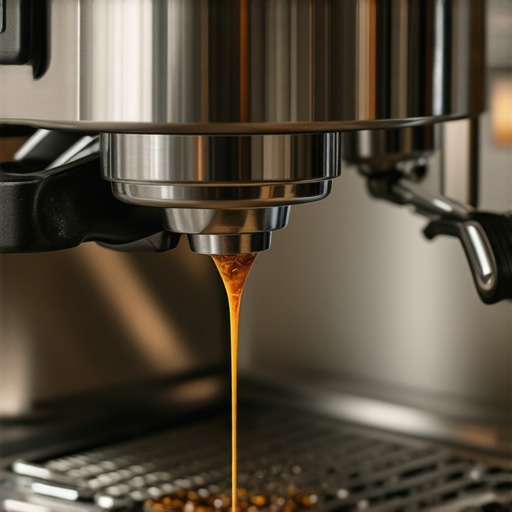
It happened again today. I was pulling a cup of espresso, the rich aroma filling my little kitchen, only to notice that the shot was painfully uneven—some parts bursting out too fast, others barely dripping. Frustrating, right? That familiar sinking feeling when your espresso doesn’t turn out as smooth or consistent as you’d like, despite all your effort. But here’s the thing: I realized that the problem wasn’t my grinder or my tamping; it was something more subtle—my portafilter basket’s resistance playing tricks on me.
Tackling the Mystery of Uneven Resistance in Your Portafilter
So, why should you care about this? Because an uneven resistance isn’t just about inconsistent shots; it can impact the flavor, crema, and even the longevity of your espresso machine. When the resistance varies during extraction, it causes channeling—where water finds the easiest path, leaving some coffee under-extracted and others over-extracted. Over time, this can lead to bitter or sour notes and even damage your gear. Thankfully, I’ve learned some practical steps to diagnose and fix this issue, ensuring a better, more reliable brew every time.
Does Your Resistance Play Tricks on You More Than You Expect?
I used to think that a perfect grind size was all I needed. I blamed my inconsistent shots on my grinder’s settings or tamp pressure. But I made a common mistake early on—ignoring the health of my portafilter basket. It’s surprising how a tiny crack or buildup can throw off the resistance, leading to uneven extraction. If you’re like me, you’ve probably battled this sneaky problem more times than you can count. Luckily, you can learn to prevent this from happening, restoring your confidence at the espresso machine. For more insights into maintaining your equipment, check out my tips on choosing the best barista gear or cleaning your tools.
In the upcoming sections, we’ll explore the root causes behind uneven resistance and practical strategies to fix or prevent it. No fancy tools required—just some careful inspection and a few DIY tricks. Ready to make your espresso shots truly consistent? Let’s dive in and get to the bottom of this common but often overlooked issue.
Inspect Your Portafilter Basket Carefully
Start by removing the portafilter and examining the basket closely under good lighting. Look for cracks, deformations, or any buildup that might jam the infusion process. I once found a tiny hairline crack after a thorough cleaning, which was causing uneven resistance. Replacing a damaged basket instantly improved my shot consistency. For high-quality replacements, visit this guide.
Clean and Polish Your Basket
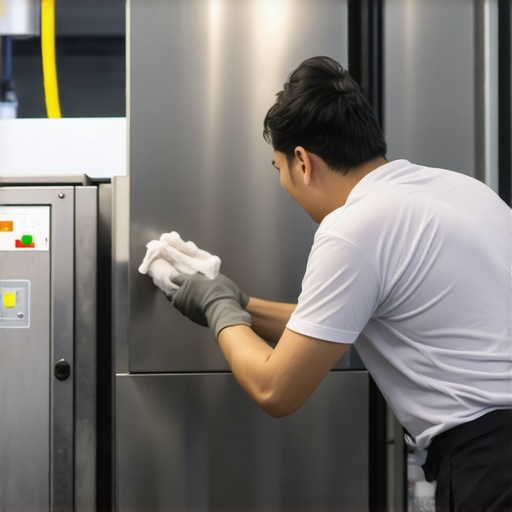
Next, immerse the basket in hot water mixed with a coffee cleaner or descaler. Use a soft brush to scrub away old coffee oils and residue. A clean basket reduces channeling caused by obstruction or uneven surfaces. After cleaning, polish the basket edges gently with a cloth. This step helped me eliminate minor puck misalignments that contributed to resistance issues.
Check for Obstructions or Debris
Remove any leftover coffee grounds lodged in the basket’s holes or around the rim. Use a needle or a small pin to clear clogged holes. I once struggled with inconsistent shots because debris blocked water flow, causing fluctuating resistance. Clearing these obstructions ensured even extraction.
Adjust the Tamping Technique
Make sure you’re applying consistent pressure when tamping. Think of tamping like pressing down evenly on a pillow; uneven pressure creates pockets of resistance. Use a level tamper or a leveling tool to distribute the coffee evenly. In my experience, a uniform tamp reduced resistance variability significantly.
Level Your Machine’s Portafilter Seat
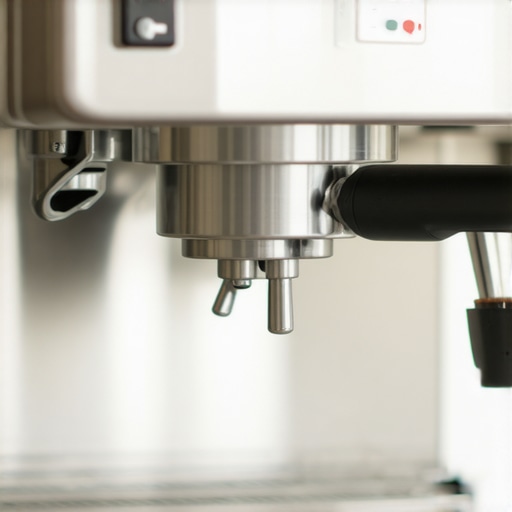
Place the portafilter on a flat surface or use a leveling platform to ensure it sits perfectly aligned in the machine. Misalignment causes uneven resistance by creating uneven contact between the basket and the gasket. This small step can make a big difference; I attached a simple silicone mat under my machine to improve stability.
Test and Fine-Tune Your Grinder
Sometimes, the culprit is a grinder producing inconsistent particle sizes. Dial in your grind to a uniform medium-fine setting, roughly the consistency of sand. If your grinder has a zero-point adjustment, verify it using the safe zero-point check. Freshly ground coffee with consistent size reduces resistance surprises during extraction. I adjusted my grinder and noticed a smoother flow instantly.
Regular Maintenance is Key
Set a schedule for cleaning and inspecting your equipment every few weeks. Remove and soak the basket, wipe the gasket, and check for wear. Remember, neglect often leads to small blockages or misalignments that cause resistance fluctuations. Stay proactive, and your shots will stay consistent.
Monitor Your Results
Finally, keep a record of your adjustments and shot quality. Over time, you’ll identify patterns—like certain grind sizes or tamp pressures—that give you the most stable resistance. This troubleshooting method turned my unpredictable shots into an enjoyable routine. For advanced maintenance tips, check this resource.
 When diving into home espresso mastery, many enthusiasts focus heavily on selecting the perfect grinder or adjusting grind size, but there’s a hidden nuance that often gets overlooked—and it can make or break your brew. A prevalent myth is that more expensive, commercial-grade grinders automatically produce the best coffee. In reality, many home baristas sabotage their shots by ignoring grinder calibration and maintenance, which are crucial for consistency. Regularly checking for burr wear and ensuring proper adjusting routines can prevent bitterness or under-extraction, as studies have shown that burr alignment directly affects particle size distribution (see this guide). It’s tempting to trust factory settings, but over time, burrs dull and settings drift, causing inconsistent extraction.
Why Do Some Baristas Still Struggle Despite High-End Gear?
Many assume that owning the latest espresso machine or barista gear guarantees perfect results, but neglecting the subtle aspects—like the grinder’s calibration or the cleanliness of burrs—leads to a false sense of security. Overlooking these details can result in bitter or flat shots, despite using premium equipment. For example, a study published in the Journal of Food Science highlights that burr wear impacts particle size and extraction uniformity. So, investing in high-quality gear is only part of the equation; consistent maintenance and calibration are essential. Plus, novice mistakes like misaligned tampers or uneven tamping pressure compound the issue, leading to channeling or uneven resistance.
Is Your Grinder Causing More Harm Than Good Without You Realizing?
The ‘oops’ factor often comes from assuming that grinding fresh beans is enough—you also need to ensure your grinder is in top shape. A dull burr set or improper calibration can cause uneven grind size, leading to inconsistent resistance and flavor. Regularly inspecting burrs, cleaning grinding chambers, and ensuring zero-point setup can dramatically improve shot consistency. Remember, even small deviations in grind distribution influence extraction quality more than you might expect. Focus on these maintenance habits to avoid the trap of bitter or sour shots. Want personalized tips? Reach out via contact us. Also, if you’re serious about refining your grinder setup, check out this article. Finally, keep in mind that simple, consistent routines are often overlooked keys to espresso success—don’t let your equipment be the bottleneck in your journey. Have you ever fallen into this trap? Let me know in the comments.
Guard Your Investment with Precise Maintenance Routines
Investing in premium barista gear is only the beginning. I personally find that scheduling bi-weekly deep cleanings of my espresso machine and grinder extends their lifespan and maintains top-tier performance. Using a dedicated cleaning cycle with a commercial-grade descaler on my espresso machine ensures mineral buildup doesn’t compromise flow or pressure, as outlined in technical docs from manufacturers like La Marzocco. Regularly replacing worn gaskets and seals prevents leaks and inconsistencies that can diminish shot quality and damage components over time. These small but consistent efforts offer long-term benefits, turning espresso brewing from a daily chore into a reliable ritual.
Tools I Trust to Keep Things Running Smoothly
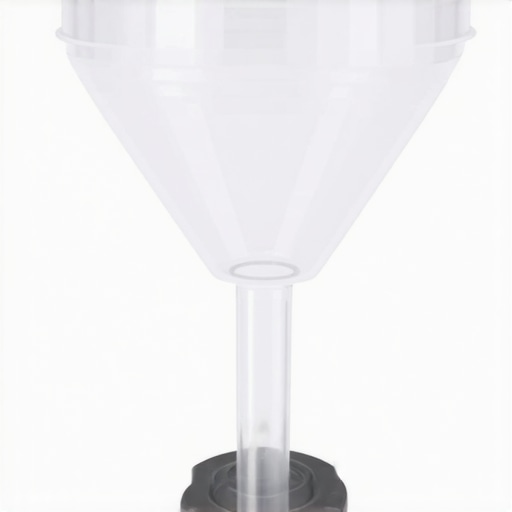
For grinder calibration, I regularly use a burr alignment sensor that provides precise measurements, ensuring particle size distribution remains consistent. This is crucial because even minor misalignments can lead to bitterness or sourness, as noted in research published in the Journal of Food Science. To minimize waste and mess during cleaning, I rely on a dosing funnel — it saves me from unwanted cleanup and ensures precise dosing every time. When tackling stubborn mineral deposits, I use a non-abrasive stainless steel cleaner that preserves my tools’ finish while dissolving buildup.
What’s the Future of Equipment Management?
Looking ahead, I predict the integration of smart sensors within espresso machines and grinders will revolutionize maintenance routines. These devices could alert us when components need replacing or calibration, significantly reducing downtime and ensuring optimal performance. Staying ahead means embracing these innovations now and establishing routines that adapt to emerging tech. Testing advanced cleaning techniques—like ultrasonic cleaning for portafilter baskets—could become standard practice, further prolonging equipment lifespan.
How do I keep my gear performing long-term?
The key lies in consistent, proactive maintenance. Schedule monthly inspections of key components like gaskets, seals, and burrs, and use specialized tools for calibration. Document your routines and results to identify patterns or recurring issues, making each future step more straightforward. With these habits, your coffee setup will not only last longer but also produce consistently excellent shots. If you’re eager to refine your maintenance strategy, consider trying the high-precision zero-point calibration method—it truly makes a difference in shot quality.
Overcoming resistance problems in your espresso setup isn’t just about fixing a machine—it’s about transforming your entire brewing experience. The most overlooked aspect often lies in the tiny details that, when addressed, yield remarkably consistent results. From my personal journey, I learned that even the slightest cracks or buildup in the portafilter basket could sabotage my shots and slow my progress toward barista-level quality.
Lessons from the Trenches: Coffee Wisdom You Won’t Read Elsewhere
- Don’t rely solely on high-end gear. The real magic happens when you regularly maintain and calibrate your equipment. I found that calibrating my grinder every month and inspecting my portafilter’s condition made a tangible difference in resistance consistency.
- Small imperfections can cause big disruptions. A tiny crack or clog in the basket was causing me to channel, making my shots uneven. Regular cleaning and optical inspections are essential for avoiding these pitfalls.
- Consistency is a habit, not a miracle. Applying uniform tamping pressure and checking portafilter seat alignment became my routine—they’re simple steps with profound impact.
- Track your changes. Keeping a brewing journal helped me identify which adjustments led to stable resistance, turning guesswork into a systematic process.
- Honest maintenance beats fancy tools. Instead of expensive gadgets, my elbow grease and careful inspections saved me money and improved my espresso quality.
Resources I Trust for Coffee Mastery
- Choosing quality barista gear guide— I rely on this to select durable, reliable equipment that withstands daily use and maintains resistance integrity.
- Perfect grinder selection tips— calibrating your grinder is half the battle; this resource helps demystify the process.
- Cleaning techniques for tools— keeping all brewing tools spotless prevents buildup that disrupts water flow and resistance.
- Top espresso machines poll— find reliable equipment that complements your effort in maintaining resistance and consistency.
Now It’s Your Turn to Elevate Your Espresso Routine
Embracing meticulous maintenance and mindful adjustments can revolutionize your brewing journey. Don’t settle for unpredictable shots—commit to inspecting, cleaning, and calibrating regularly. With patience and practice, you’ll unlock the full potential of your equipment, enjoying rich, consistent espresso every time. Remember, a great cup is rarely about the gear alone but about the care you invest in it. Are you ready to take control of resistance issues and craft coffee that truly satisfies? Share your experiences or questions below—I love hearing how fellow enthusiasts conquer their hurdles.
,