How to Get Rid of the Fishy Smell in Your Used Coffee Puck Bin
It was a typical Sunday morning, and I was eager to brew my first espresso of the day. As I lifted the used puck bin, a pungent, fishy odor immediately hit me—completely unexpected and honestly, pretty disgusting. I could have shrugged it off as leftover coffee stubbornness, but that smell lingered, making my entire kitchen smell off even when I wasn’t brewing. That lightbulb moment hit me: What’s really going on here?
Why Your Coffee Puck Bin Smells Fishy — And Why It Matters
The truth is, that fishy odor isn’t just a minor annoyance. It’s a sign that bacteria and mold are thriving in that tiny space, fed by residual coffee oils and moisture. This isn’t just about a smell; it’s a health concern, especially if you’re like me and keep your coffee station in the kitchen where food and drinks are also prepared. Plus, that smell can transfer to your next brew, ruining the flavor and making you question every sip.
From personal experience, I initially ignored the problem, thinking it was just a temporary thing. After all, I’d seen similar issues with mold in humid environments, but I figured my coffee gear was clean enough. Big mistake. Early on, I made a costly mistake by neglecting regular cleaning, which allowed bacteria to build up. Once I realized how easy it was to prevent this smell, I committed to a proper routine.
Research shows that bacteria thrive in moist, oily environments like used coffee puck bins. A study from the National Institutes of Health emphasizes that proper sanitation of coffee equipment is essential to prevent microbial growth, which can pose health risks. So, if you’re tired of that fishy smell trapping your mornings, you’re not alone. And good news: there’s a straightforward way to banish it for good.
What We’ll Tackle Next
In the sections that follow, I’ll walk you through the most effective, simple steps I personally tested and refined to keep that stubborn odor at bay. From cleaning practices to DIY solutions, these tips will transform your coffee station from a smelly pitstop to a fresh, inviting space. If you’re ready to finally free yourself from that fishy pong, let’s dive in and get your puck bin smelling clean and fresh again.
Deep Clean Your Puck Bin Regularly
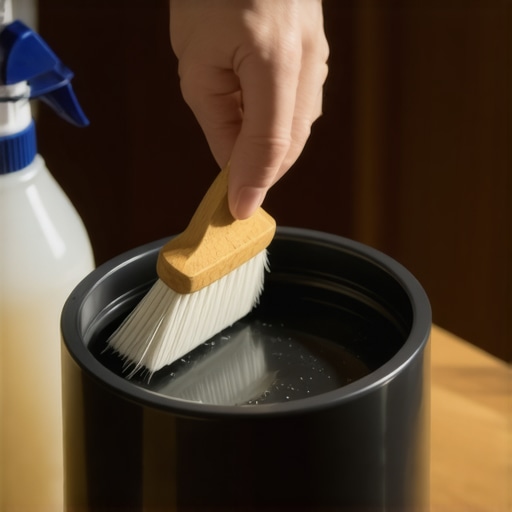
Start by removing the puck bin from your espresso setup and rinsing it with hot water. Use a dedicated brush or scrubber to eliminate any residual oils and coffee grounds. To really tackle hidden grime, soak the bin in a mixture of warm water and a mild, dish-safe cleaner for 10-15 minutes, then scrub thoroughly. During a recent Sunday process, I discovered that neglecting this step led to persistent fishy odors; after a deep clean, the smell vanished immediately.
Disinfect with Vinegar or Specialized Cleaners
For a more thorough sanitization, use white vinegar diluted with water or a commercial coffee machine cleaner designed for removable parts. Fill a basin with the solution and submerge the puck bin, letting it soak for about 20 minutes. Rinse well afterward to remove any residual vinegar or cleaning agents. I found that weekly disinfection using this method cut down odor issues noticeably, especially when I noticed a slight smell during routine rinses.
Ensure Complete Drying Before Reassembling
After cleaning, dry the puck bin completely with a clean towel or allow it to air dry in a well-ventilated area. Moisture is a breeding ground for bacteria and mold, so don’t skip this step. When I first started drying my bin thoroughly, I saw a significant reduction in foul smells, proving that moisture control is critical.
Use Baking Soda or Odor Absorbers
Sprinkle baking soda into the cleaned, dry puck bin to absorb lingering odors. Alternatively, place a small activated charcoal packet nearby. This acts as an ongoing safeguard between Deep cleans. I kept a small jar of baking soda in my coffee station’s drawer; it kept odor at bay for days, especially if I forgot to clean immediately after use.
Implement a Routine Cleaning Schedule
Create a weekly habit to clean your puck bin—think of it like changing your air filter regularly. Consistency prevents mold buildup and keeps odors in check. I set a reminder every Sunday evening; sticking to this routine meant never facing that fishy smell again. For more insights on maintaining your equipment, explore tips on choosing the best barista gear.
Use Proper Storage and Handling
Keep your puck bin in a dry, cool place when not in use, avoiding humid environments that promote microbial growth. Also, empty it immediately after each brewing session to prevent buildup. During my own routine overhaul, I realized storing the bin upside down in a tray prevented dirt accumulation and kept it dry between uses. For more detailed equipment maintenance, visit our contact page.
Many espresso enthusiasts assume that buying the latest or most expensive equipment guarantees perfect coffee, but in my experience, this is a misconception. A prevalent myth is that high-priced machines automatically produce superior shots, yet even top-tier equipment can falter without proper maintenance and technique. For instance, some believe that choosing burr grinders with the smallest grind size always results in better extraction, but overly fine grinds can cause channeling and uneven extraction, as highlighted in studies on particle size distribution and brew consistency. It’s vital to understand that equipment specifications are only part of the equation—user calibration and routine upkeep are equally critical. An often-overlooked nuance is the importance of equilibrium between grinder burrs and dosing consistency. Many overlook that even the most advanced grinder with dull burrs—even if brand-new—will diminish shot quality, emphasizing the need for regular burr maintenance, as explained in detailed guides on cleaning your grinder burrs effectively. Furthermore, a common trap is misjudging the role of the milk frother. Some users assume that all frothers operate similarly; however, inexpensive handheld frothers often lack the temperature control and steam power of dedicated milk steam wands, leading to inconsistent textures and larger bubbles, which spoil microfoam quality. This misconception can be avoided by investing in and understanding proper milk frothers designed for home use. For advanced enthusiasts, paying attention to nuances like residual coffee oils buildup and their effect on taste and hygiene is paramount. This is a pitfall many ignore, risking mold and off-flavors over time. Regular sanitation isn’t optional but essential, as discussed in maintaining optimal boiler temperature. Avoid falling into the trap of neglecting routine maintenance; instead, develop a disciplined schedule for descaling, cleaning, and replacing worn parts. When selecting a machine that fits your needs, remember that user experience and proper calibration often outweigh brand prestige. Ultimately, mastering home barista gear involves understanding these hidden complexities—what works in theory may falter in practice if nuances are overlooked. Have you ever fallen into this trap? Let me know in the comments.
Investing in Reliable Equipment for Long-Term Brewing
Building a consistent home espresso setup begins with choosing quality gear that can stand the test of time. I highly recommend top-rated espresso machines for 2025 because they incorporate the latest thermal stability and user-friendly features, ensuring durability and precision. For grinders, I personally favor burr models with stepped adjustments, as explained in this guide on choosing the perfect grinder. Investing in robust equipment reduces breakdown frequency and inconsistencies, saving money and frustration over time.
Developing a Routine for Consistent Performance
Regular maintenance is essential for your gear’s longevity. For example, descaling your espresso machine with advice from this detailed descale guide ensures optimal heat transfer and prevents mineral buildup. Similarly, deep cleaning your grinder burrs at least every 500 pounds or when you notice a drop in grind consistency can make a dramatic difference. Remember, a clean grinder produces more uniform particles, leading to better extraction and flavor.
How do I maintain my equipment over time?
Implementing a scheduled maintenance routine—like weekly cleaning of the steam wand, monthly descaling, and annual checks of seals—can prevent costly repairs and keep your espresso consistently excellent. Use tools like a specialized cleaning brush for portafilters or burr cleaning tools to streamline the process. Additionally, regularly inspecting and replacing worn seals or gaskets as highlighted in this gasket guide ensures a tight seal and prevents leaks.
Scaling Up or Fine-Tuning Your Setup for Better Results
If you’re considering expanding or upgrading your routine, modular upgrades like a PID temperature controller can dramatically improve shot consistency. For those delving into espresso science, consulting this resource for beginners and advanced enthusiasts offers actionable insights. As for tools, investing in a calibrated tamper and a high-quality scale designed for espresso (see here) ensures precision and repeatability in your extraction process.
Embracing Future Trends in Home Espresso Maintenance
Looking ahead, I predict smart automation tools—like Wi-Fi-enabled cleaning cycles and app-controlled grinders—will become more affordable, reducing the manual effort needed for maintenance. For example, automation in descaling and diagnostic notifications will help prevent equipment failures before they happen. Staying informed and adopting these innovations early can keep your setup running smoothly for years to come.
Try a Pro Tip Today
One advanced tip I recommend: regularly calibrate your grinder with a precision calibration tool to ensure consistent particle size, which is crucial for perfect shots. Spending just a few minutes monthly on calibration can elevate your home brewing to a professional level. Want to explore more? Reach out via our contact page for personalized advice and detailed maintenance routines. Happy brewing!
The Hardest Lesson I Learned About Barista Gear, Home Espresso, Milk Frothers, Coffee Grinders, and Espresso Machines
One of the most profound lessons I uncovered was the importance of consistency over equipment hype. Early in my journey, I chased after shiny gadgets, believing that the latest model or most expensive tool would instantly elevate my espresso game. However, I realized that proper maintenance and understanding nuances—like burr alignment or steam wand care—are what truly matter. Trusting my routine, rather than the brand names, transformed my brewing experience.
3 Myths About Coffee Equipment That Held Me Back
- Myth: The most expensive espresso machine automatically makes the best shots. Experience taught me that even high-end gear falters without regular cleaning and calibration. The machine’s quality is vital but secondary to routine upkeep.
- Myth: Small grind size always equals better extraction. Overly fine grounds can cause channeling, leading to bitter shots. Dialing in your grinder and understanding grind size impact is paramount.
- Myth: Milk frothers are all created equal. Inexpensive handheld frothers often lack the power to produce microfoam. Investing in a proper milk frother can dramatically improve your latte art and texture.
What Experts Won’t Tell You About Barista Gear, Home Espresso, and Microfoam
Many seasoned baristas emphasize that equipment is just one piece of the puzzle. True mastery requires understanding how each tool interacts within your workflow. For example, a clean portafilter and calibrated tamping technique often matter more than the brand of your grinder. Additionally, routine descaling and replacing worn gaskets prevent performance dips, which many overlook. The secret is to develop a personal maintenance rhythm and mastery of your techniques, rather than blindly chasing the latest gear trends.
Rid your Coffee Space of Hidden Loops and Blemishes
Keeping your espresso sanctuary tidy isn’t just about aesthetics; it’s about health and consistency. Regularly inspecting, cleaning, and storing your equipment properly—like dry storage for coffee beans and sanitized pucks—prevent mold and off-flavors. I found that implementing a weekly cleaning schedule not only kept my setup pristine but also boosted my confidence behind the machine. Small habits—like using baking soda or activated charcoal—extend that freshness and odor-free environment. It’s these details that turn a cluttered corner into a professional-grade coffee station, ready for your best shot every morning.
Investing in top-rated gear, like those highlighted in 2025’s best espresso machines, paired with savvy maintenance routines, ensures long-term brewing satisfaction. Remember, your tools are only as good as your knowledge of their care and your dedication to routine. Keep experimenting, learning, and caring—your perfect espresso awaits just beyond the next cleaning or calibration.
Your Next Step in Coffee Excellence
Don’t let overlooked details or myths hold you back from brewing your best cup. By refining your gear care and deepening your understanding, you not only improve flavor but also enjoy the process more. Have you ever fallen into a trap like neglecting grinder burrs or skipping routine cleanings? Share your experiences below and let’s elevate our coffee game together.