Why Your Water Reservoir Filter Might Be Making Your Coffee Taste Flat
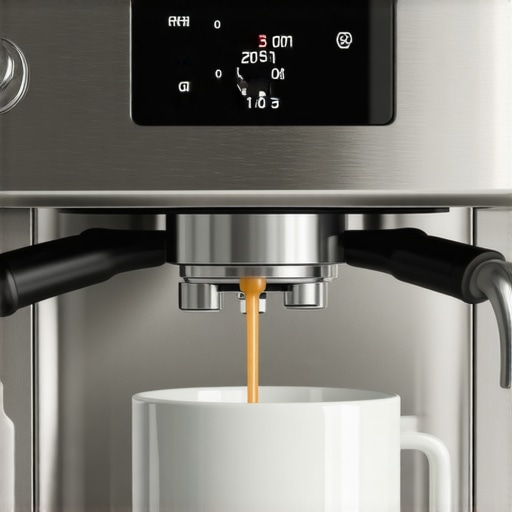
It was a frustrating Saturday morning, and I had just finished cleaning my beloved espresso machine. I eagerly pulled the shot, only to be greeted by a dull, flat taste that seemed miles away from the rich aroma I wanted. Turns out, the culprit was something I had overlooked—my water reservoir filter. I remember thinking, “Could this tiny filter really affect my coffee so much?” That lightbulb moment prompted me to dig deeper and discover the hidden impact of water filters on flavor.
The Hidden Reasons Water Filters Cause Flat Coffee
Many home baristas, myself included early on, dismiss the water reservoir filter as just another maintenance step. But the reality is, a dirty or improperly functioning filter can significantly alter your brew’s taste, making it bland and uninspiring. Over time, mineral buildup and bacteria can accumulate in the filtration system, leading to water that lacks freshness and depth. This is especially true if your filter isn’t replaced regularly or if you use hard water.
Some may worry that replacing filters is a hassle or question if it’s truly worth the effort. I get it—I’ve been there. But honestly, neglecting this tiny component can mean the difference between a mediocre shot and a stellar one. Improving water quality by maintaining or upgrading your filter can elevate your entire coffee experience. For more tailored advice, you might want to explore how to choose the best barista gear, where I discuss the importance of water quality in detail.
Is Replacing My Water Filter Overhyped?
A mistake I made early on was assuming that my water filter was doing its job just because it looked clean. It sounds obvious now, but I thought a quick rinse was enough. That assumption led to months of flat-tasting espresso. Regularly replacing or deep-cleaning your filter, and even upgrading to more advanced filtration systems, can make a noticeable difference. It’s all about ensuring that your water doesn’t introduce unwanted flavors or impurities into your brew.
As we get into the practical steps ahead, remember: keeping your water in top shape isn’t just a minor detail. When you understand how your water filter impacts flavor, you’ll make more informed choices—choices that will turn your morning brew into a truly enjoyable ritual.
Identify When Your Water Filter Needs Replacement
Start by checking the manufacturer’s recommended schedule—most filters should be replaced every 2 to 3 months, depending on usage. Remove the water reservoir from your espresso machine and inspect the filter for visible dirt or buildup. Remember, a visual cue isn’t always enough; if your brew lacks flavor or tastes flat despite fresh beans, it’s time to replace the filter.
Gather Necessary Tools and Replacement Filters
Before starting, ensure you have the correct replacement filter compatible with your machine. Consult your espresso machine manual or visit the manufacturer’s website. You might also need gloves for a cleaner process, and a towel to catch any spills. For detailed guidance on choosing the right filter, check this resource.
Remove the Old Filter Carefully
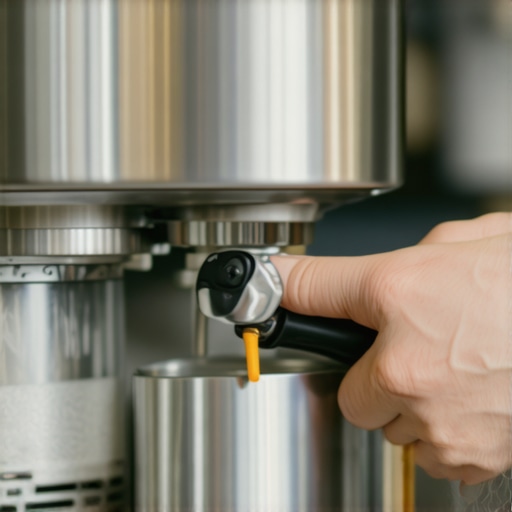
Take out the water reservoir and detach the current filter. If it’s stuck, gently wiggle it free without applying excessive force to avoid damaging the housing. Use a towel to catch any residual water. When removing, think of it like replacing a car’s oil filter—precision matters to prevent leaks and ensure proper fitment.
Clean the Reservoir and Filter Housing
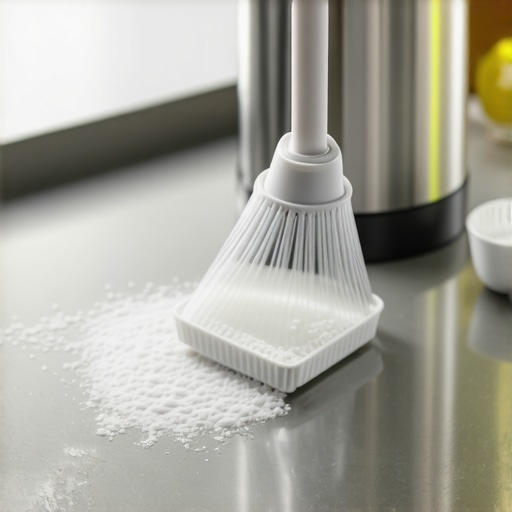
Wash the water reservoir with warm, soapy water to eliminate mineral deposits or mold. For the filter housing, use a soft brush to scrub away any sediment. Rinsing thoroughly ensures no residual dirt contaminates the new filter. This step is critical; neglecting it can compromise water taste and machine longevity.
Install the New Filter Correctly
Align the new filter with the designated slot. Push it in until it seats firmly—like fitting a puzzle piece—avoiding any force that could deform it. Double-check the manufacturer’s instructions for specific orientation or locking mechanisms. Proper installation prevents leaks and guarantees optimal filtration performance.
Refill the Reservoir and Run Water Cycles
Fill the reservoir with fresh, cold water. Run a few brewing cycles without coffee to flush out any carbon dust or residual manufacturing oils. This process is akin to priming a new garden hose—ensuring clean water flow and taste. Always discard this initial batch to maintain water freshness.
Regularly Monitor Filter Performance
Set reminders to replace the filter at the recommended intervals. Keep an eye on brewing quality; persistent flat or off flavors indicate the need for replacement sooner. Investing in a higher-grade filtration system can also reduce mineral buildup, similar to upgrading to premium water filters for crystal-clear taste.
Maintain Water Quality for Optimal Brew
Always use fresh, cold water—not tap temperature—when refilling. Consider using filtered or bottled water if your tap is hard or contains impurities. Good water quality is the backbone of excellent espresso, much like selecting premium beans or a top-tier grinder. To enhance your setup further, explore this guide.
While many coffee aficionados believe they have a solid grasp of espresso gear and brewing fundamentals, there are nuanced pitfalls that often go unnoticed. One widespread myth is that high-end equipment automatically guarantees perfect shots. However, even the most expensive espresso machines can produce lackluster results without proper technique and understanding of their mechanics. For instance, believing that a commercial-grade grinder will always deliver superior results ignores the importance of grind consistency and calibration—issues that many overlook despite expert recommendations to choose the right grinder for your brewing needs here. Another misconception is assuming milk frothers are a one-size-fits-all solution; in reality, mastering frothing requires attention to pitcher angles, milk types, and wand control, which most beginners underestimate. Overfocusing on gear can distract from refining your technique, an error that can be mitigated through dedicated practice and understanding of your equipment’s intricacies, as detailed in this guide. Often, enthusiasts think that upgrading to the latest model will resolve all brewing issues. The truth is, many advanced mistakes are rooted in process flaws—like inconsistent tamping pressure or variable extraction times—that equipment upgrades won’t fix. Instead, honing your skills on existing gear, supported by comprehensive tutorials like this resource, yields better results. Moreover, some believe that shortcuts, such as skipping regular cleaning or ignoring calibration, won’t affect flavor. But neglecting proper maintenance introduces impurities and affects flow rate, which directly impacts shot quality. A simple, overlooked detail like tamper pressure can cause uneven extraction, leading to bitter or sour tastes, an issue explored in this article. For advanced users aiming to perfect their craft, understanding the subtle influence of variables like puck dryness or water temperature—though seemingly minor—can make a world of difference. Scientific studies, such as those by the Specialty Coffee Association, underscore how minute adjustments significantly influence flavor profiles. So, when troubleshooting or upgrading, remember: mastery is about nuance, not just gear. Have you ever fallen into this trap? Let me know in the comments, and share your experience with overcoming these common pitfalls.
Keep Your Equipment in Peak Condition with the Right Tools
Managing a home espresso setup isn’t just about having the latest gear; it’s about investing in the right tools that ensure longevity and consistent performance. I personally rely on a high-quality burr cleaning brush and an ultrasonic cleaner to maintain my coffee grinder’s burrs. The ultrasonic cleaner, in particular, has been a game-changer, effectively removing coffee oils and static buildup without dismantling the burrs—a method I detail in this guide. Using these tools regularly prevents unexpected clogs and maintains grind consistency, which is crucial for extracting exceptional flavor.
Prioritize Routine Maintenance for Reliability
Consistent maintenance transforms your espresso machine from a temporary luxury into a trusted kitchen companion. My routine begins with daily flushing of the steam wand and weekly descaling, especially if I use hard water. For detailed descaling processes, I follow manufacturer recommendations or trusted resources like this article. Additionally, I schedule quarterly inspections of seals and gaskets, replacing them proactively to prevent minor leaks from becoming costly repairs. This habit ensures your machine stays responsive and prolongs its lifespan, ultimately saving you money and frustration over time.
Monitor and Adjust Your Setup for Optimal Results
Keeping your espresso experience consistent involves more than just cleaning tools—it requires attentive calibration. I frequently check my grind size, tamp pressure, and water temperature, making small tweaks based on shot quality. Using test shots and keeping detailed notes helps me identify trends and timely adjustments. Tools like a digital thermometer and a calibrated scale for tamping are invaluable here. Furthermore, staying updated with the latest technical insights, such as the pressure gauge troubleshooting, empowers me to troubleshoot effectively. Embracing a mindset of continuous learning, especially by engaging with expert content, ensures my brew stays perfect amidst changing conditions.
How do I maintain my barista gear for long-term performance?
Regular inspection and cleaning are your best allies. For instance, cleaning the shower screen monthly prevents clogging and uneven extraction, as explained in this post. Replacing worn gaskets periodically preserves pressure stability. Additionally, high-grade water filtration systems reduce mineral deposits, which can cause internal damage. Investing in tools like a dedicated tamping station or a precision scale—even simple additions—can make consistent preparation easier. Personally, I’ve found that upgrading my grinder’s burrs to a premium set, as advised in this guide, markedly improved shot consistency over time.
Looking Ahead: The Future of Coffee Maintenance
The trend leans towards smarter, self-diagnosing machines equipped with sensors that alert you to maintenance needs before issues arise. Innovations like app-based diagnostics are already on the horizon, promising to reduce downtime and extend equipment lifespan further. As a passionate enthusiast, I recommend experimenting with advanced cleaning routines—like ultrasonic burr cleaning—to see immediate improvements in flavor stability and machine reliability. Why not start today by trying one of these dedicated maintenance tips? Your future satisfied self will thank you.
Through my journey with home espresso setups, I realized that the most overlooked yet impactful detail isn’t always the most glamorous—it’s my water filter. The secret to consistently rich, flavorful espresso lies in the tiny components that often go unnoticed, like filters and their maintenance. Knowing when to replace your water filter and understanding its profound influence on flavor can transform your daily brew from mediocre to extraordinary. Embracing this knowledge means elevating your entire coffee experience, turning routine into ritual.
Lessons No One Tells You About Water Filters and Flavor Depth
- One unexpected revelation was how a neglected water filter can cause flat, dull espresso. The moment I started replacing filters regularly, I noticed a dramatic improvement in taste—it’s like discovering a whole new world of flavor lurking in my water.
- I used to believe that a clean-looking filter meant it was functioning well—until I learned that invisible mineral buildup and bacteria quietly degrade water quality over time. Now, I view filters as the unsung heroes of great coffee, deserving of diligent care.
- The most enlightening insight was realizing that upgrading to a higher-grade filtration system can substantially reduce impurities, enabling the true essence of my beans to shine through. This shift enhanced not only flavor but also the longevity of my machine.
- I also discovered that routine maintenance—like deep-cleaning the reservoir and inspecting seals—prevents flavor contamination, preserving the purity of every shot. Small habits like these have become my secret weapon for barista-level results at home.
- Finally, I learned that being proactive about water quality isn’t just about taste—it’s about protecting your machine. Proper filtration reduces mineral deposits, which can cause costly damage over time, making maintenance an investment rather than a chore.
Tools and Resources That Changed My Approach to Water Quality
- Ultrasonic Cleaner: This tool revolutionized my grinder maintenance, effectively cleaning burrs without dismantling the machine. It’s a game-changer for ensuring grind consistency—more details can be found here.
- High-Quality Replacement Filters: Investing in certified filters compatible with my espresso machine was pivotal. I trust the recommendations on this resource to guide my choices.
- Testers and Timers: Precision tools for checking water temperature and shot timing have helped me dial in perfect extraction, essential for flavor clarity and consistency.
- Educational Guides: Continuous learning keeps me updated on best practices. This guide has been invaluable in refining my skills.
- Water Filtration System Reviews: Staying informed about the latest filtration technologies is important. Trusted review sites and expert blogs provide insights into equipment that can protect your machine and improve taste.
Time to Pour Your Passion Into Your Brew
Improving your water quality and maintaining your espresso gear might seem like small steps, but they are powerful moves toward achieving barista-level results. Don’t let overlooked details hold you back from the perfect cup; instead, embrace these insights and make proactive choices today. Remember, each small adjustment is a step closer to savoring the espresso experience you deserve. Why not start by reviewing your current filter routine or exploring new filtration options? Your future self will thank you—and your taste buds will too.
Have you ever noticed a sudden change in your espresso’s flavor that led you to check your water filter? Share your story below and let’s learn from each other’s experiences!
,