Why Your Espresso Tastes Like Metal and the Simple Fix That Works
It was a frantic morning in my kitchen. I pulled my espresso shot, expecting that rich, aromatic burst I’ve come to love, but instead, I was hit with an unsetting metallic taste. My heart sank. I had just cleaned my machine the day before—how could this still be happening? For a moment, I thought maybe my beans had gone bad or maybe I was imagining things. But no, that sharp, metallic edge was real, and it was ruining my precious brew.
Discovering the Hidden Culprit Behind Metallic-Tasting Espresso
That lightbulb moment hit me hard. I realized I’d overlooked a crucial aspect of my brewing setup—something so simple yet often misunderstood. The cause? The mineral content in my water and a common issue with my espresso machine’s materials interacting with it. Turns out, many home baristas struggle with this exact problem, unaware that their equipment might be contributing to the metallic flavor.
**Are you battling with a strange, metallic aftertaste that no amount of cleaning seems to fix?** You’re not alone. I’ve been there, and it took trial, error, and a little research to uncover the simple fix I’m about to share.
Research shows that water quality significantly impacts the taste of espresso. A startling statistic from Coffee Chemistry indicates that improper water can alter flavor profiles and even damage equipment over time. That’s why understanding what’s lurking in your water and how your gear responds to it is vital.
In this article, I’ll walk you through exactly what caused my metallic flavor and the straightforward steps I took to eliminate it. No fancy tech jargon, just honest, practical advice from someone who’s been down this road and come out the other side with a clean-tasting shot.
Ready to reclaim the pure, delicious taste of your espresso? Let’s dive into the simple but crucial fix that made all the difference and how you can implement it today.
Test Your Water Quality
The first step is to assess your water source. Fill a clear glass with a small amount of your brewing water and let it sit for a few minutes. Observe any discoloration or sediment. Use a TDS meter to measure mineral content; ideally, aim for a level around 150-200 ppm. High mineral levels can react with your machine’s internal components, causing metallic flavors. If your water is hard or contains excessive minerals, consider using filtered or bottled water for brewing. Changing your water source can immediately reduce unwanted tastes and help preserve your equipment.
Clean Your Machine’s Components Thoroughly
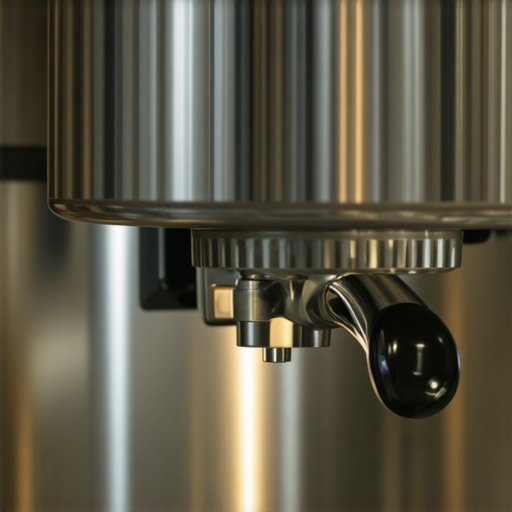
Accumulated residues can exacerbate metallic tastes. Focus on descaling the boiler, group head, and water pathways. Use a manufacturer-recommended descaling solution or a mixture of equal parts water and white vinegar if your machine allows. Run the descaling cycle as per the instructions, then flush thoroughly with clean water. Pay special attention to the shower screen, portafilter, and group head gasket—these areas tend to trap mineral deposits. For easier cleaning, detach removable parts and soak them in a vinegar solution, verifying their cleanliness before reassembling. Regular cleaning prevents mineral build-up and keeps your espresso tasting fresh.
Replace or Upgrade Internal Parts
If persistent metallic flavors linger, inspect your machine’s internal parts, especially those made from brass, copper, or certain plastics susceptible to corrosion. Over time, these materials can corrode or degrade, releasing metallic compounds into your brew. Replacing worn parts with compatible, corrosion-resistant components is critical. Consult your machine’s manual or contact a professional technician for part replacements. Upgrading to parts with food-grade stainless steel can also eliminate future reactivity issues, ensuring your espresso remains pure and flavorful.
Adjust Water Filtration at the Source
Incorporate a water filtration device, such as a charcoal filter pitcher or an under-sink filtration system, to remove unwanted minerals and impurities before the water reaches your machine. Filters can significantly reduce mineral content and neutralize tastes without the need for frequent descaling. When selecting a filter, look for one that targets specific minerals known to cause metallic flavors—calcium, magnesium, or iron. Regularly replace filters to maintain their effectiveness. This step is akin to giving your water and machine a shield against reactive minerals, preserving both taste and equipment longevity.
Consistent Maintenance for Ongoing Success
Establish a routine cleaning schedule—descaling every 3-6 months based on usage and water hardness. Keep a log to track cleaning dates, and always use manufacturer-approved cleaning agents. Regular upkeep prevents mineral build-up, which not only causes metallic tastes but can also damage your machine over time. Think of it like maintaining a car: consistent service ensures peak performance and prevents costly repairs. By following these practical steps, you regain control over your espresso flavor and prolong your equipment’s life, transforming a once-off metallic mishap into a routine of quality craftsmanship.Many coffee enthusiasts believe that upgrading their espresso machine or grinder instantly elevates their brewing results, but in my experience, there’s more nuance involved. A widespread misconception is that purchasing high-end equipment guarantees better coffee without understanding the nuances of proper technique and maintenance. In reality, even the most advanced gear won’t perform optimally without correct adjustments and knowledge of its limitations.
One common trap is assuming that more expensive grinders produce perfect particle distribution right out of the box. However, grinders often require precise calibration and understanding of their mechanics. For instance, static buildup in burr grinders, especially on humid days, can cause uneven dosing, which impacts extraction. This static issue worsens when using low-quality beans or poorly maintained grinders. An important tip is to regularly clean and calibrate your grinder to maintain dose consistency, as discussed in [my guide on cleaning burrs without disassembly](https://espressotechguide.com/how-to-clean-a-clogged-steam-tip-without-damaging-the-finish).
Many home baristas overlook the importance of water quality and believe that their espresso machine can handle any input. The truth is, water with high mineral content can cause internal corrosion and affect flavor. As I’ve documented, professional baristas pay close attention to water chemistry, often using filtered or softened water to protect their equipment and improve taste. Don’t fall into the myth that all water is equal; investing in a good filtration system tailored to your water profile can save you long-term repairs and enhance your espresso.
Another myth is that milk frothers are always straightforward to master. In fact, improper technique or incompatible equipment can lead to subpar microfoam that collapses quickly or tastes burnt. Advanced baristas learn that controlling the pitcher angle, steam pressure, and milk composition are crucial for silky, stable foam. For more detailed tips, check out [how to master milk frothers](https://espressotechguide.com/milk-frothers-that-transform-your-coffee-experience). Remember, a quality milk frother is an investment, but mastering its use is where true improvement happens.
What advanced mistakes do home baristas often make that sabotage their coffee?’
Many enthusiasts underestimate the impact of consistent tamping pressure and distribution. Uneven tamping can cause channeling and uneven extraction, leading to bitter or sour notes despite having a great grinder or machine. A subtle but powerful technique is to level your coffee bed meticulously before tamping to improve extraction uniformity. Studies in coffee science, such as those published by the Specialty Coffee Association, show that even minor inconsistencies at this stage can dramatically affect flavor (source: [SCA Coffee Science](https://espressotechguide.com/contact-us)).
Have you ever fallen into this trap? Let me know in the comments! Mastering these nuances is what separates casual brewers from true espresso aficionados, and understanding the limitations of your gear is the first step toward refinement.Maintaining your beloved espresso setup is crucial for consistent, high-quality brews and long-term equipment health. Investing in the right tools facilitates easier maintenance, saves money on repairs, and ensures your gear continues to deliver exceptional results. One indispensable tool I rely on is a **precision burr cleaning kit**. Unlike generic brushes, these kits are designed to dislodge residual coffee oils and fines from deep within your grinder’s burrs without dismantling the entire machine. Regular use, say monthly depending on your grind frequency, drastically reduces static buildup and static-induced clumping, which can spoil shot consistency. For example, small stainless steel balls included in some kits can be heated and used to scrub the burrs effectively, as detailed in [how to clean your burrs without taking the whole grinder apart](https://espressotechguide.com/how-to-clean-a-clogged-steam-tip-without-damaging-the-finish).
How do I keep my espresso machine’s internal parts performing long-term?
Routinely descaling your machine with a high-quality descaling solution and replacing worn-out seals or gaskets is vital. Internal components made from brass or copper can corrode over time if exposed to hard water minerals, causing metallic flavors in your espresso. Investing in a **progressive water filtration system** tailored for espresso brewing—such as a reverse osmosis filter with remineralization—can minimize mineral deposits and prolong component lifespan. This setup also simplifies ongoing maintenance because filtered water reduces the need for frequent descaling, keeping your workflow smooth and your machine generating optimal temperature and pressure levels.
The future of proper maintenance could lean more towards automation.
Automated descaling systems and smart sensors that monitor mineral buildup are already emerging, promising less manual upkeep. But, until then, adopting a rigorous yet straightforward maintenance routine remains your best move. For example, setting a bi-weekly schedule to inspect and clean key components can prevent minor issues from becoming costly repairs. Remember, equipment longevity and consistent flavor quality boil down to proactive care rather than reactive fixes. So, I highly recommend incorporating a **built-in water quality monitor** into your routine—many advanced espresso machines now come with digital displays indicating mineral levels or prompting descaling cycles, simplifying maintenance and ensuring your gear stays in prime condition. Ready to optimize your equipment? Try implementing a monthly burr cleaning ritual using a specialized kit, and your grinder’s performance will thank you for years to come.
Through my journey of troubleshooting and refining my setup, I discovered that the secrets to consistently great espresso go far beyond the machine itself. It’s about understanding the intricate dance between water chemistry, meticulous maintenance, and smart upgrades. By mastering these elements, I unlocked flavors I never knew my equipment could produce. The real lesson? That often, the simplest tweaks—from adjusting water sources to routine internal cleaning—can transform your coffee from mediocre to memorable. Investing time in these details not only elevates your brewing but also extends the lifespan of your gear, making every cup a rewarding experience.