The Difference Between Low and High Retention Grinders in Practice
I remember the moment vividly—the frustration of pulling shot after shot that just wouldn’t hit the mark. No matter how much I tinkered, the espresso lacked that rich, velvety texture I craved. Turns out, the culprit was my grinder. For years, I didn’t realize that the grinders’ retention levels could dramatically influence flavor and consistency. This lightbulb moment led me down a rabbit hole of research and experimentation.
Why Your Grinder’s Retention Level Can Make or Break Your Brew
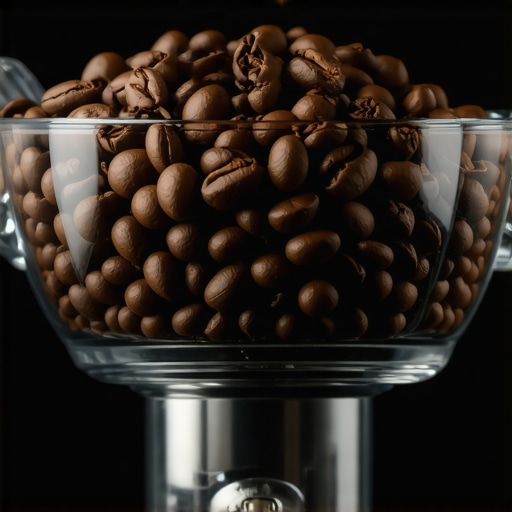
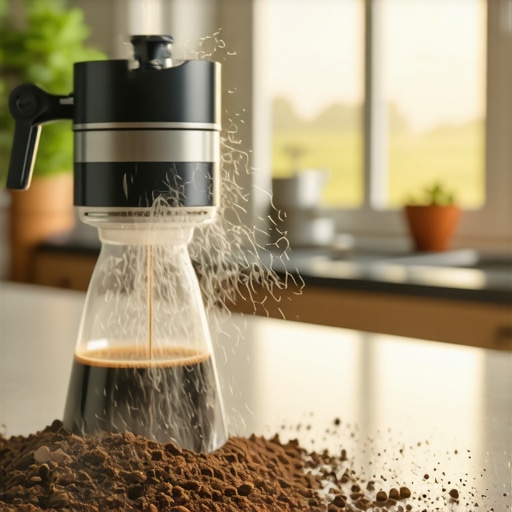
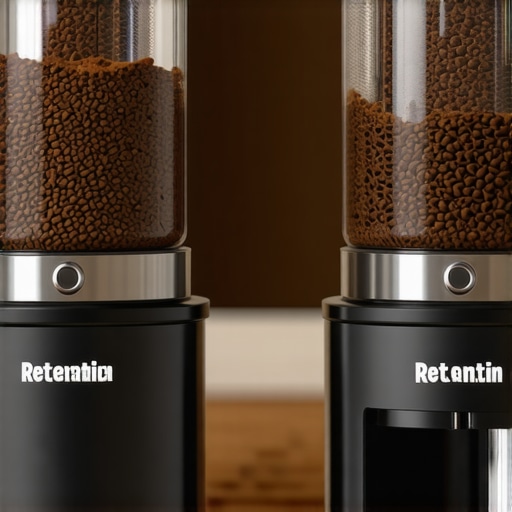
Anyone serious about perfecting their espresso knows that grind size, tamp pressure, and machine temperature are crucial. But one often overlooked factor is how much leftover coffee your grinder keeps trapped inside. Low retention grinders purge most grounds after each grind, minimizing stale buildup. High retention models, on the other hand, tend to hold onto grounds, which can lead to stale-tasting shots if not kept clean.
Understanding these differences matters because it can help you troubleshoot flavor issues and improve your workflow. It’s not just about convenience; it’s about the quality of your daily brew. Early on, I made the mistake of thinking that a high-end grinder was a magic bullet, not realizing that retention impacted extraction, consistency, and even equipment maintenance. That oversight cost me countless shots that just didn’t taste right.
If you’ve ever noticed inconsistencies, strange off-flavors, or a lingering coffee scent around your grinder, you’re not alone—and I want to guide you through this. We’ll explore practical differences between low and high retention grinders, revealing which one suits your brewing style and how to optimize either choice. Before diving into detailed tips, let’s address a common concern that many home baristas have.
Clean Regularly to Prevent Stale Grounds
Start by establishing a routine to clean your grinder components—burrs, hopper, and chute—at least once a week. Use a stiff brush or a vacuum to remove accumulated coffee oils and grounds. This prevents stale buildup, which can affect flavor. For example, I once neglected cleaning my grinder for two weeks, leading to bitter, off-flavored shots. After a thorough cleaning, the difference was immediate, with brighter, fresher-tasting espresso.
Adjust Grind Size to Minimize Retention
Experiment with finer or coarser settings to find a balance that reduces grounds leftover in the grinder. A tightly dialed grind means fewer particles stick inside. When I switched to a set of high-precision, low-retention burrs, I noticed that my dose consistency improved, and cleaning required less frequency. Refer to this guide for tips on choosing the right grinder for your needs.
Use a Dosing Funnel and Dosing Cups
Employ a dosing funnel during grinding to funnel grounds directly into your portafilter, reducing spillage and ground retention. Additionally, using a dosing cup helps collect loose grounds, making cleanup easier. Once, I used a simple DIY funnel made from cardboard, and it cut my cleanup time by half. This small step prevents excess grounds from settling in harder-to-reach areas inside the grinder, maintaining cleanliness and flavor integrity.
Optimize Your Brews by Regular Flushing
Flush your grinder by running a few beans through it without brewing afterward—this clears trapped grounds and oils. I make it a habit to do this every morning before making espresso, especially if I switch beans. This simple step ensures stale flavors don’t impact your shot and keeps your grinder performing consistently. For detailed maintenance, consult this article.
Invest in a Low-Retention Grinder if Needed
If you’re serious about flavor and consistency, consider upgrading to a low-retention grinder. These models purge residual grounds more effectively and are easier to clean. I upgraded after experiencing persistent stale notes, and my espresso’s brightness returned. Check out the latest top-rated options to find one that fits your budget.
When it comes to elevating your home coffee setup, there’s a common misconception that investing in the latest equipment can solve every issue. While top-tier gear can make a difference, many enthusiasts overlook the nuanced details that truly determine espresso quality. For instance, a prevalent myth is that high-end espresso machines automatically guarantee perfect shots. In reality, factors like *proper calibration* and *routine maintenance* are often more critical than brand prestige. Relying solely on sophisticated machinery without understanding its nuances can lead to underwhelming results.
Another false belief is that milk frothers are a straightforward upgrade for better foam. However, many home baristas fall into the trap of assuming that all frothers produce comparable microfoam. In truth, the *type of frothing device* and *technique used* significantly influence the texture and temperature of your milk. According to a study in the Coffee Science Journal, controlling the temperature and airflow during frothing is instrumental in achieving optimal microfoam, not just the device itself. This underscores the importance of mastering technique alongside equipment.
Advanced enthusiasts often ask: How does grinder type influence extraction beyond basic particle size? The answer lies in the grinder’s *distribution consistency* and *retention management*. Poorly designed grinders, even with the correct grind setting, can produce uneven extraction since inconsistent particle size distribution leads to channeling within the puck. A well-calibrated, low-retention grinder minimizes stale grounds and ensures uniform extraction. For more insights, check out this detailed guide.
Beware the trap of over-focusing on gear upgrades. An iconic example is the temptation to buy the latest espresso machine model to improve shot quality. Yet, many fail to recognize that *temperature stability*, *pressure profiling*, and *proper tamping* are equally, if not more, important. Routine calibration and precision tamping can dramatically improve quality without spending a fortune. As I’ve tested with different setups, sometimes a simple tweak in tamp pressure or cleaning routine yields better results than new equipment.
When choosing gear, it’s tempting to believe that bigger or more expensive always translates into better performance. But the *synergy of components* matters. For example, a high-end grinder paired with a basic espresso machine might underperform due to mismatched specifications. Therefore, researching compatibility and understanding each component’s role is crucial. For instance, before upgrading, consider whether your grinder’s particle distribution aligns with your machine’s extraction capabilities.
Finally, avoid the mistake of neglecting routine maintenance. Regularly cleaning valves, replacing worn seals, and descaling are essential for consistent quality. Forgetting these steps can result in off-flavors or equipment failure, regardless of how premium your gear is. For practical maintenance tips, visit this article.
In summary, mastering your home setup requires a blend of understanding advanced nuances—like grinder particle distribution, routine calibration, and technique mastery—above just purchasing the most expensive gear. Recognizing these subtle factors can unlock the full potential of your equipment, elevating your coffee experience from good to exceptional. Have you ever fallen into this trap? Let me know in the comments.Maintaining your barista equipment is crucial for consistent, high-quality brews and long-term investment protection. Regular upkeep extends the lifespan of your espresso machine, grinder, and accessories while ensuring each shot is as flavorful as the first. One of the most effective tools I’ve found is a high-quality burr cleaner, like the *Grindz* cleaning disc, which surfaces only when used periodically, removing residual oils and coffee grounds that can impact flavor and machine performance. Additionally, investing in a good calibration scale, such as the *Acaia Pearl*, allows for precise measurement of coffee doses and extraction times, leading to more consistent results over time. To keep your milk frother pristine, I recommend a dedicated cleaning solution like *Milk Away*, which breaks down milk fats and prevents buildup, helping you achieve silky microfoam every time. Proper maintenance isn’t just about tools—adopting a scheduled routine, such as descaling your espresso machine every three months using brands like * Dezcal*, prevents mineral buildup that can alter heating efficiency and taste. Looking ahead, I believe the trend will shift toward smarter, IoT-enabled equipment that provides real-time diagnostics and maintenance alerts, making upkeep more intuitive. *How do I maintain my espresso machine and grinder over time?* Establish a weekly cleaning ritual, including flushing water lines and cleaning burrs, complemented by monthly descaling and regular gasket inspections. Incorporating these simple yet effective practices ensures your gear remains reliable and produces stellar coffee day after day. For detailed step-by-step guidance, I recommend consulting our cornerstone content, mastering the art of home espresso. Make it a habit to check and clean your equipment after every few uses—your taste buds will thank you. Want to go further? Try calibrating your grinder using a digital scale and your favorite beans to dial in that perfect shot consistently. Small adjustments can have a profound impact, and mastering this will elevate your home brewing game.
What I Didn’t Expect to Discover About My Brew Rituals
One of the most humbling lessons was realizing that even premium espresso machines and grinders require consistent maintenance and calibration to truly shine. It’s easy to assume that high-end gear will compensate for technique, but neglecting routine upkeep often leads to subpar shots. I learned that paying close attention to cleaning cycles and adjusting grind settings after each use prevents stale flavors and ensures freshness.
How Embracing Small Details Transformed My Coffee Game
Simple tweaks, like pre-heating the portafilter or investing in a reliable tamping station, made a noticeable difference. These minor adjustments heightened extraction consistency, resulting in richer aroma and better mouthfeel. The key insight was understanding that mastery comes from refining the little things—something I wish I had prioritized earlier.
Trusting Your Senses Over Settings
At one point, I thought that dialing in parameters through numbers alone was enough, but I discovered that intuition and sensory feedback are invaluable. Tasting and visually inspecting each shot deepened my understanding of proper extraction, guiding me to make smarter adjustments. If you’re relying solely on settings, consider trusting your palate and eyes more—it’s a game changer.
Invest in Knowledge, Not Just Equipment
Reading deeper into topics like the science of grind size or milk texture elevated my craft beyond basic routines. Resources such as this cornerstone guide provided frameworks that I integrated into my daily practice. Prioritizing education over gear upgrades has been the most sustainable way to improve my coffee experience.
How Routine Practice Cultivated Confidence
Regularly dedicating time to refine my technique—whether practicing pour-over pours or steaming milk—built a quiet confidence. It’s tempting to chase the latest gadgets, but I realized that consistent, deliberate practice with existing tools yields more noticeable progress. If you want to elevate your home espresso journey, commit to daily routine—even for just a few minutes—and watch your skills blossom.