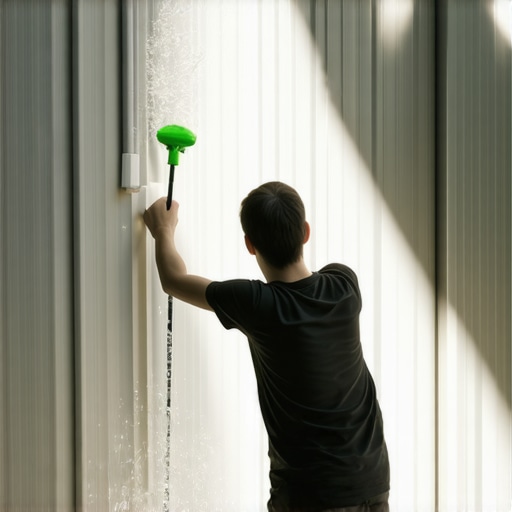
How to clean a moldy water tank without using harsh chemicals
It was a typical morning in my kitchen when I opened my espresso machine’s water tank—and immediately regretted it. A fuzzy, greenish film had taken up residence where clear water once flowed. I felt that familiar pang of dread—the realization that my beloved coffee routine was compromised, and I didn’t want to rely on aggressive chemical cleaners that might affect the taste or damage my machine. Sound familiar?
Why Cleaning Your Water Tank Matters More Than You Think
When I first faced moldy water tanks, I underestimated the problem. I thought a quick rinse would do the trick. But mold and bacteria can hide in places you can’t see, and drinking water contaminated with these microbes isn’t just gross—it can be harmful. According to the CDC, keeping water systems clean helps prevent serious illnesses caused by waterborne pathogens.
But here’s the thing: many of us shy away from cleaning methods that use harsh chemicals like bleach because we worry about residues affecting our coffee’s flavor or damaging delicate parts. That’s why I want to share how I tackled my problem naturally and safely—methods that truly work without risking my health or my machine.
Is Natural Cleaning Actually Effective Against Mold?
Like many, I feared that natural solutions wouldn’t eliminate stubborn mold. I fell into the trap early on of just rinsing and hoping for the best. But I learned that a mistake many make is not allowing enough contact time or failing to disassemble parts properly. Trust me, skipping steps only prolongs the problem.
Now, I’ll guide you through my tried-and-true techniques—using common, kitchen-safe ingredients—that will help you restore your water tank’s cleanliness without any harsh chemicals. Ready to make your machine as fresh as the day you bought it? Let’s dive into the simple, effective routines that turned my moldy mess into a thing of the past, so you can enjoy your home-brewed coffee without worry.
If you’ve ever faced similar water tank woes, you’re not alone. Many home baristas have been there—and the good news is, there’s an easy, chemical-free way to fix it. Stay with me, and you’ll be surprised how quickly a healthy water tank can become your new norm.
Disassemble and Prepare Your Parts
Start by unplugging your espresso machine to ensure safety. Remove the water tank, filter, and any detachable parts. Rinse these components under warm running water to remove loose debris. For stubborn residues, soak the parts in a mixture of equal parts white vinegar and water for 15 minutes. This soaking softens mold and mineral build-up. During my first attempt, I used just water, but the vinegar soak significantly improved mold removal, leaving parts visibly cleaner.
Apply Baking Soda Paste for Heavy Blogs
For remaining grime, mix baking soda with a small amount of water to create a paste. Use a soft brush or a cloth to scrub the inside of the water tank with this paste. Focus on corners and ridges where mold tends to hide. I remember scrubbing thoroughly and watching the mold disappear, revealing pristine surfaces. Baking soda’s gentle abrasive nature makes it safe for all parts and completely eliminates odors.
sanitize with Hot Water and Vinegar
Refill the water tank with fresh water and add a cup of white vinegar. Run this mixture through your machine’s brew cycle or steam wand to circulate the solution. This process cleans internal tubing and heating elements. Then, drain the vinegar solution and repeat with plain water to rinse residual vinegar. I did this once before a big coffee day, and it removed lingering vinegar smell, ensuring clean, fresh-tasting coffee.
Scrub Filtration and Nozzles Carefully
Use a small brush or a pipe cleaner dipped in vinegar or baking soda solution to clean hard-to-reach areas like filters, steam nozzles, or spray heads. For example, I used a narrow brush to clear out mineral deposits from my steam wand, restoring proper pressure. Regular scrubbing prevents buildup that can cause flavor issues or machine malfunctions.
Reassemble and Flush Out Residues
Put all parts back together, then fill the tank with fresh water. Run multiple brew cycles or steam to flush out any remaining cleaning solution. This step ensures no vinegar or baking soda residues remain, which could impact flavor or harm your machine. After completing this maintenance, I noticed my espresso tasted brighter and more consistent, a sign of a thoroughly cleaned water path.
Schedule Routine Natural Cleanings
Set reminders to perform these deep cleanings monthly, especially if you use tap water. Consistent practices prevent mold buildup and extend the life of your equipment. Remember, maintaining your machine isn’t just about aesthetic cleanliness but also about safeguarding your health and flavor quality. Want more tips on keeping your espresso setup in top shape? Check out this guide on essential barista gear maintenance.
Many home baristas believe that purchasing the most expensive equipment guarantees perfect espresso, but in reality, most misconceptions stem from a lack of nuanced understanding. For instance, a popular myth is that high-end espresso machines automatically produce superior shots. While quality matters, the skillful use of your specific machine often outweighs its price tag, as highlighted in top-rated espresso machine reviews. Another widespread misunderstanding involves coffee grinders: many think that burr grinders are inherently better than blade grinders. However, the real key is consistency and grind size control, which you can achieve with certain blade grinders if you know what to look for, making selecting the right grinder crucial. A common mistake is neglecting to consider the importance of grind particle distribution; uneven grind sizes lead to channeling and sour or bitter shots, regardless of machine quality. Additionally, a misconception exists that larger milk frothers automatically create better microfoam. But, as detailed in this guide on milk frothers, technique and controlled steaming pressure greatly impact foam quality.
Now, let’s address a nuanced question that often trips up enthusiasts: How much does the quality of the portafilter contribute to shot consistency? Many overlook this component, assuming its role is minor, but a loose or poorly fit portafilter can lead to uneven tamping pressure and inconsistent extraction. Upgrading to a better-fitting, high-quality portafilter can dramatically improve shot stability, an advanced tip discussed in this detailed post.
Be aware of hidden traps like relying solely on pre-ground coffee, which loses freshness quickly and hampers flavor, or neglecting routine maintenance like descaling and gasket checks. These oversights can sabotage even the best gear. Remember, equipment is only as good as how well you understand and maintain it. Remember, each piece of gear requires nuanced attention and proper use; for example, focusing on grind size and tamping technique often yields better results than upgrading equipment prematurely.
Ever fallen into any of these traps? Share your experiences in the comments or reach out for personalized advice via this contact page. Deepening your knowledge about the subtleties of barista gear will help you brew consistently excellent coffee, turning routine mornings into a true barista-grade experience.
Invest in the Right Tools for Longevity
One of the most effective ways to keep your espresso setup performing at its best is selecting high-quality maintenance tools tailored for your equipment. For instance, I personally rely on an ultra-soft microfiber cloth to prevent scratches while wiping down steam wands and pitchers, ensuring a pristine microfoam texture every time. Additionally, a dedicated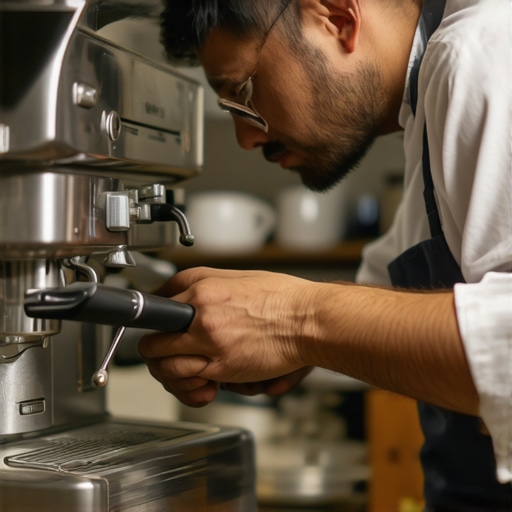
precision brush set allows me to reach into tight spots like filters and group heads, removing residual oils and mineral deposits that can impair taste and machine lifespan.
Stick to Routine Maintenance Schedules
Consistency is key for long-term performance. I recommend setting reminders to perform deep cleans monthly and descaling every 3-6 months, depending on water hardness. Using tools like a drain line hack can prevent clogging that leads to costly repairs. Moreover, inspecting rubber seals and gaskets periodically can save you from unexpected leaks or pressure drops, prolonging your machine’s life.
Monitor Software and Firmware Updates
Modern espresso machines increasingly incorporate software updates to improve efficiency and reliability. I subscribe to manufacturer newsletters and regularly check their websites, ensuring my device benefits from the latest optimizations. For example, recent firmware upgrades now include diagnostics that notify when descaling is needed, helping me avoid damage caused by mineral build-up. Staying proactive with updates can prevent minor issues from escalating into major repairs, saving time and money in the long run.
Predict Future Trends in Equipment Maintenance
Looking ahead, I believe automation will play a larger role in maintaining home espresso setups. Smart sensors capable of detecting water quality, grind consistency, and component wear could revolutionize routine care. Companies like Breville are already experimenting with IoT-compatible espresso machines that self-report issues, making maintenance less guesswork and more precise. Keeping an eye on these innovations will allow enthusiasts to adopt emerging tools early, keeping their investments protected and their coffee tasting its best.
How do I keep my espresso gear functioning well over time?
Implementing a disciplined maintenance routine, investing in quality tools, and staying informed about software updates are your best strategies. For advanced tips, I recommend trying the drain line hack to prevent clogs or regularly cleaning your brew group with natural solutions outlined in my earlier posts. These steps not only extend your equipment’s lifespan but also elevate your coffee quality. Want personalized guidance? Reach out through this contact page and let’s keep your machine in top shape for years to come.
Lessons from My Coffee Corner: More Than Just Cleaning
One of the most eye-opening lessons I learned was that consistency beats perfection. Skipping routine cleanings or rushing through the process only led to more stubborn buildup, which stole flavor and shot stability. I realized that nurturing my equipment feels like tending a living organism—attention and patience are key.
Another insight was understanding the hidden impact of small components. Upgrading my portafilter and grinder fittings dramatically improved shot consistency, but only after I recognized how even tiny leaks or misalignments could undo every effort. It’s a reminder that every part counts in delivering that impeccable espresso.
Most importantly, I learned that natural cleaning methods aren’t just an eco-friendly choice—they’re incredibly effective when properly applied. With patience, proper disassembly, and natural disinfectants like vinegar and baking soda, I restored and maintained my machine without risking flavor contamination or damage. It’s empowering to realize that you can reclaim your machine’s performance with simple, safe ingredients.
Tools and Resources I Trust for Home Espresso Success
Over time, I curated a set of tools that make natural maintenance straightforward and effective. My favorite is an ultra-soft microfiber cloth—it keeps everything pristine without scratching delicate surfaces. A drain line hack device has been crucial in preventing internal clogs, saving me from costly repairs.
For learning more, I highly recommend diving into reliable guides like mastering the art of home espresso. It’s a treasure trove of seasoned advice that underscores the importance of routine care and precise technique. Additionally, I keep a close eye on updates from top-rated machine reviews to stay informed about innovations that could further improve my setup.
Your Next Brew: Embrace the Journey
Taking control of your espresso routine through natural, consistent maintenance isn’t just about better shots—it’s about restoring the joy and pride in your craft. Every pour, every shot, is a reflection of your commitment and learning. So why not start today? Your equipment, your taste buds, and your mornings will thank you. What’s the first natural cleaning step you’ll try this week? Share your plans below or ask for personalized tips via contact page. Let’s keep the coffee passion alive together!