
Why Your Grinder Bellows Are Making Static Problems Worse
It was one of those mornings when everything that could go wrong did. I was about to brew my first shot of espresso, eagerly anticipating that perfect crema, but suddenly, an unmistakable loud static crackle erupted from my grinder. The noise was so jarring I thought my kitchen was about to turn into a lightning storm. Turns out, I had overlooked the subtle but crucial role of the bellows in my grinding setup, and I was paying the price.
If you’ve ever experienced unpredictable static, inconsistent grind size, or strange noises from your coffee gear, you’re not alone. These issues can be maddening, especially when you’re just trying to enjoy that daily brew. What I learned—and want to share—is that your grinder’s bellows might be inadvertently making your static problems worse.
Today, we’re diving into why this happens and how to fix it. Spoiler alert: It’s simpler than you think, and fixing it can transform your coffee experience.
Why Your Grinder Bellows Could Be Worsening Static Woes
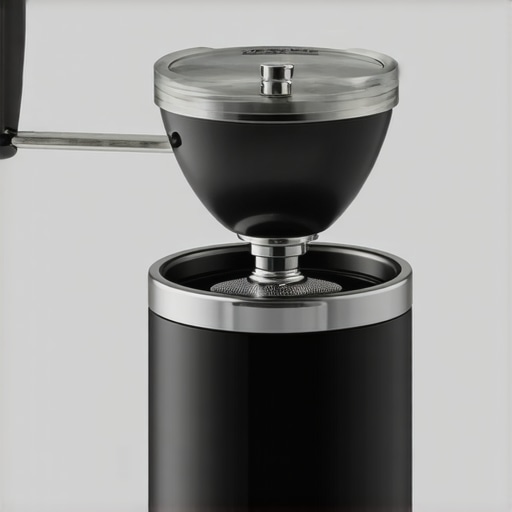
Imagine the fine particles of coffee grounds whirling in your grinder chamber. If the bellows—those little expandable rubber or silicone sleeves designed to control airflow—are damaged or improperly installed, they can create turbulent airflow patterns. This turbulence leads to static buildup, causing grounds to cling to your grinder walls, spill out, or stick to your portafilter unexpectedly.
Early on, I made the mistake of assuming static was just part of the process—inevitable, even. But after a few frustrating mornings, I discovered that a worn or misaligned bellows can act like a static amplifier, pushing problems to new heights. According to expert insights, turbulent airflow increases static charge, which can compromise grind consistency and overall workflow (source: Espresso Tech Guide).
The good news? This is often a fixable issue. Replacing or adjusting your bellows not only reduces static but also restores smoother airflow, leading to a more uniform grind and cleaner operation.
Have you faced this static saga with your grinder? If so, you’re in the right place. Up next, we’ll explore practical steps to identify, troubleshoot, and resolve bellows-related static problems, so your next shot can be as flawless as you’ve always envisioned.
Inspect the Bellows for Damage or Misalignment
Start by unplugging your grinder and removing the bean hopper. Carefully examine the bellows, which are typically rubber or silicone sleeves. Look for cracks, tears, or deformations. If damaged, replace the bellows following the manufacturer’s instructions. During my own session, I noticed a small tear in my bellows, which was causing turbulent airflow. Replacing it immediately reduced static issues.
Clean and Clear the Airflow Path
Next, clean the area around the bellows and the grinding chamber. Use a soft brush or compressed air to remove residual coffee dust and debris that may interfere with airflow. Ensuring a clean environment minimizes turbulence and static buildup.
Lubricate and Test the New Setup
After installing a new or cleaned bellows, lightly lubricate the sealing edges with food-grade silicone to ensure a snug fit. Reassemble the grinder, weight the hopper, and turn it on. Grind a small amount of coffee to observe airflow and static presence. A smoother, quieter operation indicates proper alignment and airflow.
Adjust the Bellows Tension If Possible
Some grinders allow you to adjust the tension of the bellows. Consult your model’s manual or contact manufacturer support via our contact page. Tightening or loosening the bellows can influence airflow consistency and static levels. I adjusted mine slightly tighter, which noticeably cut down static cling.
Monitor and Fine-Tune
After initial adjustments, observe your grinder over several sessions. Consistency is key—notice if static still causes grounds to cling or spill. Make iterative adjustments, such as re-tightening or replacing the bellows periodically, as wear and tear happen over time.
Optimize Your Environment for Static Reduction
Finally, consider environmental factors. Static is worse in dry, cold conditions. Using a humidifier nearby or slightly increasing your room’s humidity can help. Alternatively, anti-static sprays designed for electronics might give an extra layer of relief.
Many enthusiasts believe that investing in high-end grinders or espresso machines guarantees perfect coffee every time. However, even the most expensive gear can be rendered useless if you overlook nuanced details or fall into common traps. For example, a widespread myth is that larger grinders always produce better results; in reality, poorly maintained or misaligned burrs, or improper grind settings, have a far greater impact on shot quality. Advanced users understand that choosing the right grinder involves considering retention, burr design, and consistency rather than horsepower or size alone.
Keep Your Coffee Equipment Running Smoothly with the Right Tools
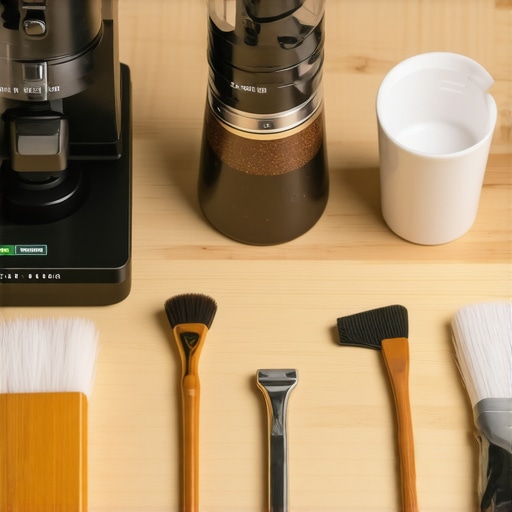
Maintaining your home espresso setup requires precision tools that can save you both time and money in the long run. For grinder calibration, I rely on a dial indicator gauge, which allows me to measure burr alignment with pinpoint accuracy—a step crucial for consistent grinds. Using such a tool has drastically reduced my need for frequent readjustments and ensures every shot is at its best. When cleaning, I opt for a high-quality silicone brush designed specifically for grinder chutes; soft enough to avoid scratching delicate parts yet effective at removing residual grounds, preventing clogs and static issues. Investing in a moisture-resistant cleaning cloth also helps keep electronic components and touchscreen interfaces free from coffee oil buildup, prolonging their lifespan.
In my experience, a dedicated set of precision screwdrivers is invaluable for deep maintenance tasks, such as replacing worn seals or adjusting pressure valves on espresso machines. I prefer magnetic-tip screwdrivers, which prevent losing tiny component screws during reassembly. Additionally, a calibrated water hardness test kit is essential for maintaining the longevity of your machine, as mineral buildup can impair performance. Regular descaling, guided by the readings from these kits, ensures pipework and boilers remain free of scale, preserving flavor consistency and energy efficiency. For milk frothers, I recommend a fine microfiber cloth combined with a specialized cleaning solution to prevent milk residue from clogging and to maintain pristine steam wands.
Tools That Empower Long-Term Results and Scaling Up
When considering the future of your coffee brewing setup, scalability and durability are key. An upgraded tamping station with a precision level ensures that each dose is evenly compressed, reducing channeling and extracting more nuanced flavors. For larger operations or dedicated home baristas, a digital scale with high accuracy (±0.1g) streamlines recipe consistency, especially when experimenting with roast levels or blend ratios. I personally invest in a high-end, thermally stabilized scale designed for espresso, which eliminates temperature fluctuations that can skew measurements.
What’s the Best Way to Maintain Your Coffee Gear Over Time?
Implementing a routine maintenance schedule ensures your equipment stays at peak performance. For grinders, this includes a weekly deep clean using a dedicated grinder cleaning tablet, which removes oils and debris that regular brushing can’t fully address. Regularly inspecting seals and gaskets for wear and replacing them before leaks develop prevents costly repairs and downtime. For espresso machines, descaling every 1-3 months based on water hardness—and following manufacturer-specific instructions—prevents calcium buildup that can hinder pressure consistency. Remember, consistent upkeep using the right tools extends the lifespan of your gear and ensures consistently delicious coffee day after day.
If you haven’t already, try calibrating your grinder with a precision gauge or performing a thorough cleaning with specialized brushes. These small upgrades can have a surprisingly large impact on taste and workflow. For more detailed advice on equipment care, consider consulting resources like this guide on choosing the right grinder. Staying proactive with maintenance tools and routines is the best investment you can make in your coffee journey.
What I Wish I Knew When Static Held My Coffee Back
After countless mornings battling static cling, I realized that the tiny rubber bellows in my grinder played a bigger role than I had imagined. Addressing this subtle component transformed my entire brewing process, proving that even small details make a world of difference. It taught me to pay close attention to every part of my equipment, understanding that overlooked issues can sabotage what I thought was a perfect shot.
The biggest lesson was that static isn’t just a nuisance—it’s a signal that airflow turbulence is affecting your grind consistency. Learning to inspect, clean, and replace the bellows opened my eyes to the importance of proactive maintenance. This experience reminded me that mastery in home espresso is often about the details others tend to ignore, and that approach elevates the entire craft.
Tools and Tips That Elevated My Coffee Routine
I rely on a precision dial indicator to calibrate my burrs, which ensures the airflow remains steady and static is kept at bay. A soft silicone brush is invaluable for cleaning out residual grounds without harming delicate parts. For maintaining consistent moisture levels, a good hygrometer helps monitor room humidity, directly reducing static buildup—something I discovered after experimenting with room adjustments. Investing in quality replacement bellows from trusted brands like [EspressoTech](https://espressotechguide.com/how-to-select-the-perfect-coffee-grinder-for-your-brew) has extended my grinder’s life and performance.
Are you using the right tools to keep your grinder in top shape? Small upgrades like these can drastically improve your coffee experience, making each brew more enjoyable and less frustrating.
Keep Pushing Your Coffee Boundaries
Your journey to impeccable espresso starts with understanding the nuances of grinder health and airflow control. Don’t shy away from investigating what subtle issues could be undermining your efforts. Static problems may seem minor but addressing these hidden culprits can unlock new levels of flavor and consistency. Take action today—inspect, clean, and upgrade your grinder’s bellows, and watch your coffee transform.
What steps have you taken to tame static in your grinder? Share your experiences below and let’s learn together!