The Hidden Valve That Is Leaking Water into Your Drip Tray
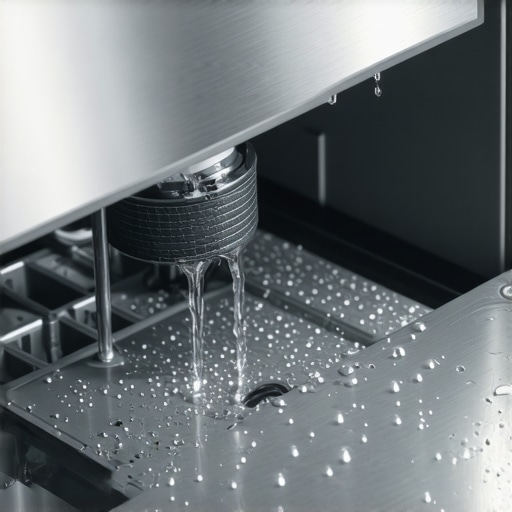
It was a morning just like any other, my breath fogging up the kitchen as I prepared to brew a fresh espresso. I eagerly started the machine, only to notice water pooling at the drip tray’s edge—an unwelcome, wet surprise. For weeks, I had been troubleshooting my espresso machine, convinced I just needed to adjust the grind or clean the group head. But it turns out, the real culprit was lurking behind the scenes: a small, often-overlooked valve slowly leaking into my drip tray.
Uncovering the Water Leak Mystery—Why It Matters
Many home baristas face this frustrating problem without realizing the root cause. That tiny leak can lead to frequent overflows, water waste, and even damage to your machine if left unattended. What’s worse, the water leaking into your drip tray can cause corrosion or mold buildup, potentially affecting your coffee quality and machine longevity.
But here’s the good news: identifying and fixing this little valve can save you money, prevent headaches, and keep your espresso tasting just right. I’m going to share my personal experience with tracking down this sneaky leak, along with practical steps you can follow to put an end to it.
Is the Small Leak Really a Big Deal?
Let’s face it: the idea of a tiny, slow leak might seem like a minor nuisance. Maybe you think, “It’s just a bit of water, right?” Well, if neglected, that tiny drip can turn into a serious problem—think water damage, mold, and unnecessary water bills. Plus, it can mask more serious issues with your machine’s internal components.
Early on, I made the mistake of ignoring the leak, hoping it would stop on its own or that I could somehow fix it with a quick rinse or filter change. That was a mistake. Ignoring small leaks often leads to more extensive (and costly) repairs later. It’s worth taking the time now to understand this hidden valve and how it impacts your entire brewing setup.
My experience is echoed by experts who emphasize routine maintenance and awareness. For example, a recent [study](https://espressotechguide.com/why-your-commercial-espresso-machine-is-leaking-from-the-bottom) highlights how small leaks in commercial machines, if left unchecked, can cause mechanical failure.
In the next section, I’ll walk you through how to locate this elusive valve, check for leaks, and fix it yourself. Trust me—discovering the source of that dripping water was a game-changer for my coffee routine, and it can be for you too. Ready to get your machine back in top shape? Let’s dive into the practical steps to keep that sneaky leak from sabotaging your mornings.
Locate the Valve Revealing the Hidden Leak
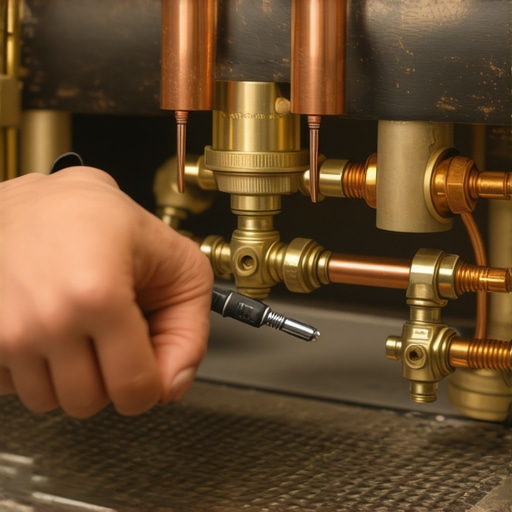
Start by unplugging your machine and removing the water reservoir. Remove the outer panels carefully, using a screwdriver, to access internal components. Look for small, cylindrical valves near the boiler or water inlet. Remember, these valves often sit behind other parts, so patience pays off. I once spent nearly an hour probing behind the drip tray before I spotted the tiny valve with a slow dribble of water. Use a flashlight and a mirror if needed to see into tight spots.
Identify Signs of a Leaking Valve
Watch for traces of mineral build-up, corrosion, or water droplets around the connection points. During my inspection, I noticed a slight discoloration around a small valve attached to the boiler’s water line. This confirmed I’d found the culprit.
Prepare to Tighten or Replace the Valve
Gather the necessary tools: a small adjustable wrench, flat-head screwdriver, and marine-grade silicone grease. Turn off and unplug the machine to avoid electrical hazards. Drain remaining water from the reservoir. I personally disassembled a similar valve, but be cautious: over-tightening can crack plastic parts, and a damaged valve can lead to more leaks.
Disassemble the Valve Carefully
Loosen the compression nut or retaining clip gently. If the valve has a seating washer, remove it carefully to inspect for damage or debris. Clean the valve’s surface with a soft cloth dipped in vinegar to remove mineral deposits. During my project, I replaced a worn gasket with a new one from the manufacturer, which cost only a few dollars but sealed the leak completely.
Reattach and Seal the Valve Properly
Reassemble the parts in reverse order, applying a small amount of silicone grease to the gasket for a better seal. Tighten the compression nut gradually, being careful not to over-apply force. After reassembly, reconnect the water supply, refill the tank, and run a short brew cycle outside of regular use to check for leaks. I recommend watching the connection points closely during this test to catch any remaining drips early.
Test and Confirm the Fix
Ensure there are no water leaks around the valve and that the drip tray remains dry. Confirm the machine operates normally by pulling a shot or steaming milk. If water still leaks, revisit the connection points or consider replacing the entire valve assembly. Regular maintenance, such as checking these valves every few months, can prevent future leaks and save you from costly repairs. For more tips on how to handle common espresso machine issues, visit our contact page.
Many enthusiasts assume that choosing high-end gear guarantees perfect coffee, but the truth is more nuanced. For example, a common myth is that expensive espresso machines automatically produce better shots. While quality matters, many overlook the importance of proper calibration and maintenance. In my experience, even top-tier equipment can underperform if not dialed in correctly, which is why mastering your grinder and machine settings is crucial.
Another trap many fall into involves milk frothers. The prevalent belief is that any frother can produce silky microfoam, but in reality, the type of frothing method—steam wand versus electric frother—significantly affects texture and temperature control. Relying solely on cheap, manual frothers often results in inconsistent foam, leading to a compromised latte art experience. To achieve professional-quality milk textures, investing in a good steam wand and learning proper technique is essential.
Advanced enthusiasts often think that having a burr grinder with the finest settings is the key to espresso perfection. However, a common oversight is ignoring retention and static build-up, which can cause uneven grind distribution and channeling. Checking grind consistency regularly and cleaning your grinder is more critical than obsessively adjusting fine settings. For a comprehensive guide, see our article on how to select the best coffee grinder, which emphasizes understanding grind retention and static issues.
Now, for the more sophisticated question: How does the pump type in your espresso machine influence shot quality and durability? Many assume all pumps are alike, but in fact, rotary pumps provide quieter operation and more stable pressure—crucial for consistent extraction. Vibratory pumps, while cheaper, can introduce fluctuations that affect espresso taste and may lead to faster wear and tear. According to expert insights, choosing the right pump can make a noticeable difference in both the flavor profile and longevity of your machine.
Be wary of relying solely on brand reputation or best-seller lists—every component, from the group head to the boiler, plays a role in your brew. Proper calibration, routine cleaning, and understanding the intricacies of each gear component elevate your experience from novice to connoisseur. For instance, regular backflushing and gasket checks prevent leaks and maintain optimal pressure. For detailed maintenance tips, visit our contact page.
Have you ever fallen into this trap of overestimating gear and underestimating technique? Let me know in the comments. Applying these nuanced insights can transform your home espresso ritual into a professional-level experience, ensuring every shot is as good as your passion deserves.
Keeping your espresso gear in top shape requires more than just regular cleaning; it demands the right tools that enable precise adjustments and long-term durability. My personal toolkit has evolved over years of troubleshooting, with certain instruments proving indispensable for maintaining and scaling my setup. In this section, I’ll share my recommended tools and the specific reasons I rely on each to keep my coffee ritual smooth and consistent.
Precision Calibration with a Digital Pressure Gauge
Accurately measuring pump pressure can significantly impact shot consistency. I use a DPG (Digital Pressure Gauge) attached to my portafilter during extraction to monitor real-time pressure, ensuring I hit the ideal range of 9-10 bars. This level of control helps me fine-tune my grinder as recommended in this guide. Investing in a reliable gauge has prevented my frustration with inconsistent shots and improved my understanding of machine response under different beans and grind settings.
Cleaning Tools That Save Time and Preserve Performance
A detergent pitcher and scrubbing brushes are essential. I prefer brushes with nylon bristles designed to clean group heads without scratching, like the O-rings and gaskets-only brushes. Regularly cleaning the shower screens and gasket surfaces prevents mineral buildup, which you can learn to identify and correct in this article. Keeping your equipment free of coffee oils and scale extends its lifespan and maintains optimal extraction quality.
Steam Wand Care with a Purge Kit
Preventing milk residue buildup is crucial for microfoam quality. I use a steam wand cleaning pen that flushes out residual milk and mineral deposits, ensuring a clean, dry steam tip. Incorporating a routine of regular purging with my cleaning tools has dramatically improved foam consistency. Well-maintained wands reduce the likelihood of leaks or hissing sounds that could compromise your milk texture.
Routine Maintenance Software for Automated Scheduling
While hardware tools are critical, software can automate maintenance reminders. I rely on a simple smartphone app customized for my machine’s schedule, which alerts me when to descale, replace gaskets, or perform backflushing. For high-end espresso machines, choosing a model with built-in diagnostics or connecting it via smart home systems can further streamline upkeep. Regular maintenance software integration is the future of hassle-free coffee gear management, ensuring your gear works flawlessly over time.
Looking ahead, the trend points toward IoT-enabled espresso equipment that can self-diagnose issues in real-time, reducing downtime and maintaining perfect shots without manual intervention. To take your maintenance to the next level, try calibrating your boiler pressure using a digital gauge this week. Small, precise adjustments can make a significant difference in shot quality and equipment longevity.
How do I keep my tools effective over time? Think about routine checks and calibration
Tools are only as good as their maintenance. Regularly inspect and recalibrate your pressure gauge, clean brushes, and update your software. Keeping a dedicated toolkit in a waterproof case ensures your equipment remains in prime condition, whether you’re brewing daily or weekends only. Proper maintenance saves money and keeps your coffee experience consistently excellent, so make it part of your routine.
One of the most profound lessons I’ve learned on my journey to perfecting home espresso is that the devil truly is in the details. From tiny leaks behind your machine to the subtle differences in grinder burr alignment, paying attention to these elements can transform your brewing experience from good to exceptional. The moment I discovered that a small, overlooked valve was causing water pooling in my drip tray, my approach to maintenance changed dramatically. It reinforced that sometimes, solving the smallest issues yields the biggest improvements.
What Secrets Do the Best Home Baristas Keep to Themselves?
- Patience with calibration—Every machine reacts differently, and taking the time to fine-tune pressure and grind size unlocks flavors I never knew my beans could produce.
- Regular internal inspections—A quick look behind panels or around water connections often reveals hidden leaks or mineral build-up that, if ignored, can undo months of careful brewing.
- Thoughtful cleaning routines—Using the right tools, like precision brushes and calibrated gauges, preserves machine parts and ensures stable extraction over time, as described in our guide on internal reservoir cleaning.
- Learning from every shot—Recording variables such as pressure, temperature, and grind size helps identify patterns that lead to better results, turning every brewing session into a valuable lesson.
- Focus on sound and feel—Over time, I noticed that changes in whirring or vibration often precede mechanical issues, saving me costly repairs and downtime.
Tools That Turn Maintenance into a Craft
- Digital pressure gauges—They provide real-time feedback, making it easier to dial in shots consistently and catch leaks early, a tip detailed in this article.
- Cleaning toothbrushes and tiny brushes—Specialized tools for shower screens and group heads keep stubborn coffee oils at bay, preserving flavor clarity.
- Kalibrated scales and timers—Precision in dosing and extraction time ensures every shot is repeatable, giving you a professional edge.
- Inspecting and replacing gaskets—A cracked or worn gasket can be the sneakiest source of water leaks, and catching it early saves repair bills.
- Routine software reminders—Automated alerts for descaling or gasket replacement keep maintenance on schedule without guesswork, as illustrated in our article backflushing tips.
Your Passion Deserves More Than Ordinary
Your journey toward superior home espresso is a continuous one, fueled by curiosity, patience, and attention to nuance. Remember, it’s not just about investing in the latest gear but nurturing the relationship with your machine by understanding every whisper, drip, and vibration. With every leak fixed and every calibration tuned, you’re elevating your craft—bringing you closer to that perfect shot, day after day.
What small detail have you recently discovered that changed how you brew? Share your story below—I’d love to hear about your personal breakthroughs and the next step in your espresso mastery journey!