Why Your Steam Wand Spits Water Instead of Vapor
Ever flicked the steam wand on your espresso machine, only to be greeted not with a silky stream of vapor, but with a burst of water that splatters your hands and counter? I’ve been there—thinking I’d somehow broken my setup or was just bad at steaming milk. That frustrating moment of realizing that instead of the smooth microfoam I crave, I’m battling against water spraying everywhere. It’s like trying to tame a wild dragon with a squirt gun.
The First Clue: It’s More Common Than You Think
That water spitting from your steam wand isn’t just a minor annoyance; it’s a sign that something’s not quite right in your espresso routine. Honestly, I used to dismiss it as a harmless quirk—until I noticed my milk wouldn’t froth properly, and my shots started tasting flat. Turns out, this issue can stem from several causes, from pressure problems to maintenance neglect. And believe me, fixing it is usually easier than you think.
Today, I promise to help you get your steam wand back to producing that perfect, velvety vapor. We’ll walk through the common reasons behind water spitting and find practical solutions that you can implement without needing a degree in mechanical engineering. If you’re tired of watery mishaps messing with your espresso game, stick around — this guide will set things straight.
Is Your Steam Wand Really Worth the Hype?
I remember early on, I made the mistake of ignoring the importance of regular cleaning and descaling, thinking my machine was just old. That oversight cost me precious time and ruined shots I thought I couldn’t fix. Trust me, neglecting basic maintenance can turn your steamer into a water fountain. If you’re feeling skeptical about whether these fixes are worth trying, consider this: many issues stem from simple, overlooked causes. Proper care can save you money, improve your espresso quality, and preserve your equipment’s lifespan. Curious about how to properly maintain your machine? You might find this post on cleaning your boiler surprisingly helpful.
Inspect and Clean Your Steam Wand Regularly
Begin by removing the steam tip and soaking it in a mixture of warm water and vinegar for 15-20 minutes. Use a small brush or pin to clear any mineral deposits or milk residue blocking the perforations. I once forgot to do this for weeks, and my water spitting worsened; after a thorough soak and brush, the issue reduced significantly. Regular cleaning prevents mineral build-up that causes water to squirt instead of vapor.
Check for Leaks and Tighten Connections
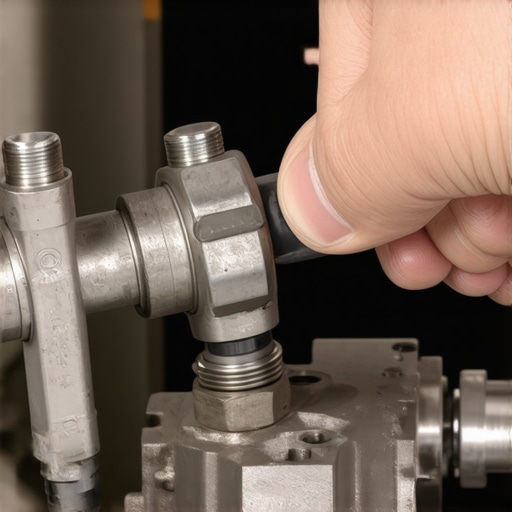
Examine the connection point where the steam wand attaches to the boiler. Loosened or worn-out gaskets can cause water leaks during steaming. Tighten the connection carefully; if water continues to escape, inspect the gasket for cracks or damage and replace it if necessary. I once found my gasket cracked, which caused water backflow; replacing it stopped the spitting entirely. Ensuring a snug, leak-free connection maintains proper pressure and vapor flow.
Verify Your Boiler Pressure and Settings
High or inconsistent boiler pressure can lead to water being forced out through the wand. Use your machine’s pressure gauge to confirm it’s within the manufacturer’s recommended range (usually around 1-1.5 bars for home espresso machines). If pressure is too high, adjust the pressurestat according to your machine’s manual or seek professional calibration. I once neglected to check pressure, causing frequent water spits; adjusting it made steaming smoother and quieter. Proper pressure ensures microfoam formation without water ejection.
Inspect the Safety Valve and Vacuum Breaker
Water spitting can also be caused by a faulty vacuum breaker or safety valve that doesn’t release excess pressure properly. To test this, listen closely during steaming; a hissing sound indicates it’s working. If silent or stuck, you may need to replace these parts. I fixed a persistent spitting issue by replacing a leaky vacuum breaker, which restored normal operation. Regularly testing and maintaining these safety components keeps the pressure stable and prevents water from leaking into the wand.
Adjust Steaming Technique and Temperature
Sometimes, water spatter occurs due to technique rather than hardware. Avoid inserting the wand too far into the milk pitcher and keep the steam tip just below the surface to prevent splashing. Also, ensure your steam boiler reaches the optimal temperature (around 140-150°C or 284-302°F). I once tried to steam colder milk, which resulted in sputtering; pre-warming the milk pitcher and maintaining proper temperature improved vapor consistency. Fine-tuning your technique minimizes water carryover and produces silky microfoam.
Address Mineral Build-Up with Descaling
Minerals from water deposits can obstruct internal pathways, forcing water out through the wand. Descale your espresso machine at least once every 3-6 months using a descaling solution suitable for your machine. Follow your manufacturer’s instructions carefully. I neglected descaling once, leading to a clogged wand and water spitting; after descaling, the problem vanished. Consistent descaling preserves internal components and ensures smooth vapor flow.
Consult a Professional if Necessary
If after following these steps water still spits from your wand, it might be time to seek expert help. Internal components like the pressurestat or boiler may need professional calibration or replacement. Additionally, consider reviewing detailed resources such as how to fix a leaky vacuum breaker valve for specific issues. Addressing complex mechanical problems early prevents further damage and costly repairs.
Many home baristas and coffee lovers operate under misconceptions about their equipment and brewing techniques, often unknowingly sabotaging their results. While it’s common to focus on grind size or water temperature, there are subtler aspects that can make or break your espresso experience. Let’s explore some advanced nuances that many overlook, along with common myths that need busting.
One prevalent myth is that high-end gear automatically guarantees perfect coffee. In reality, equipment calibration and maintenance are critical; a $2,000 espresso machine won’t perform optimally if it’s not correctly tuned. For example, improper calibration of your espresso machine’s pressurestat can result in inconsistent shot quality, even with the best grinder. Regularly checking and adjusting your machine’s internal settings and understanding how components like safety valves work can prevent issues that cause inconsistent extraction or water spitting.
Another subtle but impactful mistake involves grinder settings. Many believe that dialing the grinder finer always produces better espresso. However, excessively fine grind sizes can lead to high pressure and cavitation in the pump, ultimately damaging the equipment—something that can often be avoided by understanding the grinder’s static buildup and proper dosing techniques. Static can cause grounds to cling, leading to uneven tamping and extraction inconsistencies. For advanced users, mastering techniques like pre-infusion and distributing grounds evenly using WDT methods can significantly enhance shot uniformity.
Have you ever fallen into this trap? Let me know in the comments.
A less obvious factor is the condition of your water. Many assume filtered water is always best, but overly pure or demineralized water can cause mineral deposits inside boilers and pathways, affecting pressure and temperature stability. This, in turn, leads to erratic shots and pressure-related issues, including water spitting during steaming. Regular descaling with the right materials tailored to your machine’s components ensures internal cleanliness without damaging sensitive seals. Check out detailed guides on how to clean your boiler for tips.
Another overlooked nuance is the influence of ambient conditions. High temperatures or humidity can subtly affect machine performance—temperature stability is vital, especially with heat exchangers and PID controllers. Installing a dedicated cooling system or ensuring proper ventilation can mitigate these effects. Even the placement of your machine matters; keeping it away from direct sunlight or heat sources preserves internal temperature consistency.
Finally, keep in mind that the sequence of maintenance steps can influence outcomes. For instance, replacing a worn gasket without also checking the related seals and lever mechanisms can lead to leaks or inconsistent pressure delivery. Address issues holistically by inspecting and maintaining all relevant parts, and consider using proper tools and techniques to ensure your gear performs at its best.
In summary, achieving expert-level espresso isn’t just about the gear; it’s about paying attention to the finer details—calibration, maintenance, technique, and environmental factors. Staying aware of these nuances will elevate your brew and prevent common pitfalls. Want to dive deeper? Explore advanced troubleshooting methods to keep your equipment in top shape and brewing like a pro. Have you ever encountered surprises despite using high-quality gear? Share your experiences below.
Keeping Your Espresso Setup Running Smoothly
Maintaining your coffee equipment isn’t just about occasional cleaning; it involves integrating reliable tools and practices that ensure consistent performance over time. As a seasoned barista, I rely on specific tools that allow me to diagnose, calibrate, and troubleshoot equipment with confidence. One such essential tool is a high-quality precision grinder calibration tool. It helps me re-adjust burr settings after replacements, guaranteeing even grounds and optimal extraction.
Another indispensable device is a digital pressure gauge, which I attach directly to the portafilter or steam wand connection. This gauge provides real-time feedback on pressure stability, a key factor in preventing issues like water spitting from the steam wand or uneven shot pulls. Accurate pressure readings allow me to fine-tune the machine, ensuring long-term reliability. For complex diagnostics, I often reference software like Barista Tech which can connect via Wi-Fi to analyze machine parameters and pinpoint inefficiencies before they escalate.
What’s the Best Way to Maintain Your Coffee Gear Without Overspending
Investing in professional-grade tools is worthwhile, but understanding simple maintenance routines can significantly extend your equipment’s lifespan without hefty costs. Regularly disassembling and inspecting seals, gaskets, and safety valves, combined with dedicated cleaning brushes and descaling solutions, keeps everything in top shape. I personally keep a set of precision screwdrivers and a gasket replacement kit handy; they allow me to handle minor repairs quickly, avoiding expensive service calls.
Technological advancements like smart sensors and connectivity are shaping the future of coffee maintenance, predicting failures before they occur. For instance, IoT-enabled pressure monitors can send alerts directly to your phone if pressures fluctuate beyond acceptable ranges. This proactive approach minimizes downtime and ensures your setup consistently performs at its best.
How do I maintain my equipment over time? Focus on consistency and troubleshooting
Establishing a routine is vital. Schedule monthly descaling, gasket inspections, and cleanliness checks. Use tools such as a grinder squeak tester to identify potential issues early. When a strange noise or pressure inconsistency appears, consult troubleshooting guides like this detailed pump repair resource. Remember, quick action prevents minor glitches from evolving into major failures.
To take your maintenance game further, I recommend adopting a calibration protocol for your grinder and espresso machine. For example, regularly verifying your burr alignment and pressure settings guarantees shot consistency. Lastly, keep a detailed log of your maintenance activities; this historical perspective allows you to spot patterns and anticipate upcoming needs. Give this a try: calibrate your grinder to your preferred fineness and document it. Small adjustments here can dramatically improve your extraction quality and machine longevity.
Few things are more frustrating for a coffee enthusiast than water spitting from the steam wand during frothing. It’s not just a minor hiccup but a sign that your setup might need some love and fine-tuning. After years of tinkering and troubleshooting, I’ve uncovered subtle yet impactful lessons that transformed my approach—lessons I wish I’d learned earlier.
The Hidden Wisdom Behind Water Spitting: Lessons from the Coffee Bench
- Attention to Detail Matters: The smallest gasket crack or mineral deposit can dramatically affect pressure dynamics, reminding me daily that precision in maintenance avoids big headaches later.
- Consistent Routine Is Your Best Friend: Regular cleaning and descaling aren’t chores—they’re investments in the longevity of your gears and quality of your shots. Skipping these steps cost me time and taste.
- Technique Over Hardware: Even with perfect equipment, technique influences outcomes. Small adjustments like keeping the wand at just the right distance prevent water from splattering and spoil your microfoam.
- Environmental Factors Count: Ambient temperature and humidity can subtly influence pressure stability. Positioning your machine wisely and ensuring proper ventilation can be game-changers.
- Knowledge Empowers Action: Familiarity with components like the vacuum breaker and safety valves allows for proactive maintenance, preventing unexpected breakdowns and messy surprises.
Tools That Keep My Espresso Running Flawlessly
- Precision Grinder Calibration Tools: Essential for maintaining consistent grounds and avoiding pressure spikes that cause water to spit. I trust tools like [this calibration kit](https://espressotechguide.com/how-to-calibrate-your-grinder-after-replacing-the-burrs) for peace of mind.
- Digital Pressure Gauges: Real-time pressure feedback in my workflow helps me fine-tune and catch issues before they escalate. A must-have in any home barista’s toolkit.
- Reliable Descaling Solutions: Regular descaling with high-quality products protects internal pathways from mineral build-up, ensuring smooth vapor and water flow. Combining this with internal component inspections minimizes surprises.
- Technical Guides and Community Resources: Connecting with seasoned hobbyists and professional guides, like [the comprehensive tips on cleaning copper boilers](https://espressotechguide.com/how-to-clean-the-inside-of-a-copper-boiler-without-removing-it), gives me a strategic edge.
Your Espresso Journey Is Just Beginning
Every tweak and adjustment deepens your connection with your machine and enhances your craft. Embrace the learning curve; every challenge like water spitting is an opportunity to refine your skills and deepen your appreciation for this beautiful art. Remember, the path to perfect microfoam and rich espresso isn’t about instant perfection but persistent dedication and curiosity. Are you ready to tackle those stubborn issues and elevate your home espresso game? Share your experiences or questions below — your journey starts here.