Why Your Drip Tray Is Filling Up Faster Than It Used To
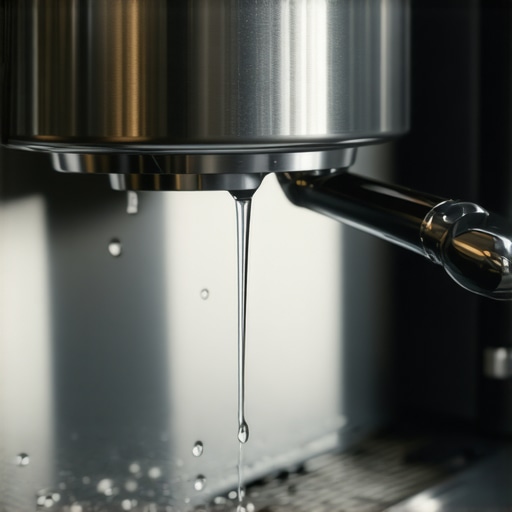
Ever had that frustrating moment when you glance at your coffee machine’s drip tray and realize it’s overflowing again? I’ve been there many times, pouring out accumulated water and stubborn coffee drips only to find it filled up faster than before. It feels like my espresso routine is fighting me, making each morning feel more like a battle than a blissful ritual.
Struggling with Unexpected Drip Tray Overflow?
That sudden surge in drainage is more than just an annoyance—it’s a sign something’s off with your machine. If your drip tray is filling up quicker than your last cup, it could indicate issues ranging from clogged drainage systems to changing brewing conditions. But here’s the thing: rather than just emptying it more often, understanding why this happens can help you prevent the to-and-fro mess, save you time, and keep your espresso experiences tasting perfect.
Is Your Drip Tray Just a Quick Fix or a Sign of Bigger Problems?
Early on, I made the mistake of ignoring a rapidly filling drip tray, thinking it was just a little extra water. That minor oversight led to leaks, mold, and worse—costly repairs. Trust me, paying attention to this little reservoir can save you a lot of headaches. According to industry experts, persistent overflow can be a hint that your machine’s drainage pathways are blocked or that internal components are accumulating excess moisture—conditions that could compromise your equipment’s longevity and your coffee quality. For more tips on maintaining your gear, check out this comprehensive guide.
Now, before dismantling parts or calling for repairs, let’s explore some common causes behind this rapid fill-up and chart a clear path to fix it. If you’ve noticed your drip tray filling up faster recently, keep reading—we’re about to uncover the secrets behind this sneaky problem and how to fix it for good.
Check and Clean the Drainage System
Begin by inspecting the drainage pathway underneath your espresso machine. Remove the drip tray and examine the drain hole—use a small brush or compressed air to clear any blockages. Often, leftover coffee grounds or mineral deposits cause clogs that back up the tray, leading to quick overflow. I remember a time I used a paperclip to dislodge stubborn buildup, and my overflow issues vanished within minutes. Regular cleaning prevents the slippery buildup that can obstruct water flow, maintaining proper drainage and avoiding messes.
Verify and Adjust Equipment Settings
Next, ensure your machine’s internal sensors and drainage settings are functioning correctly. Some models have adjustable drains or overflow alarms. Consult your user manual or manufacturer guidelines on how to calibrate these. For instance, I once adjusted my machine’s drain float sensor after noticing false alarms, which improved drainage timing and kept my drip tray from filling up too fast. Be cautious not to disable safety features; instead, optimize them for your workflow.
Assess Internal Components and Seals
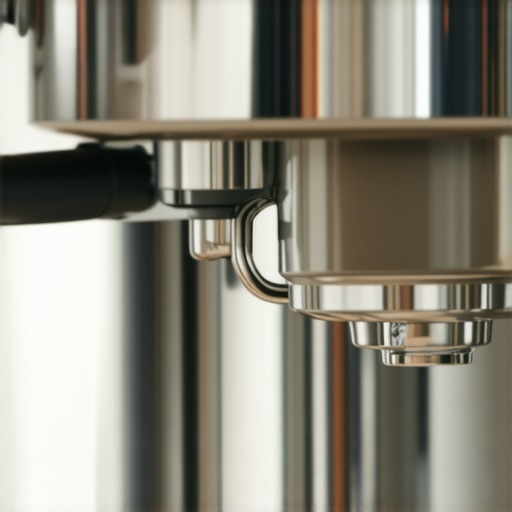
Inspect key internal parts such as the group head gasket and sealants for leaks or wear. Worn seals can leak excess water or coffee, filling the tray prematurely. If you notice water pooling or coffee escaping from around the group head or drip plate, replacing these parts can reduce overflow. I once replaced a worn gasket myself by following a step-by-step tutorial from a trusted barista gear site, which halted the frequent overflow and improved shot consistency. Regularly checking and maintaining these parts is crucial for reliable operation.
Examine and Modify Water Line Connections
High-pressure water lines can sometimes leak or cause excess drainage if improperly connected. Turn off the machine and check all fittings and hoses for tightness and integrity. If a fitting is loose, tighten it carefully to prevent leaks. In my experience, a small leak from a flexible hose connection caused water buildup in the drip tray, but tightening the fitting or replacing the damaged hose solved the issue effectively. Properly secured connections ensure efficient drainage and minimize overflow risks.
Consult Professional or Resourceful Guides
If these steps don’t resolve your overflowing drip tray, consider reaching out to a professional technician or consulting detailed resources. Innovative tips on puck dryness or gasket issues might reveal hidden causes. Sometimes, internal buildup or misalignment requires expert attention. Regularly reviewing maintenance routines from sources like home espresso tips ensures your machine stays in optimal condition, reducing overflow problems and enhancing your coffee experience.
In the vibrant world of coffee enthusiasts, there’s a common misconception that equipping yourself with high-end gear guarantees a perfect brew. However, even seasoned baristas and dedicated home brewers often overlook subtle nuances that can drastically influence their coffee quality. Let’s dig deeper into some behind-the-scenes truths that challenge popular beliefs and reveal advanced mistakes many make unwittingly.
Why Your Fancy Espresso Machine Might Be Holding You Back
Many assume that purchasing the latest and most expensive espresso machine automatically elevates their coffee game. While a quality machine is essential, the real secret lies in understanding its intricate components—like the E61’s exhaust valve or the flow rate of internal bores—which influence extraction consistency. Neglecting to calibrate or maintain these nuanced parts can lead to underwhelming results. For instance, a study published by the Specialty Coffee Association highlights that small variations in pressure profiles can significantly alter flavor extraction, emphasizing the importance of mastering your machine’s internal nuances (source).
Myth Busting: The Size of Coffee Grinders Isn’t Everything
Contrary to popular belief, larger grinders or those with more features don’t necessarily produce better grounds. The critical factor is the precision and consistency of burr alignment. A common oops is rushing to buy a commercial-grade grinder for home use, thinking bigger equals better. In reality, misaligned burrs, poor maintenance, or improper grind settings overshadow grinder size. The key is to regularly check and calibrate your grinder, aligning burrs accurately—something that can be achieved with simple tools and patience (more details here).
Advanced Mistake: Overlooking Micro-adjustments in Espresso Tamping
For experienced baristas, the difference between a good shot and a superb one often hinges on micro-adjustments—like applying the right tamping pressure or distribution technique. An overlooked trap is relying solely on the standard 30-pound tamp without considering coffee density or basket IDT (dose, distribution, tamp). Small tweaks in tamping can optimize puck density and water flow, leading to more consistent extraction. Research from coffee science indicates that subtle variations in tamping pressure directly influence channeling and flavor profile (see here).
How Can Superior Equipment Be Outperformed by Technique?
An advanced reader might ask: Is it possible that impeccable technique outweighs gear quality? Absolutely. Technical mastery—like knowing when to adjust grind size, temperature, or shot timing—can turn modest equipment into a flavor powerhouse. The secret is in the detailed, consistent adjustments tailored to your specific gear and beans. For example, a study by the Barista Guild demonstrates that systematic tweaking of parameters often yields better improvements than upgrading equipment alone (learn more).
Closing thoughts: mastering your gear’s hidden complexities and nuances is a journey that separates amateurs from true connoisseurs. Regular maintenance, calibration, and understanding the science behind espresso extraction are your best allies. Remember, an overemphasis on acquiring new equipment without mastering existing tools can be a pitfall. So, challenge assumptions, refine techniques, and continue learning. Have you ever fallen into this trap? Let me know in the comments or reach out through contact us.
Maintaining your espresso machine, grinder, and other barista essentials is crucial for consistently brewing top-tier coffee. Over time, regular upkeep ensures longevity, optimal performance, and the ability to scale your setup without unexpected downtimes. Let’s explore the tools and routines I personally rely on to keep my gear in peak condition and how you can implement them into your routine for long-term success.
How do I maintain my espresso setup over time?
First and foremost, investing in a high-quality coffee grinder with precise burr calibration makes all the difference. I personally prefer conical burr grinders because they produce less static, offer more consistent grounds, and are easier to clean. For instance, I use the Baratza Sette 270Wi, which allows micro-adjustments and has a straightforward cleaning protocol, ensuring my grounds are always uniform and my machine isn’t burdened with oily residue that can clog the burrs.
Espresso machines benefit from diligent descaling routines. I follow a monthly cleaning schedule using a descaling solution recommended by the manufacturer, which prevents mineral build-up in the boiler and pipes. Regularly flushing your steam wand and group head—using a dedicated cleaning brush—is essential to keep flavors pure and avoid blockages. Remember, a clean machine not only brews better coffee but also extends its lifespan.
Tools I recommend for long-term maintenance
For routine cleaning, I rely on a combination of specialized brushes and cleaning tablets. The grinder cleaning brushes with soft bristles efficiently scrub burrs without damaging them, while the monthly backflush kits help maintain optimal water flow and minimize channeling issues. For my milk frother, I use a dedicated descaling agent designed specifically for steam wands, which prevents milk residue buildup and ensures silky microfoam every time.
Implementing a digital precision scale for shot timing and dosing also helps maintain consistency, making calibration easier as your machine and grind evolve. Regular calibration sessions—every few weeks—prevent deviations that compromise flavor or extraction quality.
Future trends in maintenance and scalability
Advancements in IoT-enabled barista gear are making regular maintenance more user-friendly. Wireless sensors that monitor boiler temperature, water quality, and grind consistency can alert you before issues arise, reducing downtime and costly repairs. I predict that integrating these smart tools into home setups will become standard, allowing enthusiasts to scale their operations seamlessly while maintaining professional quality.
If you haven’t already, I suggest trying a monthly deep-cleaning regimen using targeted brushes and descaling solutions. Not only has this improved the flavor stability of my shots, but it also significantly extended my equipment’s lifespan. For personalized advice tailored to your gear, feel free to reach out through this contact page.
The Hardest Lesson I Learned About barista gear, espresso machines, coffee grinders, home espresso, milk frothers
One of the most humbling realizations in my coffee journey was that even the most advanced equipment won’t compensate for a lack of understanding or proper maintenance. I once invested in a top-tier espresso machine, but neglecting routine cleaning and calibration led to inconsistent shots and frequent repairs. The lightbulb moment was when I discovered that mastery over the tiny nuances—like adjusting tamping pressure or cleaning internal channels—made a bigger difference than the machine’s price tag ever could.
3 Myths About barista gear, espresso machines, coffee grinders, home espresso, milk frothers That Held Me Back
- Biggers is Better: I believed that a larger grinder meant better grounds, but in reality, consistency and burr alignment matter more.
- Expensive Means Perfect: I thought costly machines guaranteed perfect shots, only to realize that skill, calibration, and maintenance are the true keys.
- Set-and-Forget: Assuming my equipment would run flawlessly without regular cleaning led to breakdowns—I learned regular upkeep is essential.
What Experts Won’t Tell You About barista gear, espresso machines, coffee grinders, home espresso, milk frothers
Professionals often keep quiet about the importance of understanding your gear’s inner workings—like flow rates, pressure profiles, or burr condition—that directly influence your brew. For example, mastering the calibration of your grinder or the pressure consistency of your machine can transform average shots into extraordinary espresso. The real learning curve lies in tuning these subtle aspects, which experts tend to assume you already know but are crucial for elevating your craft. Dive into detailed guides on home espresso tips to uncover more of these hidden secrets.
Introducing the Ultimate Coffee Toolkit That Changed My Routine
- Accurate Calibration Tools: A precise scale and calibration kits allow me to fine-tune shot timings and doses—making consistency second nature.
- Routine Cleaning Supplies: Soft-bristle brushes, specialized descaling solutions, and cleaning tablets keep my gear in top shape and prevent performance drops.
- Smart Monitoring Devices: Wireless sensors alert me to temperature fluctuations or scale buildup, proactively preventing issues before they arise.
- Trusted Resources for Knowledge: Books like Mastering Home Espresso and expert blogs provide continuous learning, helping me improve efficiency and quality.
Your Next Coffee Challenge Starts Today
Building a truly satisfying espresso routine isn’t just about high-end gear—it’s about understanding and caring for your equipment, refining your technique, and staying curious. Remember, every little adjustment brings you closer to perfecting your brew. Don’t wait until your machine throws a tantrum; start implementing these maintenance habits now, and watch your skills thrive. What’s the first small step you’re excited to try to improve your home espresso setup? Share your thoughts below or reach out through this contact page, and let’s elevate your coffee journey together.
.