Why Your Espresso Machine Is Making a Rattling Noise During Heat-up
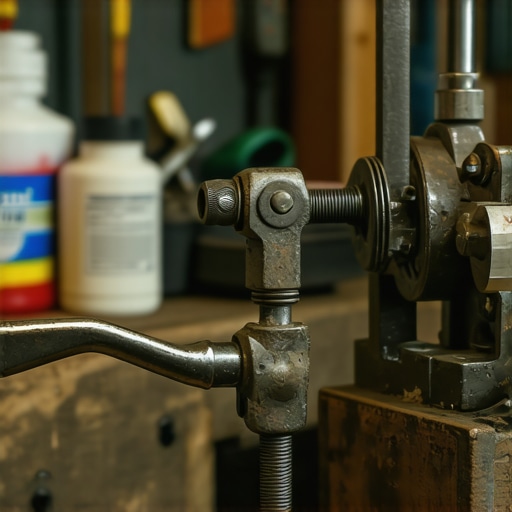
Imagine this: it’s 6:30 AM, the house is dead silent, and you’ve just flipped the switch on your prized Italian beauty. You’re dreaming of a syrupy ristretto, but instead of the gentle hum of a boiler, you get a sound like a bag of wrenches in a dryer. Clatter, clatter, bang. My first machine did this so loudly I thought the boiler was going to launch through the kitchen ceiling. I remember frantically grabbing a kitchen knife to tighten every visible screw, only to realize I was scratching my stainless steel for no reason. That morning, I didn’t get caffeine; I just got a headache and a very expensive vibrating paperweight. If your machine sounds like it’s trying to walk off the counter while it warms up, you aren’t alone, and you probably don’t need a technician yet.
That Rattle is Ruining My Morning Ritual
The reality is that espresso machines are essentially pressurized metal boxes filled with moving parts, water, and heat. When things start to expand, they move. I spent years thinking my pump was failing, but most of the time, the fix is much simpler than a total teardown. We are going to pinpoint exactly where that racket is coming from so you can go back to enjoying your home espresso in peace. Whether it’s a loose internal clip or just the way your cup warmer sits, I’ve likely broken it and fixed it before. Sometimes, you just need to learn the simple cardboard trick to quiet a vibrating machine before you start ordering replacement parts.
Is my machine actually breaking or is this just normal?
I get it. You spent a paycheck on this gear, and any noise that isn’t ‘smooth’ feels like a disaster. But here is a surprising fact: the Specialty Coffee Association notes that vibration is an inherent byproduct of the high-pressure pumps required for true espresso. The trick is distinguishing between the healthy ‘work’ of the machine and the ‘I’m falling apart’ rattle. Early on, I made the mistake of ignoring a specific metallic pinging, thinking it was just ‘character.’ It turned out to be a copper pipe vibrating against the frame, which eventually led to a hairline fracture. You want to avoid that. If you’ve ever noticed your drip tray vibrating across the counter, you know how annoying the small stuff can be. Have you ever felt like your machine was literally trying to tell you something was wrong, or do you think I’m just being overprotective of my gear? Let’s look at what’s actually happening inside that shell when the heat turns on. Sometimes, it’s just a matter of knowing how to quiet down a noisy rotary pump or checking if your boiler is accumulating lime scale, which can cause its own set of strange acoustic signatures.
Hunt Down the Racket Before You Pull Your Hair Out
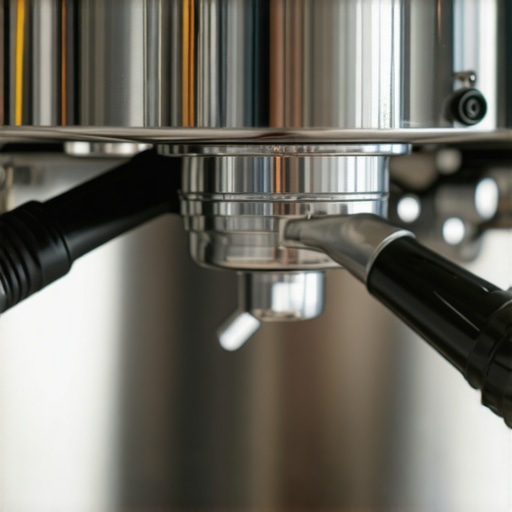
The easiest way to think about your espresso machine is like a small, high-pressure drum kit. When that vibration pump kicks in, it sends a rhythmic pulse through everything—the copper lines, the frame, and even the cups sitting on top. If anything is even slightly loose, it’s going to sing, and not in a good way. I usually start by stripping the machine of its external ‘jewelry.’ Remove the drip tray, the cup warming rail, and the water tank lid. Run the pump. If the silence is deafening, you’ve found your culprit. Most of the time, you just need to learn how to stop your drip tray from vibrating across the counter by using thin adhesive silicone dots or a well-placed piece of electrical tape.
Put a Stop to the Countertop Shuffle
Sometimes the machine doesn’t just rattle; it migrates. I once had a small single-boiler machine that would vibrate so hard it ended up three inches away from where I started the shot. This ‘vibration walking’ is usually a sign of hardened rubber feet or an uneven surface. If your machine is doing the Macarena while you brew, you need to know how to stop your espresso machines feet from vibration walking. Swapping out old, dried-up rubber for soft silicone feet acts like shock absorbers on a mountain bike, soaking up the energy before it hits your granite. 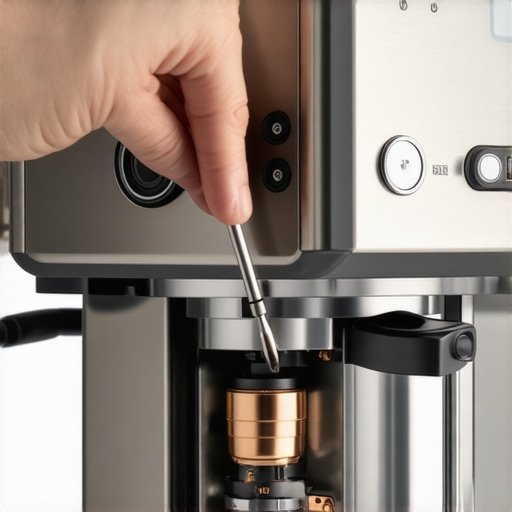
Check for Metal Touching Metal Inside the Case
If the noise persists even with the tray off, it’s time to go under the hood. Warning: Always unplug the machine first. Inside, you’ll see copper or braided lines. If a copper pipe is resting against the stainless steel case, it creates a ‘buzz’ that sounds like a hornet’s nest. I remember a Saturday morning where I spent three hours tracking a high-pitched whine on my dual-boiler. I eventually found a single Teflon tube vibrating against the internal frame. My high-tech fix? A single plastic zip tie to pull the tube a quarter-inch away from the metal. It was a five-cent solution to a problem that sounded like a $500 repair. While you’re in there, it’s a good idea to check how to properly lubricate your e61 group head cam if you have a lever-style machine, as mechanical friction adds its own layer of unwanted noise.
Quiet the Pump Itself
Vibration pumps are inherently louder than their rotary cousins. If yours sounds extra angry, it might be that the rubber mounts holding the pump to the frame have perished. These mounts are the only thing keeping that buzzing motor from turning the entire chassis into a giant speaker. If you’ve upgraded to a higher-end machine and it’s still too loud, you might need to look into how to quiet down a noisy rotary pump, which usually involves checking for air bubbles or cavitation. For those of us with the standard ‘click-clack’ vibe pumps, using the simple cardboard trick to quiet a vibrating machine under the reservoir can dampen the sound enough to keep your neighbors from calling the cops at dawn.It’s a common trap to think that more expensive gear equals a better cup. In reality, I’ve seen $500 setups outperform $5,000 ones because the owner understood the chemistry, not just the buttons. While we’ve talked about physical vibrations, the most ‘noisy’ problems are often the ones you can’t hear.
Freshness Can Actually Ruin Your Morning Shot
Everyone tells you to buy fresh beans, but in my experience, beans that are too fresh are a nightmare for consistent extraction. We are taught to hunt for the most recent roast date, yet pulling a shot of beans roasted yesterday results in a carbonated, sour mess. The Specialty Coffee Association (SCA) and the Barista Guild have often highlighted that coffee needs a degassing period—typically 5 to 14 days—to allow CO2 to escape. Without this rest, the gas creates micro-pockets of resistance in your puck, leading to massive channeling. This is exactly why your freshly roasted beans are making your espresso taste like grass. You aren’t tasting the origin; you’re tasting the chemical byproduct of a roast that hasn’t settled yet.
Why Does My Luxury Setup Still Taste Like Grass?
If you are using a high-end machine and your coffee tastes sharp or underdeveloped, the culprit is rarely the pump pressure. It is almost always a combination of degassing issues and improper temperature management. Even the top rated espresso machines for coffee lovers in 2025 can’t fix a bean that isn’t ready to be brewed. Advanced users often overlook that as beans age, their solubility changes, meaning your ‘perfect’ setting from Tuesday might be completely wrong by Friday. This is why your grinder settings feel like they changed overnight. It’s not a ghost in the machine; it’s the beans losing moisture and CO2.
Don’t Let Your Grinder Become a Bottleneck
The biggest ‘Oops’ factor I see in the community is what I call ‘Machine-First Syndrome.’ People spend thousands on a shiny dual-boiler but try to save money by choosing a coffee grinder that isn’t up to the task. Your espresso machine is just a fancy water heater; your grinder is the architect of your flavor. If your grinder has high retention, you are always brewing a mix of today’s fresh grounds and yesterday’s stale leftovers. This is a primary reason why your espresso shot volume varies even with the same dose. You might think you put 18 grams in, but if 2 grams are ‘stuck’ in the chute from three days ago, your flavor profile is compromised before you even hit the brew button. 
The Maintenance Myth That Destroys Boilers
Most enthusiasts are terrified of scale, but they make the mistake of using harsh chemicals or the dreaded ‘vinegar trick.’ I’ve seen more machines ruined by DIY descaling than by actual mineral buildup. Vinegar is far too acidic for the delicate copper and brass internals of high-end gear, and it can leave a lingering taste that ruins your shots for weeks. You must learn the best way to descale a boiler without using harsh vinegar to preserve the lifespan of your heating elements. If you ever find that the reason your espresso tastes metallic after descaling is due to stripped metal inside your pipes, you’ll realize that ‘preventative maintenance’ can be a double-edged sword if done poorly. Have you ever fallen into the trap of thinking new gear would solve a technique problem? Let me know in the comments.I’ve realized over the years that the difference between a machine that lasts three years and one that lasts fifteen isn’t the price tag—it’s the owner’s willingness to look at the small parts. You can buy the most top rated espresso machines for coffee lovers in 2025, but if you ignore the mineral content in your water or the buildup in your group head, you’re essentially driving a Ferrari and never changing the oil. One tool I absolutely swear by now is the puck screen. At first, I thought it was just more clutter, but it keeps the shower screen pristine, preventing that oily sludge from baking onto the metal. If you’re tired of digging out your knock box, you might wonder why your puck screen keeps falling into the knock box, but the cleanliness it provides is worth the extra step in your workflow.
How do I maintain my espresso setup for a decade of daily use?
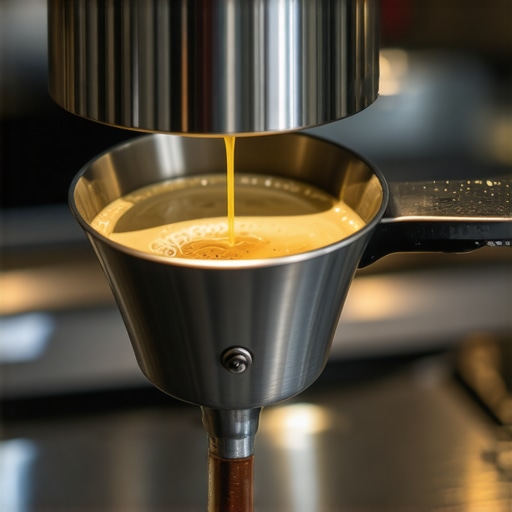
The secret to longevity is a strict ‘purge and wipe’ policy. Every time you steam milk, you must purge that wand. If you don’t, milk is literally sucked back into the boiler as the wand cools and creates a vacuum. I’ve seen the inside of steam boilers that look like a cheese factory because of this. You need to know how to clean the inside of your steam wand pipe before the buildup becomes a permanent obstruction. Beyond the wand, check your group head’s performance regularly. I recommend performing a weekly backflush with a specialized detergent and occasionally learning how to check your espresso machines group head flow rate. If the water isn’t coming out evenly, your extraction is doomed before you even start grinding. As Scott Rao, a leading authority in coffee extraction, notes in his technical guides, even a 10% deviation in flow across the puck can lead to massive bitterness and uneven strength.
Spot the Warning Signs Before the Flood
One morning, I noticed a tiny, almost imperceptible hiss coming from my machine. I ignored it, thinking it was just steam escaping. Two days later, my kitchen was a lake. That hiss was a failing solenoid valve. Learning how to spot a failing solenoid valve before it floods your kitchen is a skill that saves you hundreds in flooring repairs. It’s also worth paying attention to the mechanical feel of your gear. If your handle feels loose, look into the trick for aligning your portafilter ears every time to ensure a tight seal against the gasket. 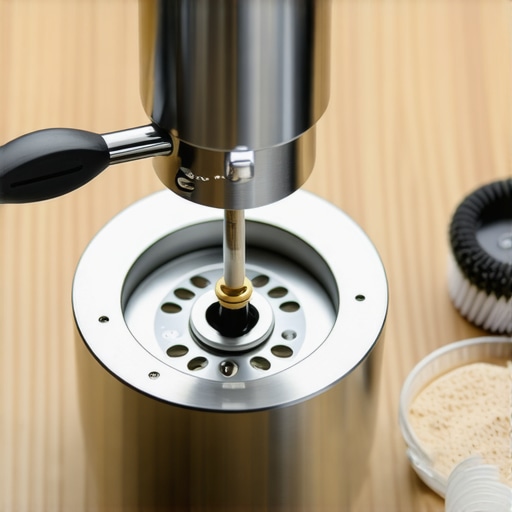
The Future of the Home Barista Counter
Looking ahead, we are moving toward a ‘Smart Maintenance’ era. I predict that within the next few years, high-end machines will come standard with internal sensors that analyze the vibration frequency of the pump and the electrical resistance of the heating element. This data will tell you exactly when a part is about to fail, rather than leaving you to guess based on the sound of a ‘bag of wrenches.’ Until then, we rely on our ears and eyes. When you are choosing the best barista gear for coffee enthusiasts, look for equipment that is user-serviceable. If you can’t open it with a standard screwdriver, you don’t own it; you’re just renting it until it breaks. I challenge you this weekend to pull your shower screen off and give it a deep soak—you’ll be shocked at what’s been hiding behind that stainless steel mesh.
Hard Truths from a Decade of Damp Kitchen Counters
I spent my first three years as a home barista thinking that a louder pump meant a stronger shot. It took a flooded kitchen and a few hundred dollars in repair bills to realize that silence is actually the ultimate sign of a healthy machine. The most important lesson I’ve learned is that your espresso machines are living, breathing systems that require more than just a wipe-down. If I could go back, I would tell myself to stop obsessing over the PID temperature settings and start listening to the metallic clicks and hums. Often, the move for better espresso without buying a new machine is simply tightening a loose interior bracket or ensuring your water is properly softened. You don’t need a new setup every two years; you just need to respect the one you have.
Gear That Actually Earned a Permanent Spot on My Counter
People often ask me what they should buy next to improve their shots. Before you look at a $3,000 upgrade, ensure your foundation is solid. I personally trust a few specific categories of tools to keep my workflow consistent and my machine healthy. First, don’t skimp on the source; how to select the perfect coffee grinder for your brew is a more vital skill than knowing how to pull a lever. Second, look for ergonomic improvements like the simple hack for a more ergonomic tamping position to avoid the dreaded ‘barista wrist’ after years of brewing. Finally, if you enjoy milk-based drinks, invest in milk frothers that transform your coffee experience by providing consistent microfoam that doesn’t rely on a temperamental steam boiler.
Master Your Machine and Enjoy the Silence
At the end of the day, home espresso is a hobby of precision and patience. Don’t let a vibrating drip tray or a noisy pump discourage you from the ritual of the morning brew. Every sound your machine makes is just a data point helping you understand the mechanics of extraction. By staying proactive with your maintenance and choosing the best barista gear for coffee enthusiasts, you ensure that your investment pays off in thousands of delicious shots for years to come. Your machine shouldn’t be a source of stress; it should be the best part of your morning. Have you ever managed to fix a mysterious rattle in your machine using a simple household item? Let me know your best ‘hack’ in the comments below.