The Reason Your Manual Lever Pull Feels Spongy
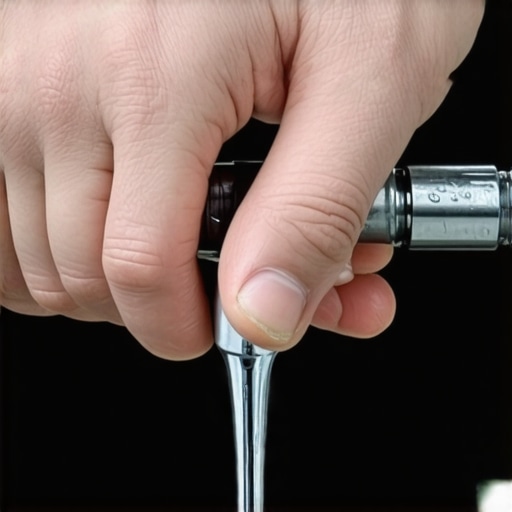
I remember standing in my kitchen at 6:30 AM, eyes half-shut, ready for that satisfying, firm resistance of my first lever pull of the day. I grabbed the handle, pushed down, and… nothing. Well, not nothing, but it felt like I was pressing a spoon into a bowl of lukewarm oatmeal. There was no ‘bite,’ no immediate pressure, just a weird, springy resistance that made the whole shot feel like a lost cause. If you have ever felt that ‘squish’ instead of a solid wall of pressure, you know exactly how maddening it can be for any fan of high-quality barista gear. We crave control, but it is hard to feel in control when your machine is acting like a stress ball.
That Squishy Feeling Is Not Just in Your Head
When I first started mastering the art of home espresso, I made the classic rookie mistake: I assumed that if the lever felt soft, I just needed to grind finer or push harder. I once spent an entire Saturday morning grinding beans so fine they were basically dust, only to find that my manual lever coffee pulls still felt too light and springy. I nearly pulled a muscle trying to force a result that physics simply would not allow. The truth is, that ‘spongy’ sensation usually has nothing to do with your beans and everything to do with trapped air or temperature issues inside the group head. We are going to fix that today so you can get back to those syrupy, high-pressure shots you bought the machine for in the first place.
Is manual espresso actually worth the headache?
You might be wondering if you should just give up and look at top-rated espresso machines for 2025 that handle the pressure for you. But there is a soul to a lever machine that pumps simply cannot replicate. According to fluid dynamics experts at various engineering institutions, air is highly compressible while water is almost entirely incompressible. If there is even a tiny pocket of air trapped behind your piston, that air will compress like a spring before the water ever touches the coffee puck. That is the ‘sponge’ you are feeling. Have you ever felt like your machine was fighting against you instead of working with you? It is a frustrating hurdle, but once you learn the right moves for better espresso, you will realize it is just a simple mechanical quirk you can master in minutes. We are about to dive into why this happens and how to bleed that air out for good.
Bleed the Group Head Like a Professional
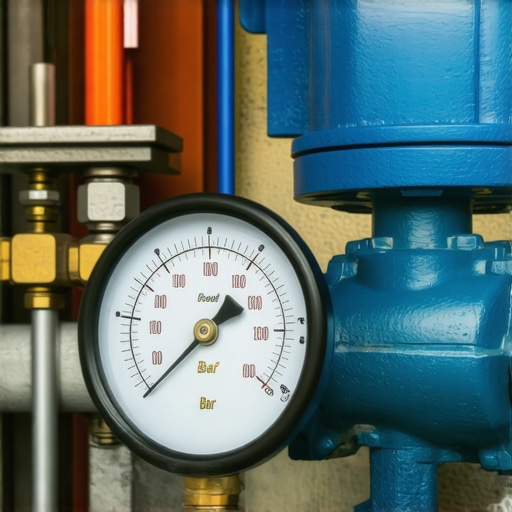
Think of your lever machine’s group head as a hydraulic brake system. If there is air in the line, the brakes feel mushy. In espresso, air acts like a coiled spring; when you pull the lever, you are just squishing that air instead of forcing water through the coffee puck. To fix this, you must master the ‘mini-pump.’ I remember a particularly humid morning when my shots were coming out watery and the lever felt like it was moving through marshmallows. I realized I had not let the group head saturate properly. I started lifting the lever just until the first drops of water hit the screen, then I would push it back down a quarter-inch before doing the full lift. This ‘burping’ action clears the air pocket and ensures you are pulling against a solid column of water. 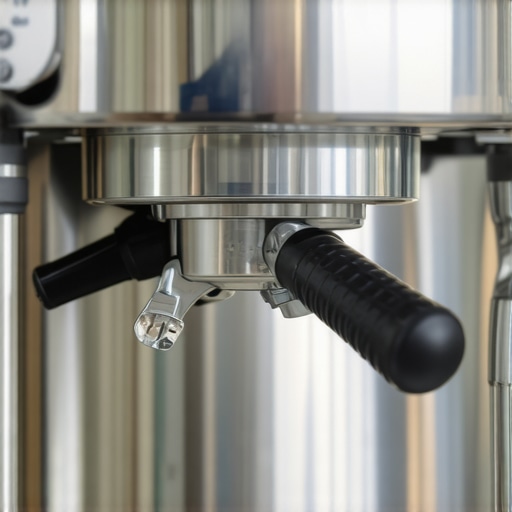
Stop the Air Before It Starts
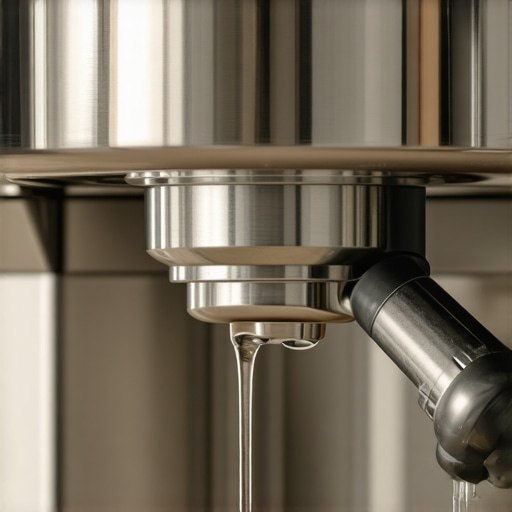
You cannot get a solid shot if your seals are dry or failing. If your manual lever coffee pulls still feel too light, check your gaskets immediately. A tiny leak can let air back in during the upstroke. While you are mastering the art of home espresso, get into the habit of ‘flushing’ the group head without the portafilter for a second before you lock in. This simple step ensures the chamber is filled with water, not steam or air pockets that ruin your pressure curve.
Temperature Control is a Pressure Game
When water boils in the group head, it creates steam. Steam is a gas, and like air, it is highly compressible. If your machine is running too hot, you are not pulling against water; you are pulling against a steam bubble. This is often why your manual lever feels harder to pull than usual at first, then suddenly ‘crashes’ or gives way—the steam bubble finally collapsed or the puck fractured under the uneven pressure. You might need to learn how to tell if your machine boiler is accumulating lime scale, as scale can cause internal hotspots that lead to this exact ‘flash boiling’ in the group chamber.
Don’t Blame the Beans Until the Air is Gone
Before you go out and select the perfect coffee grinder for your brew to fix a ‘light’ pull, ensure your technique is sound. When I was first learning, I would blame the grind size for a spongy lever, but the ‘sponge’ always happens in the first half of the pull. If the resistance does not kick in immediately, it is mechanical, not biological. High-end barista gear requires high-end attention to detail. This is the move for better espresso: lift the lever slowly, count to five to let the chamber fill completely, and only then engage the pull.You have likely heard the golden rule of third-wave coffee: use beans as close to the roast date as possible. I used to be a total zealot about this, thinking that a three-day-old roast was the peak of perfection. However, in my years of struggle with manual levers, I have discovered a contrarian truth: for these machines, ‘ultra-fresh’ is often a recipe for a spongy, frustrating pull. When beans are too fresh, they are packed with CO2. During pre-infusion, that gas is released rapidly into the group head, creating a layer of compressible foam rather than a solid bed of saturated grounds. This is a classic nuance that separates those who are just mastering the art of home espresso from the true veterans. According to research by Dr. Samo Smrke at the Zurich University of Applied Sciences, the degassing rate of roasted coffee can significantly impact water flow and internal resistance. If your lever feels like it is pushing through a cloud of bubbles, you need to learn how to tell if your coffee beans are too fresh for espresso and perhaps give them a few more days to rest.
Fresh beans are often the secret enemy of a solid pull
It is tempting to blame your equipment when things go wrong, but even the most expensive barista gear cannot overcome the laws of physics. When those CO2 bubbles fight back, no amount of force will give you a syrupy shot. I have found that letting a medium-dark roast sit for at least 10 to 14 days often results in a much more ‘mechanical’ and firm lever feel. This is a subtle move for better espresso without buying a new machine. It is not about the beans being ‘bad’; it is about managing the gas-to-liquid ratio inside your group head.
Stop letting your puck screen lie to you
Here is a common ‘oops’ factor that I see all the time in the lever community: the puck screen trap. We use them to keep our group heads pristine, but they can create a false sense of security. A puck screen can actually mask a poor fill or a massive air pocket. You might feel a firm resistance as the piston hits the metal screen, but the coffee underneath could still be dry or pocketed with air. This leads to the frustrating scenario where your puck screen keeps falling into the knock box along with a watery, muddy mess. The screen should be an aid, not a crutch. If you are relying on it to fix your distribution, you are likely missing the ‘sponge’ until it is too late and the shot has already channeled. 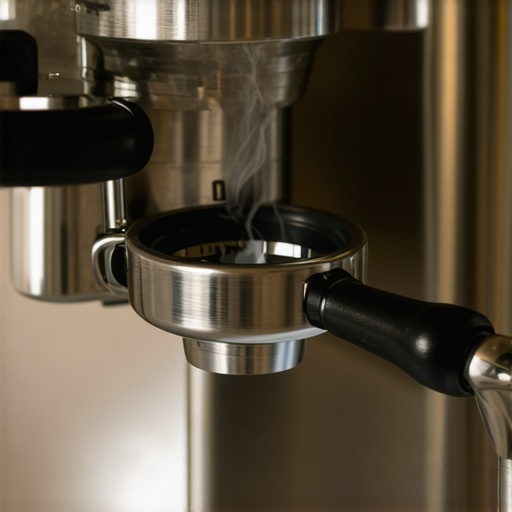
Can your choice of barista gear actually hide a bad technique?
Many enthusiasts think that buying a specialized tool will solve their pressure woes. For example, the truth about using spring-loaded tampers for even shots is that while they ensure a level bed, they cannot fix a portafilter that is improperly seated or a gasket that is failing. I once spent weeks thinking my tamping was the issue, only to realize I was dealing with why your group head gasket is leaking after just one month. A tiny, almost invisible hiss of air escaping the top of the seal was enough to ruin the vacuum needed for a firm pull. Before you go out to select the perfect coffee grinder for your brew, ensure your seals are airtight and your beans are properly degassed. Have you ever fallen into the trap of thinking fresh beans were the answer only to have your lever feel like a marshmallow? Let me know in the comments.Once you have mastered the ‘feel’ of the lever, the real challenge begins: keeping that feeling consistent over months and years of daily use. I learned the hard way that a manual machine is like a vintage car; ignore the maintenance, and it will start to fight you. I remember one morning when my lever started to emit a high-pitched squeak that sounded like a rusty gate. It turns out I had completely neglected the piston lubrication. As noted in the technical service manuals for the La Pavoni Europiccola, failure to lubricate the piston seals every 6 months leads to micro-tears that compromise the vacuum seal and eventually explain why your group head gasket is leaking after just one month. When those seals dry out, you lose that smooth, hydraulic resistance and start feeling the friction of rubber against metal, which is the absolute enemy of a nuanced espresso shot.
Give Your Lever a Yearly Spa Day
Maintenance is not just about fixing what is broken; it is about preventing the slow decline of shot quality. I now keep a small tub of Molykote 111—a food-grade silicone grease—in my kitchen drawer as part of my essential barista gear. Every few months, I pull the piston, clean the old, coffee-tinted grease away, and apply a fresh, thin coat. This ensures that every bit of force I apply to the lever is translated directly into water pressure, rather than being eaten up by mechanical friction. You also need to keep an eye on what is happening inside the boiler. If you notice your machine taking longer to reach pressure, it is time to investigate how to tell if your machine boiler is accumulating lime scale. Scale acts like an insulator, making your heating element work twice as hard for half the result.
How do I maintain my home espresso setup for the long term?
Long-term success is all about the ‘clean as you go’ philosophy. While we focus heavily on the machine, the grinder is often the most neglected part of the workflow. I have found that using the cotton swab trick for cleaning hidden grinder crevices is a total game-changer for flavor clarity. Old, rancid oils trapped in the chute can make even the most expensive beans taste like cardboard. I recommend a deep clean of your burrs every four to six weeks, depending on how oily your beans are. If you are still mastering the art of home espresso, do not make the mistake of thinking a dirty machine can still produce ‘okay’ coffee. It cannot.
Clean Your Grinder or Suffer the Sourness
Every time I help a friend select the perfect coffee grinder for your brew, I emphasize that the best grinder is the one you are actually willing to clean. If the adjustment ring feels gritty or the motor sounds strained, you are already behind on your maintenance schedule. In the coming years, I predict we will see a massive shift toward ‘smart’ manual levers equipped with Bluetooth pressure transducers that alert your phone when it is time to relubricate the seals. We are moving toward a future where the tactile soul of the lever meets the precision of digital monitoring. For now, trust your hands. If the lever feels off, it probably is. I challenge you to pull your piston head this weekend and check those seals—your morning espresso will thank you for it. 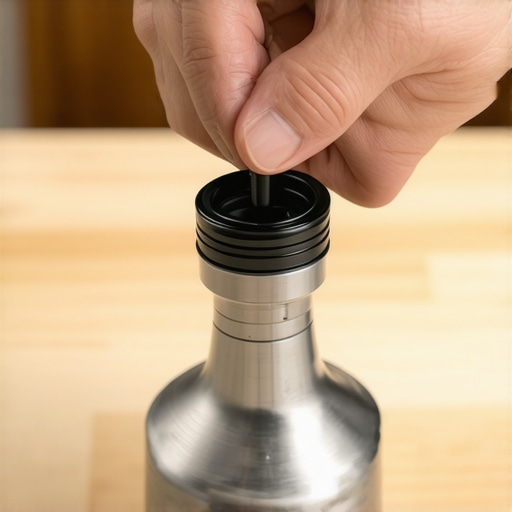
The Lever Coffee Truths Most Pros Keep to Themselves
Over the years, I have realized that the lever does not lie. If you are struggling, it is usually because you are trying to out-muscle physics instead of listening to the machine. One major lightbulb moment for me was realizing that ‘freshness’ is relative; using beans too early is a primary reason why your manual lever coffee pulls feel too light and airy. Another tip: if you hear a faint hissing, do not ignore it. That tiny sound is the precursor to why your group head gasket is leaking after just one month. Lastly, remember that your first shot of the day is often a ‘sacrificial’ pull to heat the metal—do not let a bad first result ruin your mood or your technique.
My Essential Toolkit for Better Lever Shots
If you want to move beyond the ‘spongy’ stage, you need a reliable support system. First, stop guessing about your grind settings. When you select the perfect coffee grinder for your brew, you gain 50% more control over the internal pressure of your group head. Second, cleanliness is non-negotiable for flavor clarity. I swear by the cotton swab trick for cleaning hidden grinder crevices to ensure no rancid oils spoil my light roasts. Finally, keep a set of backup gaskets on hand. Having high-quality barista gear means nothing if a two-dollar piece of rubber fails. If you are looking to upgrade, I always recommend checking out the top-rated espresso machines for coffee lovers in 2025 to see how manual designs are evolving.
#IMAGE_PLACEHOLDER_E#
Why You Will Never Go Back to Buttons
There is a unique, tactile satisfaction in feeling the resistance of a perfect puck through the palm of your hand. It connects you to the coffee in a way a pump-driven machine never will. As you continue mastering the art of home espresso, you will find that those frustrating ‘spongy’ days become fewer and further between. You are not just making a drink; you are conducting a physical experiment that results in liquid gold. Stick with it, trust your hands, and do not be afraid to get a little grease on your fingers to keep those seals perfect. Have you ever felt like your machine was possessed when the lever suddenly lost pressure mid-pull? Let me know your biggest lever-pulling disaster in the comments!