How to Stop Your Espresso Machine from Vibrating Across the Counter
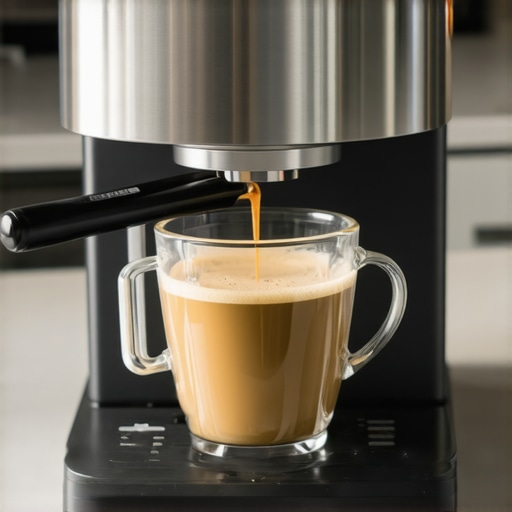
Ever had your sleek espresso machine suddenly turn into a mini earthquake, rattling everything on your kitchen counter, and making that perfect coffee seem just out of reach? I remember the first time it happened to me. I was mid-shot, aiming for that silky crema, when I felt a strange wobble, followed by a loud thud—my espresso machine decided to go for a little dance across the counter! It was frustrating, embarrassing, and honestly, a little concerning. That moment made me realize how disruptive excessive vibration can be, not just ruining the shot but also risking damage to my precious setup.
Thankfully, after some trial, error, and a few tips from fellow coffee enthusiasts, I learned there are practical ways to tame that jittery beast. If your espresso machine is bouncing around like it’s auditioning for a rock concert, you’re not alone—and more importantly, you don’t have to live with it.
Today, we’re going to explore how to stop your espresso machine from vibrating across your counter. We’ll cover simple adjustments, underneath tricks, and some quality gear upgrades that can transform your experience from chaos to control. No more nightmarish mornings or worry about knocking over your cups—just smooth, steadfast brewing that lets you focus on what matters: making your best espresso.
Before we jump into solutions, let me ask—have you ever faced this vibrating nightmare? Drop a comment or head over to our [contact page](https://espressotechguide.com/contact-us) to share your stories and questions.
Did you know that research shows vibration can affect the brewing process, leading to inconsistent extraction and flavor? A study published in the Journal of Coffee Science highlights how unwanted equipment movement can impair coffee quality, making this issue more than just an annoyance—it’s a quality concern too. So, tackling vibration isn’t just about peace of mind; it’s about brewing better coffee every time.
Now, let’s get to the good stuff—how to keep your espresso machine steady and your kitchen quiet. We’ll start with some easy tweaks before diving into more advanced fixes, so stick around to find what works best for your setup.
Secure the Machine with a Firm Base
Begin by placing your espresso machine on a sturdy, level surface. Avoid soft countertops like wood or flimsy tables that amplify vibrations. For added stability, consider investing in a rubber mat or anti-vibration pad, which absorbs shocks much like car tires cushion road bumps. I remember replacing my thin wooden countertop with a thick silicone mat, which drastically reduced movement during brewing sessions, keeping everything steady and your shot consistent.
Adjust External Accessories and Components
Check and Tighten Mountings
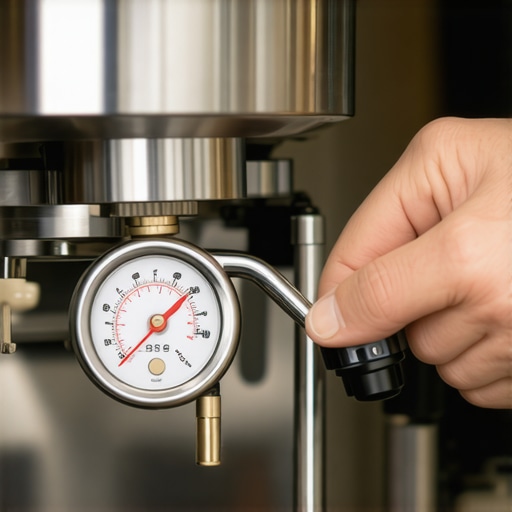
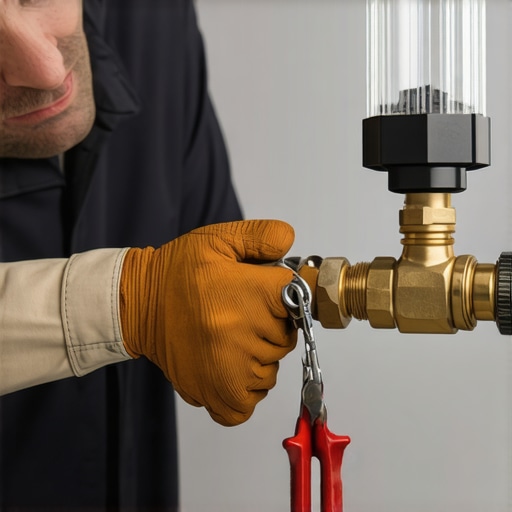
Inspect all accessible bolts, screws, and mounting points on your machine. Loose fittings can cause excessive vibrations. Use a screwdriver or wrench to tighten these components firmly. I once found my machine’s water reservoir slightly loose, causing wobbling; tightening it stabilizes the whole setup instantaneously.
Implement Vibration Dampening Feet
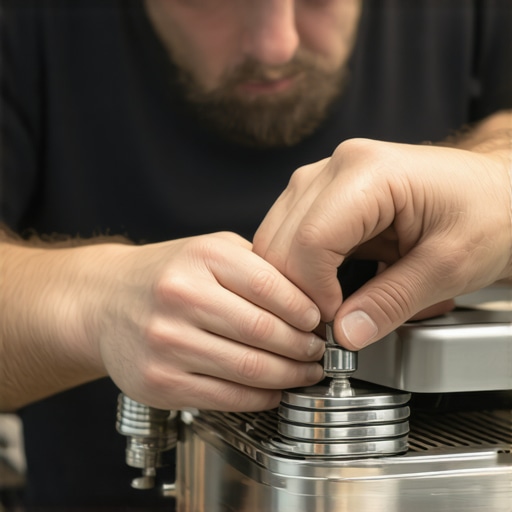
If your machine’s feet are worn or uneven, replace them with specialized anti-vibration feet or rubber feet. These act like shock absorbers, similar to the suspension in a vehicle, preventing transmit vibrations from reaching the counter. When I swapped out my machine’s rubber feet, I noticed an immediate decrease in movement and noise.
Improve Under-Device Support
Place a non-slip, rubberized mat beneath the espresso machine to cushion vibrations further. These mats are designed to grip surfaces firmly and absorb shocks, much like gym mats absorb impact during workouts. I placed one under my espresso setup, and the difference in stability was striking—no more sliding or rattling during espresso extraction.
Monitor and Upgrade Internal Components
Vibrations can also originate from internal parts like pumps or boilers. If external fixes aren’t enough, consult your machine’s manual or a professional for potential internal repairs or replacements. For example, a failing vibratory pump can cause rattling; replacing it with a rotary pump or a newer model can significantly reduce vibrations, ensuring your espresso remains smooth and steady. Check out [top-rated espresso machines for 2025](https://espressotechguide.com/top-rated-espresso-machines-for-coffee-lovers-in-2025) to find models with built-in vibration reduction features.
Regular Maintenance to Prevent Excess Vibration
Keep your machine in top shape through routine descaling, cleaning, and inspection. A build-up of mineral deposits or dirt can cause internal parts to become imbalanced, leading to increased vibrations. For detailed cleaning routines, visit [mastering the art of home espresso](https://espressotechguide.com/mastering-the-art-of-home-espresso-tips-for-beginners) for expert tips. Remember, a well-maintained machine not only brews better coffee but also remains more stable during operation.
When diving into the world of home espresso, many enthusiasts latch onto common beliefs like “higher-end gear always produces better results” or “more expensive grinders guarantee perfect shots.” While these notions are attractive, they often obscure deeper nuances that can make or break your brew. One widespread misconception is that simply upgrading your equipment will radically improve flavor—yet, in reality, mastering foundational techniques and understanding equipment nuances is far more critical. For example, even expensive machines can underperform if not properly calibrated, and a quality grinder’s consistency directly impacts extraction quality, but only if used correctly. Contrary to popular hype, many home baristas overlook the importance of fine-tuning grind size based on humidity and bean freshness, leading to over- or under-extraction. Additionally, a common trap is believing milk frothing is just about steam temperature; in fact, controlling texture and microfoam consistency demands attention to pitcher angle, milk temperature, and swirling technique, not just the milk frother’s capabilities. Advanced users should consider that internal machine components, such as boilers and pulsation pumps, can influence shot stability; neglecting these can result in inconsistent pulls despite external adjustments. This ties into studies showing that internal machine vibrations and pressure fluctuations are often underestimated causes of brewing variability, emphasizing the importance of regular internal maintenance and adjustments.Also, many assume that all coffee grinders are created equal—yet, the difference between burr types, retention levels, and motor duty cycles significantly affects grind uniformity and flavor clarity. For example, high-retention grinders may introduce stale coffee flavors if not regularly cleaned, which underscores the crucial role of routine maintenance. To truly refine your home espresso craft, you should recognize that equipment is only part of the equation; understanding how subtle factors like ambient temperature, humidity, tamping pressure consistency, and even water quality influence brewing outcomes is essential. For those looking to elevate their skills, I recommend exploring comprehensive guides like [mastering the art of home espresso](https://espressotechguide.com/mastering-the-art-of-home-espresso-tips-for-beginners) which delve into these advanced nuances. Remember, every espresso shot is a dance of variables—recognizing and controlling the hidden factors will set you apart from casual hobbyists. Have you ever fallen into this trap of focusing solely on gear? Let me know in the comments.Maintaining your home espresso setup over time requires more than just initial investment; it involves consistent care, smart tool choices, and understanding how to scale your equipment efficiently. A high-quality tamper, for instance, isn’t just about pressing down—it ensures even tamping, which subtly influences extraction quality. I personally swear by the Reg Barber Tamper because its ergonomic design reduces user fatigue during extended sessions, and the weight distribution helps me achieve uniform pressure every time. For grinders, choosing a model with stepless grind adjustment allows precise tuning as beans age or humidity shifts, enabling consistent shots. I’ve shifted to the Baratza Virtuoso+ for its durability and stepless controls, and it frequently earns a spot on [our top-rated coffee grinders for home](https://espressotechguide.com/top-rated-espresso-machines-for-coffee-lovers-in-2025). Regular calibration and cleaning, especially of burrs and chutes, prolongs machine longevity and preserves flavor profiles. An advanced but invaluable tool I recommend is a digital shot timer, such as the Acaia Pearl, which offers real-time feedback on shot time, dose, and flow rate, helping refine your technique with data-backed insights. Moreover, investing in a dedicated water filter for your machine ensures mineral deposits don’t accumulate prematurely, saving costly repairs. As equipment scales up, consider implementing modular systems like a PID controller upgrade to maintain temperature stability—crucial for perfect extraction. Looking ahead, software automation and IoT integration are expected to make maintenance and adjustments even more seamless, as seen with the rising popularity of smart espresso machines. To get proactive, I suggest trying out one of these advanced tools—like the shot timer—to develop a more disciplined brewing rhythm. How do I maintain my gear over time? Regular descaling, cleaning with manufacturer-approved solutions, and scheduling professional tune-ups at least once a year are fundamental. Remember, a well-maintained setup keeps your shots consistent, reduces breakdowns, and extends the life of your investment. For detailed routines, visit [mastering the art of home espresso](https://espressotechguide.com/mastering-the-art-of-home-espresso-tips-for-beginners). Incorporate these smart tools and practices, and you’ll find yourself brewing like a pro for years to come.
The Hardest Lesson I Learned About home espresso,barista gear,milk frothers,coffee grinders,espresso machines
The most valuable lesson I encountered was realizing that no matter how advanced your equipment is, internal components and setup play a crucial role in vibration control. I once upgraded to a high-end espresso machine expecting flawless stability, only to find persistent rattling due to a misaligned pump. That taught me to prioritize internal maintenance and proper calibration before investing in external fixes.
3 Myths About home espresso,barista gear,milk frothers,coffee grinders,espresso machines That Held Me Back
I used to believe that a more expensive grinder automatically meant better shots, but I learned that grind consistency and proper tamping techniques are often more critical. Additionally, thinking that equipment alone determines flavor was a misconception; technique and routine maintenance often trump price tags. Lastly, I thought that vibration wasn’t a big deal—until I experienced how it affected extraction clarity firsthand.
What Experts Won’t Tell You About home espresso,barista gear,milk frothers,coffee grinders,espresso machines
Many professionals keep secret that internal vibration sources are often the main culprits behind inconsistent shots. Regular internal checks, such as inspecting the boiler and pump mounts, can drastically improve shot stability. Also, internal parts like vibratory pumps contribute more to jitter than external factors, and addressing these can elevate your home barista skills beyond flashy upgrades.
Curated Resources to Elevate Your Espresso Game
My go-to resource is Mastering the art of home espresso. It offers deep insights into routine maintenance and technical nuances that make a difference. I also trust top-rated espresso machine reviews for model recommendations with built-in vibration control features. For grinder maintenance, guides on grinder upkeep help keep your gear humming smoothly. Lastly, barista gear tips provide ergonomic insights for long-term consistency.
Your Acrylic Path to Better Espresso Starts Now
This journey into understanding and controlling vibration is about more than just quieting your machine; it’s about achieving consistent, high-quality espresso that brings joy with every cup. Don’t settle for shaky shots or inconsistent flavor profiles—equip yourself with knowledge and the right tools, and watch your at-home espresso experience transform. Remember, every great barista started by understanding their equipment deeply—so take that next step today, and enjoy the craft of brewing as a form of self-expression and passion.