Why Your Espresso Tastes Like Ash
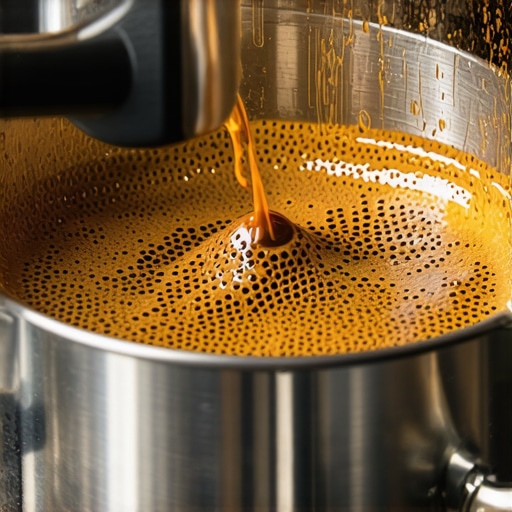
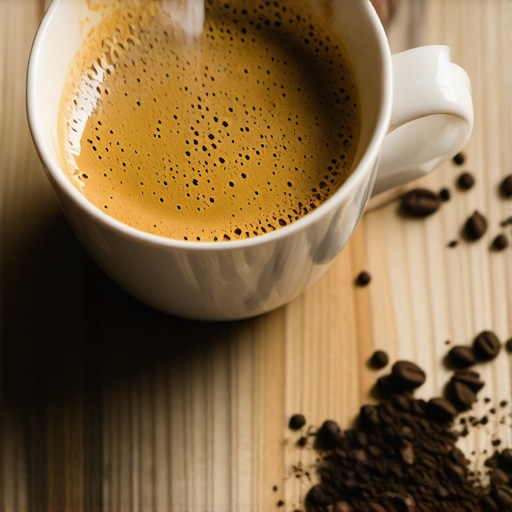
I’ll never forget the moment when I pulled my first shot at home and took that first sip. Instead of the rich, caramel sweetness I was craving, it hit me—an unmistakable bitter, burnt taste. My heart sank. I had invested so much into my setup, yet my espresso was tasting like, well, ash. It was a lightbulb moment that sent me down a rabbit hole of troubleshooting common brewing mistakes. Sound familiar? Maybe your mornings are plagued by that same unpleasant, smoky flavor despite following all the usual tips.
What Causes Your Espresso to Taste Like Ash
Is It Worth the Hype to Keep Struggling?
At first, I believed it was just a matter of fine-tuning my grind or water quality. But after many experiments, I realized the issue often lay in overlooked details—like burnt coffee oils, improper temperature settings, or stale beans. Surprisingly, according to the Specialty Coffee Association, over-roasting or burning the beans during extraction can produce a bitter, ashy flavor—something I learned the hard way early on by grinding too fine and forcing the shot.
So, if you’re battling that unpleasant ashtray taste, rest assured it’s a common problem with straightforward solutions. Today, I’ll guide you through the exact adjustments and habits that turned my bitter espresso into a smooth, flavorful shot you’d actually want to sip. Ready to get to the root of the problem? Let’s dive into what might be causing your coffee to taste burned and how to fix it effectively.
Adjust Your Grind Size Ruthlessly
Recall a morning when I felt my espresso was too bitter, and I realized my grind was too fine, causing over-extraction. I replaced my burr grinder’s setting with a coarser grind, shaking gently to avoid inconsistency, and pulled a shot. The result? A smoother, less burnt flavor. Aim for a consistency similar to beach sand—fine enough to extract flavor but not so fine that it causes clogging or over-extraction. Use your coffee grinder to fine-tune this setting, and remember, humidity can affect grind size—adjust accordingly.
Check the Water Temperature Carefully
Once I noticed my shot tasted scorched, I calibrated my PID controller, which maintains your machine’s temperature. I set it to 200°F (93°C), the sweet spot for espresso extraction. Using a thermocouple or a reliable thermometer, I verified the temperature before brewing. Too hot and oils burn, creating that ash flavor; too cold and the extraction suffers. Proper temperature control is essential—consider upgrading your machine if it consistently runs out of the ideal range. For guidance on calibration, visit this article.
Control Your Roast Level and Freshness
I used to buy overly roasted beans, which contributed to harsh, smoky notes. I now opt for medium roast beans that are fresh, ideally used within a month of roast date. Stale beans lead to burnt flavors, even if your machine is dialed in perfectly. Store beans in an airtight container away from light and heat. When grinding, do a smell test; if they smell like burnt toast, it’s time to replace. To understand more about bean freshness, check best storage practices.
Pay Attention to Your Brew Pressure
While troubleshooting, I discovered that if the pump pressure was too high, it forced water through the coffee too quickly, burning the grounds. I used a pressure gauge to monitor and adjusted my machine’s pressure to about 9 bars during extraction—this is the sweet spot for espresso. Some machines allow pressure adjustments via the PID, while others require a different approach. Regularly inspecting pressure levels prevents overtightening tamping or uneven tamping—both culprits of off-flavor. If your machine only leaks or behaves oddly, consult this guide.
Refine Your Tamping Technique
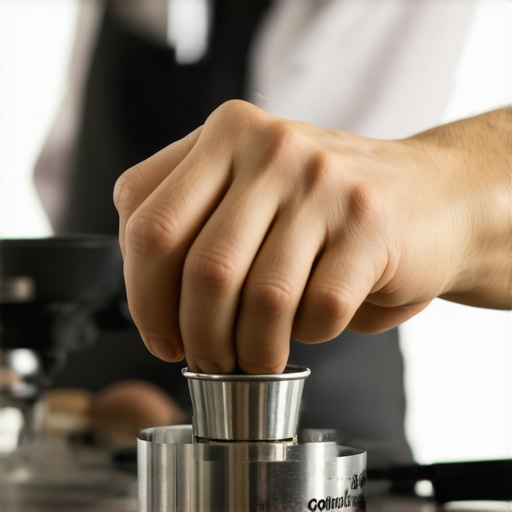
Uneven tamping can create channeling, leading to burnt-tasting spots. I learned to distribute coffee evenly in the portafilter basket, then apply consistent pressure—about 30 pounds—using a calibrated tamper. I started pressing with a steady wrist motion, avoiding excessive force that could crush oils and cause burn flavors. For perfect tamping, practice in front of a mirror or use a tamper with a built-in pressure indicator. For more tips, see taming your tamping technique.
Regularly Clean Your Equipment
Residual coffee oils buildup contributes to bitter, burnt notes. Iritably, I dedicated time weekly for backflushing my machine with a cleaning solution—following the manufacturer’s instructions—and cleaned my portafilter and group head thoroughly. I also descaled the machine to prevent scale buildup that distorts pressure and temperature. A clean machine makes a noticeable difference. For detailed cleaning routines, refer to cleaning tips.
Many enthusiasts dive into the world of home espresso with enthusiasm, but there’s a common trap: believing that simply owning the latest machine or premium grinder guarantees perfect results. In reality, the intricacies of how gear interacts with your specific environment often matter more than brand names or flashy features. For instance, many assume that a top-rated espresso machine from trusted brands automatically compensates for minor technique flaws, but neglect calibration and maintenance, and even the best machine can underperform.
A widespread misconception is that high-end coffee grinders eliminate the need to dial in grind size meticulously. However, static buildup in grinders, caused by environmental humidity or aging components, can cause inconsistent particle size distribution, leading to over or under-extraction. Regularly checking and adjusting your grinder settings, especially during seasonal shifts, is vital for consistency. Expert advice from sources like this guide highlights that a perfect grind is often a moving target, not a static parameter.
What dos and don’t do many home baristas overlook in their gear maintenance?
Many assume that cleaning and calibration are only necessary when trouble arises, but neglecting routine maintenance can cause subtle issues—like microleaks, clogs, or temperature inconsistencies—that significantly impact shot quality. For example, a small, overlooked buildup inside the steam wand can dramatically reduce frothing performance and introduce off-flavors. Staying proactive with regular descaling, gasket inspections, and component calibration, as shown in this comprehensive resource, keeps your setup performing at its best.
Another nuance often missed is that milk frothers are not just simple devices; their performance depends on the freshness and temperature of the milk, as well as proper cleaning. Using *old or improperly stored milk* can cause foaming issues, while residual milk residue inside the frother can lead to bacteria growth and off-tastes. A quick check of your milk’s freshness and adherence to cleaning routines ensures silky microfoam every time.
Understanding these subtle points elevates your home barista skills well beyond the basics. It’s not just about owning the right gear, but mastering how to care for and optimize it in your unique environment. This attention to nuance sets apart passionate hobbyists from true connoisseurs.
Have you ever fallen into this trap? Let me know in the comments and share your experiences with overlooked gear details that made a big difference in your espresso journey.
Keep Your Equipment Running Smoothly for Better Espresso
Maintaining your espresso machine and accessories is crucial to achieving consistently excellent shots and extending the lifespan of your investment. A few strategic tools and routine practices can make all the difference. For instance, I swear by investing in a high-quality PID temperature controller to keep my brew temperature stable; this tiny addition has dramatically improved shot quality over time. Additionally, using a reliable steam wand cleaning brush enables me to keep the frothing mechanism in prime condition, preventing off-flavors and equipment issues.
Don’t overlook the power of regular descaling with quality solutions; scale buildup can impede pressure and temperature, ultimately dulling your espresso experience. I schedule monthly descaling sessions and keep a log to ensure consistency. Employing a good-quality coffee grinder with a adjustable grind dial allows me to fine-tune my grind size based on ambient humidity or bean age, ensuring freshness and extraction precision.
How do I maintain my espresso setup over time?
Regular checks of gaskets and seals, like the group head gasket, prevent leaks and pressure drops that compromise shot quality. I inspect these parts every few months, replacing them proactively. Additionally, lubricating moving parts and tightening fittings prevents wear and tear. For cleaning, I use specialized cleaning brushes on the group head and portafilter, and follow manufacturer instructions for descaling to avoid damage.
As the trend in home barista technology advances, more enthusiasts are turning to next-gen espresso machines with integrated smart controls for temperature and pressure stability. These innovations promise fewer maintenance headaches and more consistent results in the future. Meanwhile, I recommend investing now in tools like calibrated tampers and high-quality wrenches to ensure your gear stays in top shape. Try adjusting your PID settings using the detailed step-by-step guide—a small tweak that can elevate your brewing game significantly. Don’t skip routine maintenance; it’s the secret to long-term satisfaction with your home espresso experience.
Beyond the equipment and techniques, the most profound insights often come from personal revelations—those moments when everything clicks into place. One of my most eye-opening lessons was realizing that the cleanliness of my grinder’s burrs directly influenced the consistency of my espresso shot. A simple, regular deep-cleaning routine prevented dreaded static and uneven grinds, transforming my brewing experience. Sometimes, it’s the smallest adjustments—like replacing a worn gasket or tweaking pressure settings—that yield the biggest improvements. These insights aren’t always found in manuals but are earned through patience, experimentation, and attentive care.
The Lessons Hidden in Your Routine That Elevate Your Espresso Game
- Don’t underestimate the power of regular maintenance: Consistent cleaning of your portafilter, group head, and steam wand keeps flavors pure and prolongs equipment lifespan. For detailed routines, explore this cleaning guide.
- Small tweaks matter more than you think: Adjusting brew pressure or tamping pressure by just a few pounds can alter extraction, making the difference between bitter and balanced shots. Practice makes perfect, and patience leads to mastery.
- Freshness isn’t just about beans: Store beans properly and be mindful of roast levels—medium roasts tend to produce sweeter, more balanced flavors, especially when combined with optimal grind size and temperature control. See best storage practices.
My Vault of Tried-and-True Resources for Espresso Excellence
- Precision instruments: A high-quality PID temperature controller has been a game-changer, providing stable brewing temperatures and consistent shots—worth every penny for serious hobbyists.
- Expert guides: This comprehensive guide is my go-to resource for understanding the nuances of home espresso—it demystifies complex concepts and provides practical tips.
- Quality tools: A calibrated tamper and a digital pressure gauge make troubleshooting and perfecting extraction straightforward, saving time and frustration.
- Community insights: Forums and social groups, such as those on Reddit’s r/espresso, connect me with fellow enthusiasts who share tips, troubleshoot issues, and celebrate successes—keeping motivation high.
Step Into Your Barista Persona and Brew with Confidence
Your journey to exceptional espresso is a continuous adventure, woven through experiments, failures, and triumphs. Embrace the process, celebrate small wins, and remember that mastery doesn’t happen overnight. With attentive care and curiosity, your home setup will soon produce shots that rival your favorite café. Don’t hesitate to adjust, clean, and refine—each step brings you closer to barista-level excellence. So, what’s the one tweak you’re excited to try next in your espresso routine? Share your plans below and keep pushing those borders of your brewing prowess!