The messy truth about why your bottomless portafilter keeps spraying
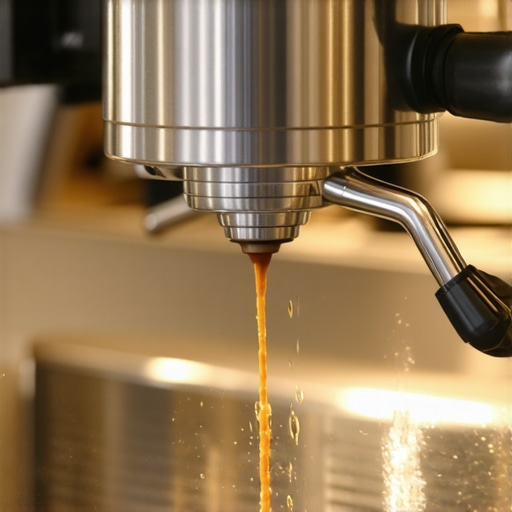
Have you ever poured your freshly pulled espresso shot, only to be met with a surprise burst of hot liquid bouncing everywhere? That frustrating, messy spray from your bottomless portafilter has probably made you question whether your machine is working against you. I remember the first time it happened to me—my heart sank as hot coffee splattered onto my counter, and I felt a mix of surprise and disappointment. It took some digging and a few trials, but I finally uncovered the real reason behind that messy spray—and more importantly, how to fix it.
Dealing with the Spraying Portafilter: Why It Just Won’t Stay Put
That spray typically occurs when the coffee puck isn’t sealing properly during extraction. Several factors can cause this issue, including uneven tamping, channeling, or a loose portafilter handle. But here’s the kicker—sometimes, it’s a simple misalignment or a worn gasket causing the problem. As a fellow enthusiast, I’ve learned that identifying the root cause is half the battle. You don’t need to scrap your entire setup; instead, a few tweaks can make a world of difference. Read on, and I’ll walk you through the common culprits and how to troubleshoot them effectively. If you want to delve deeper into selecting quality barista gear, check out this guide: https://espressotechguide.com/choosing-the-best-barista-gear-for-coffee-enthusiasts. Hint: Starting with a good grinder and consistent tamping technique can drastically improve your shot quality.
Is Your Coffee Roast to Blame?
My early mistake was assuming the problem was with my machine—turns out, it was my light-roast beans causing more channeling and spray. Light roasts tend to be more fragile and prone to uneven extraction, which can lead to sprayed shots. So, before you blame your machine, consider your roast profile and grind size. Sometimes, switching to a slightly finer grind or adjusting your tamp can suppress the spray. Remember, even perfect tamping can be rendered ineffective if your grind is off or your machine’s zero point isn’t set correctly. For specific tips on adjusting your grinder, this article is a game-changer: https://espressotechguide.com/the-easiest-way-to-check-your-grinders-zero-point-safely. Don’t worry—early mistakes are part of the learning journey, and with a few adjustments, you’ll be grinding like a pro in no time.
Check Your Grind Consistency and Tamping Technique
Start by examining your grind size. A too-coarse grind can cause uneven extraction, leading to spray. Adjust your grinder to a finer setting, making small incremental changes while observing results. When tamping, apply consistent pressure—about 30 pounds—using a tamper that fits your basket perfectly. I once realized I was tamping unevenly after a messy shot, and switching to a calibrated tamper made my shots smoother and cleaner. Remember, inconsistent tamping creates channels that can cause water to find the path of least resistance, resulting in spray. For more detailed grinder adjustments, see this guide.
Ensure Proper Distribution and Puck Preparation
Before tamping, distribute coffee evenly in the portafilter. Use your finger or a distribution tool to level the coffee bed, preventing thin spots or voids. A well-prepared puck resists channeling and directs water evenly during extraction. I experimented with a simple rotation technique with my finger, and it dramatically reduced spray occurrences. Avoid overfilling your basket; leave room for even water flow. This step is crucial, especially when using fresh beans that tend to clump. For assistance with cleaning your grinder chute to prevent clumping, visit this article.
Check Your Machine’s Seal and Group Gasket
A worn or misaligned gasket can cause leaks and spray. Power off your machine, remove the portafilter, and inspect the gasket for cracks or deformation. If it looks brittle or flattened, replace it—this can be a quick fix for spray issues. When reinstalling the group head, ensure the gasket seats snugly. I once overlooked a slightly loose gasket, leading to sprays that persisted until I replaced the gasket and cleaned the group head thoroughly. Proper sealing directs water through the puck rather than escaping sideways. For guidance on gasket replacement, see this resource.
Calibrate Your Machine’s Zero Point and Pressure Settings
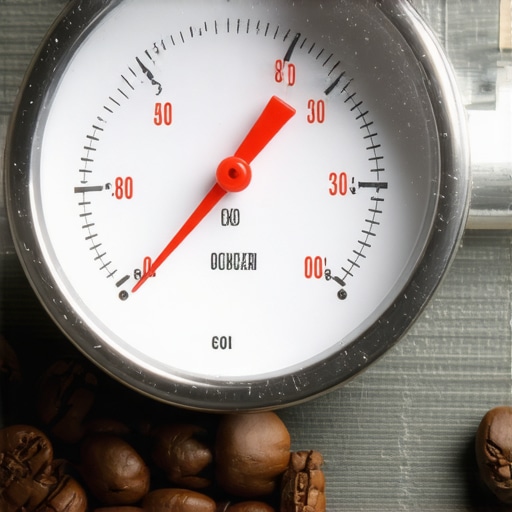
Incorrect pressure or a misaligned zero point in your grinder can cause uneven extraction and sprays. Use a zero point calibration tool or follow your grinder’s manual to set it accurately. Additionally, verify your machine’s brew pressure—generally around 9 bars for espresso. I used a pressure gauge to confirm settings, which resulted in a cleaner shot with less spray. If the pressure is off, adjust the pump or programmer accordingly. For detailed pressure troubleshooting, consult this article.
Monitor Your Roast and Bean Quality
Light roasted beans can sometimes be more fragile, leading to channeling and spray. Test different roast profiles; switching to a medium roast often yields a more stable extraction. Store beans properly in an airtight container away from heat and light to preserve consistency. I switched from very light roasts to a medium blend, and my spray issues dropped significantly. Also, always grind beans fresh—stale coffee can result in uneven flow. For insights on grinder maintenance, check this guide.
Many home baristas believe that simply upgrading to the latest coffee grinder or espresso machine will immediately improve their shots. However, this misconception overlooks the nuanced relationship between equipment, technique, and personal skill. In fact, one of the most overlooked aspects is that highly touted gear often comes with pitfalls if not used correctly; for example, a better grinder won’t fix improper dosing or tamping. A common myth is that more expensive equipment guarantees superior results, but studies, such as the one published in *Food Research International*, show that user calibration and maintenance play a larger role in shot quality than the price tag.
Why does grinder calibration matter more than grind size adjustments alone?
Many enthusiasts focus solely on tweakings like grind size, yet neglect how a grinder’s zero point significantly influences particle consistency. Incorrect zero point settings can lead to uneven extraction, even if the grind size appears perfect. Ensuring your grinder is calibrated properly can prevent issues like channeling or spray, which are sometimes misinterpreted as machine faults rather than calibration errors. For precise zero point checks, see this guide. Additionally, beware the trap of over-reliance on fancy milk frothers; many believe that high-quality frothing equipment alone will create perfect microfoam, but technique remains key. Sometimes, even the most advanced milk frother can produce subpar foam if the milk temperature or pitcher angle isn’t dialed in correctly. For expert tips, review this resource. One advanced mistake is neglecting to clean and maintain your equipment regularly, which can silently sabotage your brewing process. Mineral build-up or oil residue can hinder performance, causing inconsistent shots or poor microfoam. Regular maintenance routines, grounded in thorough cleaning schedules, are essential but often underestimated—see this article for practical guidance. Remember, crafting excellent espresso at home isn’t simply about gear; it’s a balance of proper calibration, maintenance, and deliberate technique. As you refine these nuances, your skills will surpass mere equipment hype, truly elevating your coffee experience. Have you ever fallen into this trap? Let me know in the comments.Maintaining your coffee gear isn’t just about cleaning; it’s about ensuring long-term performance and consistency in your espresso shots. I personally swear by setting monthly calibration checks for my grinder, which I perform using a zero point calibration tool to prevent uneven particle distribution, a common cause of shot discrepancies. Investing in specialized tools like a calibrated tamper ensures tamping pressure remains consistent, preventing channeling and spray issues.
How do I maintain my equipment over time?
Regular cleaning routines are the foundation. For grinders, I recommend thoroughly cleaning the chute and burrs every 2-4 weeks using a dedicated grinder-cleaning brush and food-safe cleaning pellets. This prevents coffee oil build-up, which can alter grind consistency. For espresso machines, descaling every 3-6 months using descaling solutions tailored to your machine’s model guarantees heat transfer efficiency and prevents mineral clogging. I find that keeping a maintenance log helps me stay on top of these routines, avoiding costly repairs or long downtimes. In the future, I predict an increased integration of diagnostic software that monitors machine parameters in real time, alerting owners of needed maintenance before issues arise. To streamline maintenance, consider choosing a set of high-quality, industry-rated tools—like the organized cleaning kit I personally use. Moreover, staying educated on the latest equipment updates and firmware upgrades can improve functionality. For example, firmware updates often enhance pressure profiling or tamping consistency. Remember, consistent maintenance extends your gear’s lifespan and ensures every shot meets your barista standards. Try scheduling a zero point calibration check this week—it’s a small step that yields significant benefits, helping you maintain perfect grind consistency and shot quality over time.
Throughout my journey into home espresso craftsmanship, I realized that the devil truly is in the details. There were moments when I thought a better machine alone would solve my spraying portafilter woes, only to find that navigation through technique and maintenance was equally crucial. One lightbulb moment for me was understanding that consistency in tamping and grind calibration could make or break my shot quality and cleanliness. In fact, neglecting even small factors like gasket wear or proper puck distribution often led to spray issues I couldn’t troubleshoot without some trial and error. The real lesson was that patience, regular calibration, and attention to details are the keys to achieving barista-level results—without the need for the most expensive gear.