Why Your Espresso Shot Is Blonding Too Early
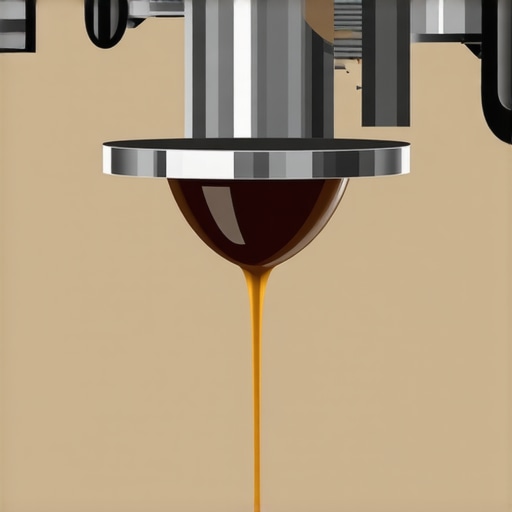
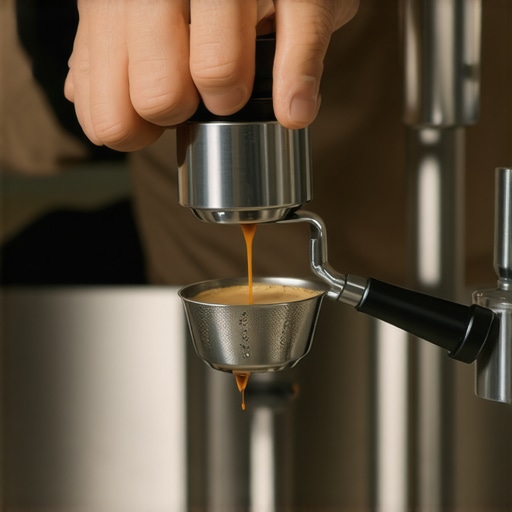
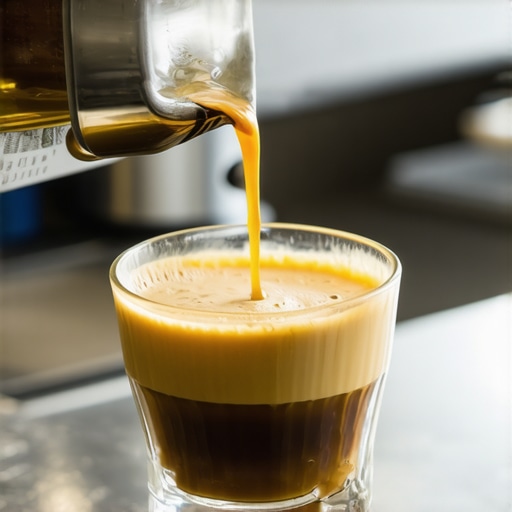
I still remember the first time I pulled an espresso shot that turned out to be all wrong—blonding halfway through, with a pale, watery stream replacing the rich, caramel-colored espresso I was craving. It was frustrating, and honestly, a little embarrassing. I’d spent months obsessing over my grinder settings, temperature, and tamping technique, only to be met with a shot that looked like it had given up halfway. Have you ever experienced something similar? That moment of realization that despite your best efforts, something’s still missing?
Facing the Blonding Dilemma in Your Espresso Shots
Everyone who loves espresso knows that the appearance and flow of your shot tell you a lot about what’s happening underneath. When your shot blondes too early, it’s often a sign that something’s off—either with your grind size, extraction time, or machine settings. But here’s the thing: understanding why this happens can be a game-changer, and it’s often simpler than you think.
Is Your Technique Actually Worth the Hype?
I used to believe that I just needed to tamp harder or buy a more expensive machine. Turns out, I was making a common mistake early on—overloading my basket without considering the grind consistency or the puck resistance. That mistake led to uneven extraction, which is why my shots were prematurely blonding. It’s a mistake many home baristas make, but the good news is, it’s fixable once you understand the underlying cause. Curious about how to troubleshoot this? Check out this guide for insights on common dripping issues and how to address them.
Brewing great espresso isn’t just about equipment—it’s about technique, precision, and understanding your machine’s quirks. In the next sections, I’ll walk you through practical steps to troubleshoot your blonding issue and level up your home espresso game. Ready to transform that pale shot into a rich, velvety masterpiece? Let’s dive in and get to the root of the problem, so you can enjoy consistently perfect espresso every time.
Adjust Your Grind Size to Control Extraction
The grind size is the foundation of a good espresso shot. When your espresso blondes too early, it’s often because the grind is too coarse, allowing water to flow through too quickly. I remember once accidentally setting my grinder to a coarser setting to test a different bean roast, and the result was a rapid, blonding shot. To fix this, start by dialing your grinder to a finer setting in small increments, about 0.2mm at a time. Use a consistent grind size by measuring with a digital caliper or relying on your grinder’s micro-adjustments. This step often requires a few trial shots, but patience pays off. Check out this guide for detailed dial-in techniques.
Set the Right Tamping Pressure
The tamping process compresses coffee grounds evenly to resist water flow uniformly. Too light tamping causes channels where water rushes through quickly, resulting in premature blonding. Conversely, over-tamping increases resistance and can lead to under-extraction. When I once used an inconsistent tamping pressure, my shots would blond early. To avoid this, use a tamper with a known weight or apply consistent pressure—about 30 pounds—using a bathroom scale if needed. Practice tamping with a steady, level motion, ensuring the coffee is evenly compressed. To improve your technique, consider organizing your barista gear for better consistency.
Optimize Your Extraction Time for Beautiful Depth
Extraction time impacts shot color and flavor development. An extraction that’s too fast, often under 25 seconds, can lead to blonding mid-shot. When I adjusted my extraction time from 15 to 30 seconds, I noticed a dramatic difference—not just in color but also in flavor complexity. Use a scale or timer to monitor your shot length, aiming for 25-30 seconds for a standard double shot. If your shot blondes early, extend the grind time or increase the tamping pressure slightly. Regularly reviewing your shot timing helps develop an intuitive sense for optimal extraction. For advanced calibration, this step-by-step guide can clarify timing adjustments.
Inspect and Maintain Your Equipment for Consistent Results
Worn-out filter baskets, inconsistent tampers, or unclean machine parts can all worsen blonding issues. I once ignored my espresso machine’s cleanliness, leading to uneven flow and premature blonding. Regular cleaning of the portafilter, group head, and grinder ensures consistent coffee flow. Use a cleaning brush regularly and backflush your machine with an appropriate cleaner—this method makes it easy. Also, check your machine’s water pressure and calibration—especially the PID—to keep temperature stable. Proper maintenance reduces variability and helps you pull shots that are rich and consistently dark from start to finish.
When it comes to perfecting your home espresso setup, many enthusiasts fall into traps based on misconceptions about equipment and technique. A frequent mistake is assuming that upgrading to a high-end espresso machine automatically solves all brewing issues. In reality, expert baristas emphasize that understanding your grinder, tamping, and brew ratios is far more impactful. For instance, some believe that grinders with smaller burrs produce better grounds, but studies show that burr quality and grind consistency matter more than size alone. It’s a misconception to think that more expensive milk frothers will necessarily create better microfoam; proper technique and steam wand control play crucial roles, as highlighted in this detailed guide.
What Advanced Baristas Know About Equipment Calibration
Many home baristas overlook the importance of calibrating their espresso machines regularly, assuming factory settings are optimal. However, even minor deviations in temperature, pressure, or flow rate can cause under-extraction, leading to dull, blonded shots. Expert advice suggests using calibration tools and data logging to fine-tune your machine’s performance, as supported by this advanced resource. Avoid the trap of neglecting routine maintenance hoping that your equipment will adapt over time—consistent calibration ensures you extract the best flavor without over-relying on costly upgrades.
One hidden nuance is how ambient humidity affects grind consistency and extraction. High humidity can cause coffee grounds to clump, impairing flow and leading to inconsistent shots even with seemingly perfect settings. To counter this, store your coffee in airtight containers and adjust grind settings subtly based on humidity levels, as outlined in this technique. Recognizing such environmental factors helps seasoned enthusiasts avoid common pitfalls and achieve more stable, high-quality brews.
Have you ever fallen into this trap? Let me know in the comments and share your experience with overlooked equipment nuances or environmental influences that affected your coffee brewing journey.
Maintaining your home espresso setup isn’t just about cleaning now and then; it requires a systematic approach with the right tools and routines to ensure longevity and optimal performance. I rely heavily on a few key pieces of equipment and methods that help me keep my gear working flawlessly day after day.
Invest in a Precision Calibration Kit
One game-changer for me has been a digital calibration tool specifically designed for espresso machines and grinders. The dial-in process becomes much more precise when I use a digital caliper and a pressure gauge. This combo helps me fine-tune the grind size, tamping pressure, and pressure profiling with confidence, reducing shot variability over time. Prediction-wise, I believe that as the industry adopts more affordable smart calibration tools, maintaining perfect extraction will become more straightforward for every home barista.
Automate Routine Cleaning with Professional-Grade Supplies
Using a dedicated cleaning cycle kit, such as specialized espresso machine cleaning tablets, along with a good steam wand cleaning brush, simplifies maintenance. I’ve standardized my process by backflushing weekly and cleaning my steam wand after each use with a simple cleaning method. This routine prevents build-up and helps keep the machine’s internal components in prime condition, ensuring consistent temperature and pressure profiles. Remember, regular cleaning extends parts’ lifespan, saving money and hassle in the long run.
Software & Apps for Long-Term Monitoring
In the era of smart appliances, integrating software that logs shot parameters is a boon. I personally use a digital shot timer app that records extraction times, temperatures, and flow rates. Over months, this data helps me identify subtle drift or inconsistencies. For example, noticing a gradual decrease in flow rate prompted me to descale the boiler, which improved shot quality. Looking ahead, I see a future where AI-driven diagnostics will automatically alert users to impending maintenance needs based on usage patterns, making gear upkeep even more accessible.
How do I maintain my espresso equipment over time?
Consistent maintenance involves more than just cleaning; it’s about calibration, regular checks, and using the right tools. For grinders, I frequently check burr alignment and wear with a chalk test. For espresso machines, I monitor boiler pressure and temperature stability via calibration tools, ensuring your machine operates within ideal parameters for coffee extraction. Don’t forget to revisit your water quality periodically; installing a reverse osmosis filtration system can dramatically extend your equipment’s lifespan. Explore this comprehensive guide to choosing the right gear that’s easier to maintain long-term.
Start integrating these routines today, and try calibrating your grinder with a digital gauge to see immediate improvements in shot consistency. Future trends suggest that smart, connected barista gear with built-in sensors will make maintenance even more intuitive—so investing now in tuning your tools puts you ahead in the home espresso game.
Throughout my exploration of home espresso brewing, I’ve encountered surprises and insights that no guide could have predicted. One of the most eye-opening lessons was realizing how much environmental factors, like humidity, silently influence grind consistency and shot quality. Noticing that my beans clumped more on humid days prompted me to adjust my storage and grind settings proactively, drastically improving my shots. Additionally, I learned that regular calibration of my espresso machine, rather than just routine cleaning, is essential for maintaining temperature stability and extraction quality—an aspect I underestimated initially. Embracing a mindset of continuous small adjustments, rather than seeking quick fixes, has turned my home setup into a reliable source of café-quality espresso. And perhaps most unexpectedly, I found that patience—waiting for the right grind, temperature, and timing—yields richer, more satisfying results than rushing through routines. These lessons, born from trial and error, have not only elevated my brewing but also deepened my appreciation for the craft, inspiring me to share and seek out even more nuanced tips within the coffee enthusiast community.