How to Fix Sour Espresso Shots Without Changing Your Grind Size
Have you ever pulled a shot of espresso only to be met with that tangy, sour taste that ruins the whole experience? I remember the exact moment I realized my espresso was sour—frustration bubbling up as I dialed in my grinder, adjusting one setting after another, convinced I was missing something obvious. But after countless trials, I discovered that fixing sour shots didn’t always mean changing my grind size. In fact, sometimes, it’s about understanding the subtler tweaks in your setup and technique that make all the difference.
Why Sour Espressos Persist Despite Your Efforts
The truth is, sourness in espresso can stem from various factors beyond just grind size. It often comes down to variables like brew temperature, extraction time, or even water pressure. Early on, I made a common mistake—believing that a finer grind would always perfect my shot. But that can sometimes over-extract parts of the coffee, leading to bitterness, or under-extract, which manifests as sourness. Recognizing this complexity was a lightbulb moment for me, and it can be for you, too.
Is it Really Worth All the Fuss to Fix Sour Shots?
Many skeptics argue that the fix is simple—just grind finer or coarser—and move on. But I’ve learned that such approaches often mask underlying issues, like uneven tamping or machine temperature fluctuations. Trust me, I’ve been there, blindly adjusting my grinder and still ending up with inconsistent results. A common pitfall early in my journey was ignoring the importance of machine calibration or water quality, which are crucial for consistent extraction. For more on these factors, check out this guide on flow rate improvements.
Calibrate Your Equipment for Consistency
Start by ensuring your grinder’s burrs are sharp and properly aligned. Dull or misaligned burrs can produce inconsistent grind sizes, leading to sour shots. Use the chute clog fix as a guide to clear any blockages and confirm your grinder’s optimal performance. Check if your grinder’s zero point is accurate; relying on factory settings often causes inconsistencies. Consider re-zeroing with the zero point calibration to improve extraction precision.
Master Temperature and Timing
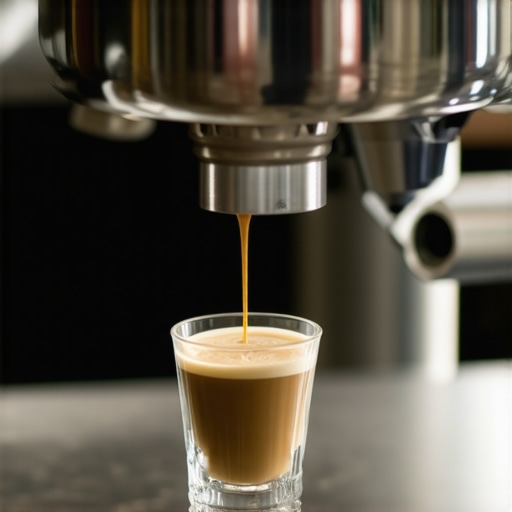
Maintaining stable brew temperature is crucial. Use the thermal recovery tips to prevent temperature fluctuations. Once your machine has warmed up, give it an extra 10 minutes before pulling shots to ensure consistent heat. Timing is equally vital—aim for an extraction time of around 25–30 seconds. Use a smart scale to monitor flow rate and dialing in your shots precisely. If your shots are still sour, adjust your grind to slightly coarser, which often helps by reducing under-extraction without sacrificing flavor.
Fine-Tune Your Tamp and Distribution
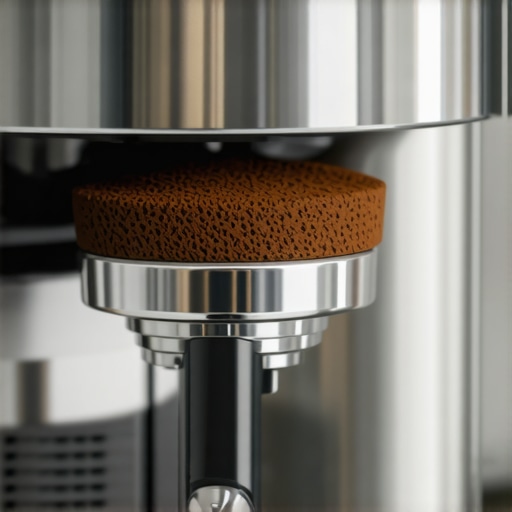
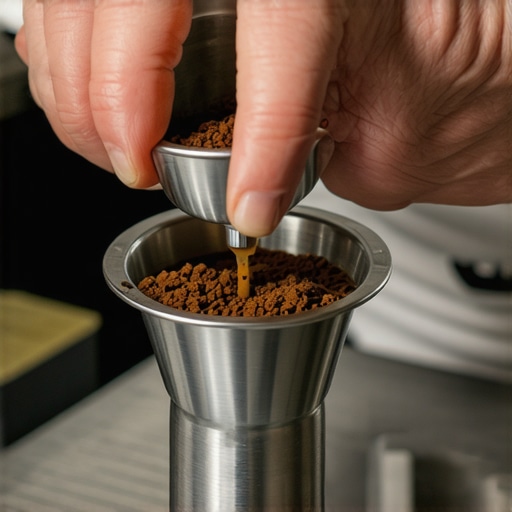
The evenness of your tamp influences extraction immensely. Apply consistent pressure—roughly 30 pounds—and avoid tapping the portafilter after tamping, which can disturb your puck. Instead, use the proper tamping technique and distribute coffee grounds evenly beforehand with a distribution tool. An uneven puck causes channeling, which results in sourness due to uneven extraction. To help with puck consistency, consider the paper shim trick for aligning flat burrs, ensuring a uniform grind and extraction.
Optimize Water Quality and Machine Settings
Mineral content and water temperature impact shot quality. Use filtered water to prevent mineral buildup, which can hinder heat transfer and cause instability. Additionally, ensure your machine’s pressure and temperature settings are calibrated accurately. Regularly flush your boiler and check for scale buildup—use the flush guide to keep your system running smoothly. An unstuck or scaled boiler can provide inconsistent temperature, contributing to sour shots.
Common Misconceptions About Coffee Gear
Many home baristas fall into the trap of oversimplifying their gear choices, especially when it comes to grinders and milk frothers. A typical myth is that buying the most expensive equipment guarantees perfect results. In reality, understanding the nuances—such as burr geometry or steam wand design—can make a noticeable difference in shot quality. For instance, investing in a high-end grinder is beneficial, but if you neglect proper calibration, you might still end up with inconsistent espresso. Check out this guide on burr alignment to optimize your grinder’s performance.
Beware of the One-Size-Fits-All Approach
Another common mistake is assuming that all espresso machines respond identically to settings adjustments. Every machine has its quirks—temperature stability, boiler size, and pressure profiles vary widely. Relying solely on generic advice can lead to subpar shots or, worse, damage to your equipment. For example, many overlook the importance of correctly calibrating their machine’s thermal profile. Regularly allowing your espresso machine to recover heat after startup ensures consistent extraction.
How Do Advanced Users Dial in Flavors While Avoiding Common Pitfalls?
Advanced enthusiasts often face the challenge of fine-tuning roast profiles and extraction variables without falling into the trap of overcomplicating their setup. It’s crucial to recognize that subtle tweaks—like adjusting the tamp pressure or flow rate—can dramatically influence flavor. Using tools like smart scales helps monitor flow rates and pressure profiles accurately, leading to more precise dialing-in. Remember, small, consistent changes often yield better results than broad, unmeasured adjustments.
Addressing Common Mistakes in Equipment Maintenance
Many home baristas overlook routine maintenance—cleaning grinders, descaling machines, or replacing worn-out parts. Neglecting these tasks can amplify issues like static buildup or uneven extraction, which might manifest as sourness or bitterness. For instance, tackling static issues in grinders improves grounds flow and consistency, leading to better shots. Regularly inspecting and maintaining your gear is an investment that pays off in flavor stability and equipment longevity.
Embracing the Complexity for Better Results
Understanding that nuances, myths, and maintenance intricacies significantly impact your espresso quality is vital. Don’t fall for the misconception that more expensive gear alone guarantees perfection; instead, focus on mastering each component’s details. Are you aware of how your grinder’s burr alignment or machine’s thermal stability affect your shot? If not, now’s the time to delve deeper and refine your setup. Have you ever fallen into this trap? Let me know in the comments!
Keep Your Gear in Prime Shape for Consistent Results
One of the most overlooked aspects of home espresso mastery is diligent maintenance. Regularly cleaning your grinder’s burrs is essential to prevent static buildup and uneven grounds, which can compromise shot quality. I personally use the chute clog fix, a simple yet effective method to clear blockages and keep grounds flowing smoothly. Investing in a quality brush and schedule-cleaning every few weeks ensures your grinder remains precise and reliable.
Maintaining your espresso machine is equally critical. Descaling every few months with approved cleaners prevents mineral buildup that can affect temperature stability and extraction consistency. Following manufacturer guidelines or using comprehensive guides like this descaling procedure can prolong your machine’s lifespan and preserve shot quality.
How do I maintain my equipment over time?
Develop a routine for cleaning and inspecting every component, from water reservoirs to portafilters. Regularly calibrate grinders using the zero point calibration to ensure consistent grind sizes. Keep an eye on wear parts like o-rings and seals; replacing them before failure prevents leaks and maintains pressure. Automation tools like digital timers can remind you of critical maintenance tasks, making upkeep seamless and less prone to oversight.
Smart Tools Simplify Your Routine
Using smart scales equipped with flow rate sensors, like the recommended models, offers real-time feedback during shot dialing. These devices help you fine-tune grind, tamp, and extraction time with precision, saving you countless hours of trial and error. Additionally, thermal recovery tips from this guide ensure your machine maintains consistent heat, avoiding sour or flat shots caused by temperature fluctuations.
What equipment should I consider for long-term success?
A reliable burr grinder with titanium-coated flat burrs, like the ones discussed here, can dramatically improve extraction consistency. Coupling this with a high-quality espresso machine that supports thermal stability and programmable profiles—such as the latest dual boiler models—lays a solid foundation. Remember, investing in top-tier gear pays dividends only when regularly maintained and used with precision; otherwise, even the best equipment can underperform.
The Future of Coffee Maintenance Tools
Looking ahead, AI-driven calibration systems and IoT-connected devices will make maintaining your setup more intuitive. Embedded sensors could alert you when cleaning is due or if calibration drifts, streamlining your routine. Meanwhile, community-driven platforms can share real-time troubleshooting tips, empowering home baristas to troubleshoot proactively. For now, incorporating a smart scale into your setup remains one of the most impactful steps you can take—try it during your next dial-in session and notice the difference.
Overcoming sour espresso shots was a defining moment in my barista journey, revealing how nuanced equipment calibration and technique truly are. One of the biggest lessons I learned is that chasing the perfect grind isn’t always the answer—sometimes, you need to look deeper into your machine’s temperature stability and water quality, which often go unnoticed. This realization transformed my approach, making consistency achievable through mindful maintenance and precise adjustments.
Lessons That Changed My Coffee Approach
- The Myth of the Finer Grind: I used to believe that simply grinding finer would eliminate sourness, but I discovered that over-extraction can occur if your brew temperature or tamping technique isn’t spot-on. Fine-tuning involves a holistic view rather than isolated tweaks.
- Calibration is Key: Regularly calibrating my grinder’s zero point and machine’s temperature settings drastically improved shot consistency. It’s often the overlooked details that cause sour shots—don’t neglect them.
- Water Quality Matters: Using filtered water and maintaining a clean water reservoir prevented mineral buildup, which can cause temperature fluctuations leading to sourness.
- Equipment Maintenance Matters: Routine cleaning of burrs and descaling my espresso machine kept my setup running smoothly. I especially recommend the chute clog fix to prevent static and grounds flow issues.
- Patience Above All: Allowing my espresso machine ample time for thermal recovery before each shot ensured temperature stability and better flavor extraction.
Tools That Elevate My Grind
My success wouldn’t be complete without the right gear and resources. I rely on specific tools that I trust to make a real difference:
- Zero Point Calibration Tools: Ensuring my grinder starts from an accurate zero point has been game-changing. The zero point calibration guide is a must-have reference.
- Smart Scales with Flow Rate Monitoring: Using a smart scale has allowed me to dial in my shots with precision, helping me understand extraction dynamics better.
- Water Filtration Setup: Investing in a good water filter transforms the quality of every shot and extends my machine’s lifespan.
- Regular Maintenance Routine: Following guides like descaling procedures keeps my espresso machine in peak condition, preventing sourness caused by mineral buildup.
Your Turn to Elevate Your Espresso Game
The journey to consistently delicious espresso is ongoing, but understanding that every component—from grinder calibration to water quality—plays a role, empowers you to achieve better results. Embrace the subtle adjustments, maintain your equipment diligently, and keep learning. Remember, the difference between a sour shot and a perfect espresso often lies in the details—so get curious and keep experimenting. What’s the one tweak you’ve been hesitant to try but suspect could make a difference? Share your thoughts below and let’s grow together!