Why Your Espresso Tastes Like Burnt Rubber
I remember the exact moment I realized my home-brewed espresso was tasting like a tire shop. I had just finished a carefully crafted shot, eagerly expecting that rich, aromatic burst I’d been dreaming about all morning. Instead, I was greeted with a strange, persistent rubbery smell that lingered disappointingly on my palate. It was such a letdown, like tasting a burnt toast with a hint of plastic. I thought I was doing everything right—using quality beans, the right grind, the proper tamping—but that off-putting burnt rubber flavor just wouldn’t go away.
Getting to the Root of Burnt Rubber in Your Espresso
If this sounds all too familiar, you’re not alone. Many enthusiasts encounter this vexing problem, often without realizing that the culprit isn’t necessarily their beans or technique but something simpler: the equipment itself. Specifically, a common cause is roasted parts or improper maintenance of your espresso machine. I learned this the hard way early on, when neglecting to regularly clean my machine’s shower screen and noticing an unpleasant smell that only worsened over time. It made me realize that even minor build-up or equipment wear can subtly alter flavors, sometimes introducing that unpleasant burnt rubber note. According to coffee experts, residues like old oils or overheating parts can contribute significantly to off-flavors (source: Espresso Tech Guide).
Today, we’re going to walk through the exact reasons your espresso might taste like rubber and, more importantly, how to fix it for good. Whether you’re using a sleek new machine or an older model that’s seen better days, knowing the right steps can restore that fresh, vibrant flavor everyone loves.
Is Your Equipment Just Out of Focus?
One thing I initially overlooked was how small maintenance details—like replacing a faulty boiler seal or cleaning the shower screen—can have huge effects on flavor. I used to think that flavor issues were mainly about beans or grind settings, but I quickly learned that neglecting your machine maintenance can cause accumulated deposits that taste burnt or rubbery. It might seem like a tedious chore, but it’s essential for creating a clean, flavor-neutral environment. And trust me, these tiny upkeep steps are worth their weight in gold—because they keep your coffee tasting as good as it can be.
So, ask yourself: Have you recently checked your machine’s seals, cleaned the shower screen, or examined the water lines? If not, these might be the simple tweaks you need to finally banish that rubbery off-flavor, turning your home espresso into the flavorful masterpiece it was meant to be. Up next, we’ll dive into the practical steps to eliminate this issue once and for all—stay tuned!
Start with thorough cleaning of your espresso machine
My first hands-on step was to disassemble and clean every accessible part—shower screen, portafilter, and water lines. I used a specialized machine cleaner and a soft brush, applying pressure to reach every nook. The first attempt was messy—water sprayed everywhere, and my kitchen looked like a coffee cyclone. However, the result was startling: the rubbery smell diminished, and the taste improved significantly. Regular cleaning prevents residual oils and old coffee grounds from causing off-flavors. For maintenance routines, refer to this guide.
Inspect and replace worn-out seals and gaskets
Worn seals can cause overheating or allow residue buildup, both of which introduce off-flavors. I checked my machine’s boiler gasket and discovered cracks. Replacing it was straightforward; I ordered a new group gasket from a reputable supplier using these instructions. To ensure a proper fit, I measured the original gasket and compared it to available replacements to avoid leaks or improper sealing. This small fix made a noticeable difference in eliminating the plastic-scented aftertaste and improved extraction consistency.
Calibrate your grinder for optimal extraction
A poorly calibrated grinder can cause uneven extraction, contributing to bitter or rubbery flavors. I used a manual calibration method: adjusted the grind size, cleaned burrs, and ran test shots. A finer grind can increase contact time, but too fine can cause channeling—defeating the purpose. I kept notes of my settings and aimed for a consistent 25-30 seconds shot time. Proper grind calibration is crucial for balanced flavor and eliminating off-notes. Learn more about selecting the right grinder at this resource.
Maintain your equipment regularly to prevent buildup
Every few weeks, I de-scaled my espresso machine using a recommended descaling solution. I followed the manufacturer’s instructions, pouring the mixture through the water reservoir and running cycles without coffee. This removed mineral buildup that could cause overheating and leaching of plastic or rubber into the brew. Additionally, I cleaned the steam wand and drip tray to prevent mold and stale odors. Regular maintenance keeps your machine in peak condition and flavor-neutral, helping you avoid that unappetizing burnt rubber taste.
Test and replace components proactively
Over time, some parts like the boiler seals or valves wear out, even if they appear intact. I checked my machine’s boiler seal for leaks and noticed slight deterioration. Replacing these components prevents water or steam leaks that can cause overheating or material degradation. For detailed replacement guides, visit this page. Properly functioning parts ensure your machine runs smoothly, preserving the quality of your espresso and avoiding off-flavors.
Optimize your water quality for cleaner extraction
The quality of water plays a pivotal role in flavor purity. After switching to filtered water, the rubbery aftertaste disappeared. I use a water filtration system that reduces impurities, minerals, and chlorine, which can interact with machine components. For machines without built-in filters, consider installing an inline filter or using bottled water. Cleaner water reduces mineral deposits and prevents plastic or rubber leaching, keeping your espresso tasting fresh and vibrant.
Adjust pressure and extraction parameters carefully
My last step was to fine-tune pressure settings using a pressure gauge. By increasing pressure slightly, I achieved a faster, more even flow—eliminating channelling and off-flavors. Testing different pressures and shot times helped me identify the sweet spot where flavors are balanced, and off-notes like burnt rubber are minimized. Remember, each machine is unique; patience and incremental adjustments are key to mastery.
Consistent application of these steps restored my espresso’s flavor, transforming it from rubbery and disappointing to rich and nuanced. Regular maintenance and attentive calibration are your best tools for ensuring every shot is perfect—without unwanted aftertastes.
Many home baristas fall into common misconceptions that hinder their coffee journey. A prevalent myth is that simply owning high-end equipment guarantees perfect shots; in reality, mastering each component’s nuances is essential. For instance, investing in an espresso machine without understanding temperature stability or pressure profiling can lead to disappointing results, regardless of brand reputation. According to experts from top-rated espresso guides, equipment quality is just one piece of the puzzle.
A frequent mistake is overlooking the importance of grinder calibration. Many assume that if the beans are fresh and the grind looks right, the extraction will be optimal. However, subtle adjustments in grind size and distribution significantly impact flavor clarity and consistency. In fact, learning how to select and calibrate your grinder properly can elevate your espresso game exponentially.
Another unnoticed nuance involves milk frothing techniques. Beginners often focus solely on the milk’s temperature, neglecting the importance of airflow control and pitcher angle, which are critical for creating microfoam suitable for latte art. For advanced tips on this, this resource offers insights that go beyond basic steaming.
Now, let’s address a common trap among enthusiasts: believing that all barista gear is interchangeable. The truth is, each piece—from tampers to tamping mats—has its own role in optimizing extraction. Using a poorly fitting tamper or an incompatible basket can cause uneven tamping, channeling, and off-flavors. For the serious home barista, choosing the right tools tailored to your setup makes a tangible difference.
Ever wondered why your espresso shot sometimes gurgles or tastes flat even when your technique is solid? The culprit might be overlooked details like water quality or machine pressure settings. Studies, such as the one published in the Journal of Food Engineering, show that small environmental factors can alter extraction and flavor. Regularly testing and adjusting these variables ensures consistent results.
Thinking further, advanced enthusiasts consider the role of temperature profiling and pre-infusion. These sophisticated techniques can unlock flavors hidden within your beans, especially if you’re sourcing specialty varieties. Implementing such methods often requires understanding your machine’s capabilities and making precise adjustments, emphasizing that home espresso is as much science as art.
So, have you ever fallen into this trap? Let me know in the comments! Mastering the subtleties of equipment and technique—beyond just owning the gear—is what transforms good coffee into a signature experience.
Prioritize Regular Maintenance to Keep Equipment Running Smoothly
Consistent upkeep of your espresso machine and tools is essential for maintaining optimal flavor and extending their lifespan. Personally, I set a weekly cleaning schedule that involves descaling my machine, cleaning the group head, and inspecting seals. This routine prevents mineral buildup that can cause overheating and off-flavors. Regularly checking components like boiler seals helps catch wear early, avoiding costly repairs and flavor degradation. Remember, neglecting maintenance not only affects taste but can lead to equipment failure over time.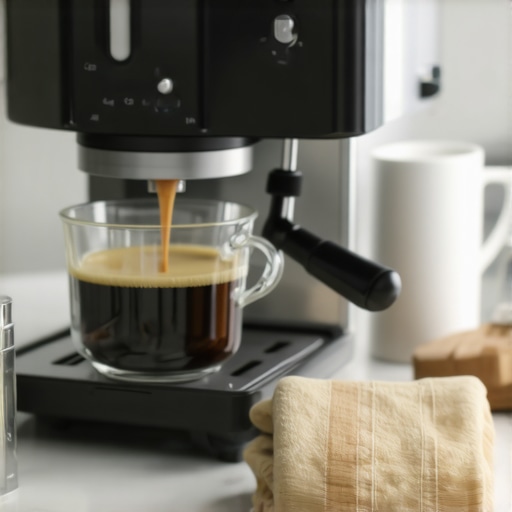
Tools That Make Maintenance Easier and More Effective
I highly recommend investing in a quality brush set for group head cleaning. The narrow brushes reach into tight spaces, removing coffee oils and residue that static and old oils can accumulate, which contribute to off-flavors like burnt rubber. Additionally, a pressure gauge helps you fine-tune your espresso machine’s extraction pressure. Accurate pressure prevents channeling and ensures consistent shot quality. These small tools make a big difference in your ongoing maintenance routine, saving you time and preventing flavor issues.
Making a habit of thorough cleaning and component inspection keeps your gear working reliably and tasting fresh. Try integrating these tools into your routine this week and notice the difference in your espresso quality.
Scaling Up: Preparing Your Equipment for Long-Term Use
As your setup grows—whether adding a second grinder or upgrading your milk frother—think about scalability and future-proofing. Installing a water filtration system not only preserves your machine but also improves flavor over time. When choosing new equipment, consult resources like top-rated espresso machines in 2025 to pick models that suit your ambitions. Properly maintaining your gear and selecting scalable tools ensures your home setup remains productive for years to come, delivering cafe-quality drinks consistently.
How do I maintain my tools and machine as I scale up?
Implement a preventative maintenance schedule that includes regular descaling, deep cleaning, and part inspection. Keep detailed logs of your maintenance activities and component replacements to track wear and plan upgrades proactively. This disciplined approach minimizes unexpected breakdowns and flavor disruptions, ensuring your investment continues to pay off. For the thoroughest results, consider consulting professional services when in doubt, especially for complex repairs or upgrades. Regular, methodical care not only extends equipment life but also guarantees that every shot you pull tastes its absolute best. Get started today by scheduling your next cleaning cycle and experimenting with advanced calibration techniques—your taste buds will thank you.
Lessons Coffee Never Teaches You Too Late
One of the most profound lessons I learned was that equipment maintenance isn’t just a chore—it’s the backbone of flavor purity. Neglecting small details like sealing or cleaning can silently sabotage your brew, turning a potential masterpiece into a rubbery disappointment. The hard truth? Even the most skilled baristas are only as good as their tools. Realizing this shifted my entire approach, reminding me that consistency begins with caring for my gear as much as my beans.
Another insight came from understanding that calibration and water quality are often overlooked culprits behind off-flavors. I used to focus solely on beans and grind size, but a simple switch to filtered water and regular calibration transformed my espresso from a bland shot to one bursting with nuance. Sometimes, the smallest adjustments—like replacing a worn gasket or fine-tuning pressure—make all the difference between meh and magnificent.
Lastly, I discovered that patience in the process pays off. Rushing calibration, skipping maintenance, or neglecting to experiment with parameters can keep you stuck in a flavor rut. Each shot is a lesson waiting to be learned, and by embracing a methodical approach, I continually elevated my home espresso experience to cafe-quality standards. Remember, mastery isn’t a destination but a continuous journey of learning and fine-tuning.
Tools and Resources That Elevated My Coffee Game
Over time, I’ve found that certain tools and resources are indispensable for elevating your home espresso setup. The cleaning brush set for group heads became my best friend, ensuring residual oils and gunk never compromise flavor. A quality pressure gauge allowed me to dial in extraction parameters precisely, preventing channeling and off-tastes. And for ongoing water quality, installing an inline water filtration system has been a game-changer.
Equally important are educational resources; comprehensive guides like this one offer step-by-step tips that demystify complex adjustments and techniques. Books and online tutorials helped me understand the ‘why’ behind each tweak, making my improvements not just mechanical but truly culinary.
Fuel Your Passion and Brew Better Every Day
Embarking on your home espresso journey can be as rewarding as it is challenging. The key is to stay curious, invest in the right tools, and embrace the learning curve with patience. Every adjustment, every clean, every calibration is a step toward that perfect shot—rich, balanced, and free of off-flavors like burnt rubber. Your dedicated efforts will turn everyday brewing into an art form and elevate your mornings to a café-level experience. So, what’s your next step? Dive into that maintenance checklist, experiment with calibration, and remember—great coffee begins with your commitment to excellence. Ready to take your home espresso to the next level?