Why Your Coffee Puck Is Slipping and Creating Side-Wall Channeling
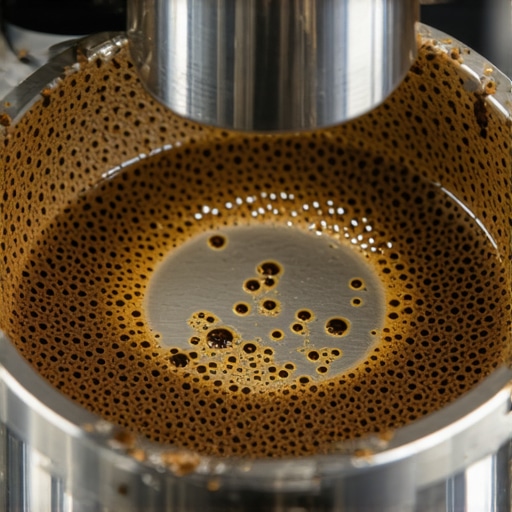
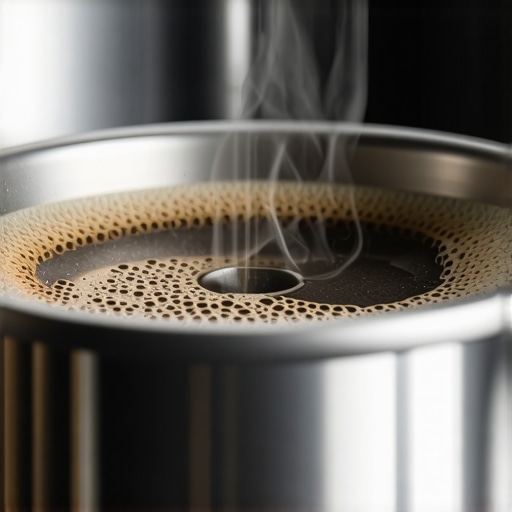
I’ll never forget the moment I first saw my espresso shot sputter and sputter, then come out tasting flat and bitter. As a home barista, I’ve wrestled with countless problems—grainy tamping, uneven extractions, and yes, that annoying slipping puck. It was a lightbulb moment when I realized that my tamping technique and machine setup might be sabotaging my perfect brew. If you’ve ever faced a slipping puck that causes side-wall channeling, you’re not alone—and today, we’re going to troubleshoot this issue together.
How to Stop Your Coffee Puck From Slipping and Creating Channeling
Are You Falling for the The Myth of ‘Perfect’ Grind and Tamping Pressure?
Early on, I made the mistake of obsessing over a single variable—grind size—believing it was the magic fix. But I soon discovered that even the finest grind wouldn’t save me if my tamping wasn’t consistent or my basket wasn’t properly prepared. It turns out, puck slipping isn’t just about grind; it’s a symptom of multiple factors working in tandem. According to experts, an uneven or loosely packed puck can cause the coffee to shift during extraction, leading to side-wall channeling and under-extracted shots. So, are you inadvertently compromising your puck by rushing your tamp or neglecting your basket cleanliness? Understanding these nuances is essential to brewing consistently better espresso. Have you experienced this slipping phenomenon firsthand? If so, don’t worry, help is on the way. We’re going to dig into specific causes and actionable solutions. But first, a quick word: I used to believe that only espresso machines with fancy features could produce great shots. That was a mistake—one I made early on when I overlooked simple setup adjustments that transformed my brewing game. If you’re serious about elevating your home espresso, it’s worth exploring all these angles. Let’s get into the practical tips that will keep your puck firmly in place and prevent that frustrating channeling from ruining your brew.
Lock Down the Puck Before Extraction
Choose the Right Tamper and Technique
Start by selecting a sturdy, well-fitting tamper that matches your portafilter basket. Use consistent pressure—about 30 pounds—just enough to create even resistance without over-compressing. I once used a heavier tamper on a day I was rushing, which caused my puck to shift and lead to uneven extraction. Applying steady, firm pressure helps keep the coffee evenly compressed, preventing puck slippage that causes channeling.
Distribute Coffee Uniformly
Before tamping, ensure the coffee bed is level. Use a distribution tool or your finger to spread grounds evenly across the basket. Think of it as smoothing out a bed—any bump or thin area invites uneven tamping. I learned this the hard way when a quick tap spread grounds unevenly and resulted in side-wall channeling; taking an extra 10 seconds to distribute made a significant difference.
Pre-wet the Grounds for Better Stability
Lightly moistening the coffee grounds with a damp brush or a quick spray of hot water helps unify the bed. This adhesion reduces grounds shifting during tamping. It’s akin to pre-wetting a sponge so it doesn’t crumble. After adopting this step, I noticed my puck stayed flush against the basket walls, leading to more consistent extraction and less slipping.
Optimize Your Machine Setup
Level Your Portafilter
Use a countertop leveling trick: place your portafilter on a flat surface and adjust until perfectly level. Incorrect positioning can cause uneven tamping pressure. Once I started aligning my portafilter meticulously, my shots became more consistent, and the puck remained firmly in place throughout extraction. This simple hack is a game changer.
Check Your Basket and Grind Compatibility
Ensure the basket size and grind size are compatible. Finer grinds produce more resistance, so your tamping pressure should be adjusted accordingly. If the grind is too fine for your basket, excess pressure can cause puck deformation and slipping. Review your equipment pairing by visiting this guide to match grind size and basket type properly.
Maintain Cleanliness and Consistency
Keep Your Basket and Portafilter Clean
Residue buildup weakens the coffee bed, making it prone to shifting. Clean your baskets regularly with a brush, and flush out channels that gather leftover grounds. I found that a quick wipe with a brush after each shot prevents old grounds from creating uneven surfaces, reducing puck slippage.
Regularly Adjust and Test Tamping Pressure
Your tamping force should stay consistent. Use a digital scale or a sturdy tamping station to calibrate your pressure. I set reminders to check my force weekly, ensuring every shot gets the same treatment. This consistency helps prevent puck movement during extraction, especially when using machines with less pressure stability.
Enhance Technique with Mechanical Aids
Use Leveling Devices and Dosing Funnels
Employ a leveling tool or a dosing funnel with a guide to ensure the coffee distributes evenly in the basket. Once, I used a dosing funnel that snapped snugly onto my basket, making distribution automatic. This eliminated uneven grounds and minimized puck shift, resulting in cleaner, more uniform shots.
Many coffee enthusiasts believe that purchasing high-end barista gear will automatically elevate their home brewing experience, but the truth is more nuanced. For instance, it’s a common misconception that more expensive grinders always produce better espresso. While quality matters, optimal tuning and understanding grind settings tailored to your beans often have a greater impact. A study by the Specialty Coffee Association highlights that even the best equipment can underperform without proper skill and maintenance. Avoid the trap of investing solely in gear without mastering fundamental techniques, as this often leads to disappointment. Furthermore, some assume that espresso machines need frequent and costly repairs to function well; however, regular cleaning and proper calibration can extend their lifespan dramatically. An overlooked nuance is that milk frothers are not all created equal—choosing the right type for your milk type and desired foam texture is crucial. For example, automatic frothers may seem convenient but often lack finesse for microfoam, which baristas achieve through manual steaming. Advanced brewers also tend to overlook the importance of water quality; using filtered or bottled water can significantly influence extraction and flavor, according to experts like James Hoffmann. Be cautious of the “bigger is better” mentality—size and wattage don’t necessarily equate to better performance. For instance, a smaller, well-maintained espresso machine can outperform a larger, poorly-used one. Have you fallen into any of these common misconceptions? Share your experiences in the comments!
Why do seemingly simple upgrades sometimes backfire in home brewing?
Often, enthusiasts invest in additional accessories—like fancy tampers or bespoke baskets—expecting instant results. However, if these upgrades aren’t paired with proper technique or knowledge, they may cause more harm than good. For example, a poorly fitted tamper, despite being a premium brand, can create uneven tamping pressure leading to channeling. Remember, mastering your existing equipment is more impactful than constant upgrades. If you’re curious about selecting the right gear without falling into these traps, visit our comprehensive gear guide. Ultimately, understanding the subtle nuances—like grind consistency, machine maintenance, and water quality—will transform your home barista skills from novice to pro. Curious to see how your setup measures up? Check out top-rated machines for 2025 and start making smarter choices today.
Best Tools for Maintaining Home Barista Equipment
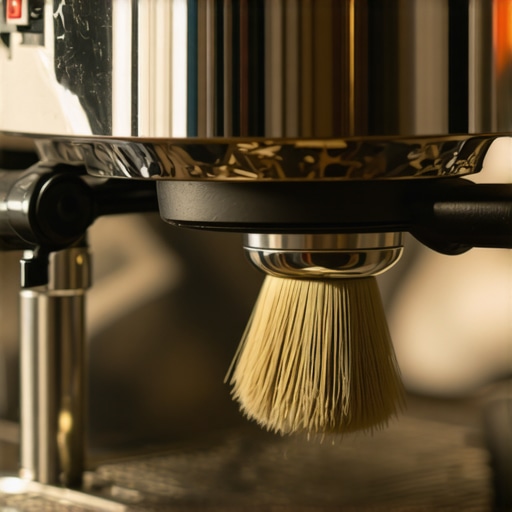
High-quality coffee gear demands regular upkeep to ensure longevity and optimal performance. Personally, I rely on a few specialized tools that make maintenance straightforward and effective. For instance, I swear by a flat-edge brush specifically designed for espresso machine group heads, which I use weekly to remove built-up coffee oils and residue, preventing flavor taints and mechanical issues. Additionally, a soft silicone scraper helps me clean delicate areas like the shower screen without scratching, maintaining even water dispersion during extraction.
Why Use Specific Maintenance Tools Regularly?
Proper maintenance isn’t just about occasional deep cleans; consistent use of the right tools ensures your equipment keeps performing at its best. Over time, mineral deposits, oils, and coffee grinds can cause blockages or wear, leading to inconsistent shots or machine breakdowns. My routine includes flushing the water reservoir with filtered water to reduce scale buildup, and I always check for wear on seals such as the group gasket before they cause leaking or pressure drops. Utilizing dedicated cleaning tools like brush sets tailored for espresso machines has saved me costly repairs and maintained high-quality espresso over years of use.
Predicting Future Trends in Maintenance Technology
Looking ahead, I believe machine manufacturers will integrate smart sensors that monitor internal buildup levels and notify users via apps when cleaning is due. This proactive approach reduces downtime and preserves shot quality even further. For a comprehensive understanding on how to keep your gear in prime condition, I recommend exploring this insightful resource.
How do I maintain my espresso machine over time?
The secret is establishing a routine—regularly brushing, checking seals, and descaling as needed. Using specialized tools like a group head brush and a descaling solution recommended by experts such as the Coffee Food Dudes helps ensure your machine stays free of mineral buildup. Incorporate monthly deep cleans with appropriate cleaning powders and replace worn gaskets before they cause leakages. Spotting early signs of wear can prevent costly repairs down the road; for example, noticing a high-pitched whistling sound during heating often indicates needing a quick gasket replacement. Make maintenance a habit, and you’ll enjoy consistently delicious espresso while extending your gear’s lifespan.
Lessons That Changed My Approach to Espresso Crafting
One of the most profound lessons I learned was that consistency in tamping and machine setup outweighs chasing the perfect grind size. I used to think fine-tuning my grinder was the key, but I realized that applying steady pressure and ensuring cleanliness had a more significant effect on shot quality. Additionally, I discovered that regularly calibrating my tamping force with a digital scale prevented puck slippage, which was a game-changer in avoiding channeling. Lastly, the value of simple routines like leveling the portafilter and pre-wetting grounds became apparent—I questioned why I neglected these small steps that make a big difference, leading to more stable extractions and richer flavors.
Tools and Resources That Elevated My Home Barista Journey
My essential toolkit includes a flat-edge brush designed specifically for espresso machine group heads, which keeps my machine free from residual oils—I’ve trusted it for years. A precision tamper with a built-in pressure gauge has helped me maintain consistent tamping pressure effortlessly, improving shot consistency. I also rely on a quality water filter to reduce mineral buildup, preserving my machine in the long run. For learning more nuanced techniques, I recommend checking out this gear selection guide and tips for beginners. These resources helped me make informed choices and refine my skills over time.
Embrace Your Journey: Brew With Confidence
Experimenting with your espresso setup might seem intimidating at first, but remember, every shot is an opportunity to learn and improve. With patience and the right tools, you’ll unlock flavors and textures you never thought possible at home. Don’t wait for perfect conditions—start refining your technique today, and watch your espresso skills blossom. What’s one upgrade or technique you’re excited to try next? Share your aspirations below and let’s grow together in this flavorful adventure.
,